Department of Immunology, Graduate School of Medicine, Chiba University, 1-8-1 Inohana Chuo-ku, Chiba 260-8670, Japan.
South Australian Health and Medical Research Institute, North Terrace, Adelaide South Australia 5000, Australia.
Nat Commun. 2016 Nov 30;7:13683. doi: 10.1038/ncomms13683.
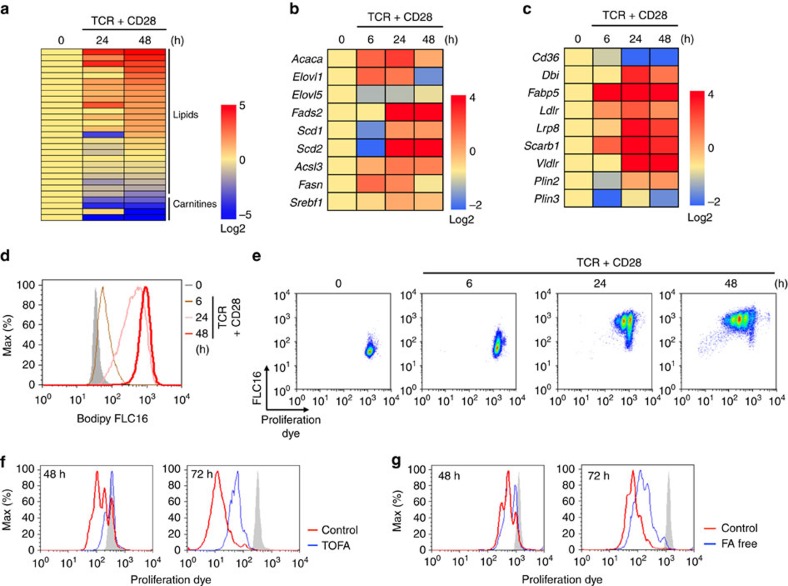
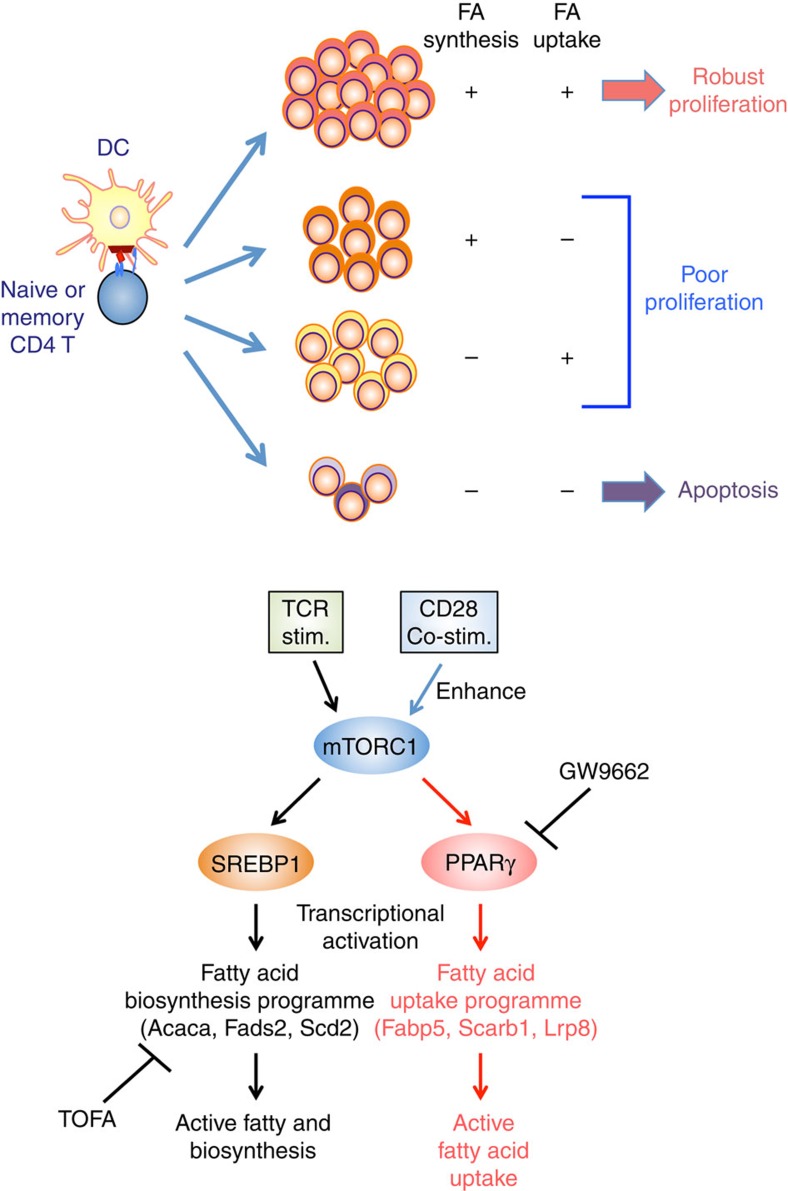
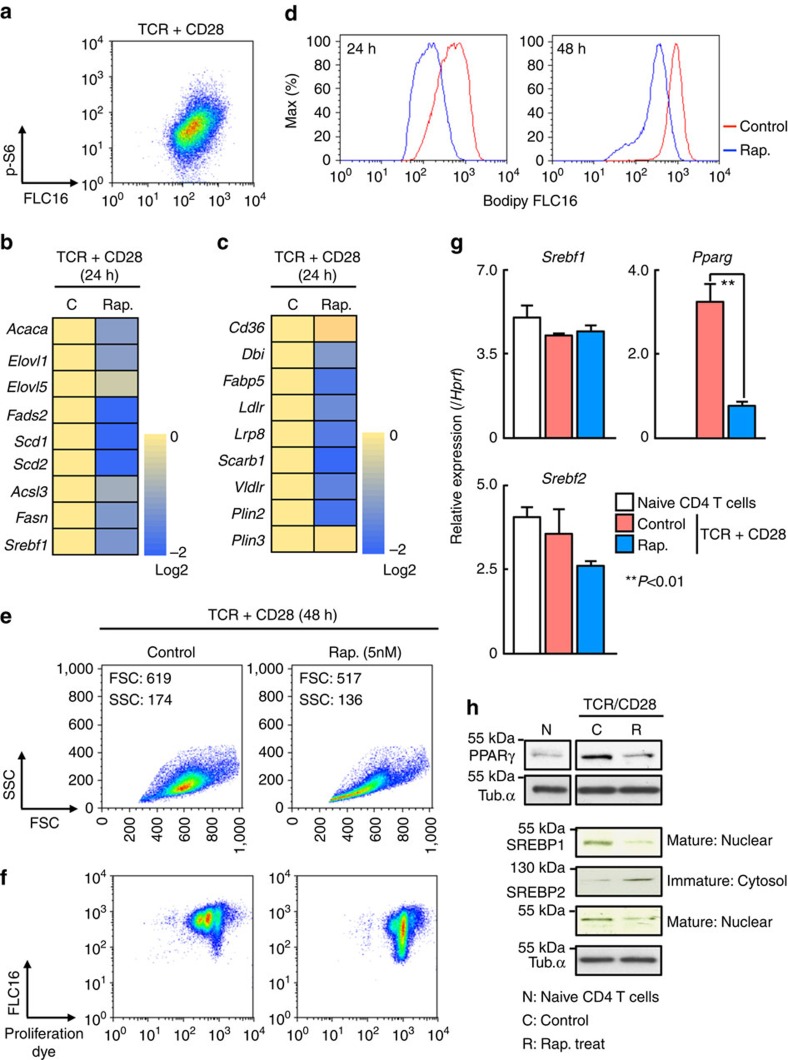
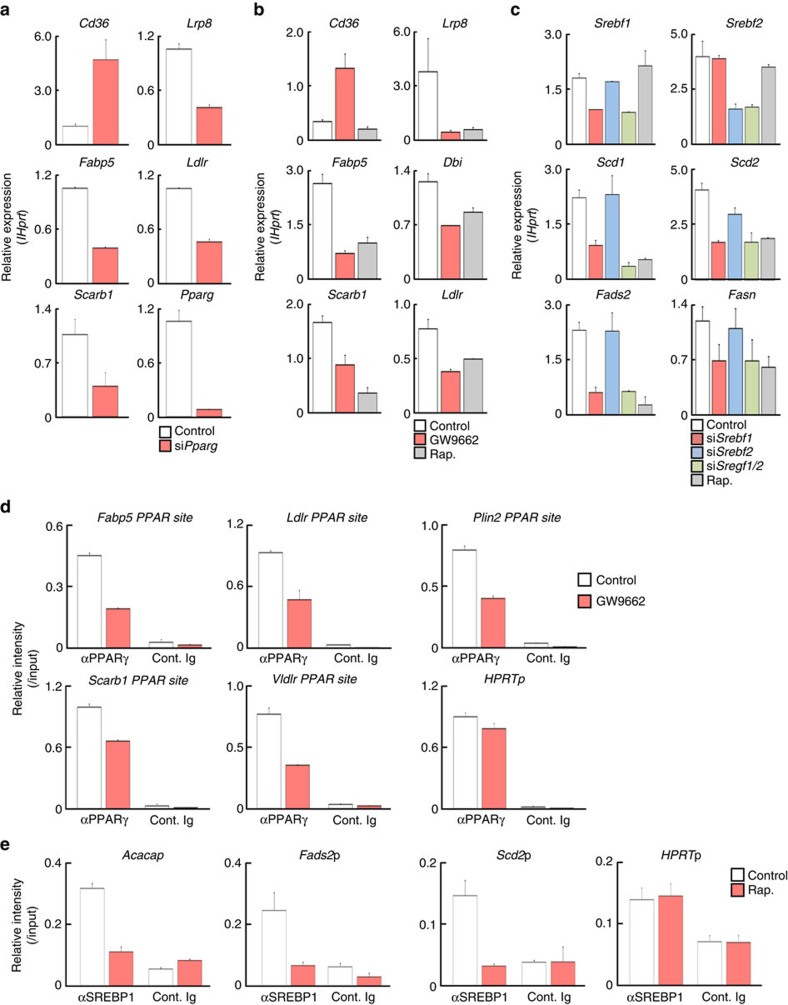
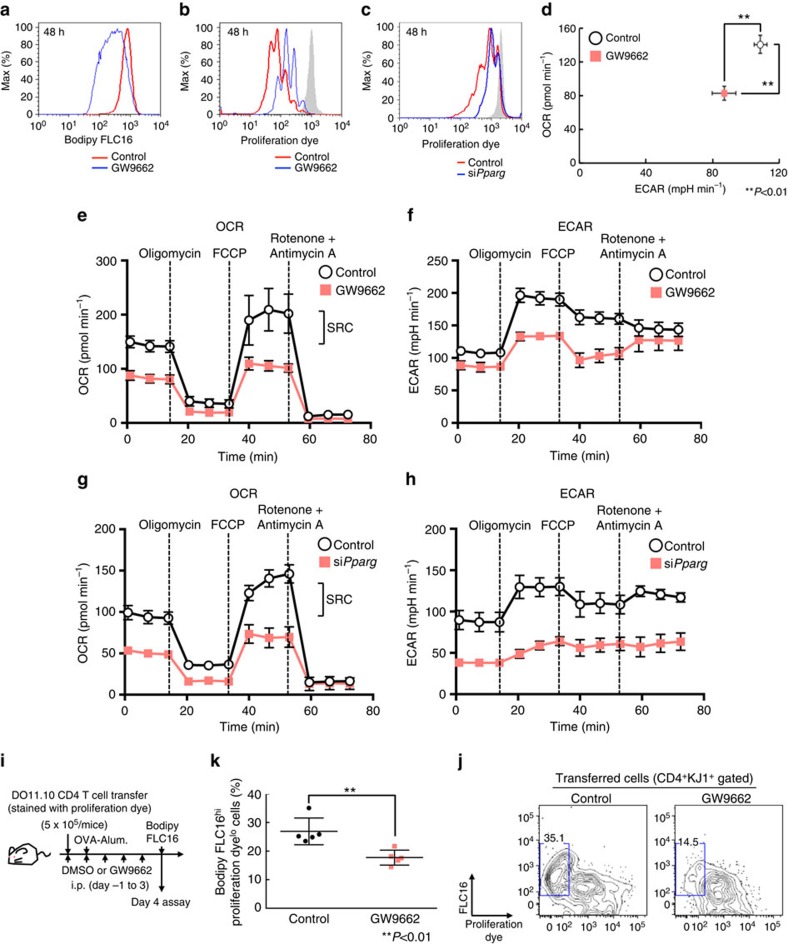
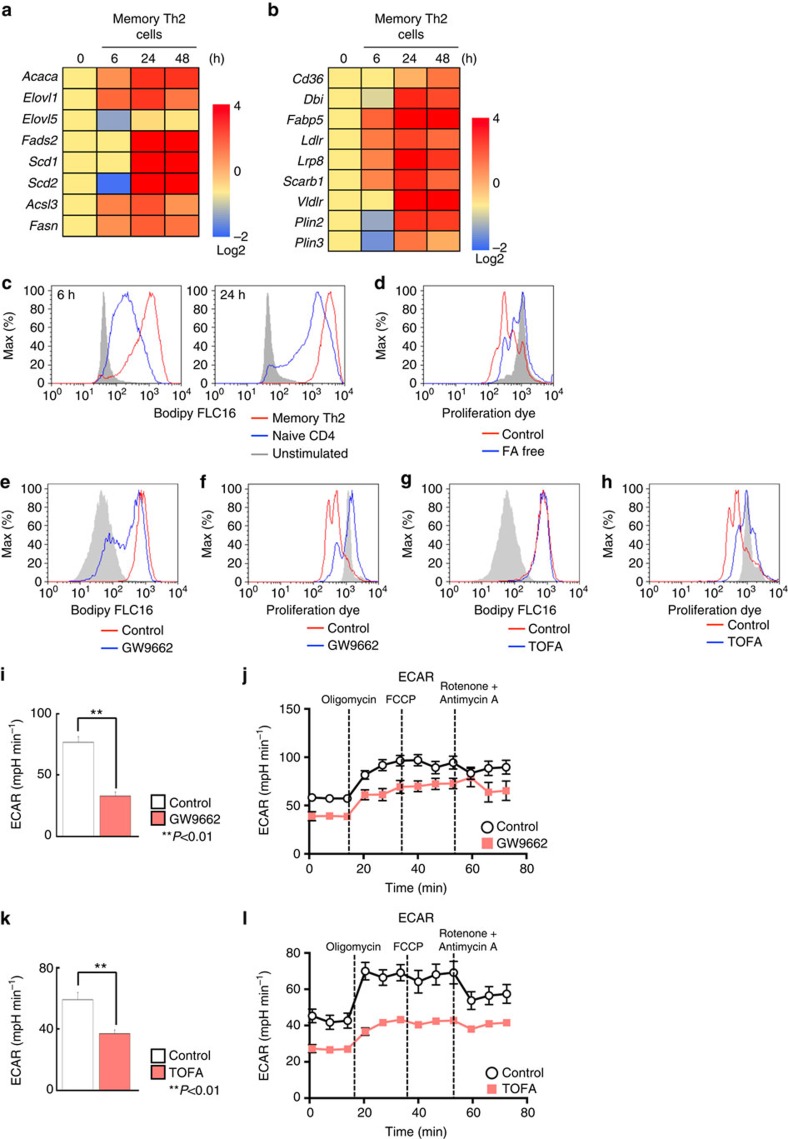
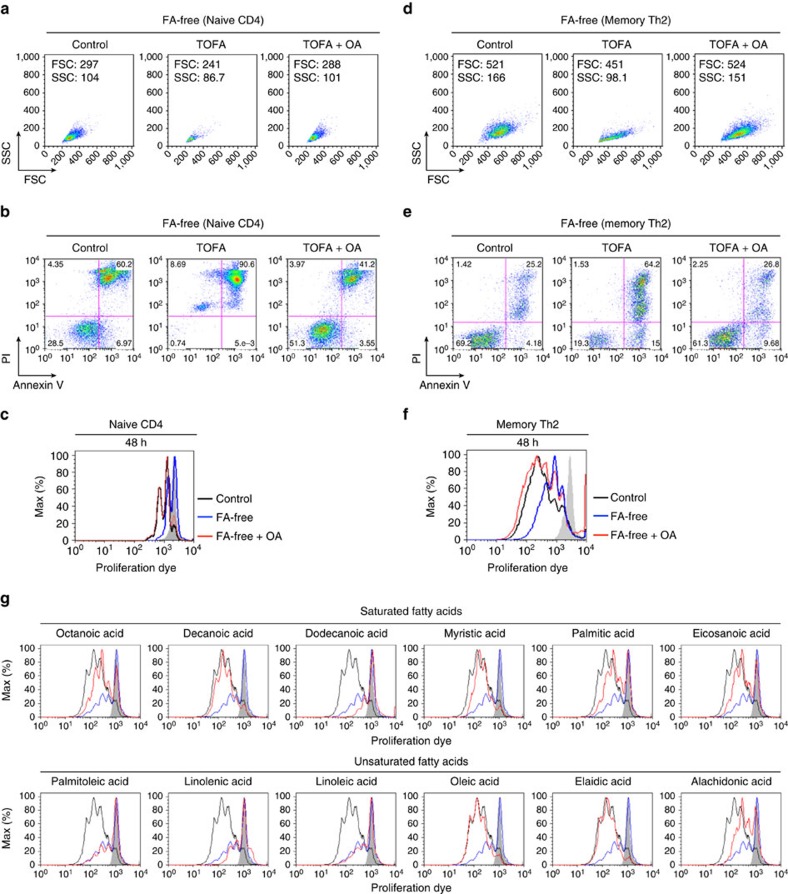
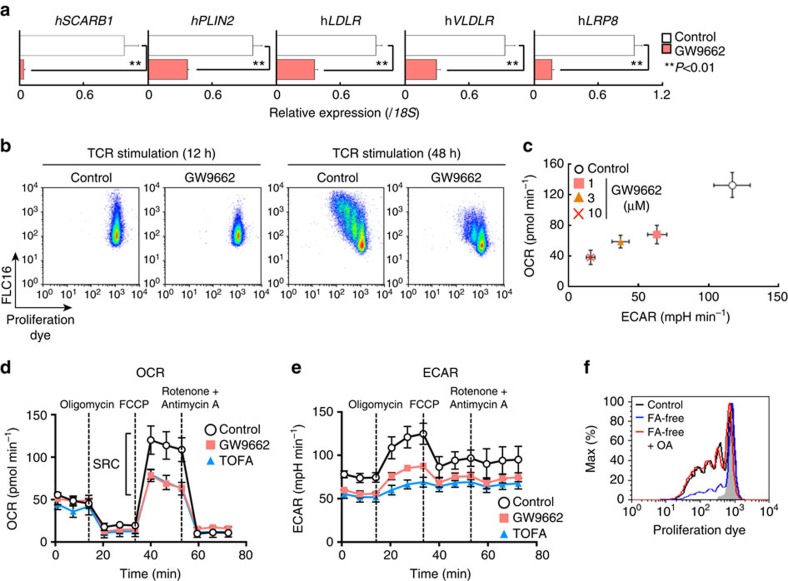
To fulfil the bioenergetic requirements for increased cell size and clonal expansion, activated T cells reprogramme their metabolic signatures from energetically quiescent to activated. However, the molecular mechanisms and essential components controlling metabolic reprogramming in T cells are not well understood. Here, we show that the mTORC1-PPARγ pathway is crucial for the fatty acid uptake programme in activated CD4 T cells. This pathway is required for full activation and rapid proliferation of naive and memory CD4 T cells. PPARγ directly binds and induces genes associated with fatty acid uptake in CD4 T cells in both mice and humans. The PPARγ-dependent fatty acid uptake programme is critical for metabolic reprogramming. Thus, we provide important mechanistic insights into the metabolic reprogramming mechanisms that govern the expression of key enzymes, fatty acid metabolism and the acquisition of an activated phenotype during CD4 T cell activation.
为了满足细胞体积增大和克隆扩增的生物能量需求,活化的 T 细胞将其代谢特征从能量静止重新编程为活化状态。然而,控制 T 细胞代谢重编程的分子机制和基本组成部分尚不清楚。在这里,我们表明 mTORC1-PPARγ 途径对于活化的 CD4 T 细胞中的脂肪酸摄取程序至关重要。该途径对于幼稚和记忆 CD4 T 细胞的完全活化和快速增殖是必需的。PPARγ 直接结合并诱导小鼠和人类 CD4 T 细胞中与脂肪酸摄取相关的基因。PPARγ 依赖性脂肪酸摄取程序对于代谢重编程至关重要。因此,我们为代谢重编程机制提供了重要的机制见解,这些机制控制着关键酶的表达、脂肪酸代谢以及在 CD4 T 细胞活化过程中获得活化表型。