Kim T, Holleman C L, Ptacek T, Morrow C D, Habegger K M
Comprehensive Diabetes Center and Department of Medicine-Endocrinology, Diabetes and Metabolism, University of Alabama at Birmingham, Birmingham, AL, USA.
Center for Clinical and Translational Sciences, University of Alabama at Birmingham, Birmingham, AL, USA.
Int J Obes (Lond). 2017 Mar;41(3):381-389. doi: 10.1038/ijo.2016.224. Epub 2016 Dec 7.
BACKGROUND/OBJECTIVES: The combination of energy dense diets and reduced energy expenditure in modern society has escalated the prevalence of obesity and obesity-related comorbidities. Among these disease states, type-2 diabetics (T2D) are disproportionately associated with obesity, suggesting a shared etiology. In conjunction with defects in hormonal and inflammatory states, obesity and T2D are also characterized by dysbiosis.
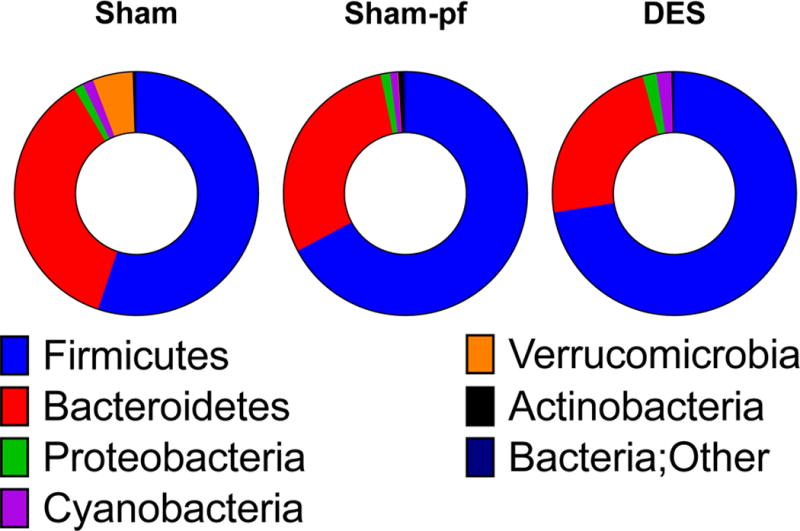
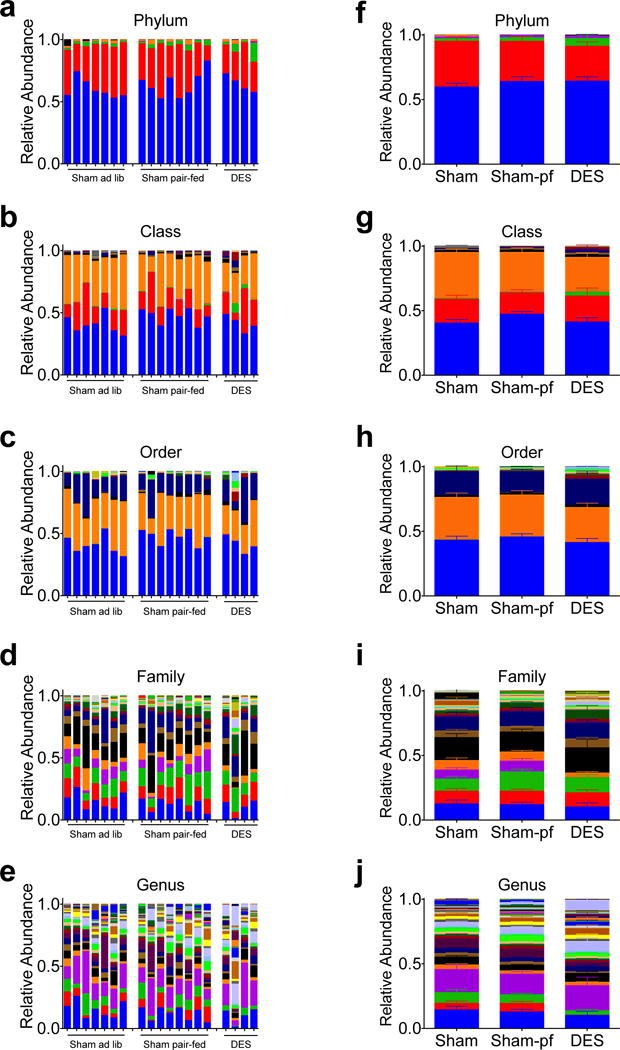
We have recently described the beneficial effects of duodenal nutrient exclusion, as induced by the duodenal endoluminal sleeve (DES); including body weight loss, prevented fat mass accumulation, and improved glucose tolerance in the ZDF rat, a rodent model of obesity and type-2 diabetes (T2D). To assess the relative role of DES on hindgut microbiota in the context of these metabolic changes, we analyzed cecal samples from rats implanted with a duodenal endoluminal sleeve (DES), or a sham control of this procedure. A group of pair-fed (pf) sham controls was also included to account for changes induced by reduced body weight and food intake.
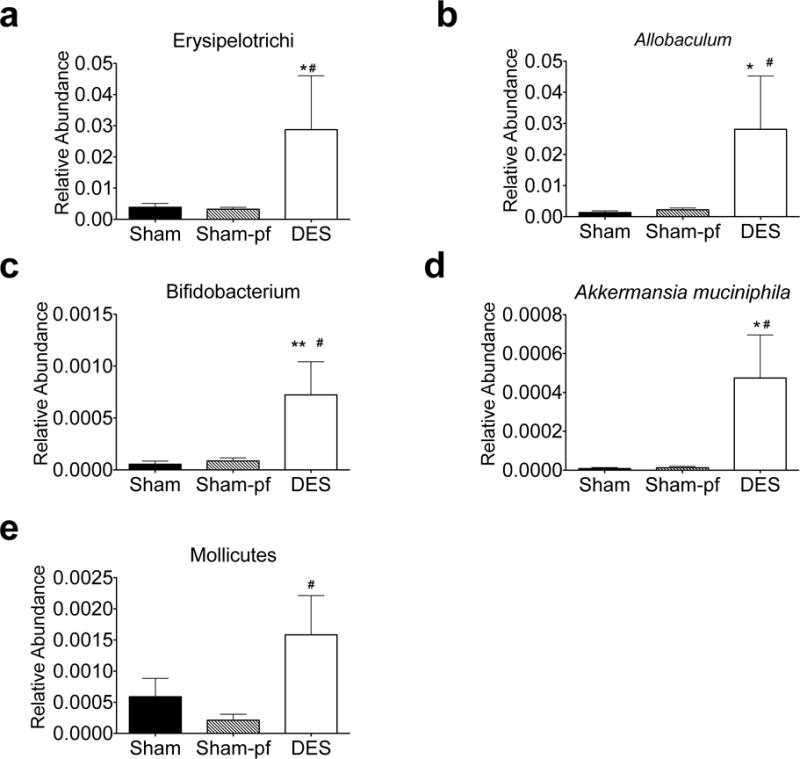
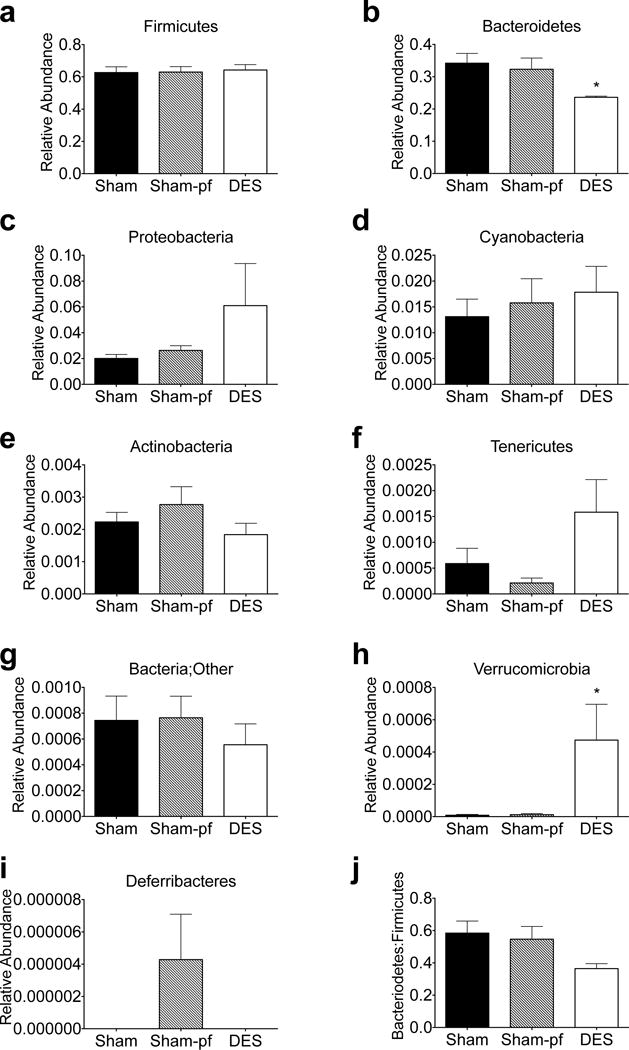
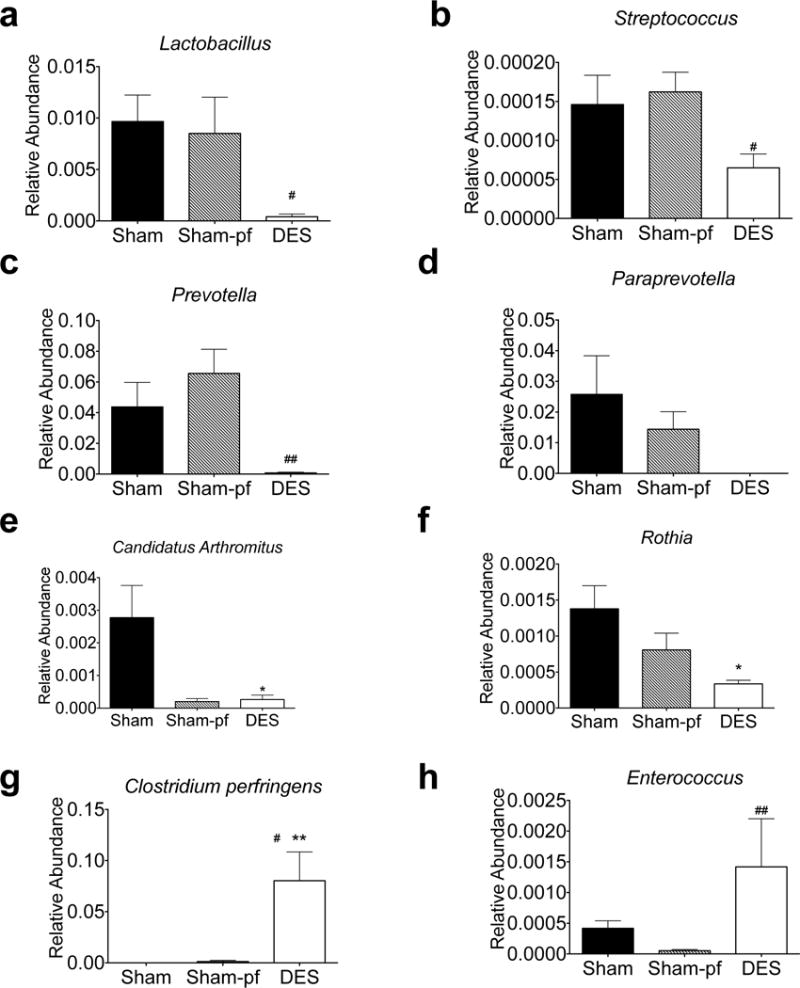
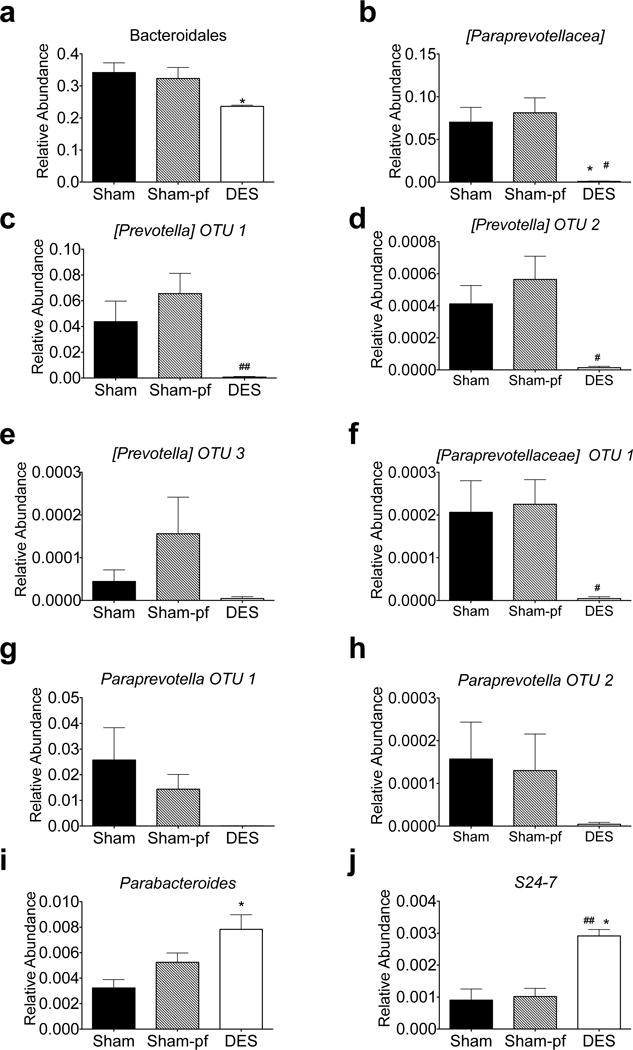
Analysis of hindgut microbiota following DES in the ZDF rat elucidated discrete changes in several microbial populations including a reduction in Paraprevotella family members of the Clostridiales order along with an increase in Akkermansia muciniphila and species of the Allobaculum and Bifidobacterium genera.
Altogether, these observations suggest that like Roux-en Y gastric bypass (RYGB) and Metformin, regulation of gut microbiota may be a contributing factor to the therapeutic effects of DES.
背景/目的:在现代社会中,能量密集型饮食与能量消耗减少相结合,使得肥胖症及肥胖相关合并症的患病率不断攀升。在这些疾病状态中,2型糖尿病(T2D)与肥胖症的关联尤为突出,这表明二者存在共同的病因。除了激素和炎症状态的缺陷外,肥胖症和T2D还具有肠道菌群失调的特征。
我们最近描述了十二指肠腔内套管(DES)诱导的十二指肠营养排除的有益效果;包括体重减轻、防止脂肪量积累以及改善ZDF大鼠(一种肥胖症和2型糖尿病(T2D)的啮齿动物模型)的糖耐量。为了评估DES在这些代谢变化背景下对后肠微生物群的相对作用,我们分析了植入十二指肠腔内套管(DES)的大鼠或该手术的假手术对照组大鼠的盲肠样本。还纳入了一组配对喂养(pf)的假手术对照组,以解释体重减轻和食物摄入量减少所引起的变化。
对ZDF大鼠进行DES后对后肠微生物群的分析揭示了几个微生物种群的离散变化,包括梭菌目副普雷沃氏菌科成员的减少,以及嗜黏蛋白阿克曼氏菌、别氏菌属和双歧杆菌属物种的增加。
总之,这些观察结果表明,与Roux-en Y胃旁路术(RYGB)和二甲双胍一样,肠道微生物群的调节可能是DES治疗效果的一个促成因素。