Oldham Michael L, Grigorieff Nikolaus, Chen Jue
Howard Hughes Medical Institute, The Rockefeller University, New York, United States.
Janelia Research Campus, Howard Hughes Medical Institute, Ashburn, United States.
Elife. 2016 Dec 9;5:e21829. doi: 10.7554/eLife.21829.
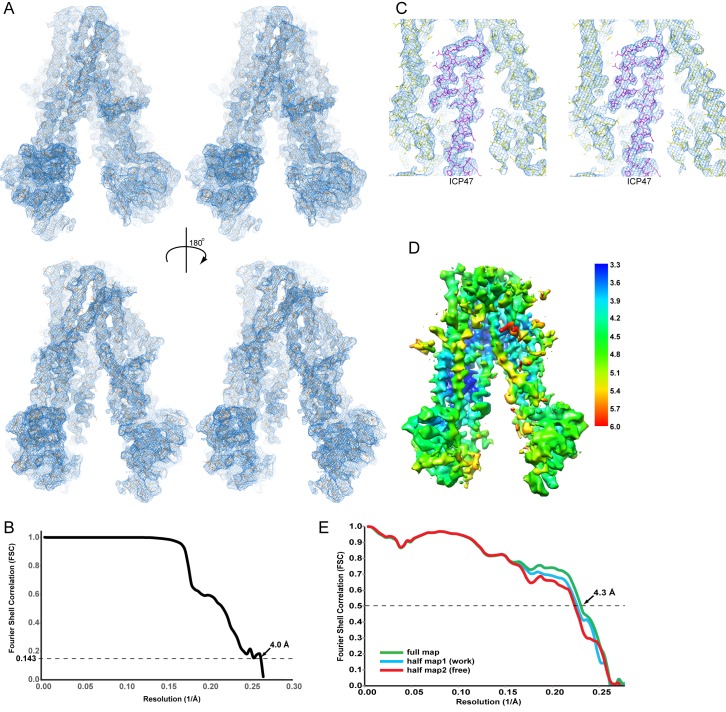
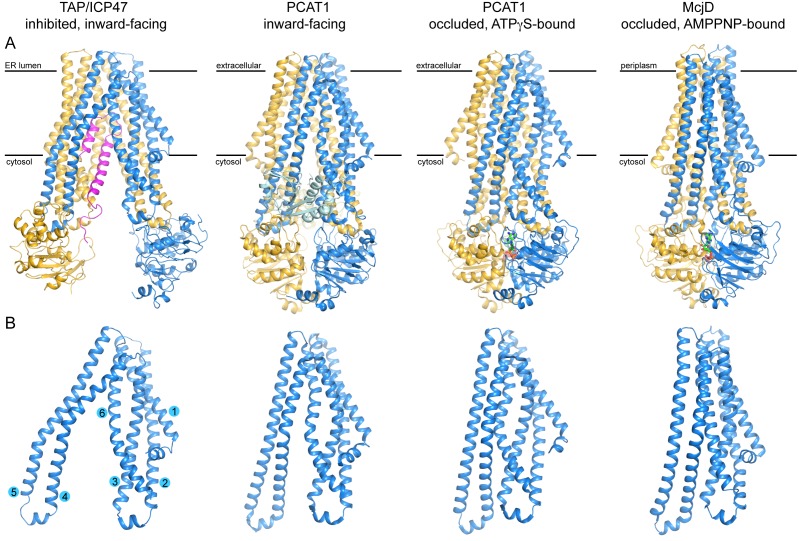
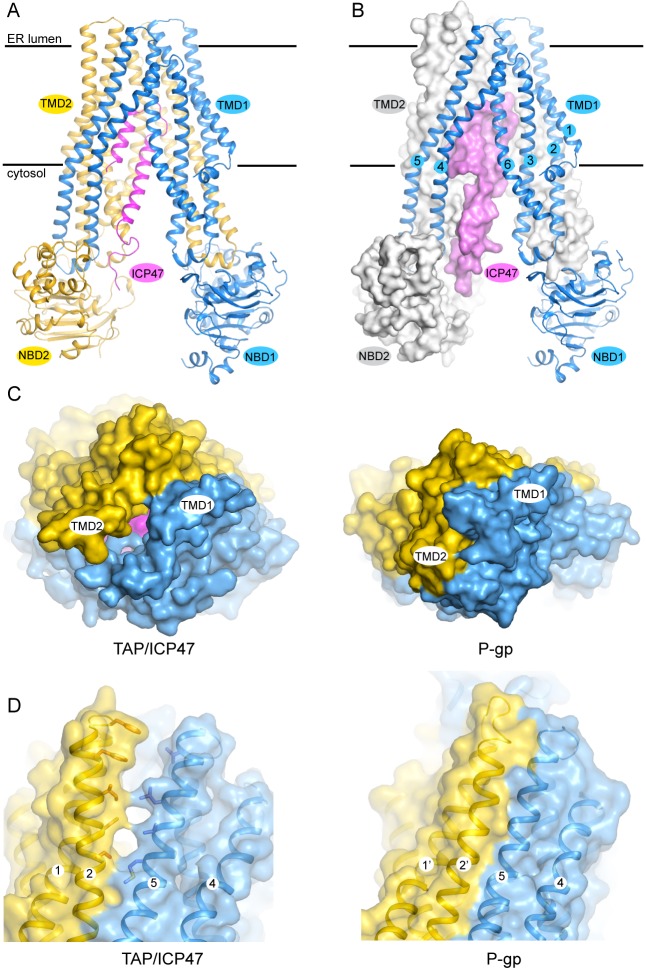
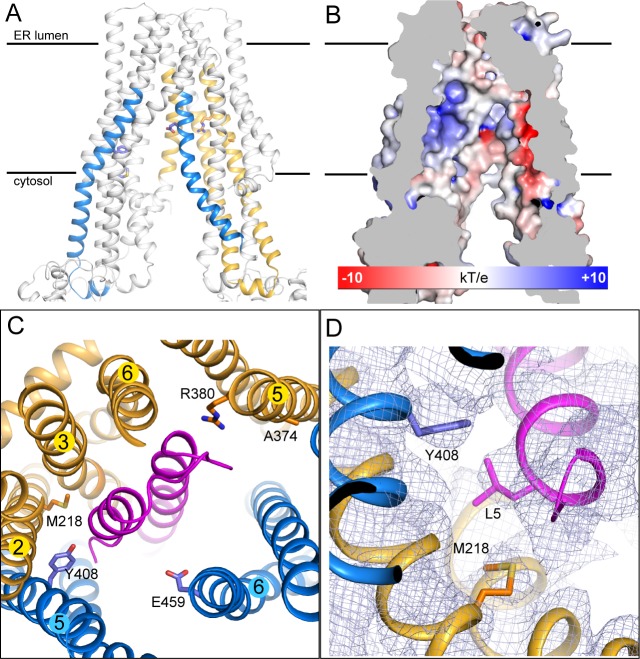
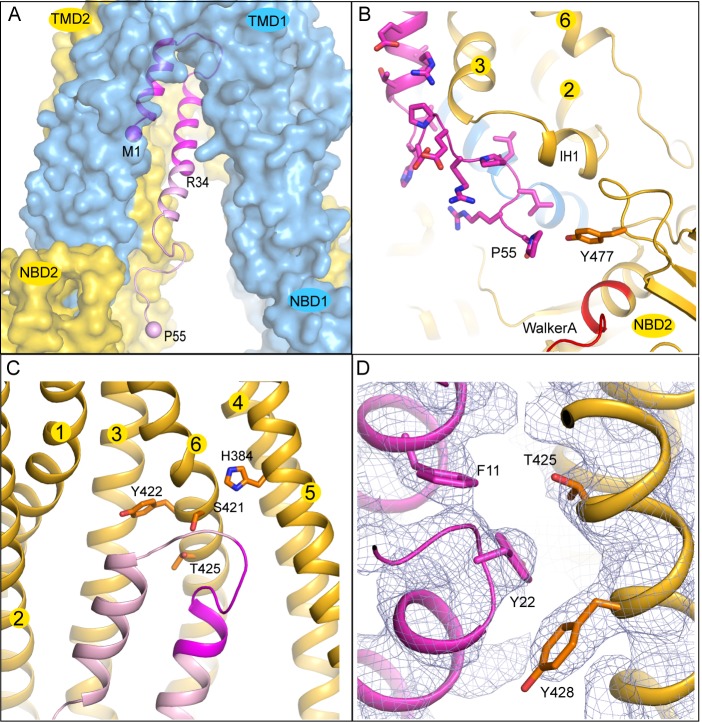
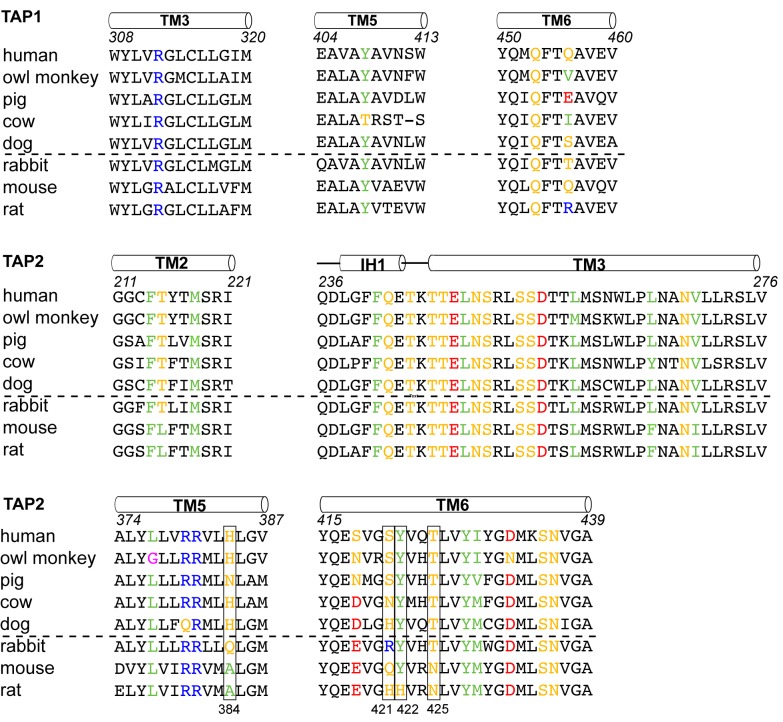
The transporter associated with antigen processing (TAP) is an ATP-binding cassette (ABC) transporter essential to cellular immunity against viral infection. Some persistent viruses have evolved strategies to inhibit TAP so that they may go undetected by the immune system. The herpes simplex virus for example evades immune surveillance by blocking peptide transport with a small viral protein ICP47. In this study, we determined the structure of human TAP bound to ICP47 by electron cryo-microscopy (cryo-EM) to 4.0 Å. The structure shows that ICP47 traps TAP in an inactive conformation distinct from the normal transport cycle. The specificity and potency of ICP47 inhibition result from contacts between the tip of the helical hairpin and the apex of the transmembrane cavity. This work provides a clear molecular description of immune evasion by a persistent virus. It also establishes the molecular structure of TAP to facilitate mechanistic studies of the antigen presentation process.
与抗原加工相关的转运体(TAP)是一种ATP结合盒(ABC)转运体,对细胞抵抗病毒感染的免疫至关重要。一些持续性病毒已经进化出抑制TAP的策略,以便它们可能不被免疫系统检测到。例如,单纯疱疹病毒通过一种小的病毒蛋白ICP47阻断肽转运来逃避免疫监视。在这项研究中,我们通过冷冻电子显微镜(cryo-EM)确定了与ICP47结合的人TAP的结构,分辨率达到4.0 Å。该结构表明,ICP47将TAP捕获在一种不同于正常转运循环的无活性构象中。ICP47抑制的特异性和效力源于螺旋发夹尖端与跨膜腔顶端之间的接触。这项工作提供了一种持续性病毒免疫逃逸的清晰分子描述。它还建立了TAP的分子结构,以促进对抗原呈递过程的机制研究。