Almeida Maria Luiza Mendes de, Feringer Walter Heinz, Carvalho Júlia Ribeiro Garcia, Rodrigues Isadora Mestriner, Jordão Lilian Rezende, Fonseca Mayara Gonçalves, Carneiro de Rezende Adalgiza Souza, de Queiroz Neto Antonio, Weese J Scott, Costa Márcio Carvalho da, Lemos Eliana Gertrudes de Macedo, Ferraz Guilherme de Camargo
Department of Technology, Faculdades de Ciências Agrárias e Veterinárias, UNESP Univ Estadual Paulista, Laboratório de Bioquímica de Microrganismos e Plantas, Jaboticabal, São Paulo, Brazil.
Department of Animal Morphology and Physiology, Faculdades de Ciências Agrárias e Veterinárias, UNESP Univ Estadual Paulista, Laboratório de Farmacologia e Fisiologia do Exercício Equino (LAFEQ), Jaboticabal, São Paulo, Brazil.
PLoS One. 2016 Dec 9;11(12):e0167108. doi: 10.1371/journal.pone.0167108. eCollection 2016.
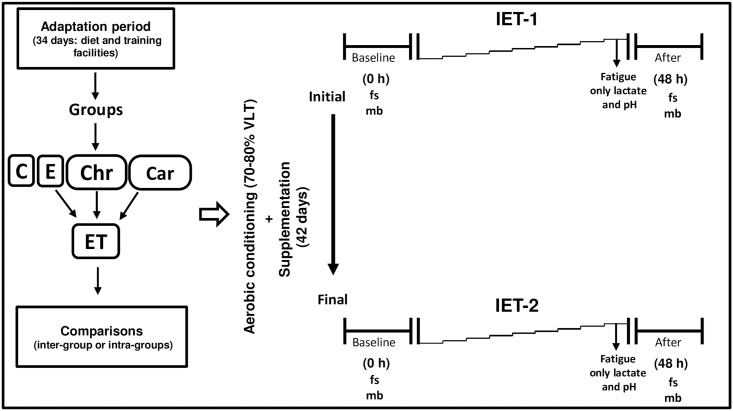
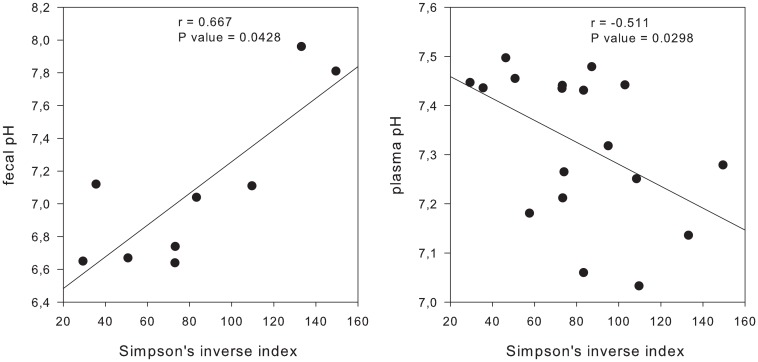
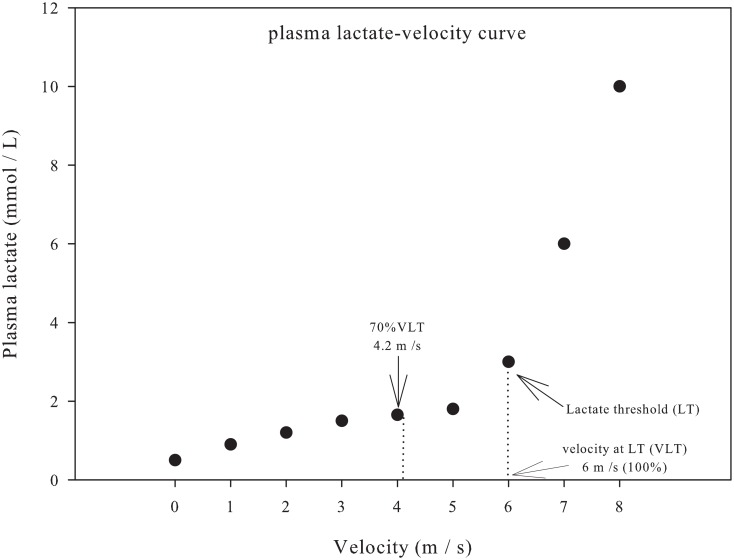
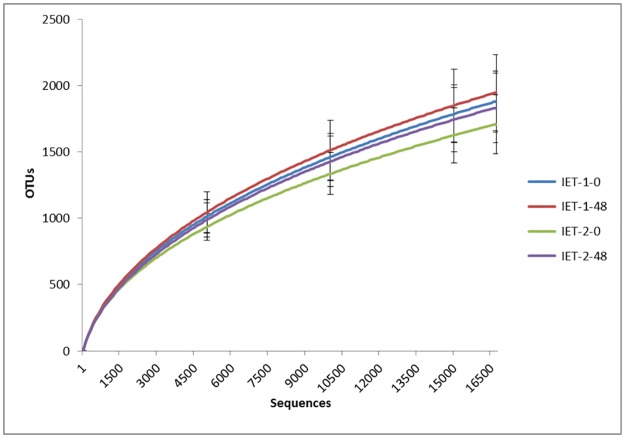
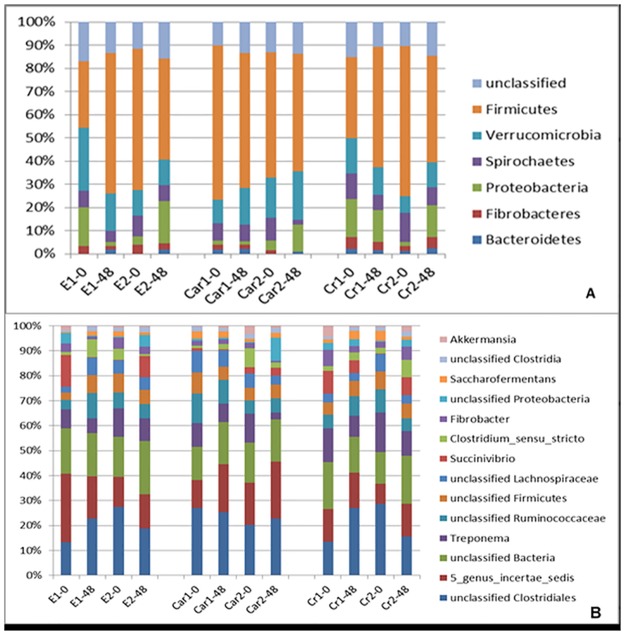
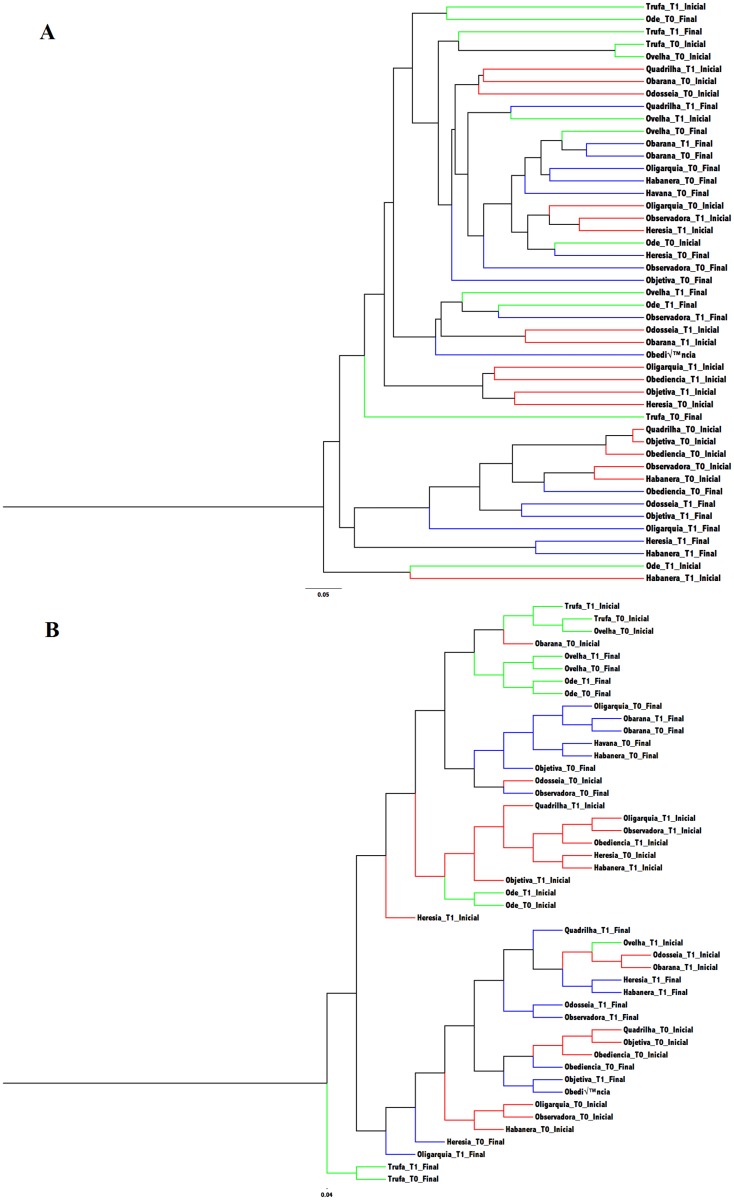
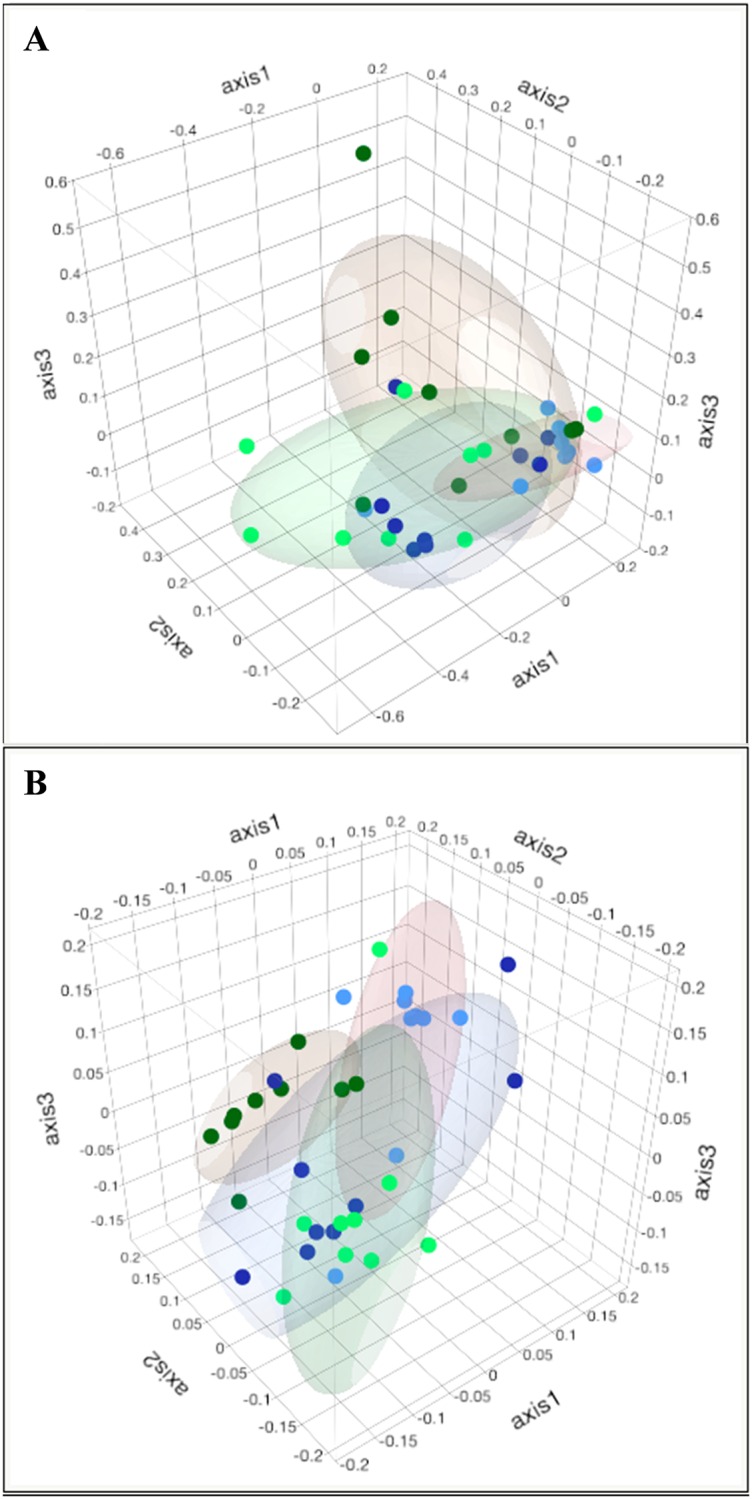
Recent studies performed in humans and rats have reported that exercise can alter the intestinal microbiota. Athletic horses perform intense exercise regularly, but studies characterizing horse microbiome during aerobic conditioning programs are still limited. Evidence has indicated that this microbial community is involved in the metabolic homeostasis of the host. Research on ergogenic substances using new sequencing technologies have been limited to the intestinal microbiota and there is a considerable demand for scientific studies that verify the effectiveness of these supplements in horses. L-carnitine and chromium are potentially ergogenic substances for athletic humans and horses since they are possibly able to modify the metabolism of carbohydrates and lipids. This study aimed to assess the impact of acute exercise and aerobic conditioning, associated either with L-carnitine or chromium supplementation, on the intestinal microbiota of fillies. Twelve "Mangalarga Marchador" fillies in the incipient fitness stage were distributed into four groups: control (no exercise), exercise, L-carnitine (10g/day) and chelated chromium (10mg/day). In order to investigate the impact of acute exercise or aerobic conditioning on fecal microbiota all fillies undergoing the conditioning program were analyzed as a separate treatment. The fillies underwent two incremental exercise tests before and after training on a treadmill for 42 days at 70-80% of the lactate threshold intensity. Fecal samples were obtained before and 48 h after acute exercise (incremental exercise test). Bacterial populations were characterized by sequencing the V4 region of the 16S rRNA gene using the MiSeq Illumina platform, and 5,224,389 sequences were obtained from 48 samples. The results showed that, overall, the two most abundant phyla were Firmicutes (50.22%) followed by Verrucomicrobia (15.13%). The taxa with the highest relative abundances were unclassified Clostridiales (17.06%) and "5 genus incertae sedis" from the phylum Verrucomicrobia (12.98%). There was a decrease in the phylum Chlamydiae and in the genus Mycobacterium after the second incremental exercise test. Intense exercise changed the community's structure and aerobic conditioning was associated with changes in the composition and structure of the intestinal bacterial population of fillies. The intra-group comparison showed that chromium or L-carnitine induced moderate changes in the fecal microbiota of fillies, but the microbiota did not differ from the control group, which was exercised with no supplementation. Fecal pH correlated positively with Simpson's index, while plasma pH correlated negatively. Our results show that exercise and aerobic conditioning can change in the microbiota and provide a basis for further studies enrolling a larger number of horses at different fitness levels to better understand the effects of exercise and training on the intestinal microbiota of horses.
最近在人类和大鼠身上进行的研究报告称,运动可以改变肠道微生物群。运动马会定期进行高强度运动,但关于有氧训练计划期间马的微生物组特征的研究仍然有限。有证据表明,这种微生物群落参与宿主的代谢稳态。使用新测序技术对促力物质的研究仅限于肠道微生物群,并且迫切需要科学研究来验证这些补充剂对马的有效性。左旋肉碱和铬对运动员和运动马来说可能是促力物质,因为它们可能能够改变碳水化合物和脂质的代谢。本研究旨在评估急性运动和有氧训练,以及左旋肉碱或铬补充剂对小雌马肠道微生物群的影响。12匹处于初始健康阶段的“曼加腊加·马尔沙多”小雌马被分为四组:对照组(不运动)、运动组、左旋肉碱组(10克/天)和螯合铬组(10毫克/天)。为了研究急性运动或有氧训练对粪便微生物群的影响,所有接受训练计划的小雌马都作为单独的处理进行分析。小雌马在跑步机上以乳酸阈值强度的70-80%进行42天训练前后,进行了两次递增运动测试。在急性运动(递增运动测试)前和运动后48小时采集粪便样本。使用Illumina MiSeq平台对16S rRNA基因的V4区域进行测序来表征细菌种群,从48个样本中获得了5,224,389个序列。结果表明,总体而言,最丰富的两个门是厚壁菌门(50.22%),其次是疣微菌门(15.13%)。相对丰度最高的分类群是未分类的梭菌目(17.06%)和疣微菌门中的“5个未定属”(12.98%)。在第二次递增运动测试后,衣原体门和分枝杆菌属有所减少。剧烈运动改变了群落结构,有氧训练与小雌马肠道细菌种群的组成和结构变化有关。组内比较表明,铬或左旋肉碱引起了小雌马粪便微生物群的适度变化,但微生物群与未补充任何物质的运动对照组没有差异。粪便pH值与辛普森指数呈正相关,而血浆pH值呈负相关。我们的研究结果表明,运动和有氧训练会改变微生物群,并为进一步研究提供了基础,即纳入更多不同健康水平的马匹,以更好地了解运动和训练对马肠道微生物群的影响。