Department of Biology, Norwegian University of Science and Technology (NTNU), Realfagbygget, NO-7491 Trondheim, Norway.
Plant Research International, Wageningen UR, Droevendaalsesteeg 1, 6708 PB Wageningen, The Netherlands.
Sci Rep. 2016 Dec 15;6:38990. doi: 10.1038/srep38990.
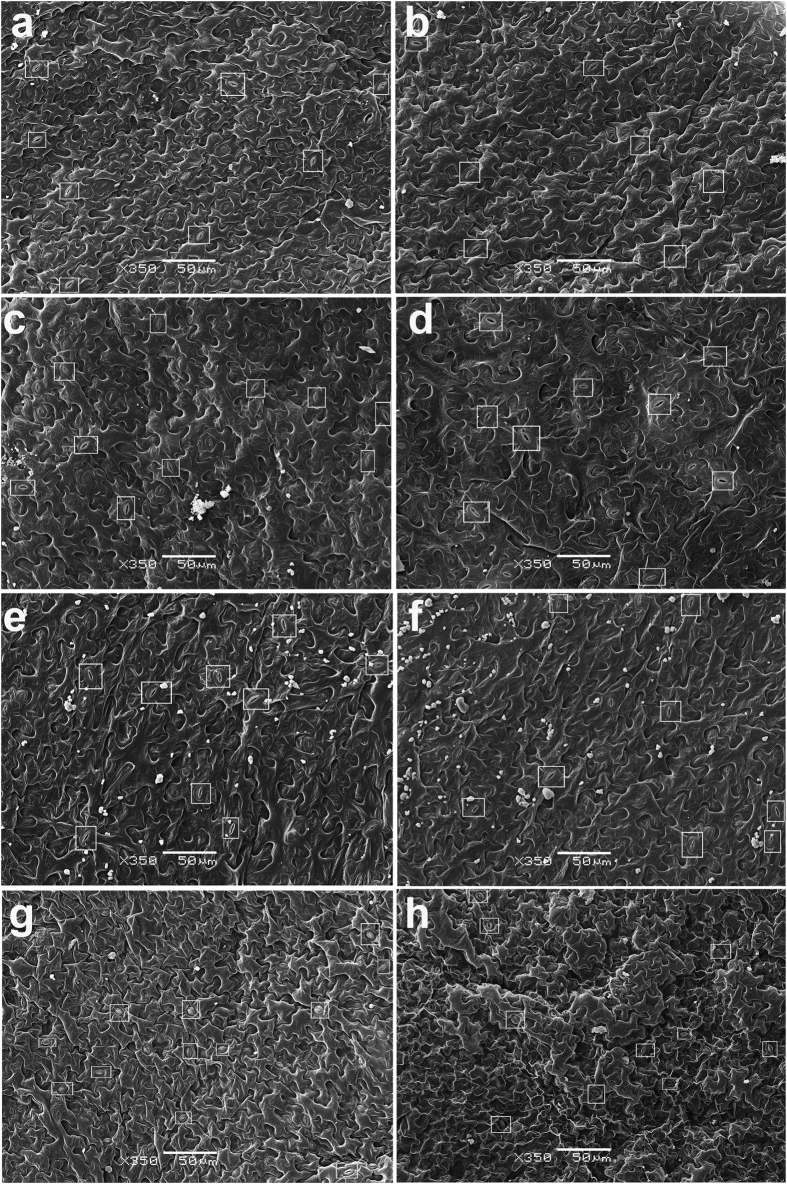
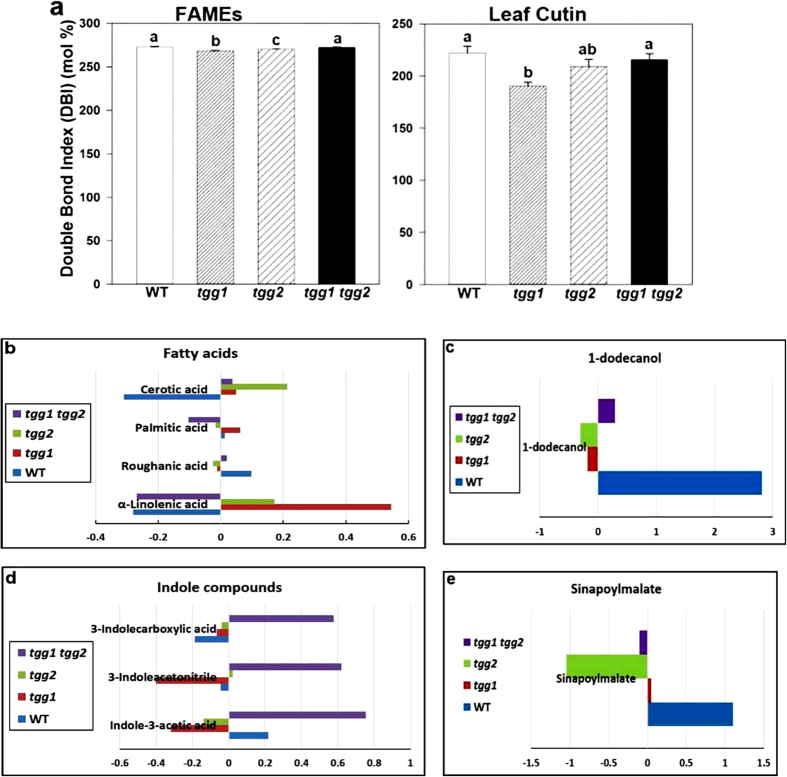
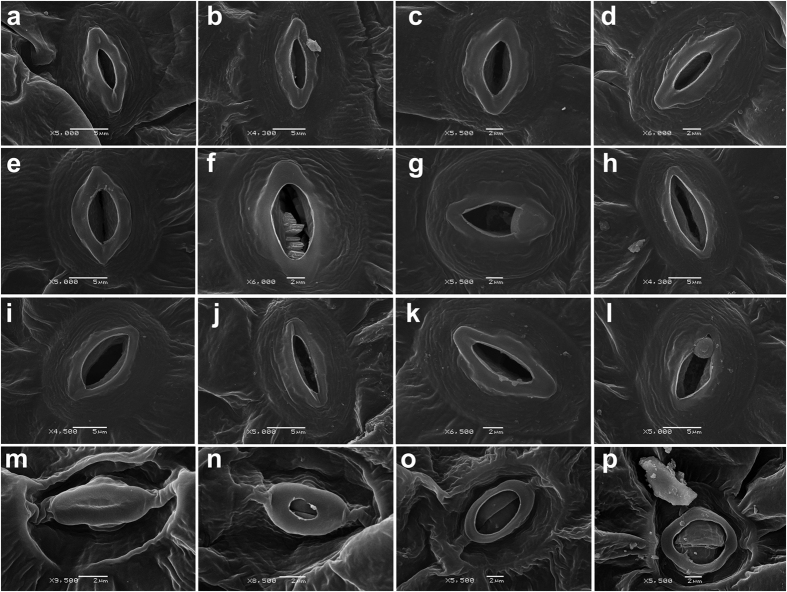
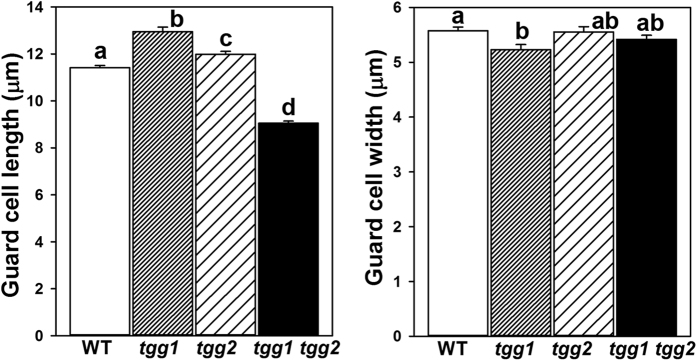
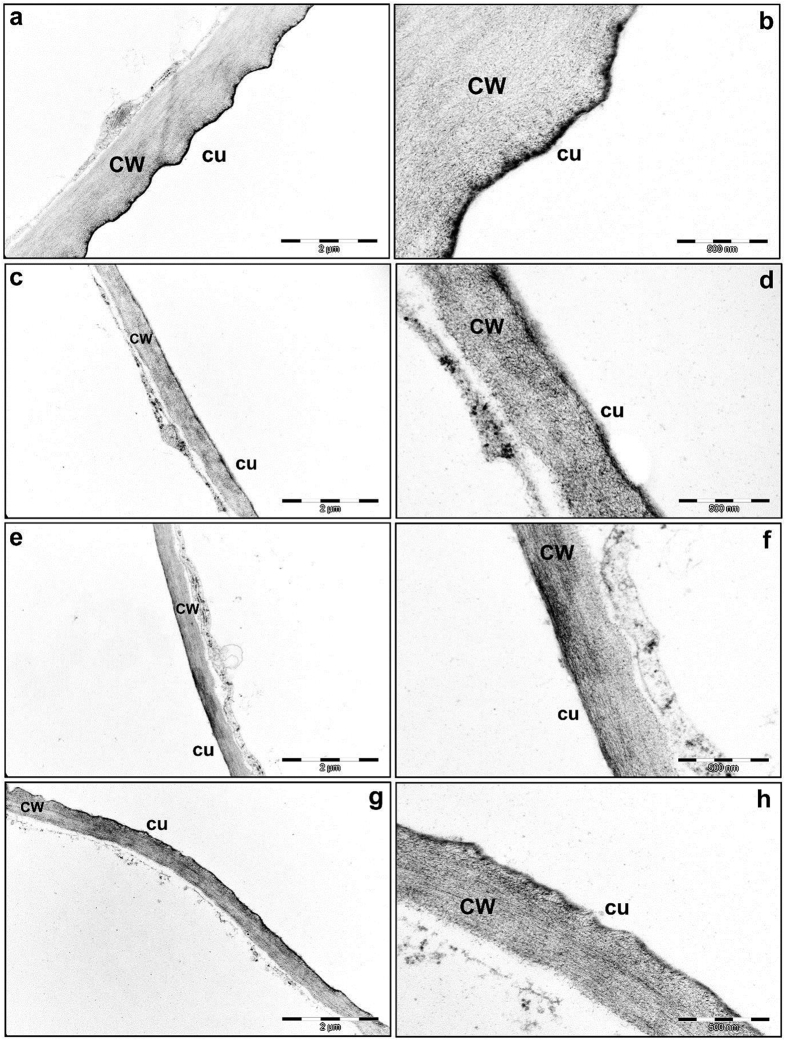
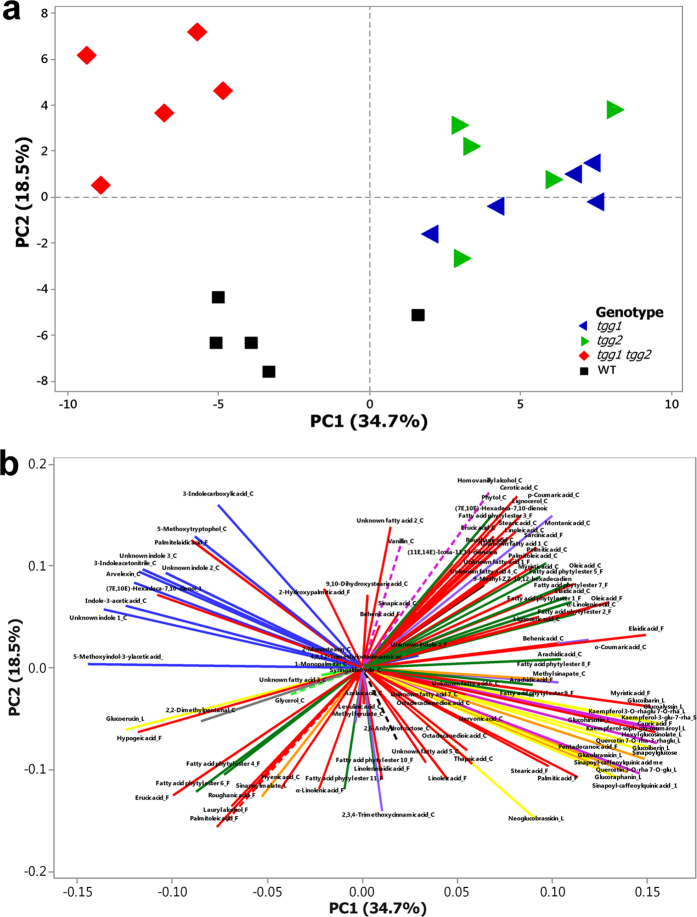
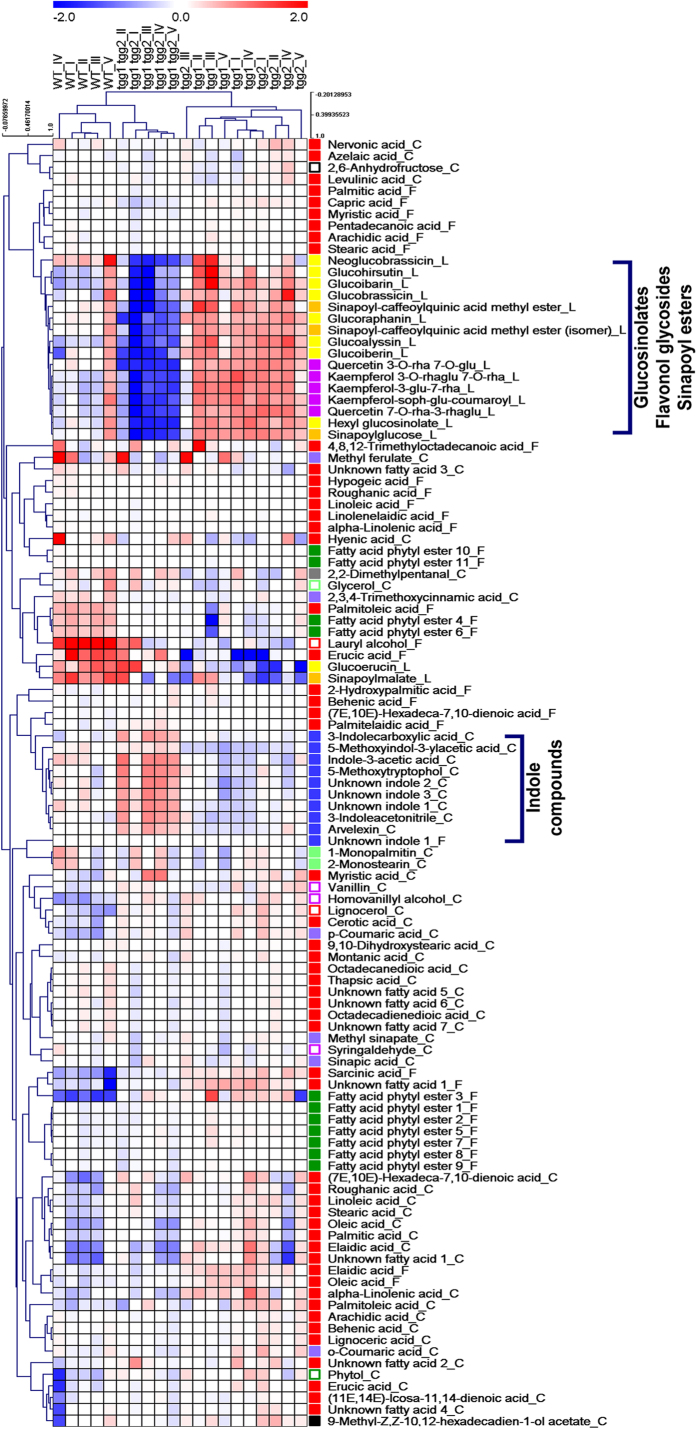
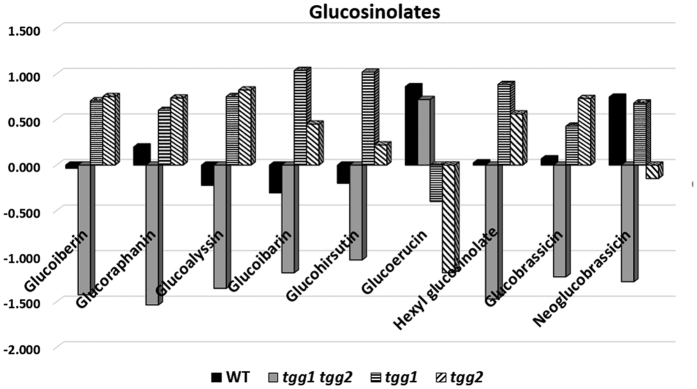
Both physical barriers and reactive phytochemicals represent two important components of a plant's defence system against environmental stress. However, these two defence systems have generally been studied independently. Here, we have taken an exclusive opportunity to investigate the connection between a chemical-based plant defence system, represented by the glucosinolate-myrosinase system, and a physical barrier, represented by the cuticle, using Arabidopsis myrosinase (thioglucosidase; TGG) mutants. The tgg1, single and tgg1 tgg2 double mutants showed morphological changes compared to wild-type plants visible as changes in pavement cells, stomatal cells and the ultrastructure of the cuticle. Extensive metabolite analyses of leaves from tgg mutants and wild-type Arabidopsis plants showed altered levels of cuticular fatty acids, fatty acid phytyl esters, glucosinolates, and indole compounds in tgg single and double mutants as compared to wild-type plants. These results point to a close and novel association between chemical defence systems and physical defence barriers.
物理屏障和反应性植物化学物质是植物抵御环境胁迫的防御系统的两个重要组成部分。然而,这两个防御系统通常是分开研究的。在这里,我们利用拟南芥芥子酶(硫葡糖苷酶;TGG)突变体,专门研究了以硫葡糖苷酶-黑芥子酶系统为代表的化学防御系统与以角质层为代表的物理屏障之间的联系。与野生型植物相比,tgg1、单突变体和 tgg1 tgg2 双突变体的形态发生了变化,表现在叶表皮细胞、气孔细胞和角质层的超微结构的变化。tgg 突变体和野生型拟南芥叶片的广泛代谢物分析显示,与野生型植物相比,tgg 单突变体和双突变体中角质层脂肪酸、脂肪酸植基酯、硫代葡萄糖苷和吲哚化合物的水平发生了改变。这些结果表明,化学防御系统和物理防御屏障之间存在密切而新颖的联系。