Yu Yang, Cui Yuxiang, Niedernhofer Laura J, Wang Yinsheng
Department of Metabolism and Aging, The Scripps Research Institute Florida , Jupiter, Florida 33458, United States.
Chem Res Toxicol. 2016 Dec 19;29(12):2008-2039. doi: 10.1021/acs.chemrestox.6b00265. Epub 2016 Nov 7.
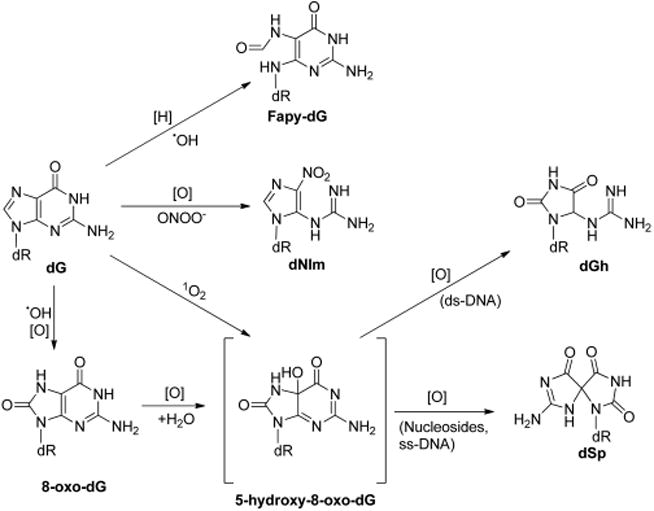
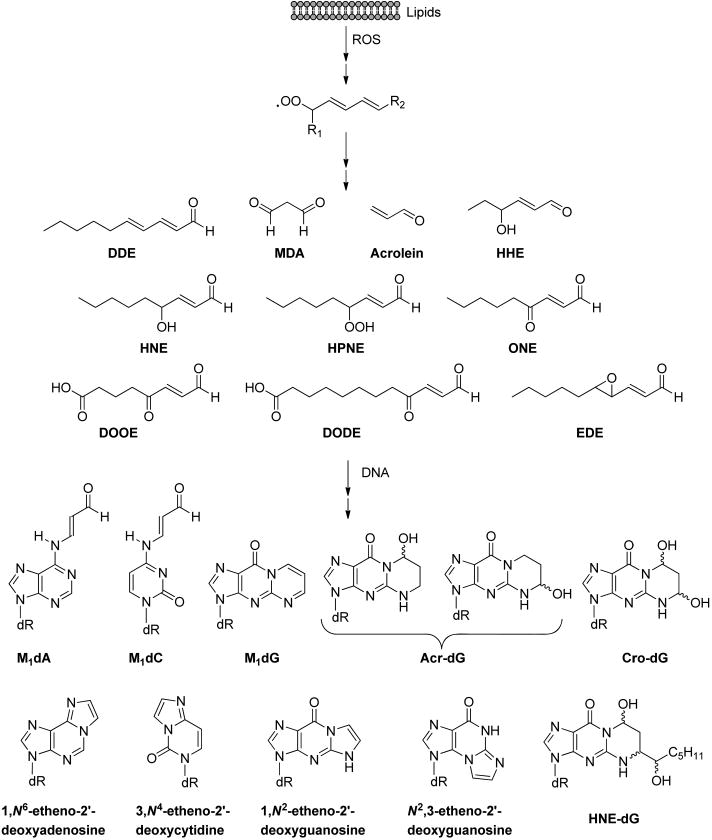
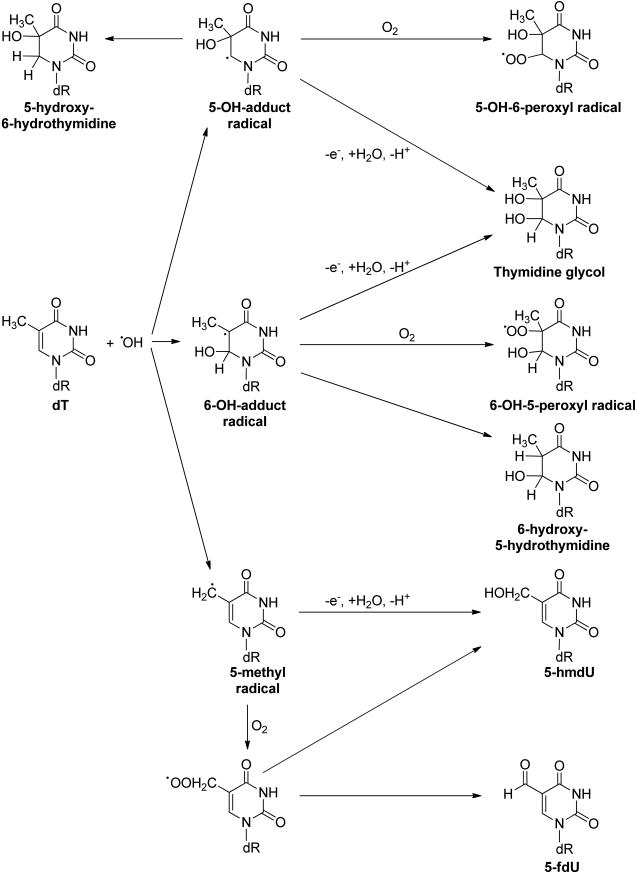
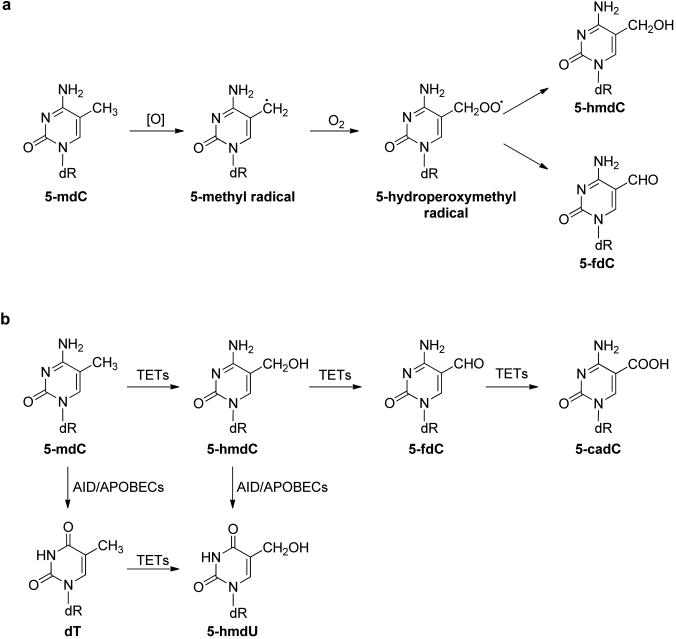
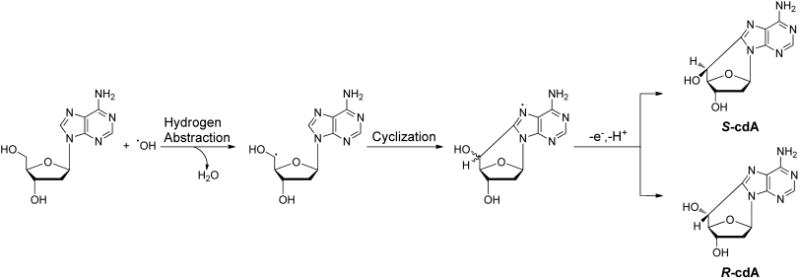
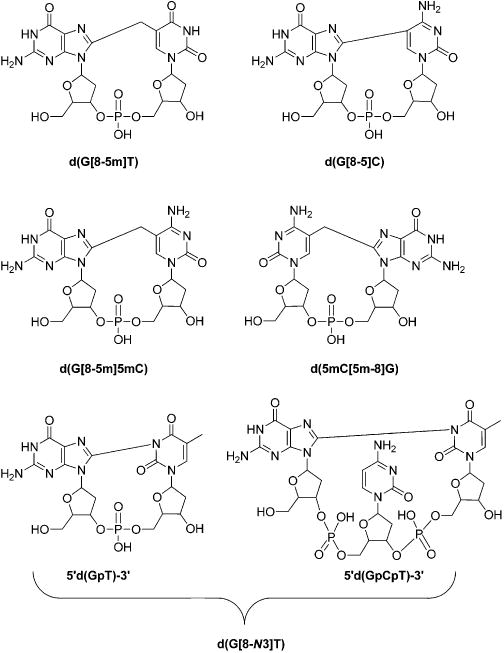
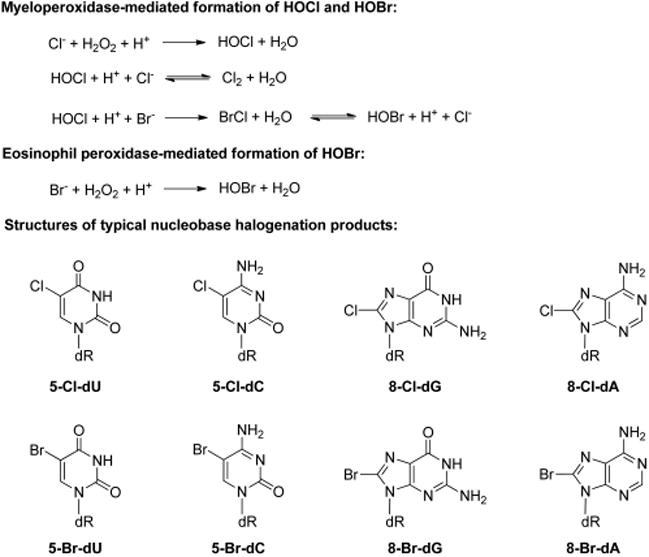
A variety of endogenous and exogenous agents can induce DNA damage and lead to genomic instability. Reactive oxygen species (ROS), an important class of DNA damaging agents, are constantly generated in cells as a consequence of endogenous metabolism, infection/inflammation, and/or exposure to environmental toxicants. A wide array of DNA lesions can be induced by ROS directly, including single-nucleobase lesions, tandem lesions, and hypochlorous acid (HOCl)/hypobromous acid (HOBr)-derived DNA adducts. ROS can also lead to lipid peroxidation, whose byproducts can also react with DNA to produce exocyclic DNA lesions. A combination of bioanalytical chemistry, synthetic organic chemistry, and molecular biology approaches have provided significant insights into the occurrence, repair, and biological consequences of oxidatively induced DNA lesions. The involvement of these lesions in the etiology of human diseases and aging was also investigated in the past several decades, suggesting that the oxidatively induced DNA adducts, especially bulky DNA lesions, may serve as biomarkers for exploring the role of oxidative stress in human diseases. The continuing development and improvement of LC-MS/MS coupled with the stable isotope-dilution method for DNA adduct quantification will further promote research about the clinical implications and diagnostic applications of oxidatively induced DNA adducts.
多种内源性和外源性因素可诱导DNA损伤并导致基因组不稳定。活性氧(ROS)是一类重要的DNA损伤剂,由于内源性代谢、感染/炎症和/或接触环境毒物,细胞中会不断产生ROS。ROS可直接诱导多种DNA损伤,包括单核苷酸碱基损伤、串联损伤以及次氯酸(HOCl)/次溴酸(HOBr)衍生的DNA加合物。ROS还可导致脂质过氧化,其副产物也可与DNA反应产生环外DNA损伤。生物分析化学、合成有机化学和分子生物学方法的结合,为氧化诱导的DNA损伤的发生、修复及生物学后果提供了重要见解。在过去几十年中,人们还研究了这些损伤在人类疾病和衰老病因中的作用,这表明氧化诱导的DNA加合物,尤其是大分子DNA损伤,可能作为探索氧化应激在人类疾病中作用的生物标志物。液相色谱-串联质谱(LC-MS/MS)与稳定同位素稀释法相结合用于DNA加合物定量的持续发展和改进,将进一步推动关于氧化诱导的DNA加合物的临床意义和诊断应用的研究。