Yang Lin, Yang Hui-Lin, Tu Zong-Cai, Wang Xiao-Lan
Key Lab of Protection and Utilization of Subtropic Plant Resources of Jiangxi Province, Jiangxi Normal University, Nanchang, China.
PLoS One. 2016 Dec 19;11(12):e0168166. doi: 10.1371/journal.pone.0168166. eCollection 2016.
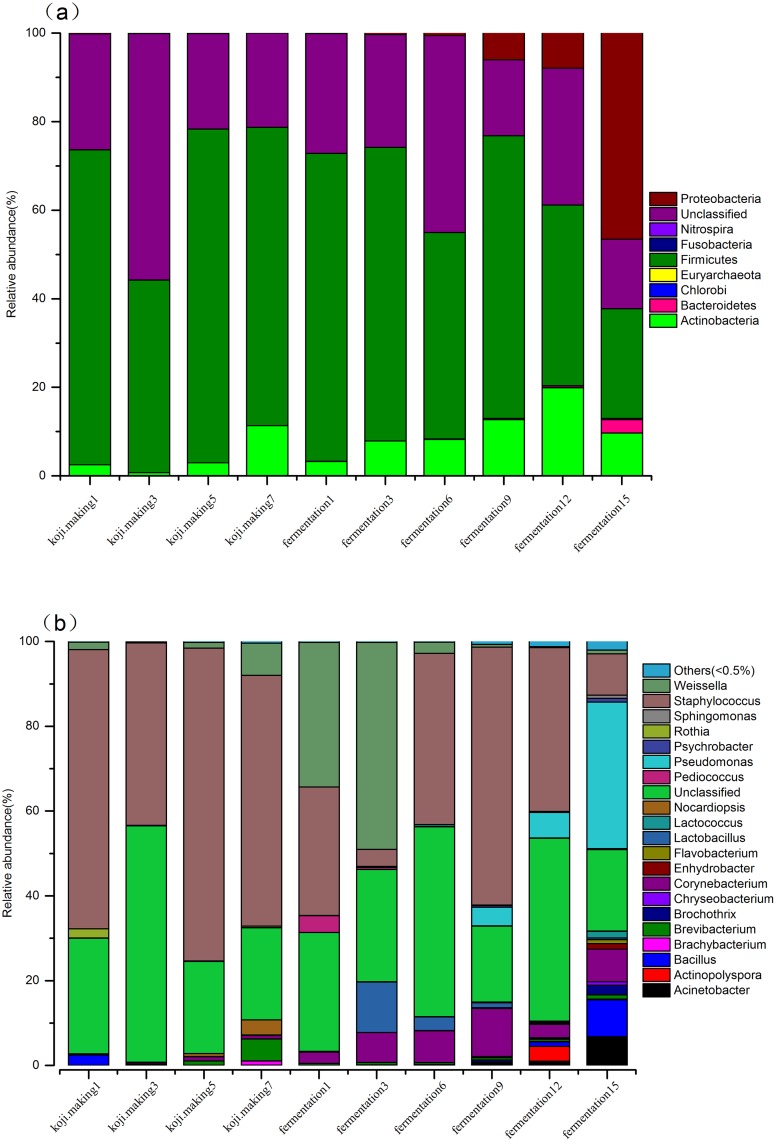
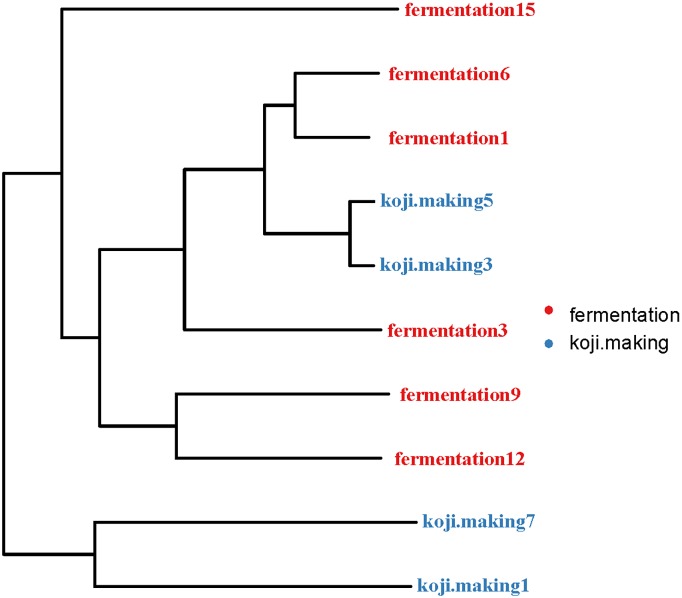
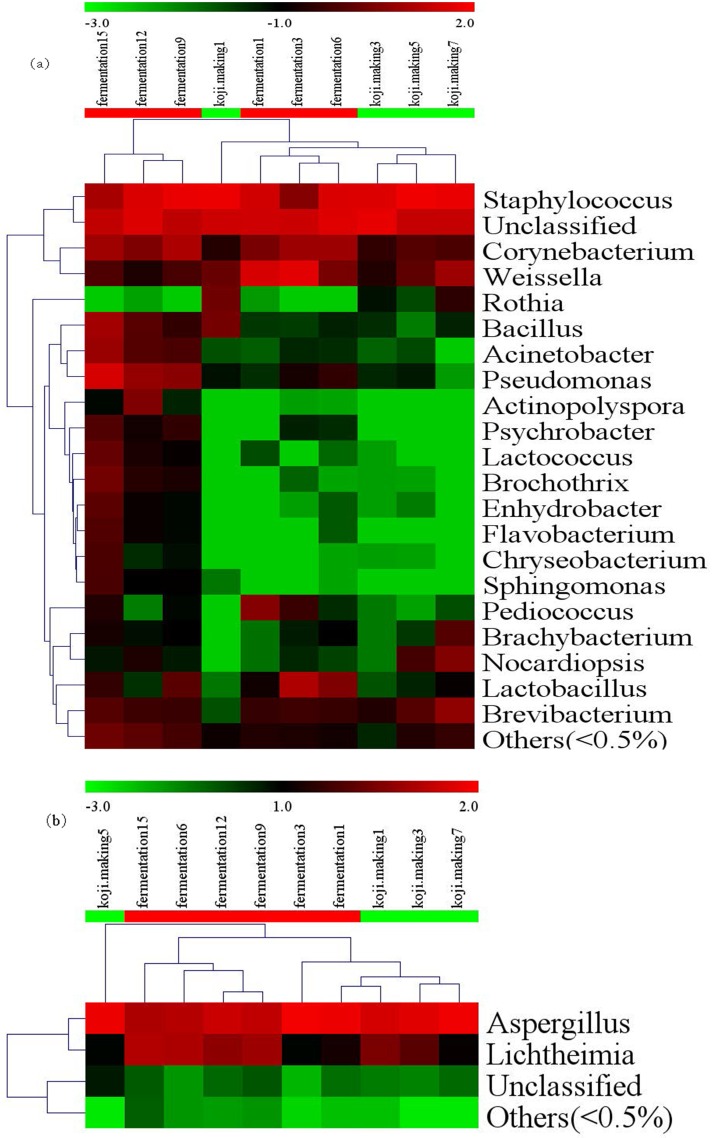
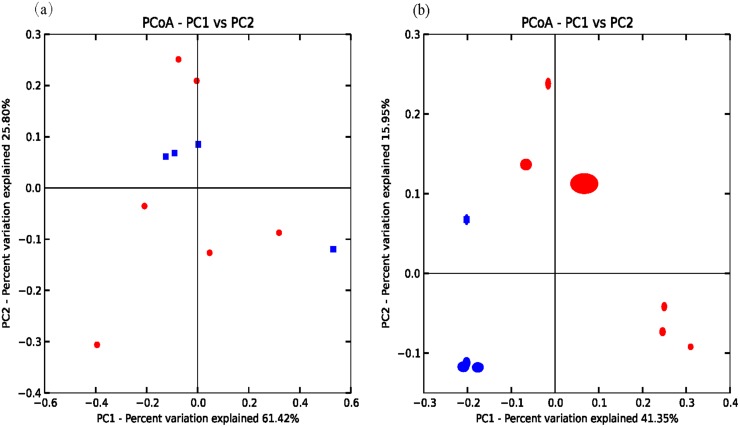
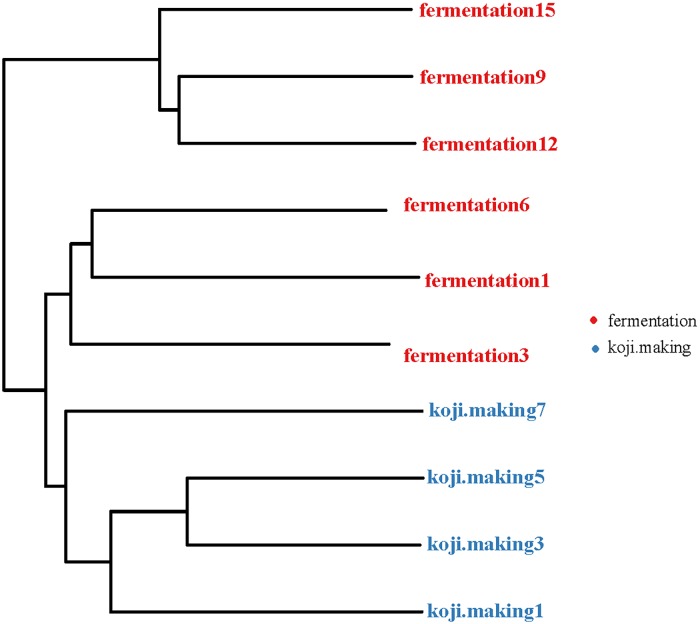
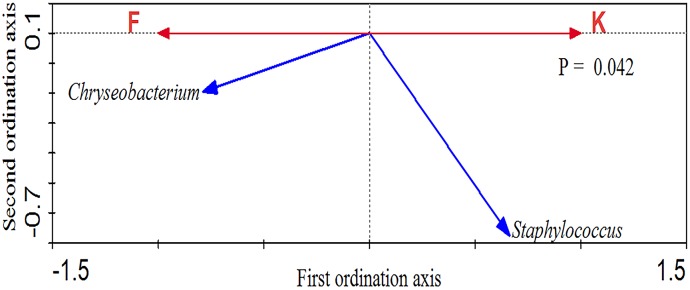
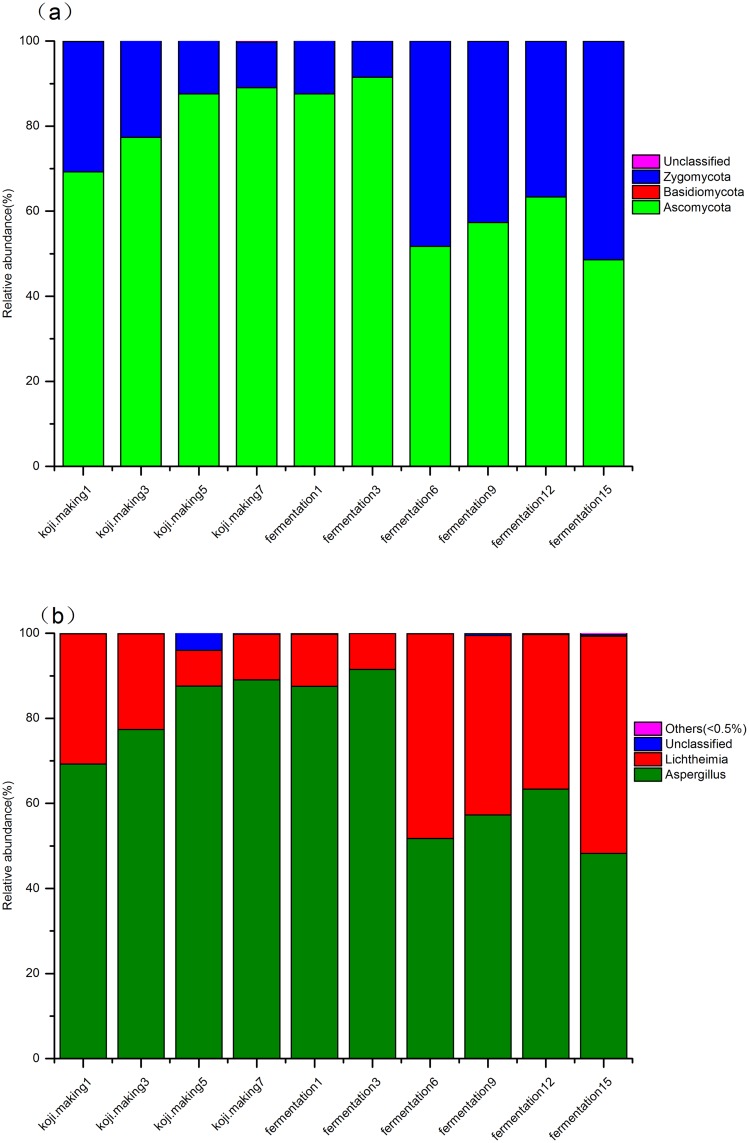
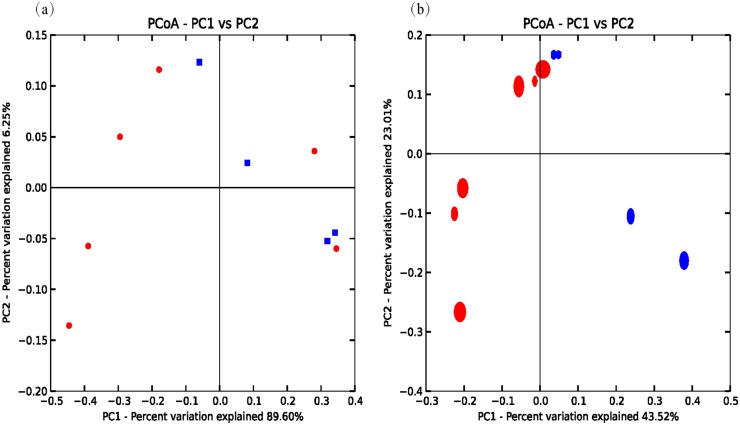
Douchi is a type of Chinese traditional fermented food that is an important source of protein and is used in flavouring ingredients. The end product is affected by the microbial community present during fermentation, but exactly how microbes influence the fermentation process remains poorly understood. We used an Illumina MiSeq approach to investigate bacterial and fungal community diversity during both douchi-koji making and fermentation. A total of 181,443 high quality bacterial 16S rRNA sequences and 221,059 high quality fungal internal transcribed spacer reads were used for taxonomic classification, revealing eight bacterial and three fungal phyla. Firmicutes, Actinobacteria and Proteobacteria were the dominant bacterial phyla, while Ascomycota and Zygomycota were the dominant fungal phyla. At the genus level, Staphylococcus and Weissella were the dominant bacteria, while Aspergillus and Lichtheimia were the dominant fungi. Principal coordinate analysis showed structural separation between the composition of bacteria in koji making and fermentation. However, multivariate analysis of variance based on unweighted UniFrac distances did identify distinct differences (p <0.05), and redundancy analysis identified two key genera that are largely responsible for the differences in bacterial composition between the two steps. Staphylococcus was enriched in koji making, while Corynebacterium was enriched in fermentation. This is the first investigation to integrate douchi fermentation and koji making and fermentation processes through this technological approach. The results provide insight into the microbiome of the douchi fermentation process, and reveal a structural separation that may be stratified by the environment during the production of this traditional fermented food.
豆豉是一种中国传统发酵食品,是蛋白质的重要来源,并用于调味成分。最终产品受发酵过程中存在的微生物群落影响,但微生物究竟如何影响发酵过程仍知之甚少。我们使用Illumina MiSeq方法研究豆豉制曲和发酵过程中的细菌和真菌群落多样性。总共181,443条高质量细菌16S rRNA序列和221,059条高质量真菌内转录间隔区读数用于分类学分类,揭示了八个细菌门和三个真菌门。厚壁菌门、放线菌门和变形菌门是主要的细菌门,而子囊菌门和接合菌门是主要的真菌门。在属水平上,葡萄球菌和魏斯氏菌是主要细菌,而曲霉和 Lichtheimia 是主要真菌。主坐标分析表明制曲和发酵过程中细菌组成存在结构分离。然而,基于未加权UniFrac距离的多变量方差分析确实发现了明显差异(p <0.05),冗余分析确定了两个关键属,它们在很大程度上导致了两个步骤之间细菌组成的差异。葡萄球菌在制曲过程中富集,而棒状杆菌在发酵过程中富集。这是首次通过这种技术方法将豆豉发酵与制曲和发酵过程整合起来的研究。研究结果为豆豉发酵过程的微生物群落提供了见解,并揭示了在这种传统发酵食品生产过程中可能因环境而分层的结构分离。