Pezzola Anthony, Sweet Cassandra M
Instituto de Ciencia Política, Pontificia Universidad Católica de Chile, Av. Vicuña Mackenna 4860, Campus San Joaquín, Macul, 7820436, Santiago, Chile.
Global Health. 2016 Dec 20;12(1):85. doi: 10.1186/s12992-016-0208-2.
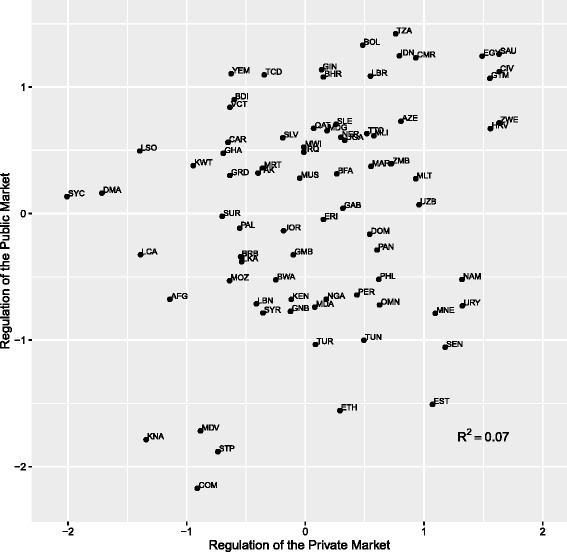
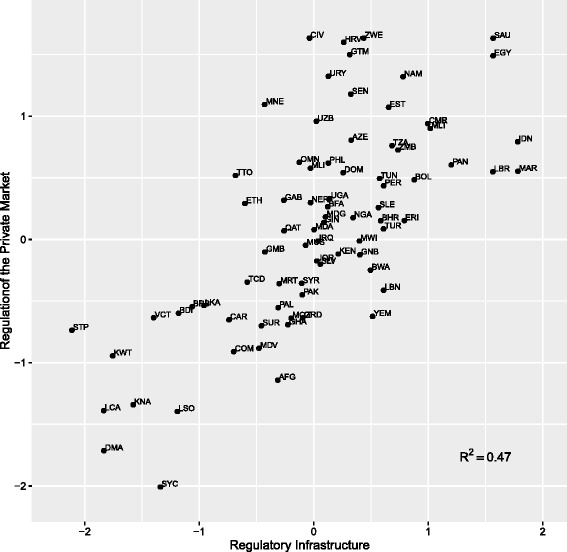
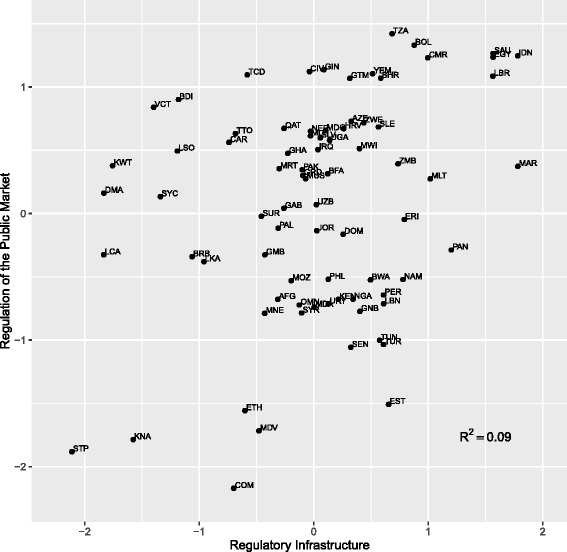
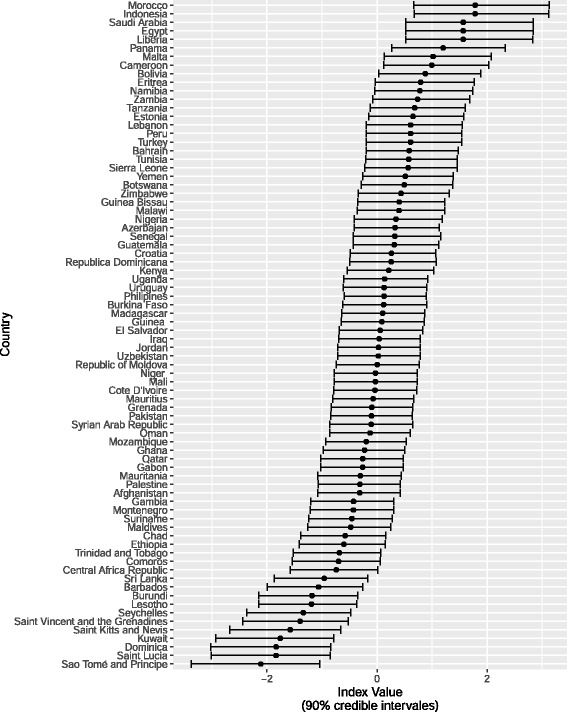
This paper has set out to map the state of pharmaceutical regulation in the developing world through the construction of cross-national indices drawing from World Health Organization data. The last two decades have been characterized by deep changes for the pharmaceutical sector, including the complete transformation of intellectual property systems at the behest of the World Trade Organization and the consolidation of global active ingredient suppliers in China and India. Although the rules for ownership of medicine have been set and globally implemented, we know surprisingly little about how the standards for market entrance and regulation of pharmaceutical products have changed at the national level. How standardized are national pharmaceutical market systems? Do we find homogeneity or variation across the developing world? Are their patterns for understanding why some countries have moved closer to one global norm for pharmaceutical regulation and others have developed hybrid models for oversight of this sector? Access to medicine is a core tool in public health. This paper gauges the levels of standards in public and private generics markets for developing countries building on national-level pharmaceutical market surveys for 78 countries to offer three indicators of market oversight: State Regulatory Infrastructure, Monitoring the Private Market and Public Quality Control. Identifying the different variables that affect a state's institutional capacity and current standard level offers new insights to the state of pharmaceuticals in the developing world. It is notable that there are very few (none at the time of this paper) studies that map out the new global terrain for pharmaceutical regulation in the post-TRIPS context.
This paper uses item response theory to develop original indicators of pharmaceutical regulation. We find remarkable resistance to the implementation of global pharmaceutical norms for quality standards in developing states and in regulatory infrastructure. Human capacity across many developing countries remains limited. Most notably, variation among states is stark. Countries that have been leaders in establishing global norms do not appear to have influenced their neighbors in establishing regional patterns. Finally, in contrast to traditional theories of international norms diffusion, global standard-setters such as the United States or European Union appear to have surprisingly little influence on standard setting across our survey.
Our research has implications for the framing of technical support on public health initiatives aimed at strengthening local public institutions in medicine and offers a new methodological approach for analyzing drug regulation systems in developing countries.
本文旨在通过构建基于世界卫生组织数据的跨国指数,描绘发展中国家药品监管的状况。过去二十年,制药行业发生了深刻变革,包括应世界贸易组织要求对知识产权制度进行的全面改革,以及中国和印度全球活性成分供应商的整合。尽管药品所有权规则已制定并在全球实施,但我们对国家层面药品市场准入和产品监管标准如何变化却知之甚少。国家药品市场体系的标准化程度如何?我们在整个发展中国家看到的是同质化还是差异?是否存在一些模式可以解释为什么一些国家更接近药品监管的一个全球规范,而其他国家则发展出混合监管模式?药品可及性是公共卫生的核心工具。本文基于对78个国家的国家层面药品市场调查,衡量发展中国家公共和私营仿制药市场的标准水平,以提供市场监管的三个指标:国家监管基础设施、对私营市场的监测和公共质量控制。确定影响一个国家机构能力和当前标准水平的不同变量,为发展中国家的药品状况提供了新的见解。值得注意的是,很少有(在撰写本文时没有)研究描绘出后《与贸易有关的知识产权协定》背景下药品监管的新全球格局。
本文使用项目反应理论来开发药品监管的原始指标。我们发现,发展中国家以及监管基础设施对全球药品质量标准规范的实施存在显著阻力。许多发展中国家的人力能力仍然有限。最值得注意的是,各国之间的差异很大。在建立全球规范方面处于领先地位的国家似乎并未在建立区域模式方面影响其邻国。最后,与国际规范传播的传统理论相反,美国或欧盟等全球标准制定者在我们的调查中对标准制定的影响似乎出奇地小。
我们的研究对旨在加强当地药品公共机构的公共卫生倡议的技术支持框架具有启示意义,并为分析发展中国家的药品监管系统提供了一种新的方法论。