Benito Ángel, Calderón Fernando, Benito Santiago
Chemistry and Food Technology Department, Polytechnic University of Madrid, Avenida Complutense S/N, 28040 Madrid, Spain.
Molecules. 2016 Dec 18;21(12):1744. doi: 10.3390/molecules21121744.
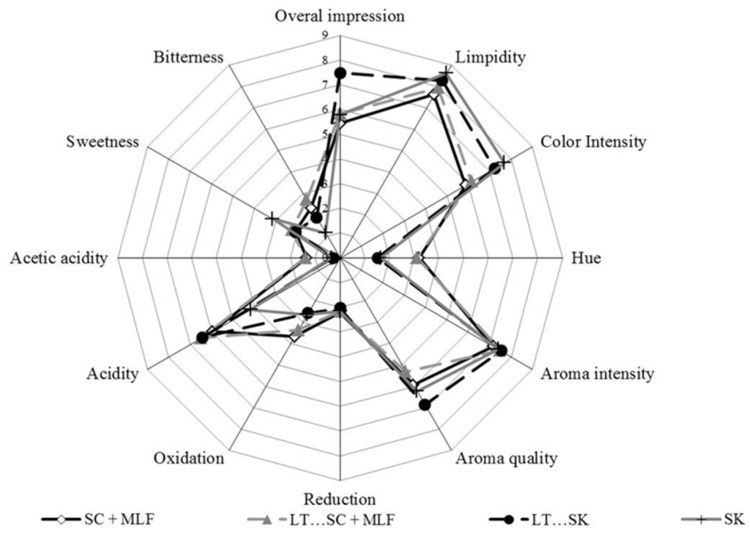
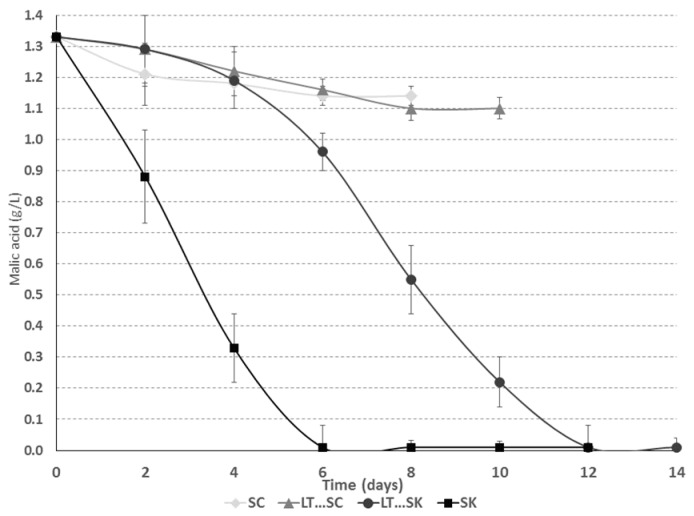
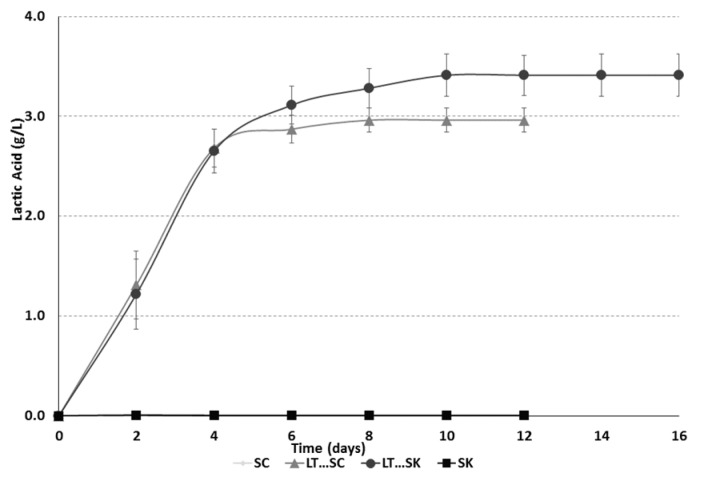
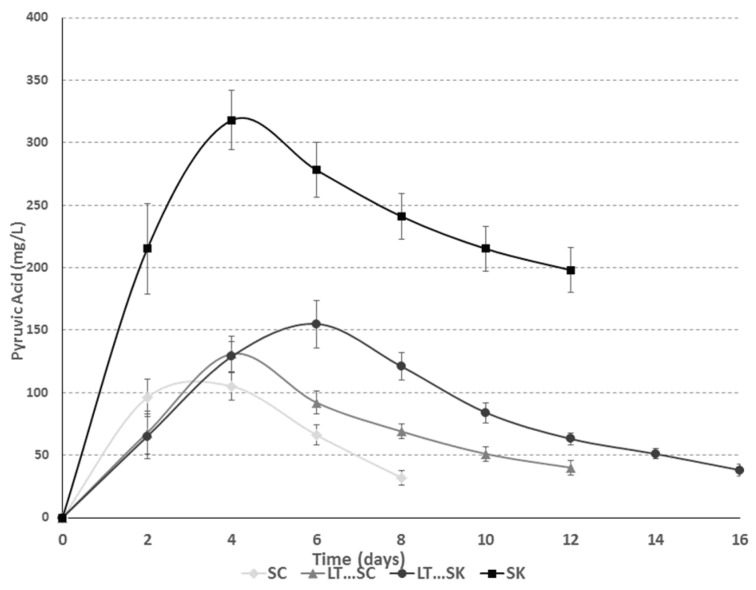
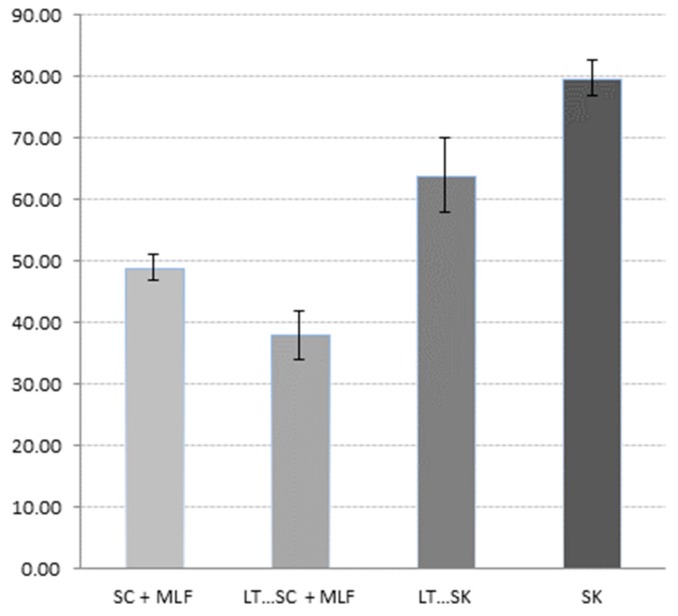
The most common way to produce red wine is through the use of strains for alcoholic fermentation and lactic acid bacteria for malolactic fermentation. This traditional winemaking methodology produces microbiologically stable red wines. However, under specific conditions off-flavours can occur, wine quality can suffer and human health problems are possible, especially after the second fermentation by the lactic acid bacteria. In warm countries, problems during the malolactic fermentation arise because of the high pH of the must, which makes it very difficult to properly control the process. Under such conditions, wines with high acetic acid and histamine concentrations are commonly produced. This study investigates a recent red wine-making technology that uses a combination of and as an alternative to the conventional malolactic fermentation. This work studies new parameters such as aroma compounds, amino acids, ethanol index and sensory evaluation. totally consumes malic acid while produces lactic acid, avoiding excessive deacidification of musts with low acidity in warm viticulture areas. This methodology also reduces the malolactic fermentation hazards in wines with low acidity. The main products are wines that contain less acetic acid, less biogenic amines and precursors and less ethyl carbamate precursors than the traditional wines produced via conventional fermentation techniques.
生产红葡萄酒最常见的方法是使用用于酒精发酵的菌株和用于苹果酸乳酸发酵的乳酸菌。这种传统的酿酒方法生产出微生物稳定的红葡萄酒。然而,在特定条件下可能会出现异味,葡萄酒质量会受到影响,甚至可能出现人类健康问题,尤其是在乳酸菌进行二次发酵之后。在温暖的国家,苹果酸乳酸发酵过程中会出现问题,因为葡萄汁的pH值较高,这使得很难对该过程进行适当控制。在这种情况下,通常会生产出乙酸和组胺浓度较高的葡萄酒。本研究调查了一种最新的红葡萄酒酿造技术,该技术使用[具体物质1]和[具体物质2]的组合作为传统苹果酸乳酸发酵的替代方法。这项工作研究了新的参数,如香气化合物、氨基酸、乙醇指数和感官评价。[具体物质1]完全消耗苹果酸,而[具体物质2]产生乳酸,避免了温暖葡萄种植区低酸度葡萄汁过度脱酸的问题。这种方法还降低了低酸度葡萄酒中苹果酸乳酸发酵的风险。主要产品是与通过传统发酵技术生产的传统葡萄酒相比,含有更少乙酸、更少生物胺及其前体以及更少氨基甲酸乙酯前体的葡萄酒。