Myant Kevin B, Cammareri Patrizia, Hodder Michael C, Wills Jimi, Von Kriegsheim Alex, Győrffy Balázs, Rashid Mamun, Polo Simona, Maspero Elena, Vaughan Lynsey, Gurung Basanta, Barry Evan, Malliri Angeliki, Camargo Fernando, Adams David J, Iavarone Antonio, Lasorella Anna, Sansom Owen J
Cancer Research UK Beatson Institute, Garscube Estate, Bearsden, Glasgow, UK
Cancer Research UK Edinburgh Centre, The Institute of Genetics and Molecular Medicine, Western General Hospital, Edinburgh, UK.
EMBO Mol Med. 2017 Feb;9(2):181-197. doi: 10.15252/emmm.201606684.
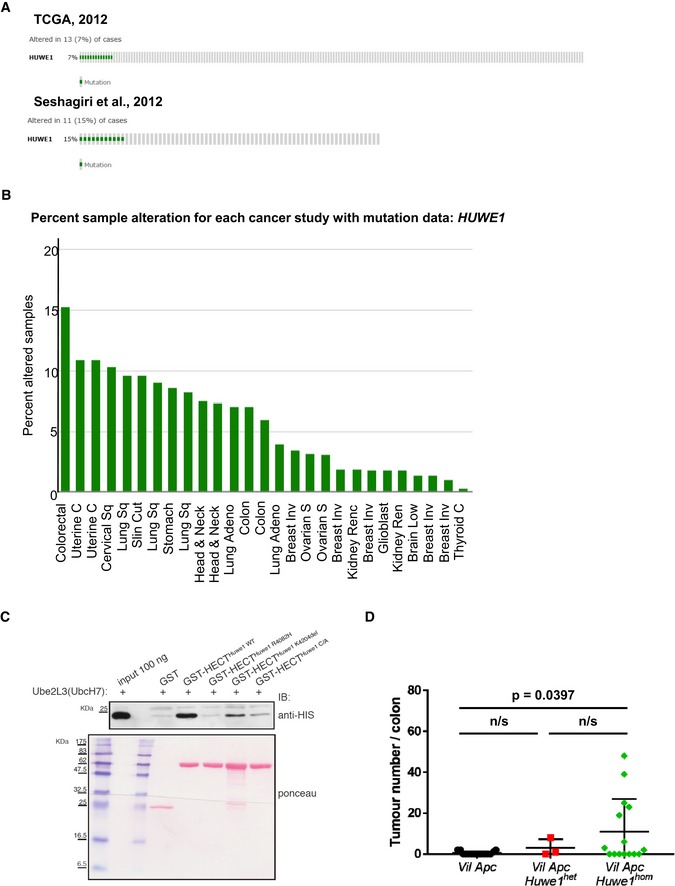
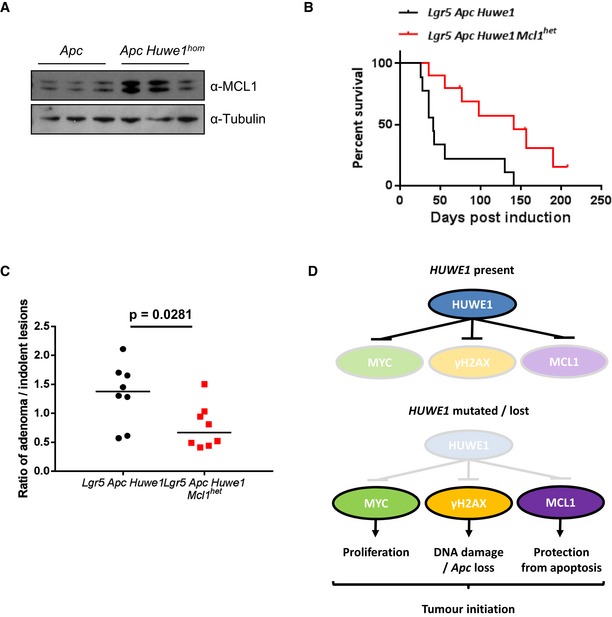
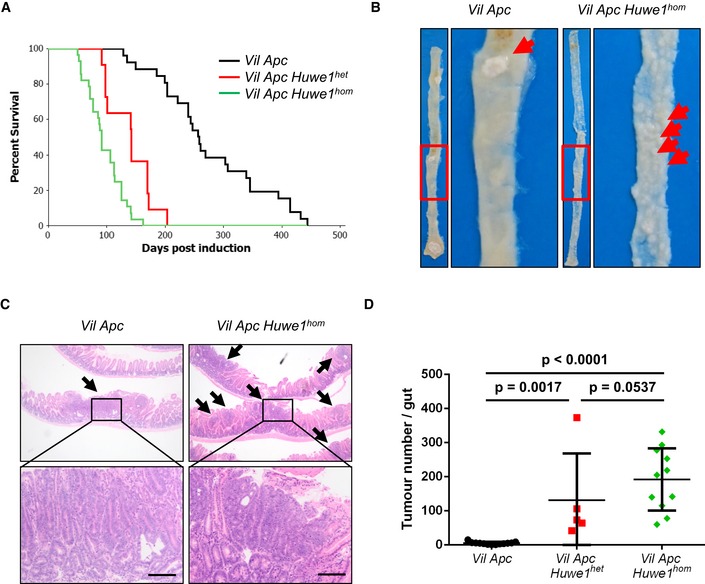
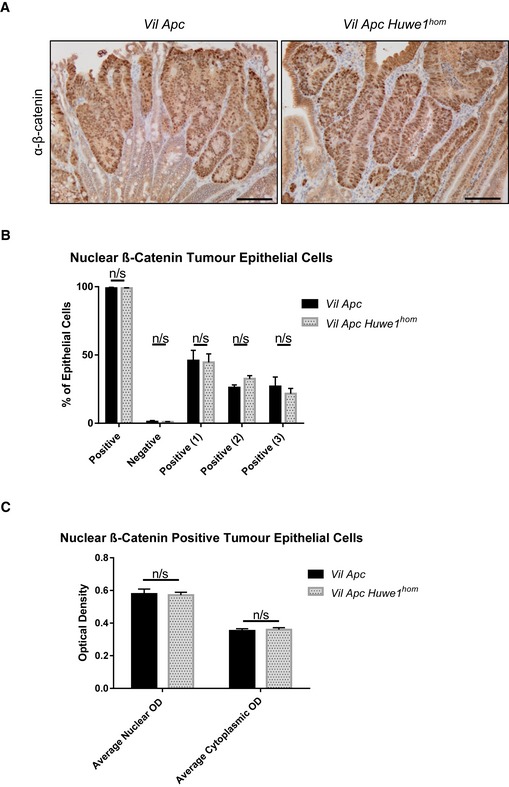
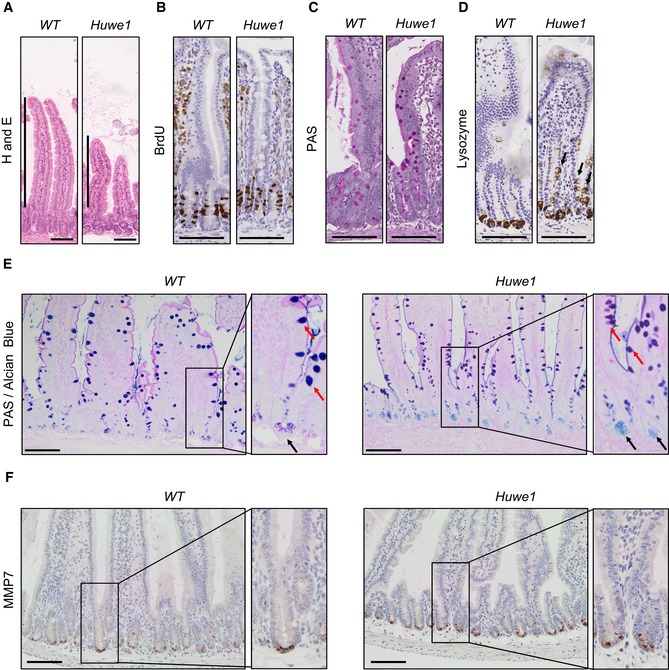
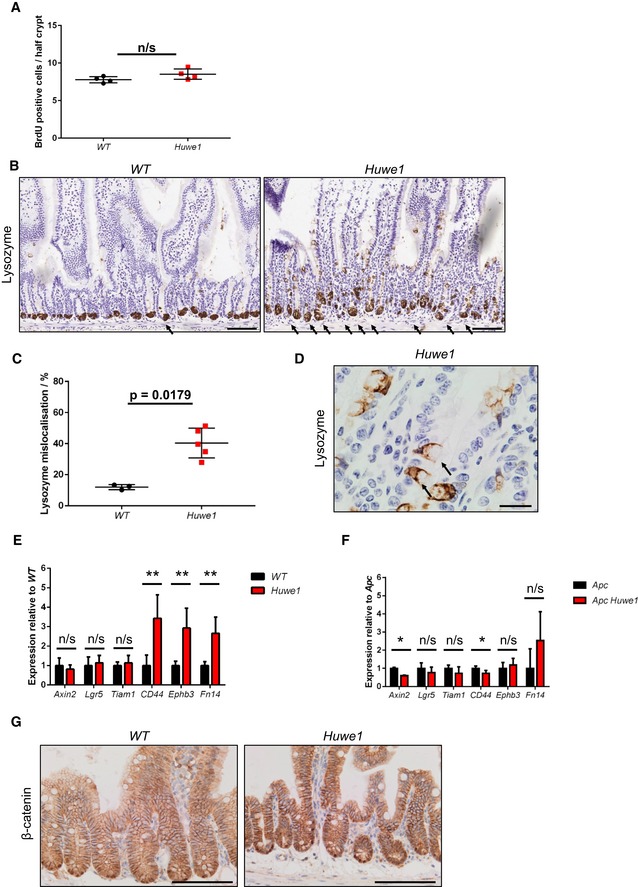
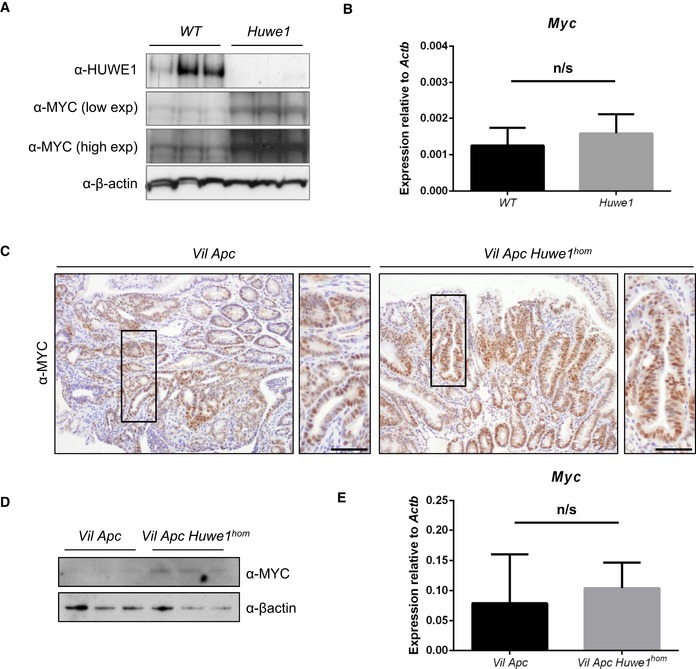
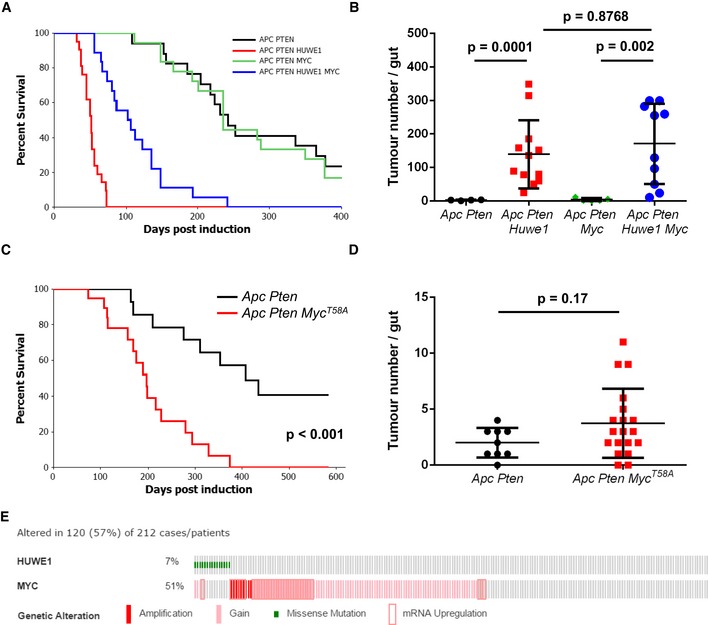
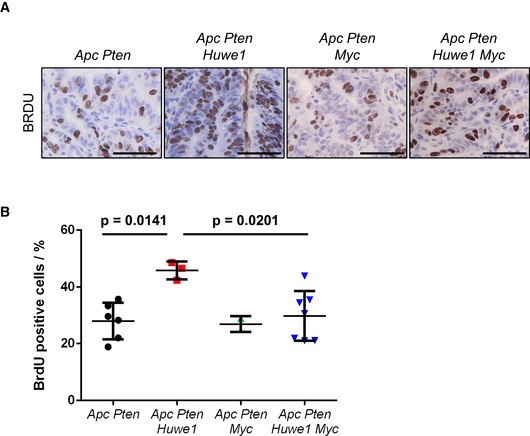
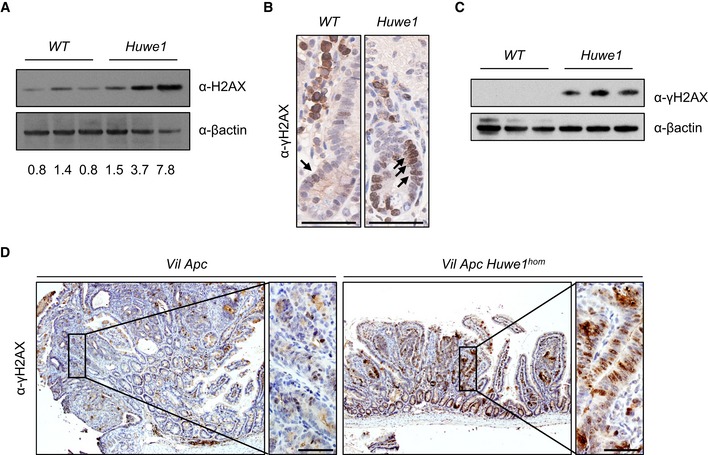
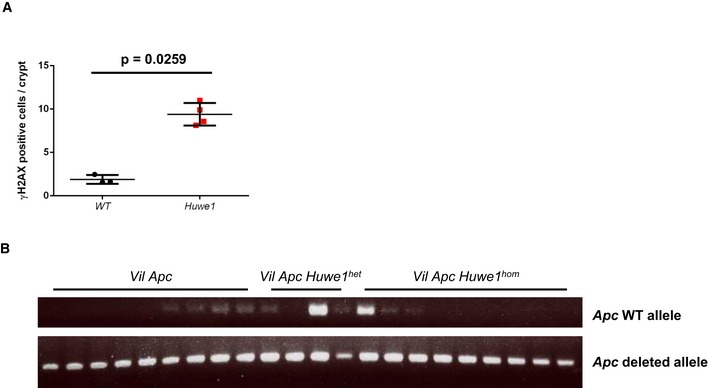
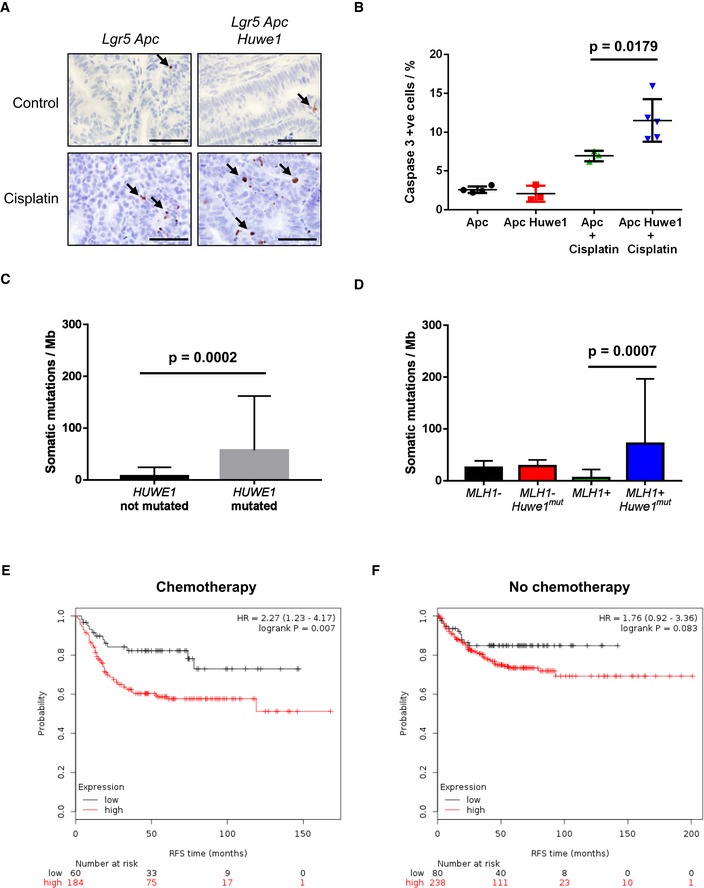
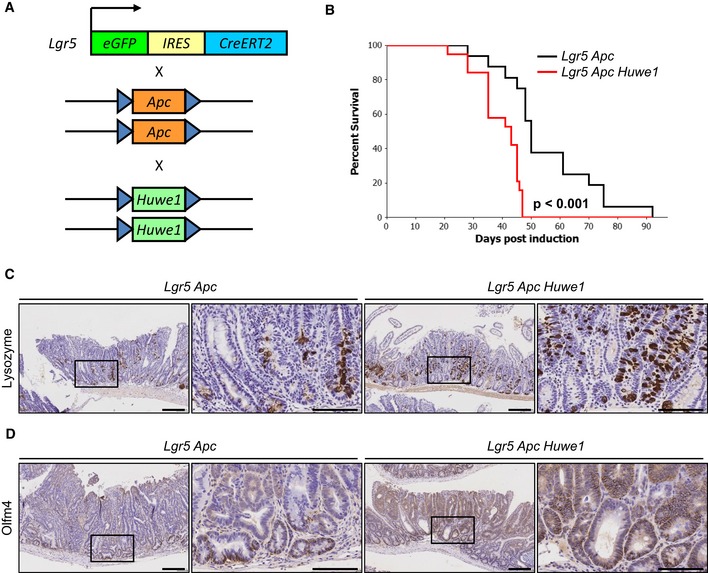
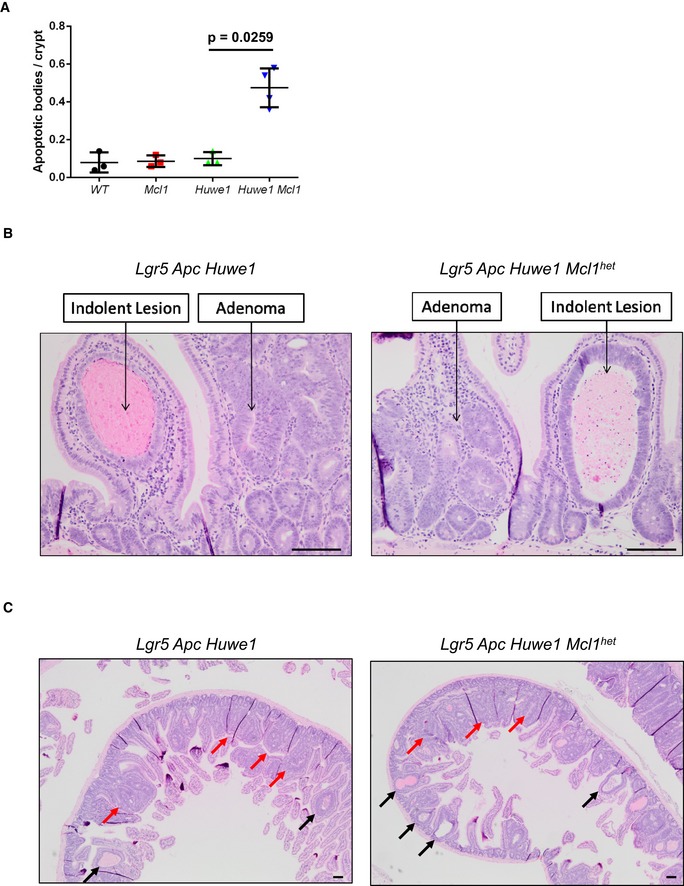
Cancer genome sequencing projects have identified hundreds of genetic alterations, often at low frequencies, raising questions as to their functional relevance. One exemplar gene is HUWE1, which has been found to be mutated in numerous studies. However, due to the large size of this gene and a lack of functional analysis of identified mutations, their significance to carcinogenesis is unclear. To determine the importance of HUWE1, we chose to examine its function in colorectal cancer, where it is mutated in up to 15 per cent of tumours. Modelling of identified mutations showed that they inactivate the E3 ubiquitin ligase activity of HUWE1. Genetic deletion of Huwe1 rapidly accelerated tumourigenic in mice carrying loss of the intestinal tumour suppressor gene Apc, with a dramatic increase in tumour initiation. Mechanistically, this phenotype was driven by increased MYC and rapid DNA damage accumulation leading to loss of the second copy of Apc The increased levels of DNA damage sensitised Huwe1-deficient tumours to DNA-damaging agents and to deletion of the anti-apoptotic protein MCL1. Taken together, these data identify HUWE1 as a bona fide tumour suppressor gene in the intestinal epithelium and suggest a potential vulnerability of HUWE1-mutated tumours to DNA-damaging agents and inhibitors of anti-apoptotic proteins.
癌症基因组测序项目已鉴定出数百种基因改变,这些改变通常频率较低,这引发了关于其功能相关性的问题。一个典型的基因是HUWE1,在众多研究中都发现它发生了突变。然而,由于该基因规模庞大,且对已鉴定突变缺乏功能分析,它们对致癌作用的意义尚不清楚。为了确定HUWE1的重要性,我们选择研究其在结直肠癌中的功能,在结直肠癌中,高达15%的肿瘤存在该基因的突变。对已鉴定突变的建模表明,它们使HUWE1的E3泛素连接酶活性失活。在携带肠道肿瘤抑制基因Apc缺失的小鼠中,Huwe1的基因缺失迅速加速了肿瘤发生,肿瘤起始显著增加。从机制上讲,这种表型是由MYC增加和DNA损伤快速积累导致Apc的第二个拷贝丢失所驱动的。DNA损伤水平的增加使Huwe1缺陷型肿瘤对DNA损伤剂和抗凋亡蛋白MCL1的缺失敏感。综上所述,这些数据确定HUWE1是肠上皮中的一个真正的肿瘤抑制基因,并表明HUWE1突变型肿瘤对DNA损伤剂和抗凋亡蛋白抑制剂具有潜在的易感性。