Orlov Iurii A, Sankova Tatiana P, Babich Polina S, Sosnin Ilya M, Ilyechova Ekaterina Yu, Kirilenko Demid A, Brunkov Pavel N, Ataev Gennadii L, Romanov Alexey E, Puchkova Ludmila V
International Research and Education Center "Functional materials and devices of optoelectronics and microelectronics", ITMO University; Department of Biophysics, Peter the Great St Petersburg Polytechnic University.
Department of Zoology, Herzen State Pedagogical University of Russia, St Petersburg.
Int J Nanomedicine. 2016 Dec 15;11:6561-6574. doi: 10.2147/IJN.S117745. eCollection 2016.
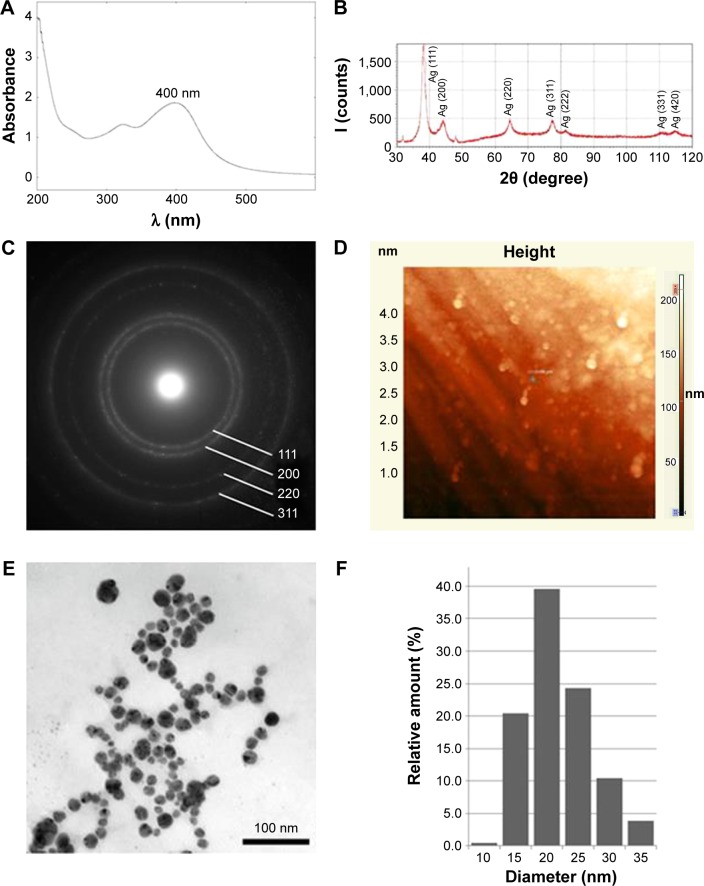
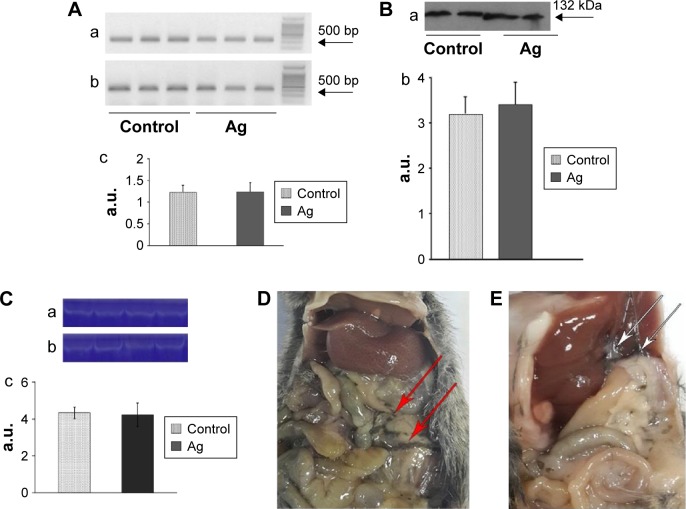
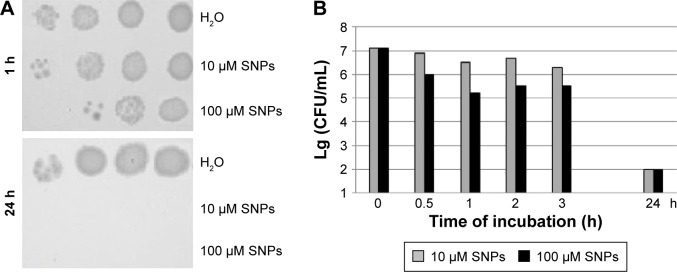
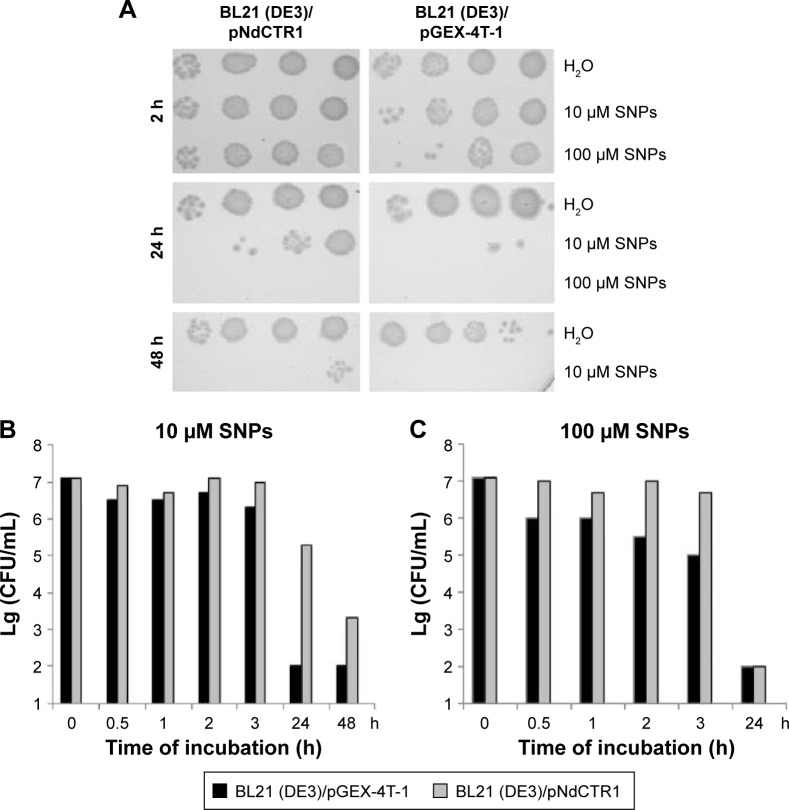
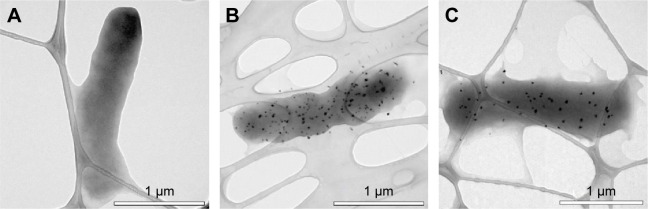
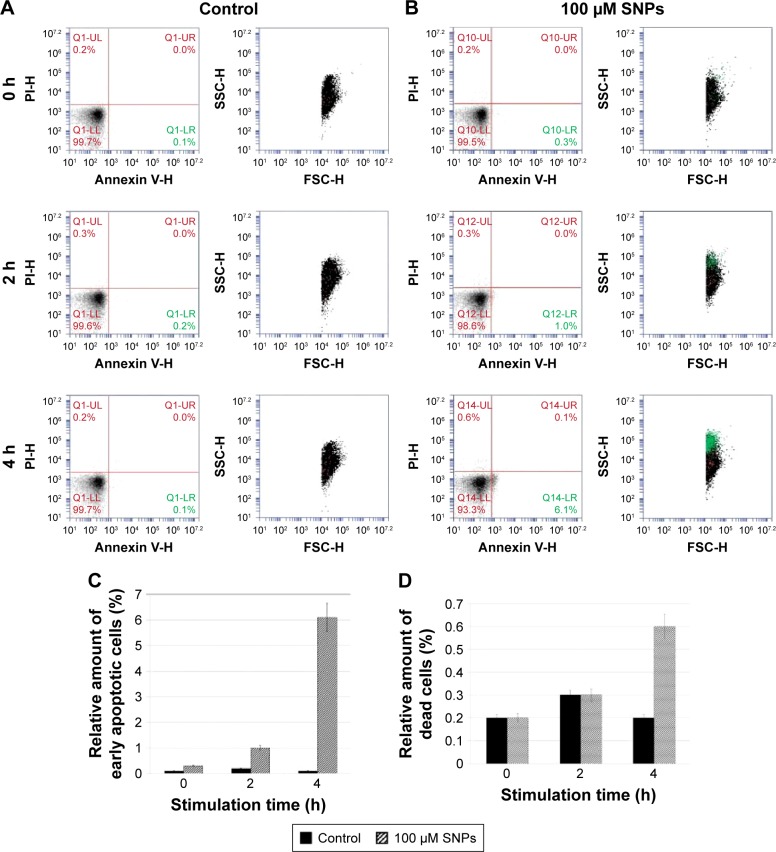
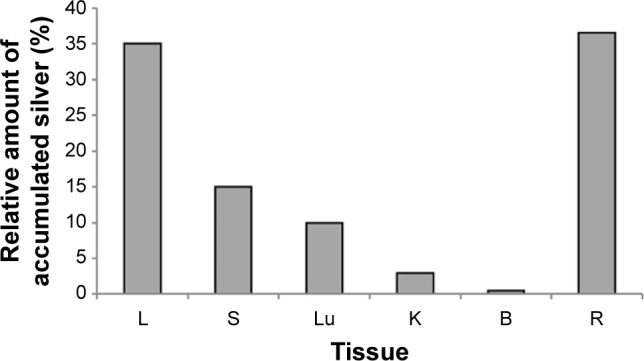
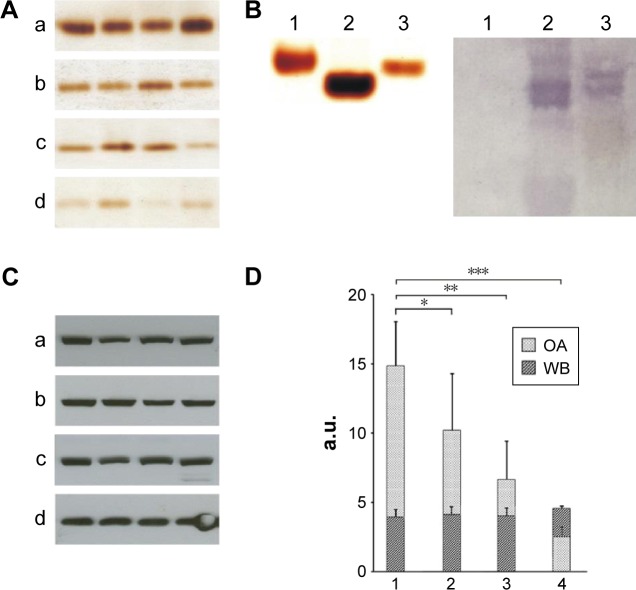
Silver nanoparticles (SNPs) are new functional materials that are widely used in biomedical and industrial technologies. Two main features that make SNPs valuable are their strong antibacterial effects and low toxicity to eukaryotes. In this study, SNPs were synthesized using a modified method of reducing the metal ions to their atomic state followed by crystallization. SNPs were characterized by UV/vis spectroscopy, X-ray diffractometry, atomic force microscopy, and transmission electron microscopy (TEM). The SNPs were spherically shaped with an average linear dimension of 20 nm. In aqueous solution, the SNPs were beige-yellow in color, and they formed a black color in bacteria-rich growth media. The toxicity and bioavailability of the SNPs were tested using cells and C57Bl/6 mice. Although the SNPs displayed bactericidal activity, an cell strain transformed with an expression plasmid carrying a human CTR1 ectodomain with three motives that bind Cu(II), Cu(I), and Ag(I) demonstrated increased resistance to treatment with SNPs. TEM showed that the SNPs were absorbed by the cell, and flow cytometry showed that the SNPs induced apoptosis-like death. In mice treated with SNPs (daily intraperitoneal injection of 10 μg SNPs/g body weight over 4 days), the ceruloplasmin (Cp) oxidase activity in the blood serum decreased. However, level of gene expression, the relative contents of the Cp protein in the Golgi complex and in the serum did not change. Treatment with SNPs did not influence the activity of superoxide dismutase 1 in the liver and had no apparent toxic effects in mice. These findings expand the scope of application for the use of new SNPs. The data are discussed in a paradigm, in which the effects of SNPs are caused by the interference of silver ions with copper metabolism.
银纳米颗粒(SNPs)是新型功能材料,广泛应用于生物医学和工业技术领域。使SNPs具有价值的两个主要特性是其强大的抗菌作用以及对真核生物的低毒性。在本研究中,采用一种将金属离子还原为原子态随后结晶的改良方法合成了SNPs。通过紫外/可见光谱、X射线衍射、原子力显微镜和透射电子显微镜(TEM)对SNPs进行了表征。SNPs呈球形,平均线性尺寸为20nm。在水溶液中,SNPs呈米黄色,而在富含细菌的生长培养基中则呈黑色。使用细胞和C57Bl/6小鼠对SNPs的毒性和生物利用度进行了测试。尽管SNPs具有杀菌活性,但一种用携带具有结合Cu(II)、Cu(I)和Ag(I)的三个基序的人CTR1胞外域的表达质粒转化的细胞株对SNPs处理表现出增强的抗性。TEM显示SNPs被细胞吸收,流式细胞术显示SNPs诱导凋亡样死亡。在用SNPs处理的小鼠(4天内每日腹腔注射10μg SNPs/g体重)中,血清中的铜蓝蛋白(Cp)氧化酶活性降低。然而,基因表达水平、高尔基体和血清中Cp蛋白的相对含量没有变化。SNPs处理对肝脏中超氧化物歧化酶1的活性没有影响,并且对小鼠没有明显的毒性作用。这些发现扩展了新型SNPs的应用范围。在一个范式中对数据进行了讨论,在该范式中,SNPs的作用是由银离子对铜代谢的干扰引起的。