Wong Lai Lai, Liang Zhitao, Chen Hubiao, Zhao Zhongzhen
School of Chinese Medicine, Hong Kong Baptist University, Kowloon, Hong Kong Special Administrative Region People's Republic of China.
School of Chinese Medicine, Hong Kong Baptist University, Kowloon, Hong Kong Special Administrative Region People's Republic of China ; Research Center for Pharmacognosy, Institute of Chinese Materia Medica, Academy of Chinese Medical Sciences, Beijing, People's Republic of China.
Chin Med. 2016 Dec 15;11:48. doi: 10.1186/s13020-016-0120-y. eCollection 2016.
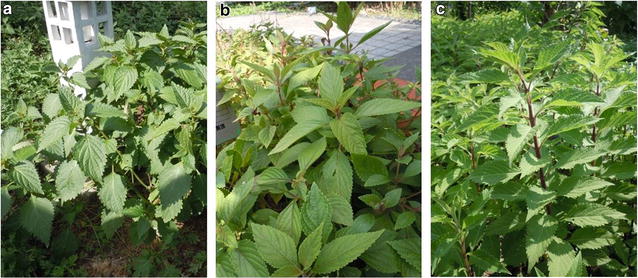
, var. and are the three botanical sources of , which are often used indiscriminately in herbal products. The aim of this study was to develop a rapid and accurate analytical method to identify the three different botanical sources of by combining UPLC-ESI-QTOF-MS with chemometrics analysis.
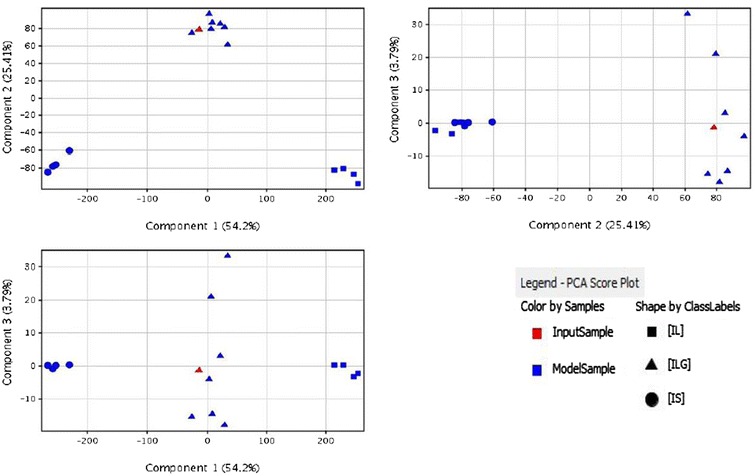
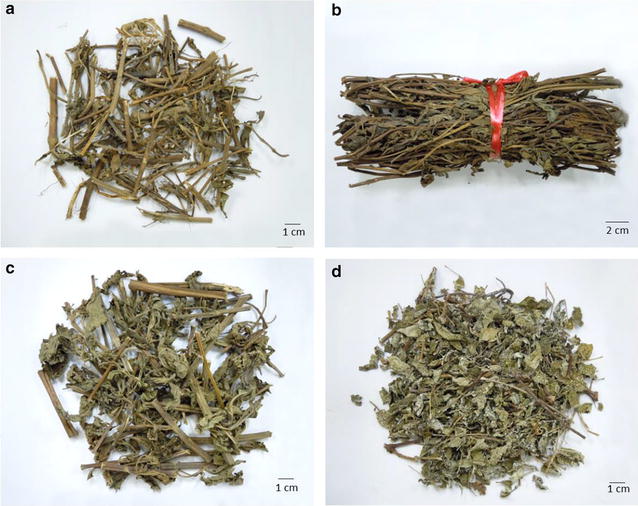
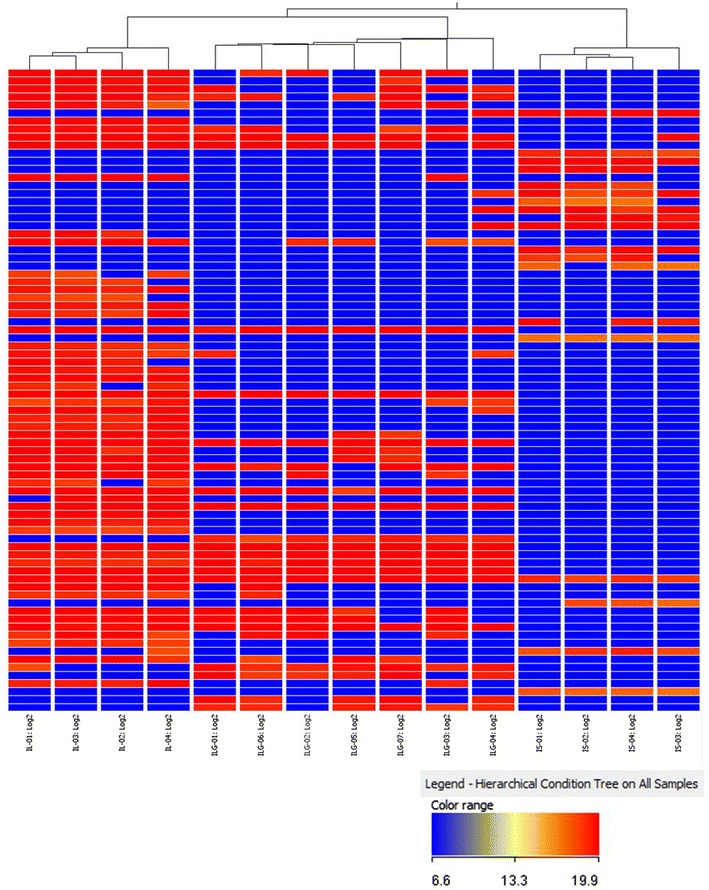
Fifteen batches of plants were collected as reference materials and their chemical profiles were analyzed by UPLC-ESI-QTOF-MS. These data were subsequently processed by statistical methods, including principal component analysis (PCA), hierarchical cluster analysis (HCA) and orthogonal partial least squared discriminant analysis (OPLS-DA). An automated sample class prediction model was also built using Naive Bayes as a class prediction algorithm to rapidly determine the source species of twenty-seven batches of commercial samples.
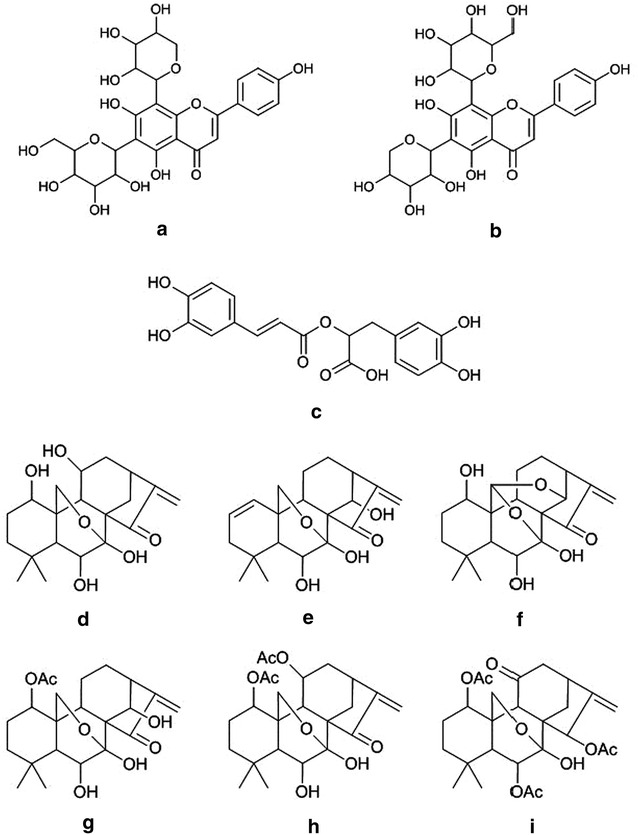
The base peak chromatograms of the three authenticated species showed different patterns and twenty-seven peaks were chosen, including six diterpenoids, one phenolic acid and two glycosides to distinguish among these three species. The results showed good differentiation among the three species by PCA, HCA and OPLS-DA. var. was found to be the major botanical source of the commercial samples.
UPLC-ESI-QTOF-MS and subsequent chemometrics analysis were demonstrated effective to differentiate among the three different species of plants used as .
[具体植物名称]变种[变种名称1]、[变种名称2]和[变种名称3]是[具体植物名称]的三种植物来源,它们在草药产品中常被不加区分地使用。本研究的目的是开发一种快速准确的分析方法,通过超高效液相色谱-电喷雾电离-四极杆飞行时间质谱(UPLC-ESI-QTOF-MS)与化学计量学分析相结合来鉴定[具体植物名称]的这三种不同植物来源。
收集15批植物作为参考材料,通过UPLC-ESI-QTOF-MS分析其化学图谱。随后,这些数据通过统计方法进行处理,包括主成分分析(PCA)、层次聚类分析(HCA)和正交偏最小二乘判别分析(OPLS-DA)。还使用朴素贝叶斯作为分类预测算法建立了自动样本分类预测模型,以快速确定27批市售[具体植物名称]样品的来源物种。
三种已鉴定物种的基峰色谱图呈现出不同的模式,选择了27个峰,包括六种二萜类化合物、一种酚酸和两种糖苷来区分这三种物种。结果表明,通过PCA、HCA和OPLS-DA可以很好地区分这三种物种。发现[变种名称1]是市售样品的主要植物来源。
UPLC-ESI-QTOF-MS及后续的化学计量学分析被证明能有效区分用作[具体植物名称]的三种不同植物物种。