Xu Xiaojun, Vaughan Kerrie, Weiskopf Daniela, Grifoni Alba, Diamond Michael S, Sette Alessandro, Peters Bjoern
Division of Vaccine Discovery, La Jolla Institute for Allergy And Immunology, San Diego, California, USA.
Department of Medicine, Washington University School of Medicine, Saint Louis, Missouri, USA; Department of Molecular Microbiology, Washington University School of Medicine, Saint Louis, Missouri, USA; Department of Pathology and Immunology, Washington University School of Medicine, Saint Louis, Missouri, USA; The Center for Human Immunology and Immunotherapy Programs, Washington University School of Medicine, Saint Louis, Missouri, USA.
PLoS Curr. 2016 Nov 15;8:ecurrents.outbreaks.9aa2e1fb61b0f632f58a098773008c4b. doi: 10.1371/currents.outbreaks.9aa2e1fb61b0f632f58a098773008c4b.
The current outbreak of Zika virus has resulted in a massive effort to accelerate the development of ZIKV-specific diagnostics and vaccines. These efforts would benefit greatly from the definition of the specific epitope targets of immune responses in ZIKV, but given the relatively recent emergence of ZIKV as a pandemic threat, few such data are available.
We used a large body of epitope data for other Flaviviruses that was available from the IEDB for a comparative analysis against the ZIKV proteome in order to project targets of immune responses in ZIKV.
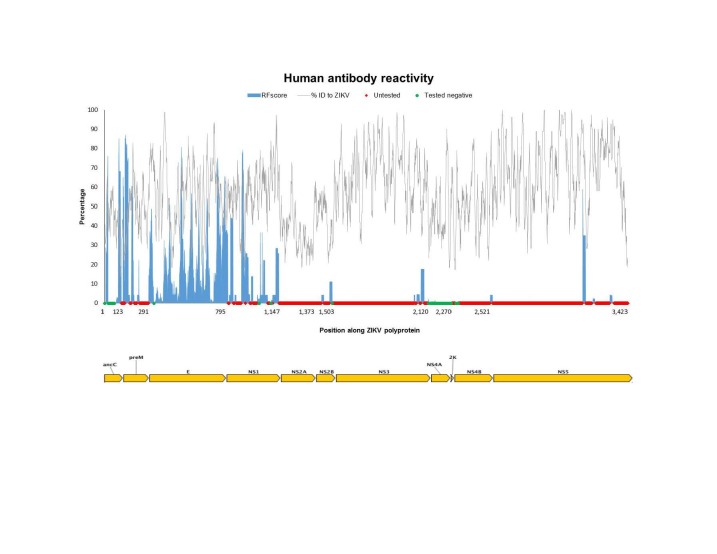
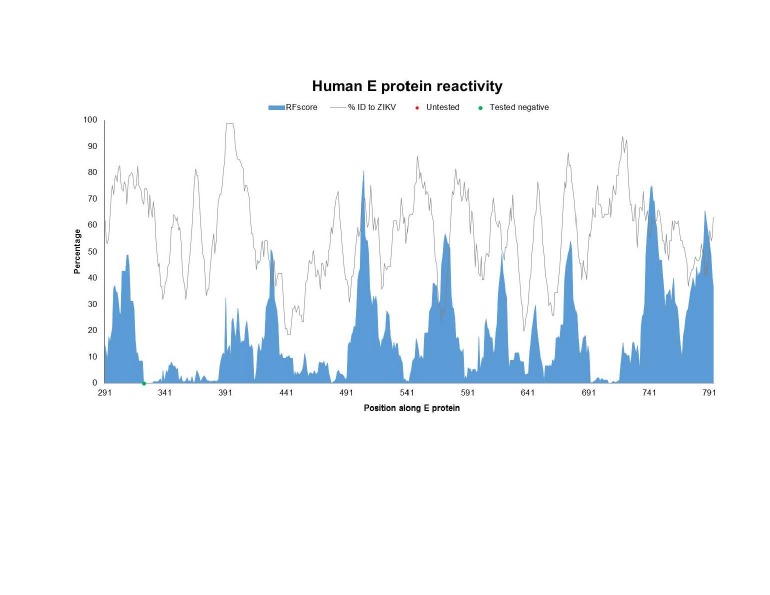
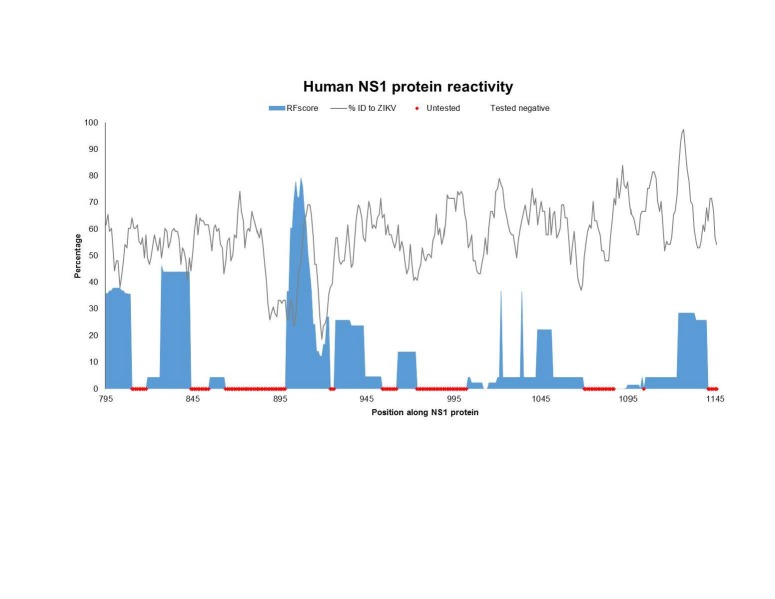
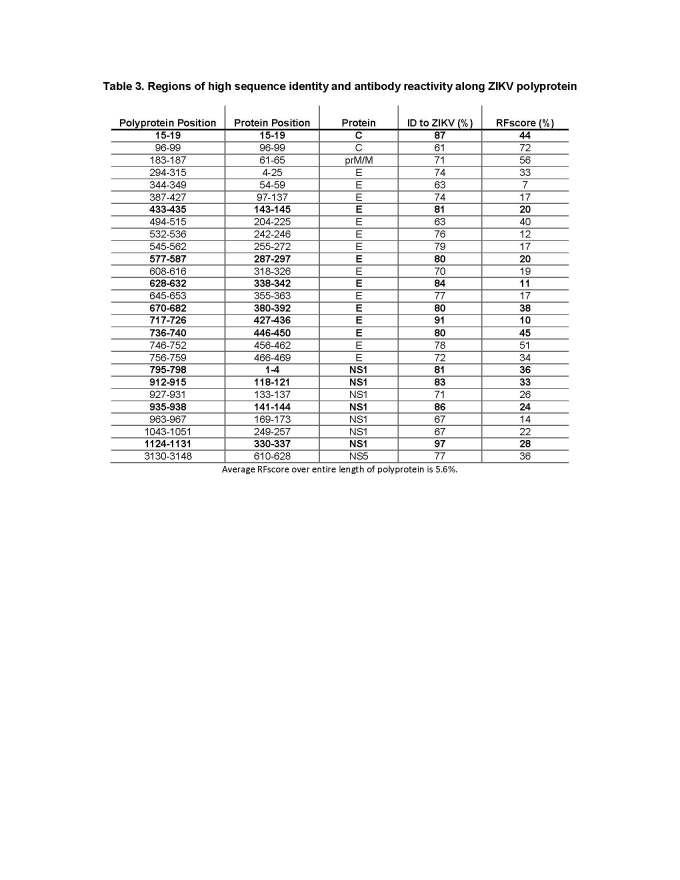
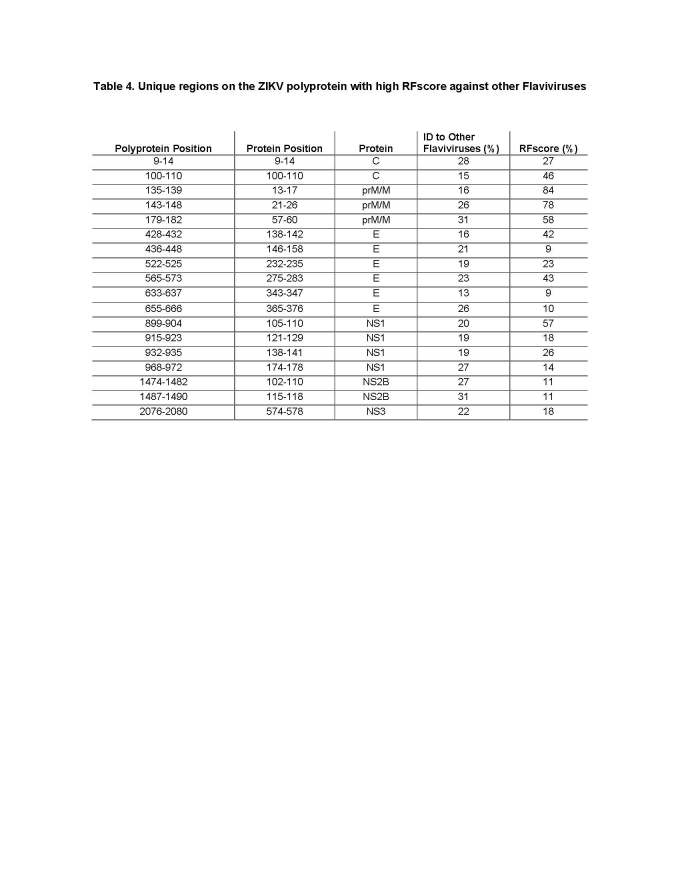
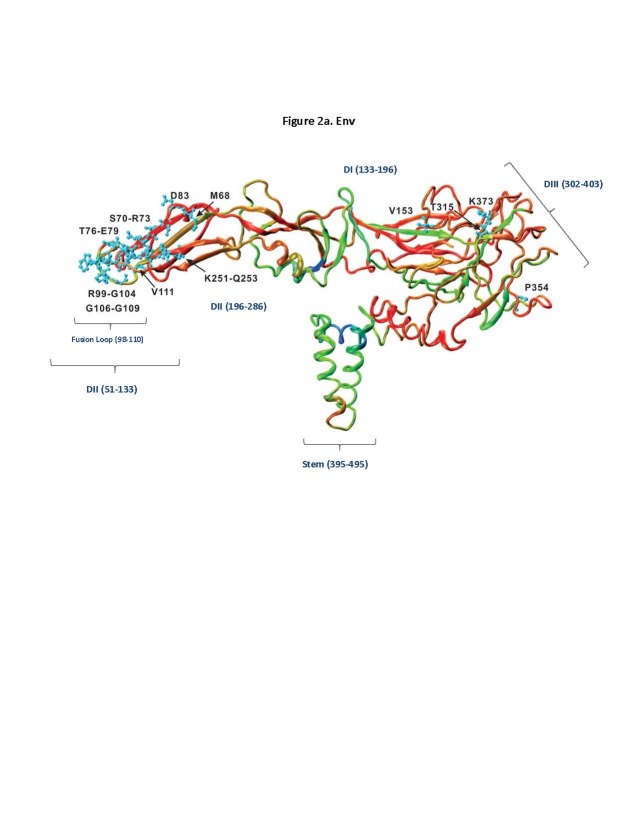
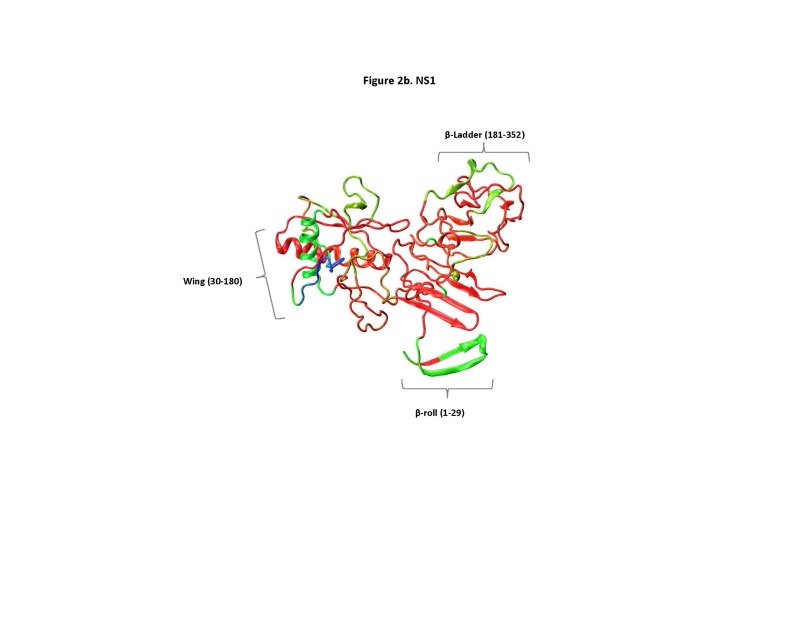
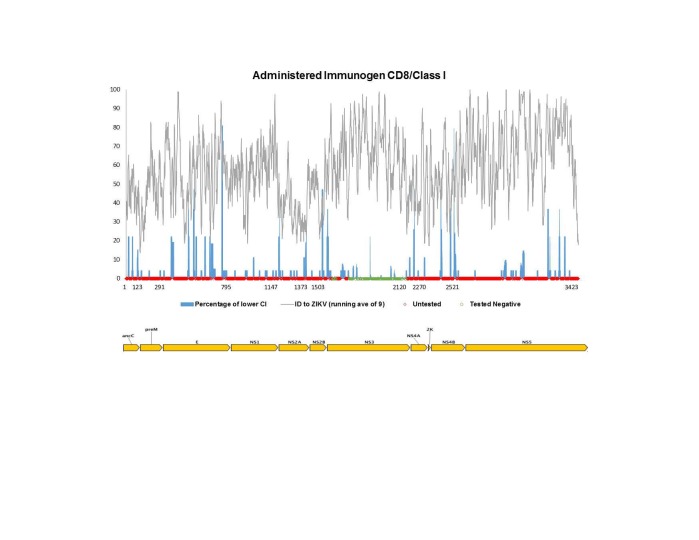
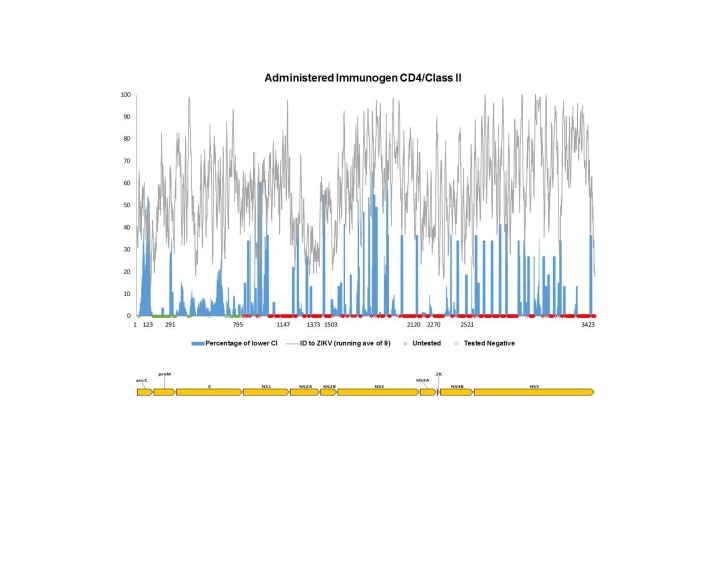
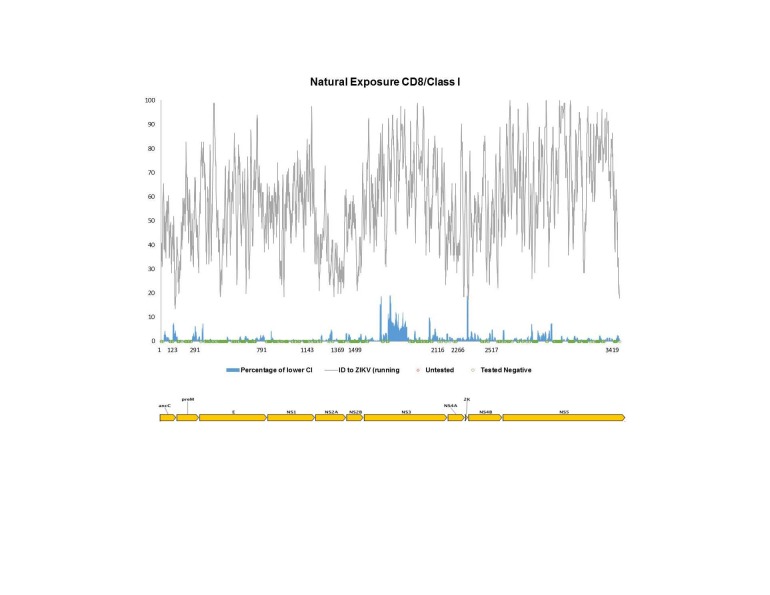
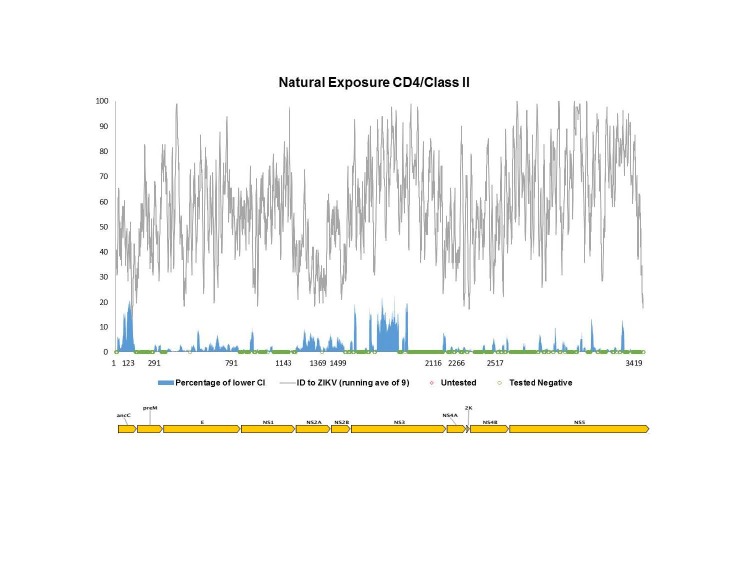
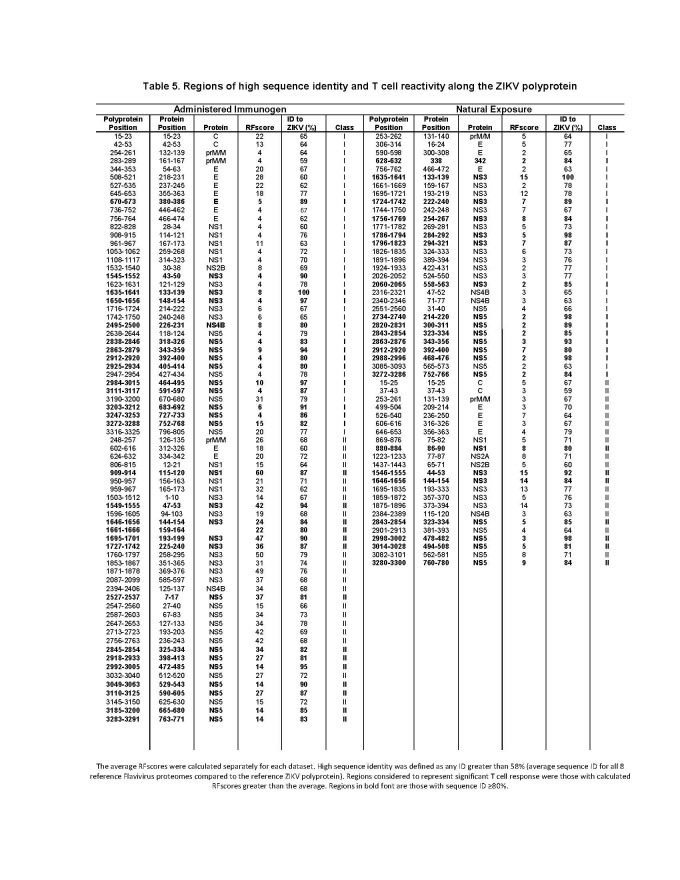
We found a significant level of overlap between known antigenic sites from other Flavivirus proteins with residues on the ZIKV polyprotein. The E and NS1 proteins shared functional antibody epitope sites, whereas regions of T cell reactivity were conserved within NS3 and NS5 for ZIKV. Discussion: Our epitope based analysis provides guidance for which regions of the ZIKV polyprotein are most likely unique targets of ZIKV-specific antibodies, and which targets in ZIKV are most likely to be cross-reactive with other Flavivirus species. These data may therefore provide insights for the development of antibody- and T cell-based ZIKV-specific diagnostics, therapeutics and prophylaxis.
当前寨卡病毒的爆发促使人们大力加速寨卡病毒特异性诊断方法和疫苗的研发。若能明确寨卡病毒免疫反应的特定表位靶点,这些努力将受益匪浅,但鉴于寨卡病毒作为一种大流行威胁相对较新出现,此类数据很少。
我们利用了从国际免疫信息学数据库(IEDB)获取的大量其他黄病毒的表位数据,与寨卡病毒蛋白质组进行比较分析,以推测寨卡病毒免疫反应的靶点。
我们发现其他黄病毒蛋白质的已知抗原位点与寨卡病毒多聚蛋白上的残基之间存在显著程度的重叠。E蛋白和NS1蛋白共享功能性抗体表位位点,而寨卡病毒的NS3和NS5内的T细胞反应区域是保守的。
我们基于表位的分析为寨卡病毒多聚蛋白的哪些区域最有可能是寨卡病毒特异性抗体的独特靶点,以及寨卡病毒中的哪些靶点最有可能与其他黄病毒物种发生交叉反应提供了指导。因此,这些数据可能为基于抗体和T细胞的寨卡病毒特异性诊断、治疗和预防方法的开发提供见解。