Kim Young Keun, LaFon David, Nahm Moon H
Department of Internal Medicine, Yonsei University Wonju College of Medicine, Wonju, Korea.
Division of Pulmonary, Allergy, and Critical Care, University of Alabama at Birmingham, Birmingham, AL, USA.
Infect Chemother. 2016 Dec;48(4):257-266. doi: 10.3947/ic.2016.48.4.257.
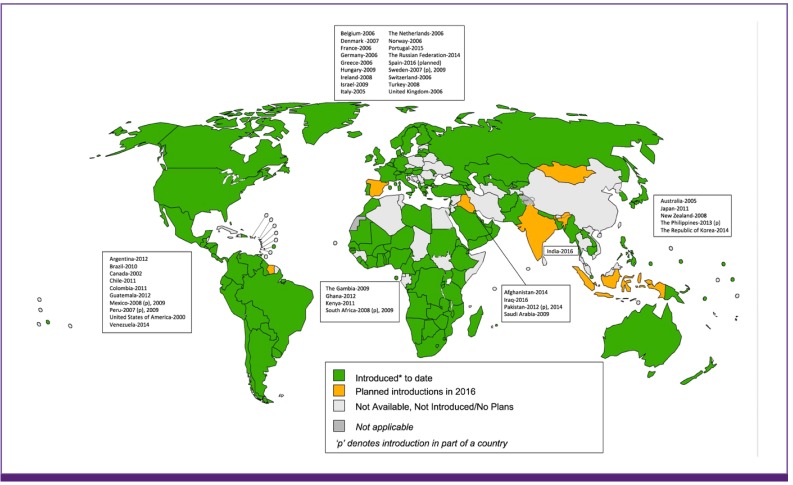
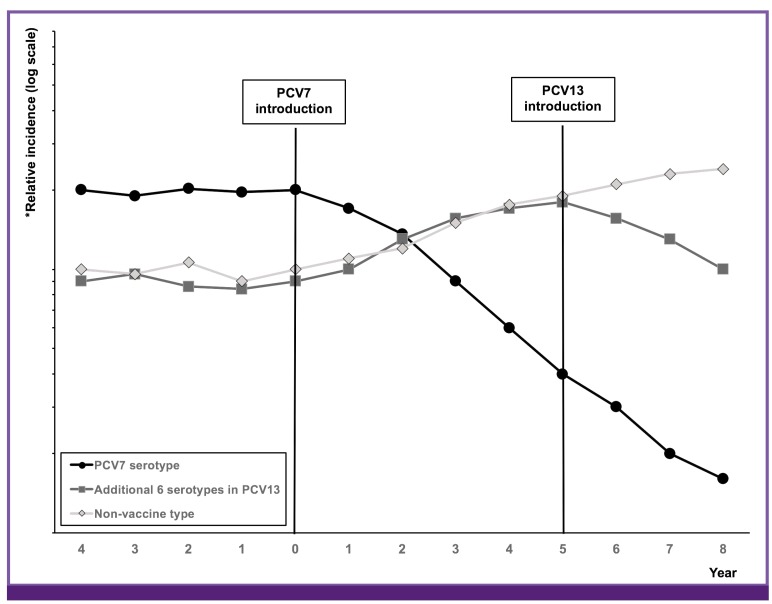
The pneumococcal conjugate vaccine (PCV) was developed to overcome the limitations of the pneumococcal polysaccharide vaccine, which produces poor immunogenicity in infants younger than 2 years. As many countries have included PCVs in national immunization programs for children, the incidence of invasive pneumococcal disease caused by vaccine type Streptococcus pneumoniae has declined markedly, not only among the vaccinated pediatric population, but also among unvaccinated adults. In this review, we present a concise overview of the indirect effects of mass pediatric PCV immunization on unvaccinated adults.
肺炎球菌结合疫苗(PCV)的研发是为了克服肺炎球菌多糖疫苗的局限性,后者在2岁以下婴儿中产生的免疫原性较差。由于许多国家已将PCV纳入儿童国家免疫规划,由疫苗型肺炎链球菌引起的侵袭性肺炎球菌疾病的发病率显著下降,不仅在接种疫苗的儿童人群中如此,在未接种疫苗的成年人中也是如此。在本综述中,我们简要概述了大规模儿童PCV免疫接种对未接种疫苗的成年人的间接影响。