Jung Kyung Oh, Youn Hyewon, Lee Chul-Hee, Kang Keon Wook, Chung June-Key
Department of Nuclear Medicine, Seoul National University College of Medicine, Seoul, Korea, 110-799.
Department of Biomedical Sciences, Seoul National University College of Medicine, Seoul, Korea, 110-799.
Oncotarget. 2017 Feb 7;8(6):9899-9910. doi: 10.18632/oncotarget.14247.
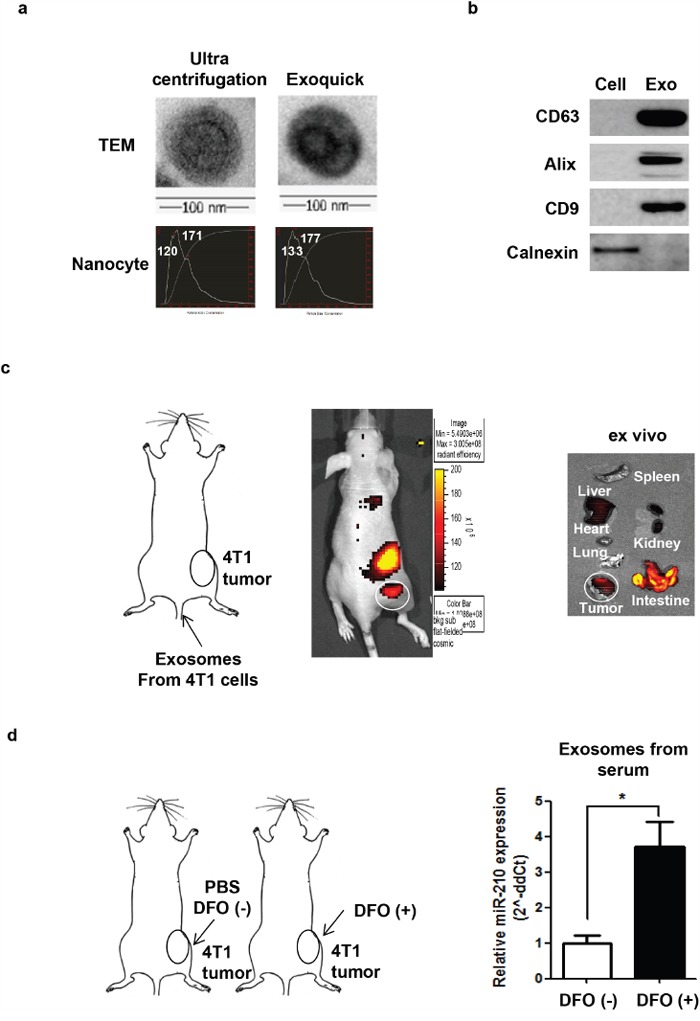
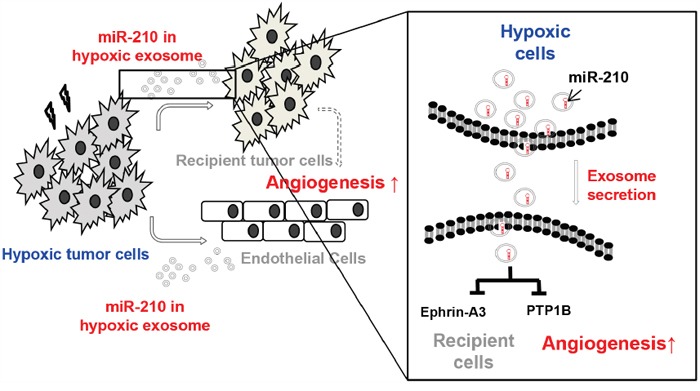
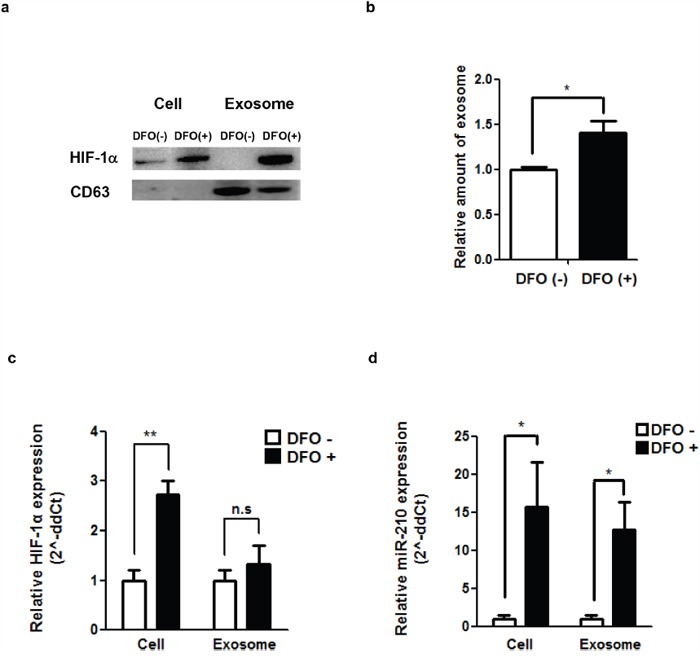
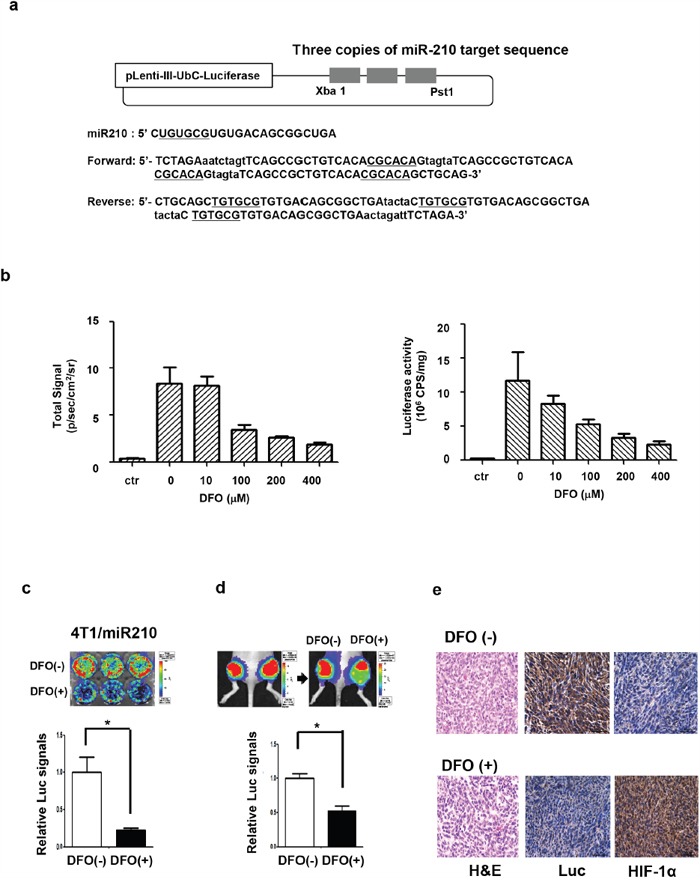
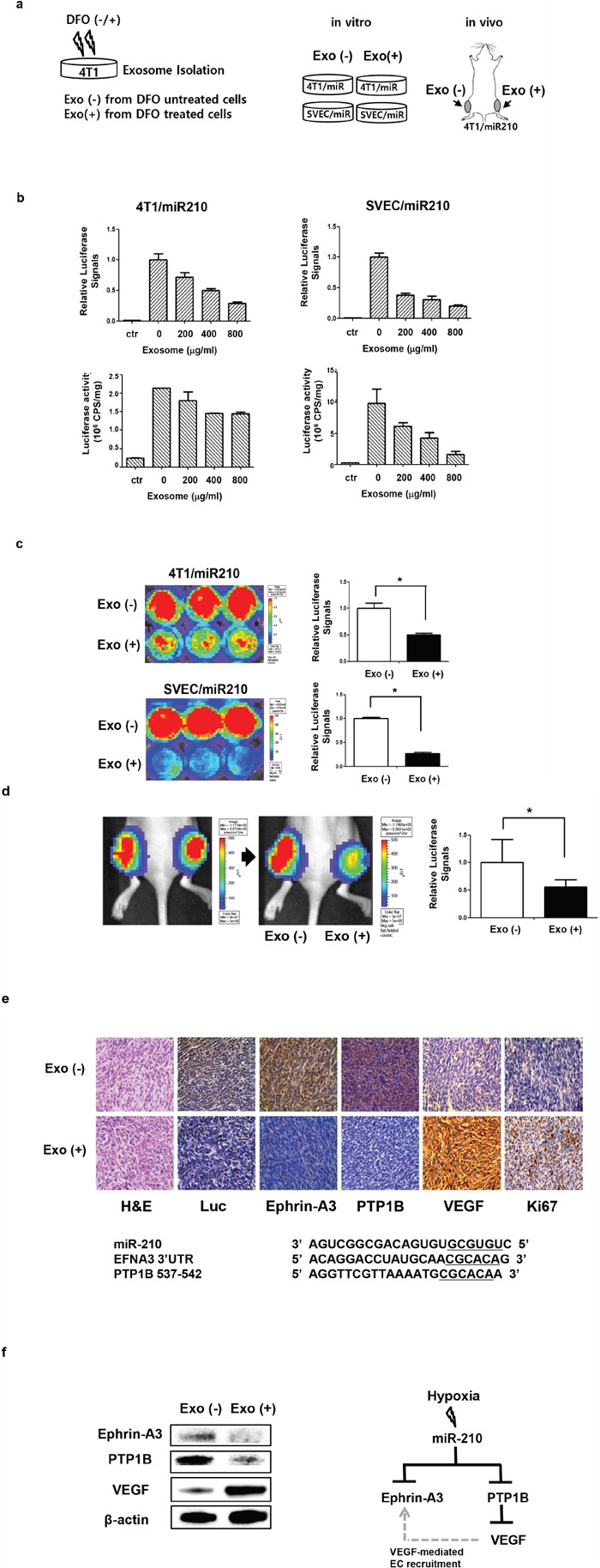
Cancer cells actively release exosomes carrying specific cellular components, such as proteins, mRNA, and miRNA, to communicate with various cells in the tumor microenvironment. We visualized exosome-mediated transfer of miR-210 from hypoxic breast cancer cells to neighboring cells using a miR-210 specific reporter system. By in vitro and in vivo visualization, we found that exosomes with miR-210 were transferred to cells in the tumor microenvironment and that miR-210 was involved in expression of vascular remodeling related genes, such as Ephrin A3 and PTP1B, to promote angiogenesis. These results indicate that cellular components, such as miRNAs from hypoxic cancer cells, spread to adjacent cancer cells in the tumor microenvironment via exosomes and influence tumor progression.
癌细胞会主动释放携带特定细胞成分(如蛋白质、mRNA和miRNA)的外泌体,以便与肿瘤微环境中的各种细胞进行通讯。我们使用miR - 210特异性报告系统,观察到缺氧乳腺癌细胞中的miR - 210通过外泌体介导转移至邻近细胞。通过体外和体内观察,我们发现携带miR - 210的外泌体转移至肿瘤微环境中的细胞,并且miR - 210参与血管重塑相关基因(如Ephrin A3和PTP1B)的表达,从而促进血管生成。这些结果表明,缺氧癌细胞中的miRNA等细胞成分通过外泌体扩散至肿瘤微环境中的相邻癌细胞,并影响肿瘤进展。