Takatsu Zenta, Tsuda Muneya, Yamada Akio, Matsumoto Hiroshi, Takai Akira, Takeda Yasuhiro, Takase Mitsunori
Morinyu Sunworld, Research & Information Center, Morinaga Milk, 5-1-83, Higashihara, Zama, Kanagawa 252-8583, Japan.
J Vet Med Sci. 2017 Mar 18;79(3):524-533. doi: 10.1292/jvms.16-0450. Epub 2016 Dec 31.
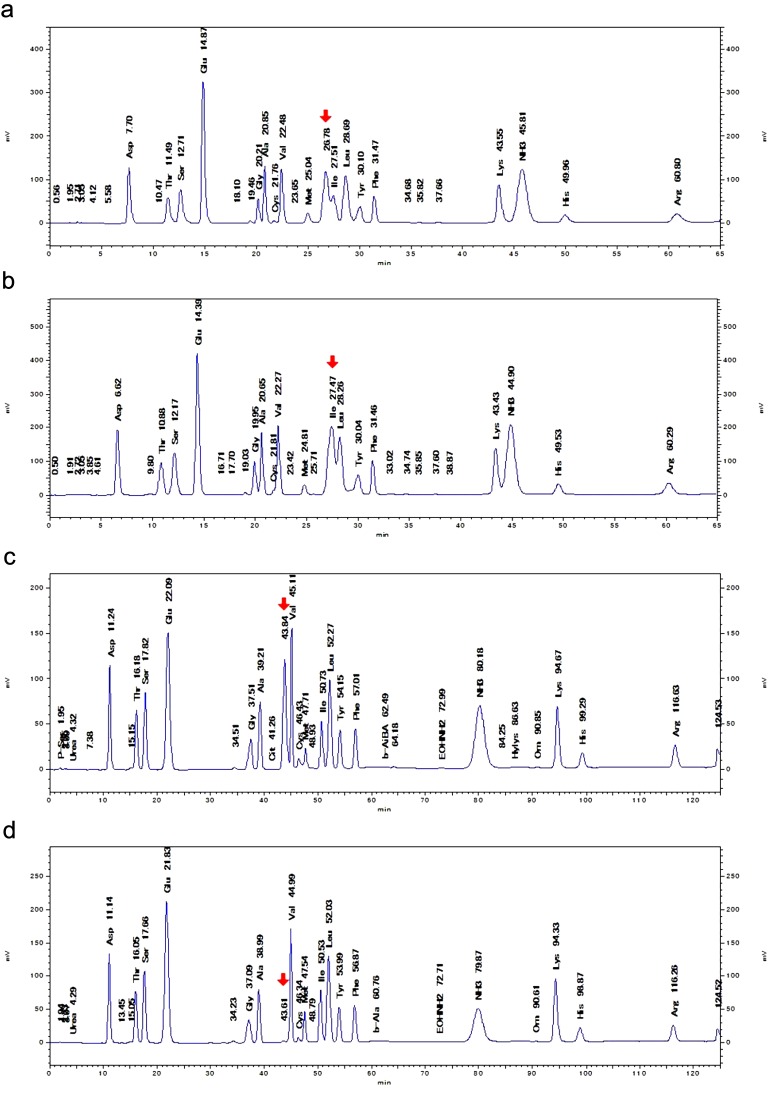
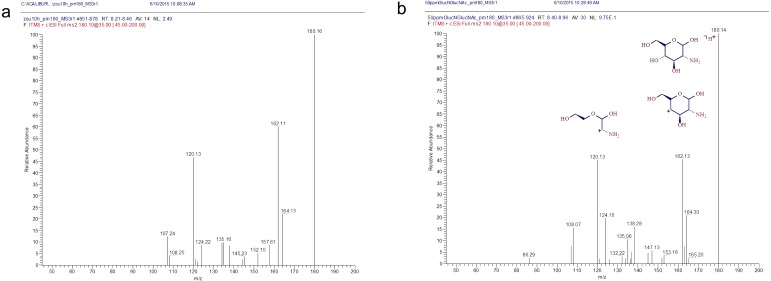
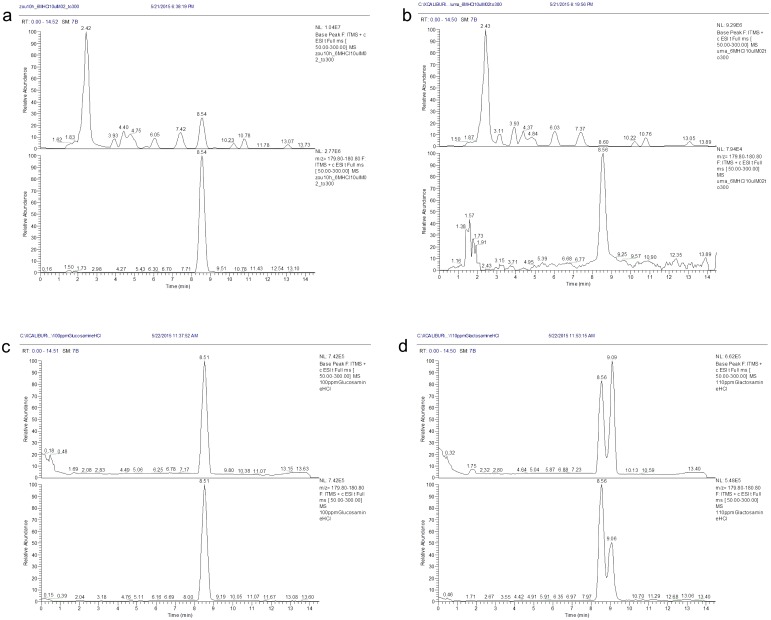
Hand-reared elephant calves that are nursed with milk substitutes sometimes suffer bone fractures, probably due to problems associated with nutrition, exercise, sunshine levels and/or genetic factors. As we were expecting the birth of an Asian elephant (Elephas maximus), we analyzed elephant's breast milk to improve the milk substitutes for elephant calves. Although there were few nutritional differences between conventional substitutes and elephant's breast milk, we found a large unknown peak in the breast milk during high-performance liquid chromatography-based amino acid analysis and determined that it was glucosamine (GlcN) using liquid chromatography/mass spectrometry. We detected the following GlcN concentrations [mean ± SD] (mg/100 g) in milk hydrolysates produced by treating samples with 6M HCl for 24 hr at 110°C: four elephant's breast milk samples: 516 ± 42, three cow's milk mixtures: 4.0 ± 2.2, three mare's milk samples: 12 ± 1.2 and two human milk samples: 38. The GlcN content of the elephant's milk was 128, 43 and 14 times greater than those of the cow's, mare's and human milk, respectively. Then, we examined the degradation of GlcN during 0-24 hr hydrolyzation with HCl. We estimated that elephant's milk contains >880 mg/100 g GlcN, which is similar to the levels of major amino acids in elephant's milk. We concluded that a novel GlcN-containing milk substitute should be developed for elephant calves. The efficacy of GlcN supplements is disputed, and free GlcN is rare in bodily fluids; thus, the optimal molecular form of GlcN requires a further study.
用代乳品人工饲养的象犊有时会发生骨折,这可能与营养、运动、日照水平和/或遗传因素有关。由于我们期待一头亚洲象(印度象)的出生,我们分析了象奶,以改进象犊的代乳品。尽管传统代乳品和象奶之间在营养方面差异不大,但我们在基于高效液相色谱的氨基酸分析中发现象奶中有一个很大的未知峰,并通过液相色谱/质谱法确定其为氨基葡萄糖(GlcN)。我们检测了以下经110°C用6M盐酸处理样品24小时产生的奶水解物中的GlcN浓度[平均值±标准差](mg/100 g):四个象奶样品:516±42,三个牛奶混合物:4.0±2.2,三个马奶样品:12±1.2,两个人奶样品:38。象奶中的GlcN含量分别比牛奶、马奶和人奶中的GlcN含量高128倍、43倍和14倍。然后,我们研究了GlcN在0 - 24小时盐酸水解过程中的降解情况。我们估计象奶中GlcN含量>880 mg/100 g,这与象奶中主要氨基酸的水平相似。我们得出结论,应该为象犊开发一种新型的含GlcN代乳品。GlcN补充剂的功效存在争议,且游离GlcN在体液中很少见;因此,GlcN的最佳分子形式需要进一步研究。