An Choa, Okamoto Yumiko, Xu Siyu, Eo Kyung Yeon, Kimura Junpei, Yamamoto Naomichi
Department of Environmental Health Sciences, Graduate School of Public Health, Seoul National University, Seoul 151-742, South Korea.
J Vet Med Sci. 2017 Mar 18;79(3):542-546. doi: 10.1292/jvms.16-0472. Epub 2016 Dec 30.
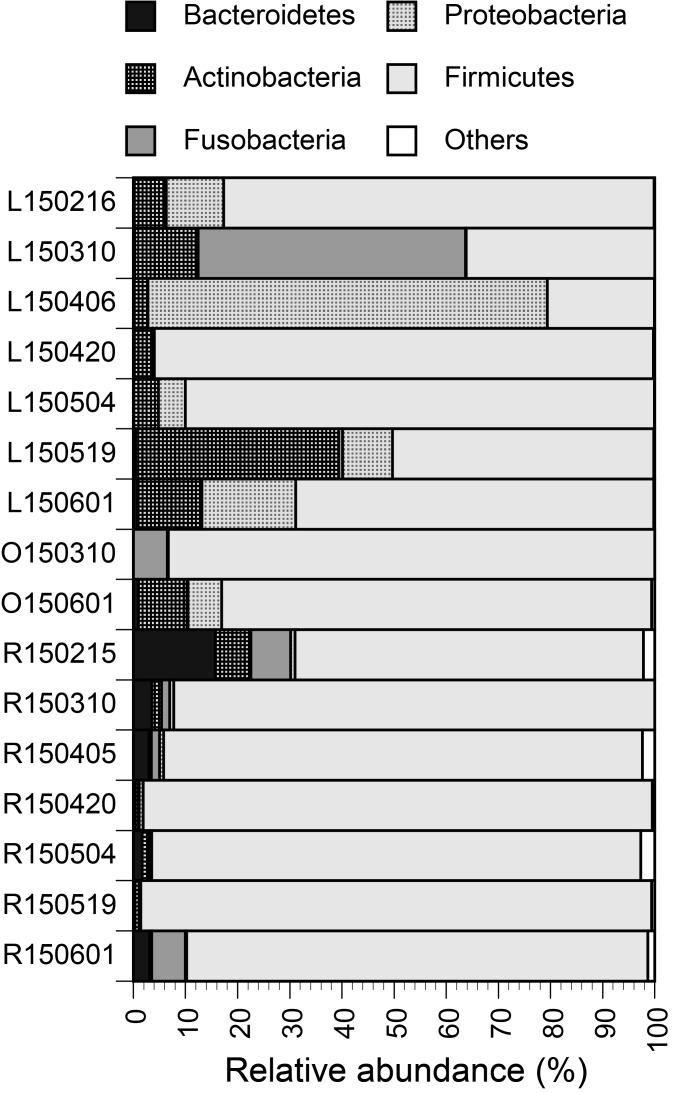
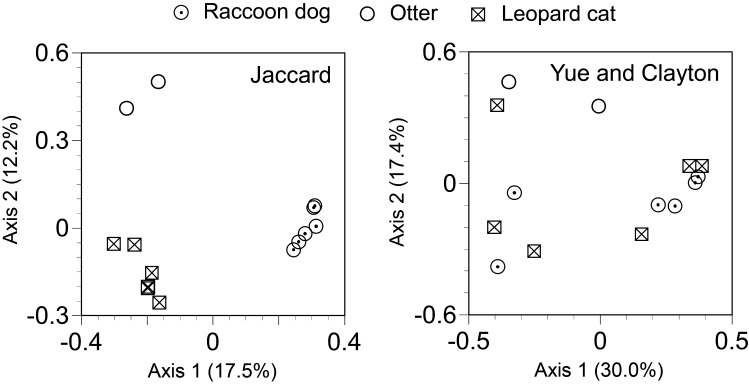
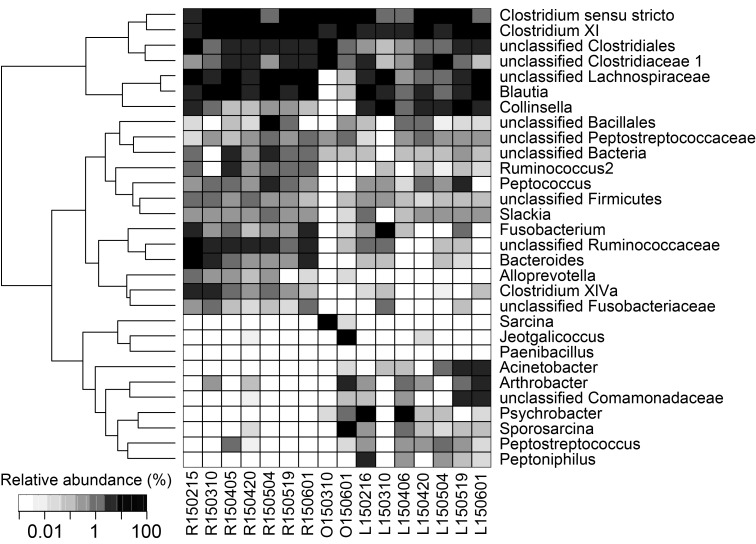
This study aimed at characterizing fecal microbiota of three captive carnivore species of leopard cats Prionailurus bengalensis, Eurasian otters Lutra lutra and raccoon dogs Nyctereutes procyonoides. We used DNA barcoding sequencing to analyze 16S rRNA genes of uncultured bacteria in the feces collected in the Seoul Zoo. The sequencing analyses revealed that: 1) Firmicutes was the most dominant phylum for all three animals; 2) bacterial genus-rank compositions were distinct across species of the animals; and 3) bacterial community memberships were different across species of the studied animals. We expect such baseline information is useful for better understanding of these endangered species and future management of their health in zoos.
本研究旨在对豹猫(Prionailurus bengalensis)、欧亚水獭(Lutra lutra)和貉(Nyctereutes procyonoides)这三种圈养食肉动物的粪便微生物群进行特征分析。我们使用DNA条形码测序技术分析了从首尔动物园采集的粪便中未培养细菌的16S rRNA基因。测序分析结果显示:1)厚壁菌门是这三种动物中最主要的菌门;2)不同动物物种之间细菌属水平的组成存在差异;3)所研究动物的不同物种之间细菌群落成员不同。我们期望这些基线信息有助于更好地了解这些濒危物种,并为未来动物园中它们的健康管理提供帮助。