Feline Research Center of National Forestry and Grassland Administration, College of Wildlife and Natural Protected Area, Northeast Forestry University, 150040, Harbin, China.
Guangdong Provincial Key Laboratory of Silviculture, Protection and Utilization, Guangdong Academy of Forestry, 510520, Guangzhou, China.
BMC Vet Res. 2020 Sep 29;16(1):363. doi: 10.1186/s12917-020-02583-1.
Gut microbes significantly contribute to nutrient digestion and absorption, intestinal health and immunity, and are essential for the survival and environmental adaptation of wild animals. However, there are few studies on the gut microbiota of captive and wild North China leopard (Panthera pardus japonensis).
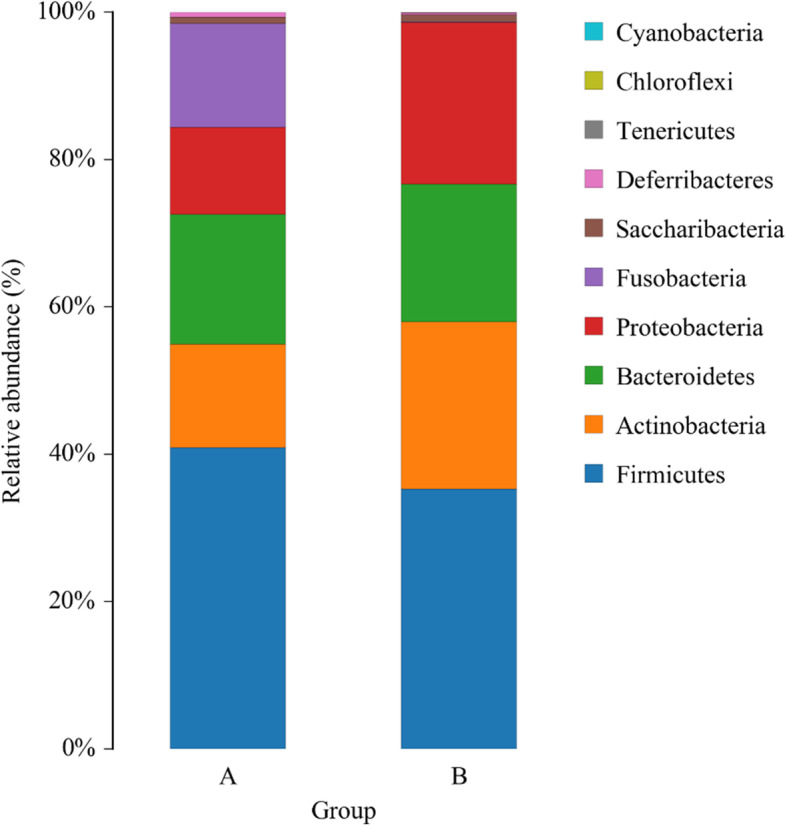
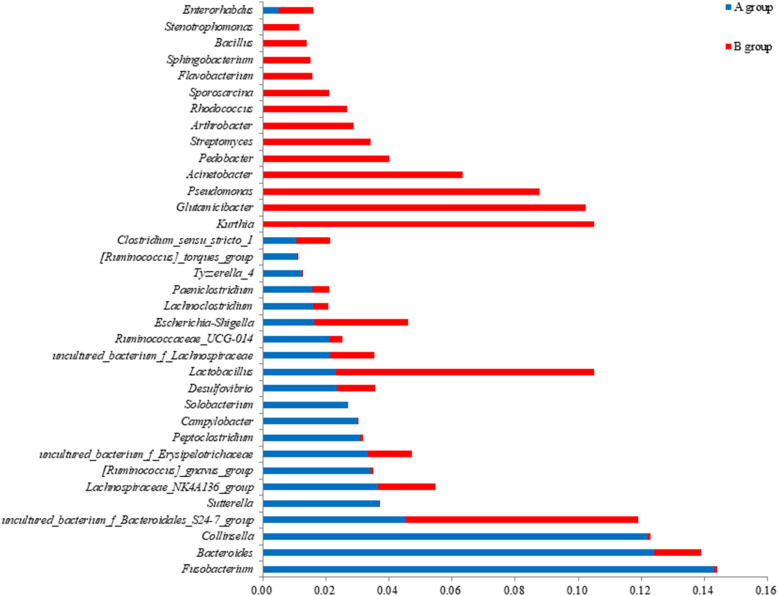
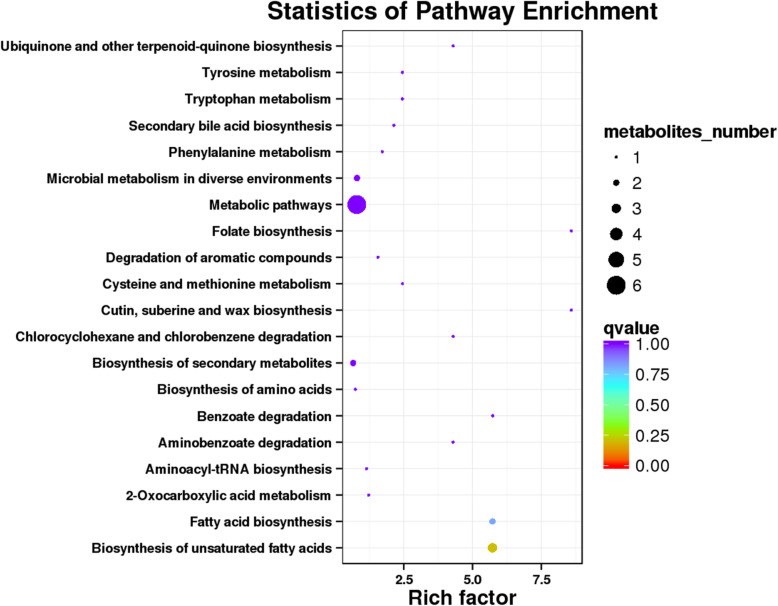
A total of 10 mainly bacterial phyla were identified in the fecal microbiota of North China leopard, Lachnoclostridium (p = 0.003), Peptoclostridium (p = 0.005), Bacteroides (p = 0.008), Fusobacterium (p = 0.017) and Collinsella (p = 0.019) were significantly higher than those of wild North China leopard. Distinct differences in the fecal metabolic phenotypes of captive and wild North China leopard were found, such as content of l-methionine, n-acetyl-l-tyrosine, pentadecanoic acid and oleic acid. Differentially abundant gut microbes were associated with fecal metabolites, especially the bacteria in Firmicutes and Bacteroidetes, involved in the metabolism of N-acetyl-L-alanine and D-quinovose.
This study reports for the first time the differences in gut microbiota abundance between captive and wild North China leopard, as well as significant differences in fecal metabolic phenotypes between two groups.
肠道微生物对营养物质的消化和吸收、肠道健康和免疫力有重要贡献,是野生动物生存和环境适应的关键。然而,关于圈养和野生华北豹( Panthera pardus japonensis )肠道微生物的研究较少。
共鉴定出 10 种主要的细菌门,在华北豹粪便微生物群中,lachnoclostridium(p=0.003)、Peptoclostridium(p=0.005)、Bacteroides(p=0.008)、Fusobacterium(p=0.017)和 Collinsella(p=0.019)明显高于野生华北豹。圈养和野生华北豹粪便代谢表型存在明显差异,如 l-蛋氨酸、n-乙酰-l-酪氨酸、十五烷酸和油酸的含量。差异丰富的肠道微生物与粪便代谢物有关,特别是厚壁菌门和拟杆菌门的细菌,参与 N-乙酰-L-丙氨酸和 D-奎诺糖的代谢。
本研究首次报道了圈养和野生华北豹肠道微生物丰度的差异,以及两组间粪便代谢表型的显著差异。