Pierdominici Marina, Maselli Angela, Locatelli Silvia L, Ciarlo Laura, Careddu Giuseppa, Patrizio Mario, Ascione Barbara, Tinari Antonella, Carlo-Stella Carmelo, Malorni Walter, Matarrese Paola, Ortona Elena
Department of Cell Biology and Neurosciences, Istituto Superiore di Sanità, Rome, Italy.
Department of Therapeutic Research and Medicine Evaluation, Istituto Superiore di Sanità, Rome, Italy.
Oncotarget. 2017 Jan 31;8(5):8522-8535. doi: 10.18632/oncotarget.14338.
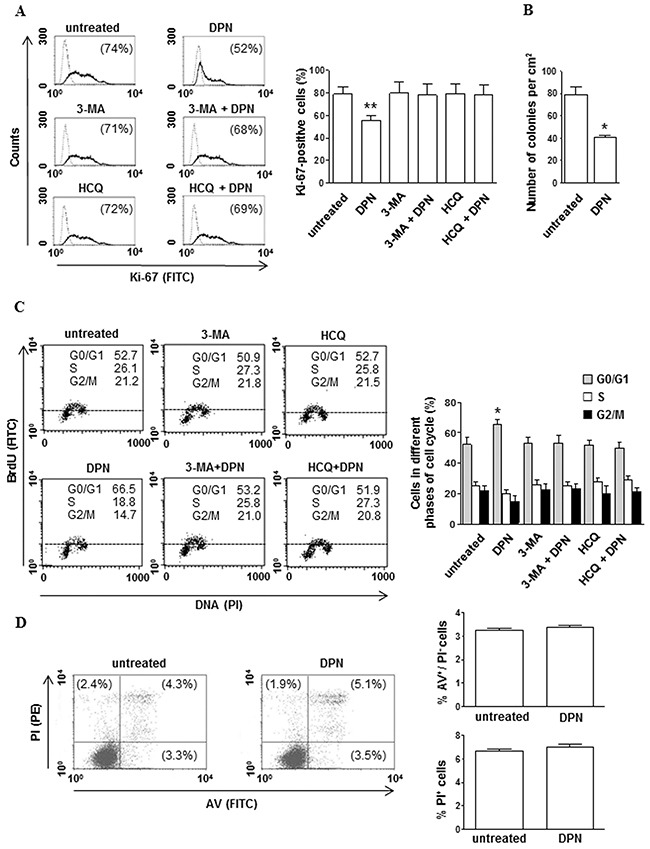
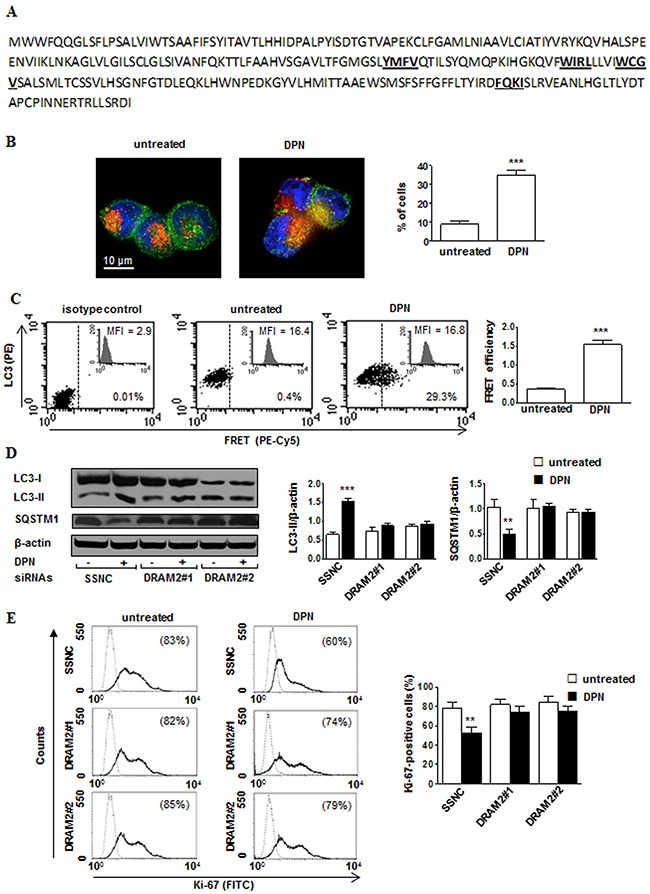
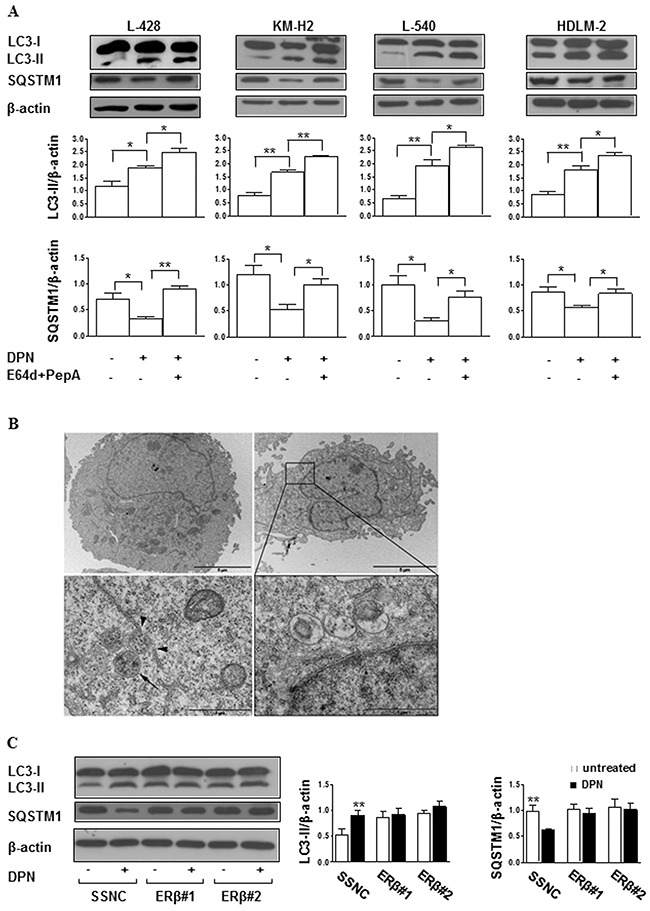
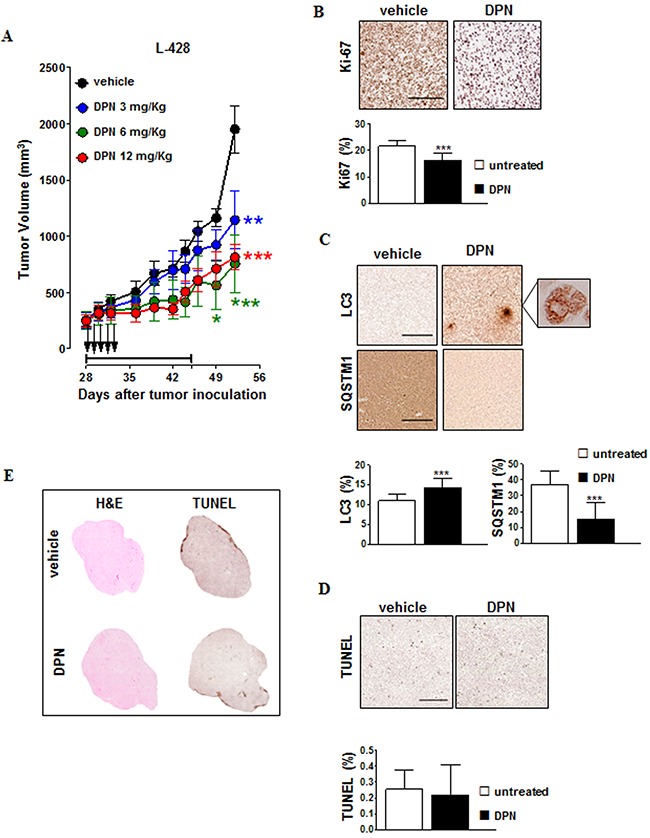
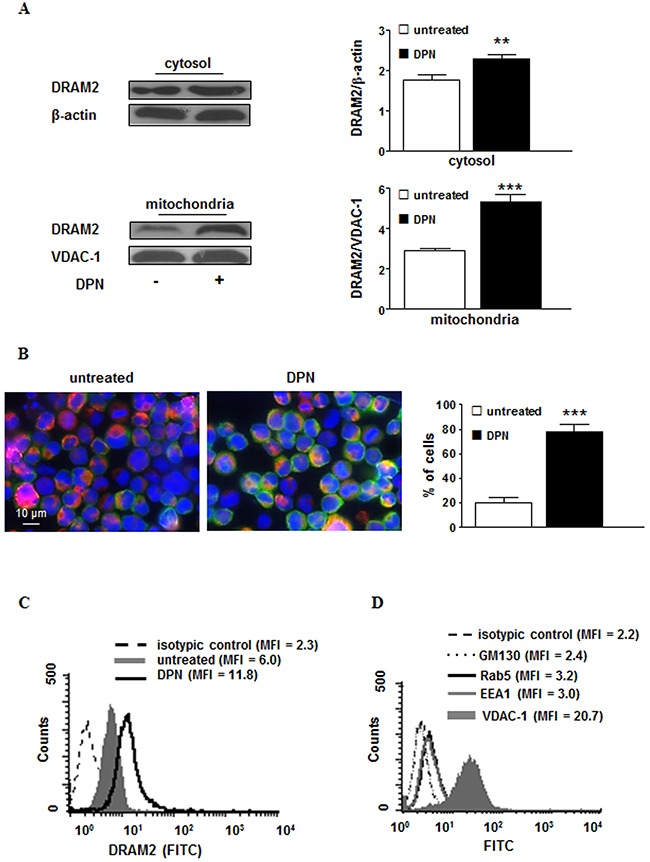
Although Hodgkin lymphoma (HL) is curable with current therapy, at least 20% of patients relapse or fail to make complete remission. In addition, patients who achieve long-term disease-free survival frequently undergo infertility, secondary malignancies, and cardiac failure, which are related to chemotherapeutic agents and radiation therapies. Hence, new therapeutic strategies able to counteract the HL disease in this important patient population are still a matter of study. Estrogens, in particular 17β-estradiol (E2), have been suggested to play a role in lymphoma cell homeostasis by estrogen receptors (ER) β activation. On these bases, we investigated whether the ligation of ERβ by a selective agonist, the 2,3-bis(4-hydroxyphenyl)-propionitrile (DPN), could impact HL tumor growth. We found that DPN-mediated ERβ activation led to a reduction of in vitro cell proliferation and cell cycle progression by inducing autophagy. In nonobese diabetic/severe combined immunodeficient (NOD/SCID) mice engrafted with HL cells, ERβ activation by DPN was able to reduce lymphoma growth up to 60% and this associated with the induction of tumor cell autophagy. Molecular characterization of ERβ-induced autophagy revealed an overexpression of damage-regulated autophagy modulator 2 (DRAM2) molecule, whose role in autophagy modulation is still debated. After ERβ activation, both DRAM2 and protein 1 light chain 3 (LC3), a key actor in the autophagosome formation, strictly interacted each other and localized at mitochondrial level.Altogether these results suggest that targeting ERβ with selective agonists might affect HL cell proliferation and tumor growth via a mechanism that brings into play DRAM2-dependent autophagic cascade.
尽管霍奇金淋巴瘤(HL)目前的治疗方法可治愈,但至少20%的患者会复发或无法完全缓解。此外,实现长期无病生存的患者经常会出现不孕、继发性恶性肿瘤和心力衰竭,这些都与化疗药物和放射治疗有关。因此,能够对抗这一重要患者群体中HL疾病的新治疗策略仍是研究的课题。雌激素,特别是17β-雌二醇(E2),已被认为通过激活雌激素受体(ER)β在淋巴瘤细胞稳态中发挥作用。基于这些,我们研究了选择性激动剂2,3-双(4-羟基苯基)-丙腈(DPN)对ERβ的结合是否会影响HL肿瘤生长。我们发现,DPN介导的ERβ激活通过诱导自噬导致体外细胞增殖和细胞周期进程的减少。在植入HL细胞的非肥胖糖尿病/严重联合免疫缺陷(NOD/SCID)小鼠中,DPN对ERβ的激活能够使淋巴瘤生长减少高达60%,这与肿瘤细胞自噬的诱导有关。ERβ诱导自噬的分子特征显示损伤调节自噬调节剂2(DRAM2)分子的过表达,其在自噬调节中的作用仍存在争议。ERβ激活后,DRAM2和自噬体形成的关键因子微管相关蛋白1轻链3(LC3)都相互严格作用并定位于线粒体水平。总之,这些结果表明,用选择性激动剂靶向ERβ可能通过一种发挥DRAM2依赖性自噬级联作用的机制影响HL细胞增殖和肿瘤生长。