Volz A, Sutter G
German Center for Infection Research (DZIF), Institute for Infectious Diseases and Zoonoses, LMU University of Munich, Munich, Germany.
German Center for Infection Research (DZIF), Institute for Infectious Diseases and Zoonoses, LMU University of Munich, Munich, Germany.
Adv Virus Res. 2017;97:187-243. doi: 10.1016/bs.aivir.2016.07.001. Epub 2016 Aug 1.
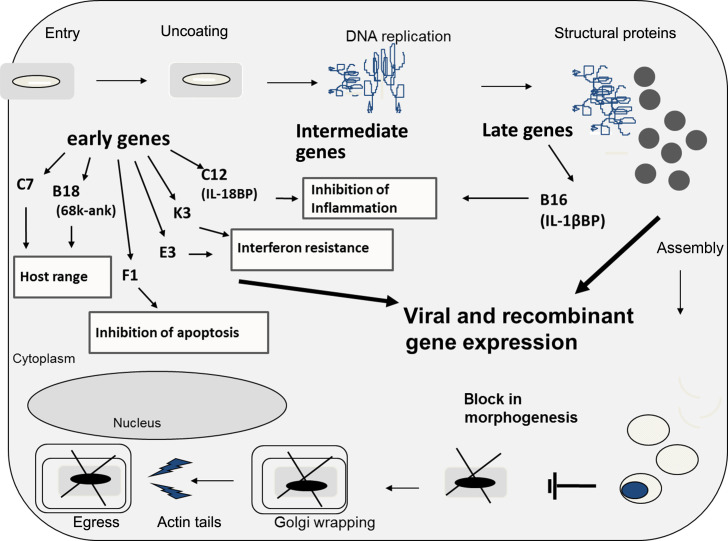
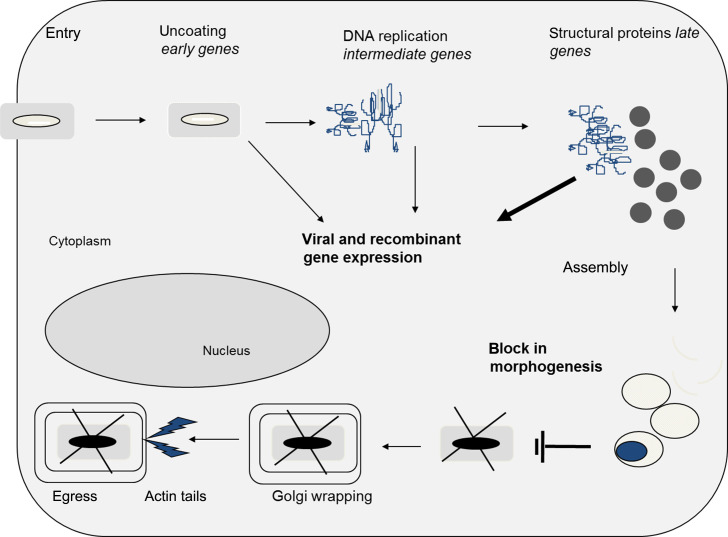
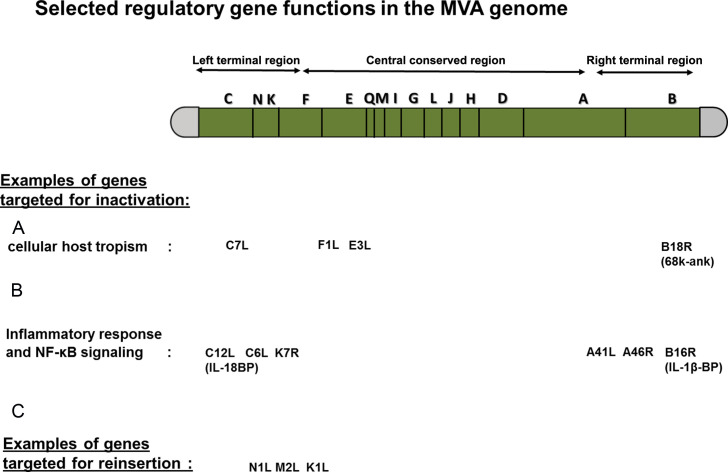
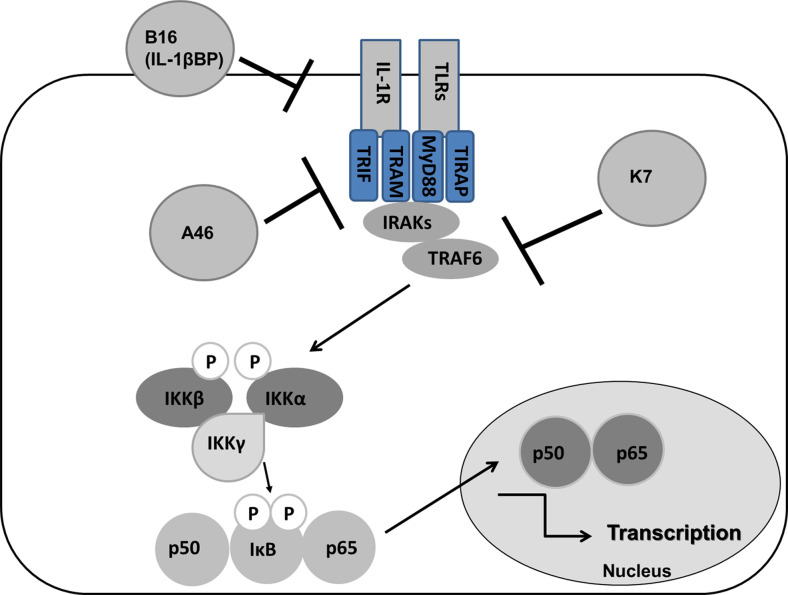
Safety tested Modified Vaccinia virus Ankara (MVA) is licensed as third-generation vaccine against smallpox and serves as a potent vector system for development of new candidate vaccines against infectious diseases and cancer. Historically, MVA was developed by serial tissue culture passage in primary chicken cells of vaccinia virus strain Ankara, and clinically used to avoid the undesirable side effects of conventional smallpox vaccination. Adapted to growth in avian cells MVA lost the ability to replicate in mammalian hosts and lacks many of the genes orthopoxviruses use to conquer their host (cell) environment. As a biologically well-characterized mutant virus, MVA facilitates fundamental research to elucidate the functions of poxvirus host-interaction factors. As extremely safe viral vectors MVA vaccines have been found immunogenic and protective in various preclinical infection models. Multiple recombinant MVA currently undergo clinical testing for vaccination against human immunodeficiency viruses, Mycobacterium tuberculosis or Plasmodium falciparum. The versatility of the MVA vector vaccine platform is readily demonstrated by the swift development of experimental vaccines for immunization against emerging infections such as the Middle East Respiratory Syndrome. Recent advances include promising results from the clinical testing of recombinant MVA-producing antigens of highly pathogenic avian influenza virus H5N1 or Ebola virus. This review summarizes our current knowledge about MVA as a unique strain of vaccinia virus, and discusses the prospects of exploiting this virus as research tool in poxvirus biology or as safe viral vector vaccine to challenge existing and future bottlenecks in vaccinology.
经过安全性测试的改良安卡拉痘苗病毒(MVA)被许可作为预防天花的第三代疫苗,并且作为一种有效的载体系统用于开发针对传染病和癌症的新型候选疫苗。从历史上看,MVA是通过在安卡拉痘苗病毒株的原代鸡细胞中进行连续组织培养传代而开发的,并在临床上用于避免传统天花疫苗接种的不良副作用。适应在禽类细胞中生长后,MVA失去了在哺乳动物宿主中复制的能力,并且缺乏许多正痘病毒用于征服其宿主(细胞)环境的基因。作为一种生物学特性明确的突变病毒,MVA有助于开展基础研究以阐明痘病毒宿主相互作用因子的功能。作为极其安全的病毒载体,MVA疫苗在各种临床前感染模型中已被证明具有免疫原性和保护性。目前,多种重组MVA正在进行针对人类免疫缺陷病毒、结核分枝杆菌或恶性疟原虫的疫苗接种临床试验。针对中东呼吸综合征等新出现感染的实验性疫苗的迅速开发,充分展示了MVA载体疫苗平台的多功能性。最近的进展包括重组MVA产生高致病性禽流感病毒H5N1或埃博拉病毒抗原的临床试验取得了有前景的结果。这篇综述总结了我们目前对作为痘苗病毒独特毒株的MVA的认识,并讨论了利用这种病毒作为痘病毒生物学研究工具或作为安全的病毒载体疫苗来应对疫苗学中现有和未来瓶颈的前景。