Dadacı Zeynep, Borazan Mehmet, Öncel Acır Nurşen
Mevlana University Faculty of Medicine, Department of Ophthalmology, Konya, Turkey.
Turk J Ophthalmol. 2016 Aug;46(4):151-155. doi: 10.4274/tjo.13914. Epub 2016 Aug 15.
Evaluation of pain during and after phacoemulsification with topical anesthesia in patients with senile cataract and investigation of factors related with pain.
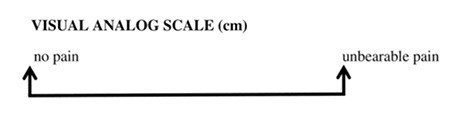
Ninety-two adult patients scheduled for routine clear corneal phacoemulsification with topical anesthesia who had no previous cataract surgery in their fellow eyes were included in the study. Verbal pain scale and visual analog scale were used to measure pain intensity. Demographic characteristics, concomitant systemic diseases, drug consumption, need of additional anesthesia during surgery, surgical complications, duration of surgery and surgeon comfort were also evaluated for each patient.
Seventy-two patients (78.3%) reported pain during surgery and 68 patients (73.9%) reported pain in the period after the surgery. When the intensity of pain during the surgery was evaluated, the percentage of patients reporting mild, moderate and intense pain was 35.9%, 25.0% and 17.4%, respectively. The average verbal pain score during the surgery was 1.4±1.0 (0-3). Reported pain level was not associated with age or gender (p>0.05). Diabetic patients and patients who consumed nonsteroidal anti-inflammatory drugs in the morning before operation reported less pain during and after the surgery (p<0.05). There were no complications except posterior capsule rupture in one patient. Duration of surgery was longer in patients who reported pain during surgery (p<0.05). There was no significant difference between pain reported during surgery and surgeon comfort (p>0.05).
Patients frequently experience pain during phacoemulsification with topical anesthesia. Although pain perception does not affect surgical success, preoperative administration of analgesics in suitable patients or giving additional anesthesia to patients reporting severe pain during surgery may increase patient comfort.
评估老年性白内障患者表面麻醉下白内障超声乳化术中及术后的疼痛情况,并探究与疼痛相关的因素。
本研究纳入了92例计划行表面麻醉下常规透明角膜白内障超声乳化术的成年患者,其对侧眼未曾接受过白内障手术。采用言语疼痛量表和视觉模拟量表来测量疼痛强度。还对每位患者的人口统计学特征、伴随的全身性疾病、药物使用情况、手术期间额外麻醉的需求、手术并发症、手术时长以及术者舒适度进行了评估。
72例患者(78.3%)报告术中疼痛,68例患者(73.9%)报告术后疼痛。评估术中疼痛强度时,报告轻度、中度和重度疼痛的患者百分比分别为35.9%、25.0%和17.4%。术中言语疼痛评分的平均值为1.4±1.0(0 - 3)。报告的疼痛程度与年龄或性别无关(p>0.05)。糖尿病患者以及术前早晨服用非甾体类抗炎药的患者在术中和术后报告的疼痛较少(p<0.05)。除1例患者发生后囊破裂外,无其他并发症。术中报告疼痛患者的手术时长更长(p<0.05)。术中报告的疼痛与术者舒适度之间无显著差异(p>0.05)。
表面麻醉下白内障超声乳化术患者常经历疼痛。尽管疼痛感知不影响手术成功率,但对合适的患者术前给予镇痛药或对术中报告严重疼痛的患者给予额外麻醉可能会提高患者的舒适度。