Unal Ali Ugur, Kostek Osman, Takir Mumtaz, Caklili Ozge, Uzunlulu Mehmet, Oguz Aytekin
Department of Internal Medicine, Istanbul Medeniyet University, Goztepe Training and Research Hospital, Istanbul, Turkey.
Division of Endocrinology and Department of Internal Medicine, Istanbul Medeniyet University, Goztepe Training and Research Hospital, Istanbul, Turkey.
North Clin Istanb. 2015 Dec 31;2(3):189-195. doi: 10.14744/nci.2015.79188. eCollection 2015.
The aim of this study is to evaluate the demographic characteristics of critically ill patients and to determine intensive care unit (ICU) mortality and its predictors.
This study was undertaken in the Istanbul Medeniyet University Göztepe Training and Research Hospital Medical ICU. Between May 2012 and January 2013, 111 patients (53 female, 58 male; mean age, 73.79±14.73, mean length of ICU length stay, 9.1±10.7; prevalence of geriatric patients, 77.5%) were admitted to the ICU. The common indications for ICU admission, prevalence of mechanical ventilation support, hematological and biochemical parameters and their effects on mortality were assessed.
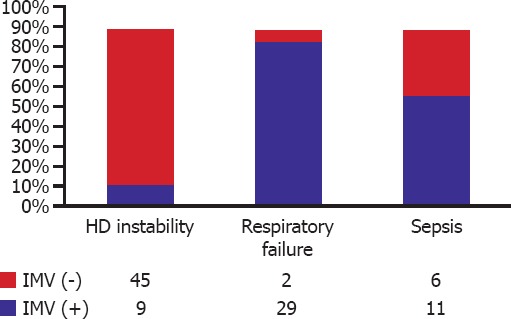
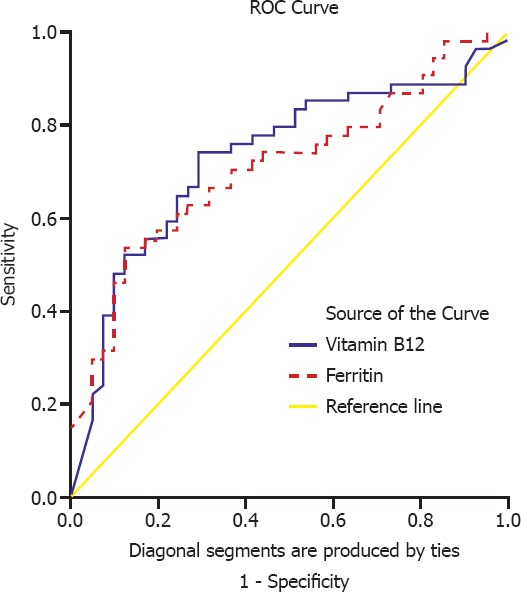
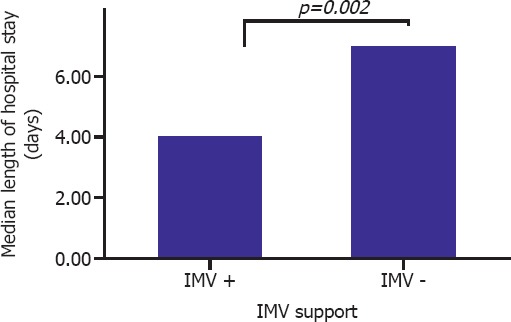
The common indications for ICU admission were hemodynamic instability (48.6%), respiratory failure (27.9%) and sepsis (15.3%). Hypertension (46.8%) was the most common comorbidity. Prevalance rates of heart failure and diabetes mellitus were 32.4% and 25.2% respectively. Mortality rate was 52.3% in all patients. Approximately 80% of all deaths was observed within the first fifteen-day. In additon, mortality rate (85.7%) was prominent within patients in need of the mechanical ventilation support. Mechanical ventilation requirement, increased ferritin and vitamin B12 levels were independent risk factors for mortality in critically ill patients (p<0.01, for all).
Mortality rate was higher in medical ICU. Herein, increased prevalence of geriatric population, concomitant comorbidities and mechanical ventilation requirements may play role.
本研究旨在评估重症患者的人口统计学特征,并确定重症监护病房(ICU)的死亡率及其预测因素。
本研究在伊斯坦布尔梅德尼耶特大学戈兹特佩培训与研究医院内科重症监护病房进行。2012年5月至2013年1月期间,111例患者(53例女性,58例男性;平均年龄73.79±14.73岁,平均ICU住院时间9.1±10.7天;老年患者患病率77.5%)入住ICU。评估了入住ICU的常见指征、机械通气支持的患病率、血液学和生化参数及其对死亡率的影响。
入住ICU的常见指征为血流动力学不稳定(48.6%)、呼吸衰竭(27.9%)和脓毒症(15.3%)。高血压(46.8%)是最常见的合并症。心力衰竭和糖尿病的患病率分别为32.4%和25.2%。所有患者的死亡率为52.3%。约80%的死亡发生在头15天内。此外,需要机械通气支持的患者死亡率(85.7%)较高。机械通气需求、铁蛋白和维生素B12水平升高是重症患者死亡的独立危险因素(均p<0.01)。
内科重症监护病房的死亡率较高。在此,老年人口患病率增加、合并症以及机械通气需求可能起了作用。