Veres Judit M, Nagy Gergő A, Hájos Norbert
'Lendület' Laboratory of Network Neurophysiology, Institute of Experimental Medicine, Hungarian Academy of Sciences, Budapest, Hungary.
János Szentágothai School of Neurosciences, Semmelweis University, Budapest, Hungary.
Elife. 2017 Jan 6;6:e20721. doi: 10.7554/eLife.20721.
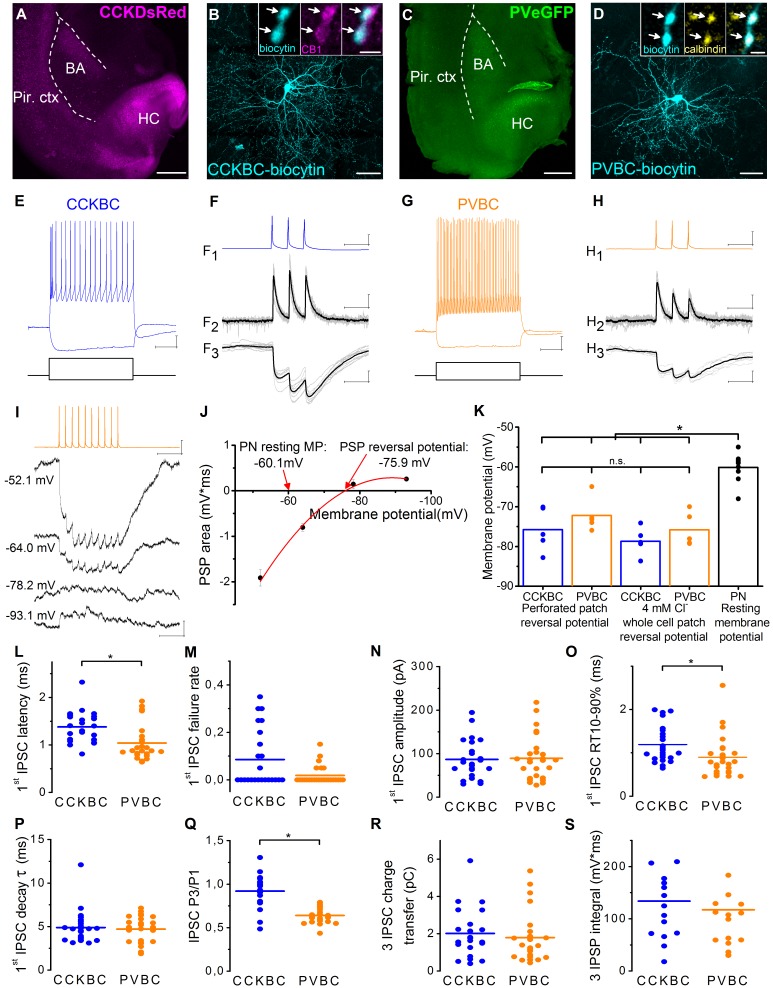
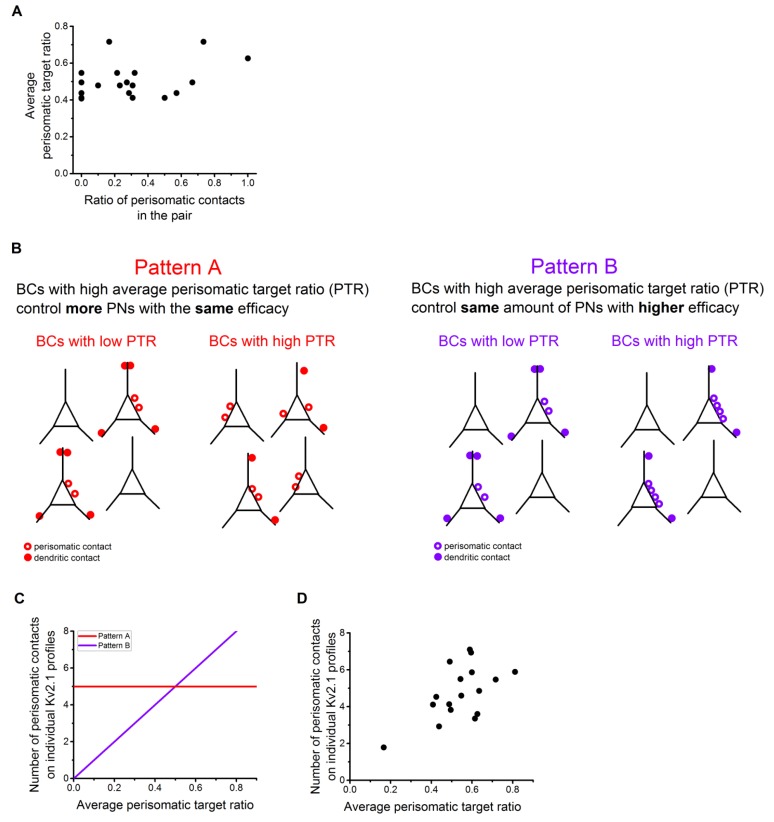
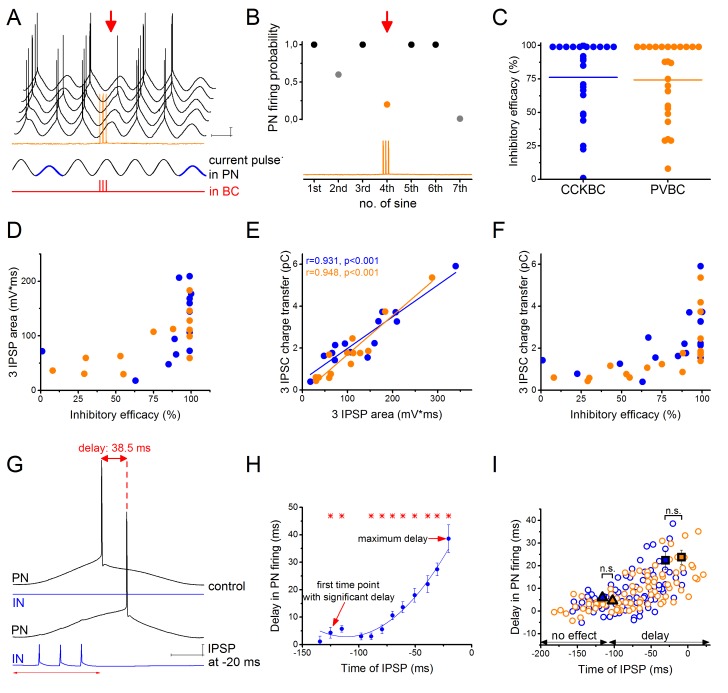
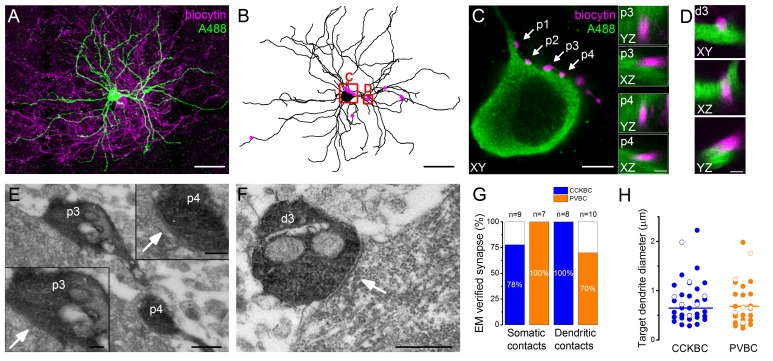
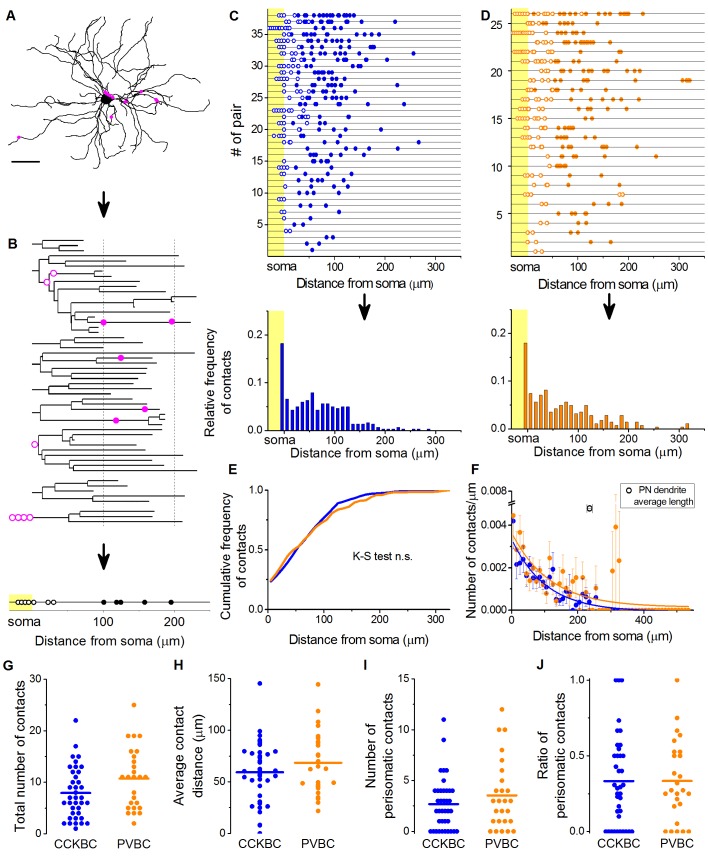
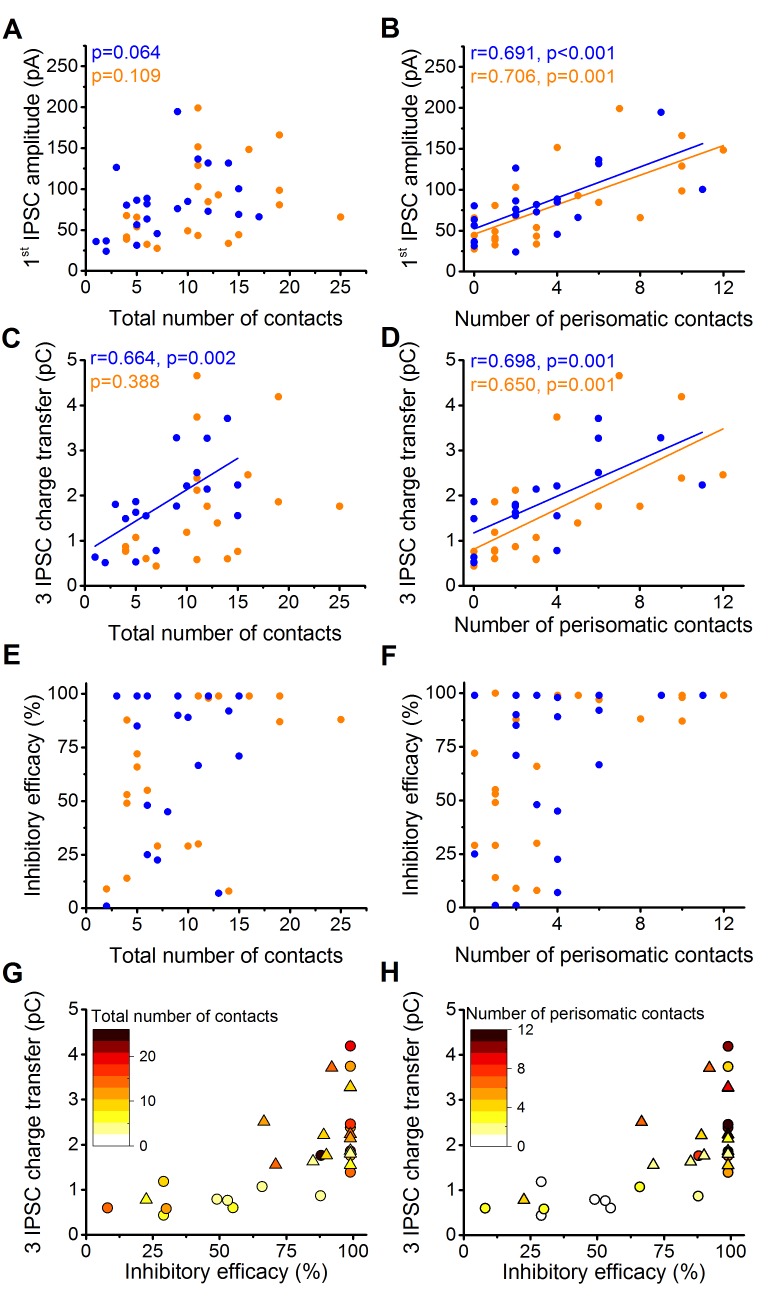
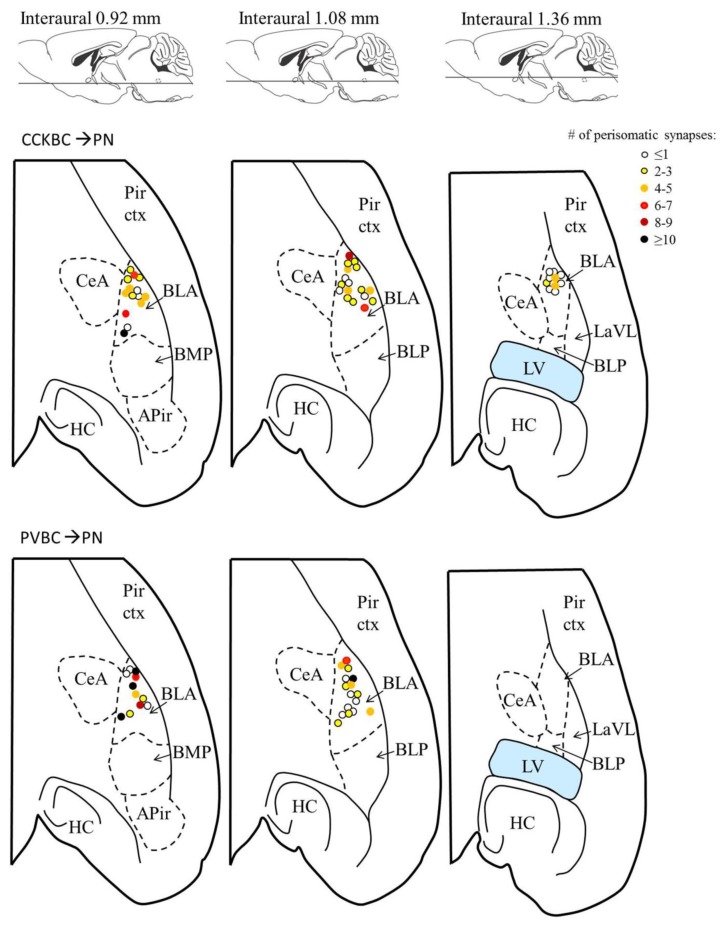
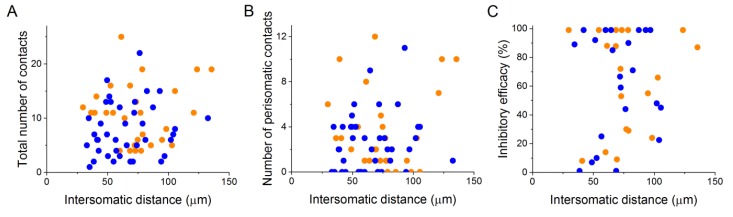
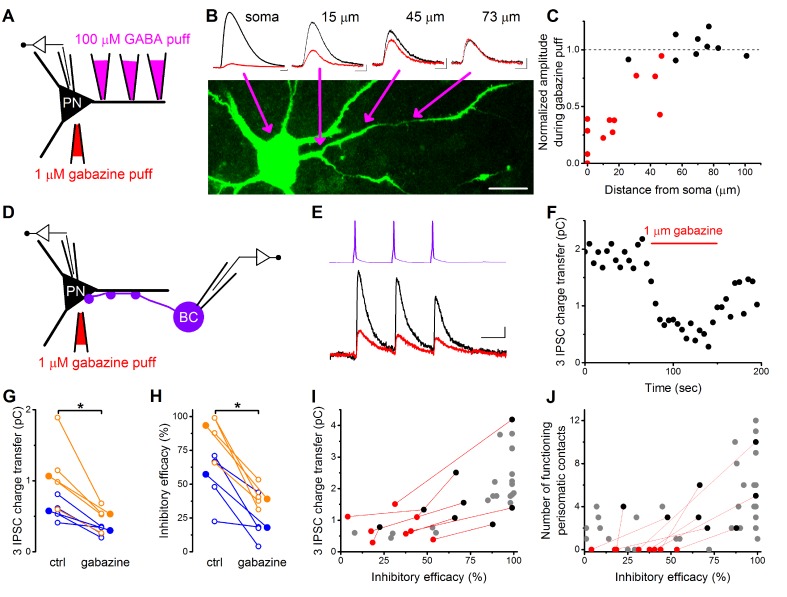
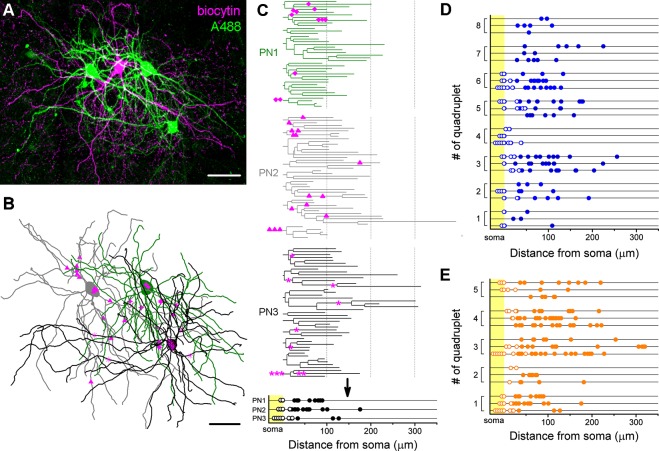
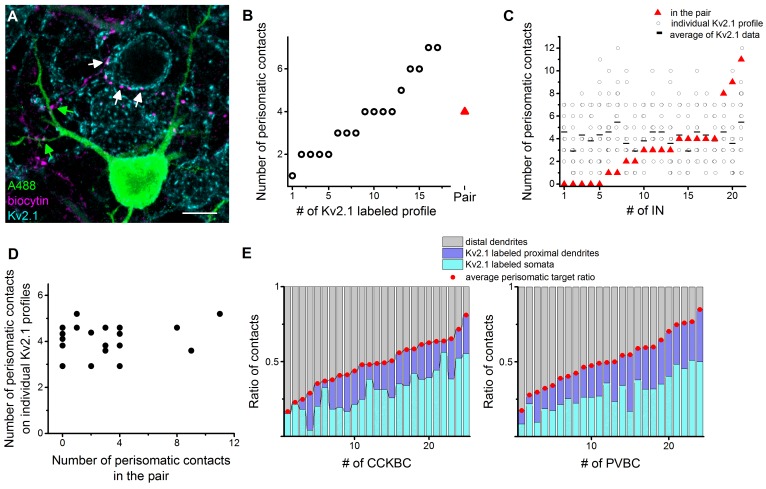
Efficient control of principal neuron firing by basket cells is critical for information processing in cortical microcircuits, however, the relative contribution of their perisomatic and dendritic synapses to spike inhibition is still unknown. Using in vitro electrophysiological paired recordings we reveal that in the mouse basal amygdala cholecystokinin- and parvalbumin-containing basket cells provide equally potent control of principal neuron spiking. We performed pharmacological manipulations, light and electron microscopic investigations to show that, although basket cells innervate the entire somato-denditic membrane surface of principal neurons, the spike controlling effect is achieved primarily via the minority of synapses targeting the perisomatic region. As the innervation patterns of individual basket cells on their different postsynaptic partners show high variability, the impact of inhibitory control accomplished by single basket cells is also variable. Our results show that both basket cell types can powerfully regulate the activity in amygdala networks predominantly via their perisomatic synapses.
篮状细胞对主要神经元放电的有效控制对于皮质微电路中的信息处理至关重要,然而,它们的胞周突触和树突突触对尖峰抑制的相对贡献仍然未知。利用体外电生理配对记录,我们发现,在小鼠基底杏仁核中,含有胆囊收缩素和小白蛋白的篮状细胞对主要神经元的放电具有同样有效的控制作用。我们进行了药理学操作、光学和电子显微镜研究,以表明,尽管篮状细胞支配主要神经元的整个体树突膜表面,但尖峰控制效应主要是通过少数靶向胞周区域的突触实现的。由于单个篮状细胞在其不同突触后伙伴上的支配模式显示出高度变异性,单个篮状细胞完成的抑制控制的影响也是可变的。我们的结果表明,两种类型的篮状细胞都可以主要通过其胞周突触有力地调节杏仁核网络中的活动。