Majerus Steve J A, Fletter Paul C, Ferry Elizabeth K, Zhu Hui, Gustafson Kenneth J, Damaser Margot S
Advanced Pltatform Technology Center, Louis Stokes Veterans Affairs Medical Center, Cleveland, OH, United States of America.
Department of Electrical Engineering and Computer Sciences, Case Western Reserve University, Cleveland, OH, United States of America.
PLoS One. 2017 Jan 6;12(1):e0168375. doi: 10.1371/journal.pone.0168375. eCollection 2017.
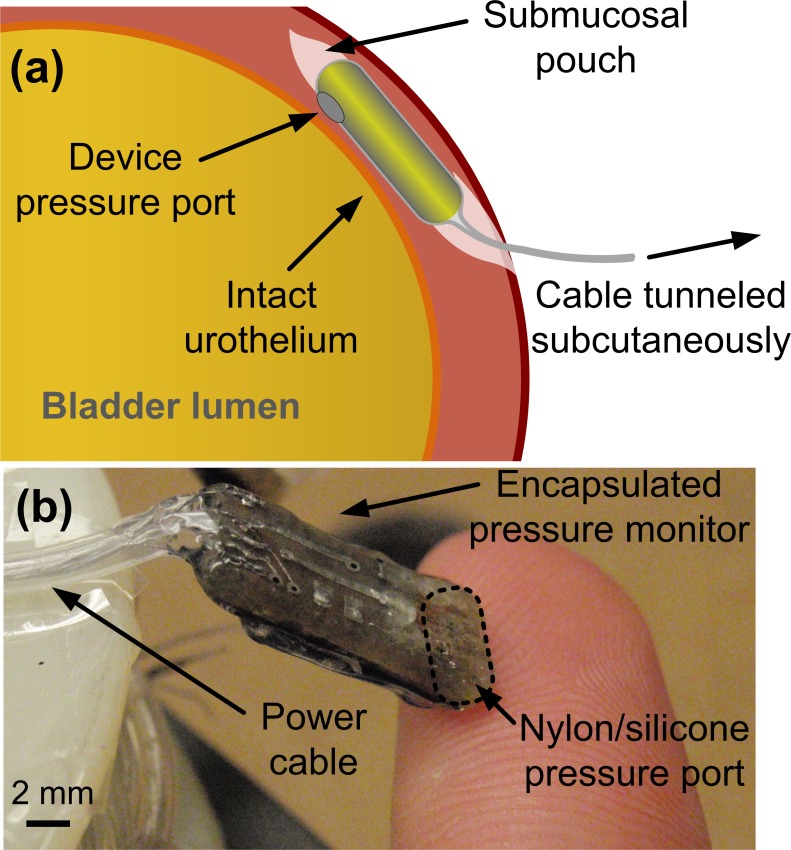
Managing bladder pressure in patients with neurogenic bladders is needed to improve rehabilitation options, avoid upper tract damage, incontinence, and their associated co-morbidities and mortality. Current methods of determining bladder contractions are not amenable to chronic or ambulatory settings. In this study we evaluated detection of bladder contractions using a novel piezoelectric catheter-free pressure sensor placed in a suburothelial bladder location in animals.
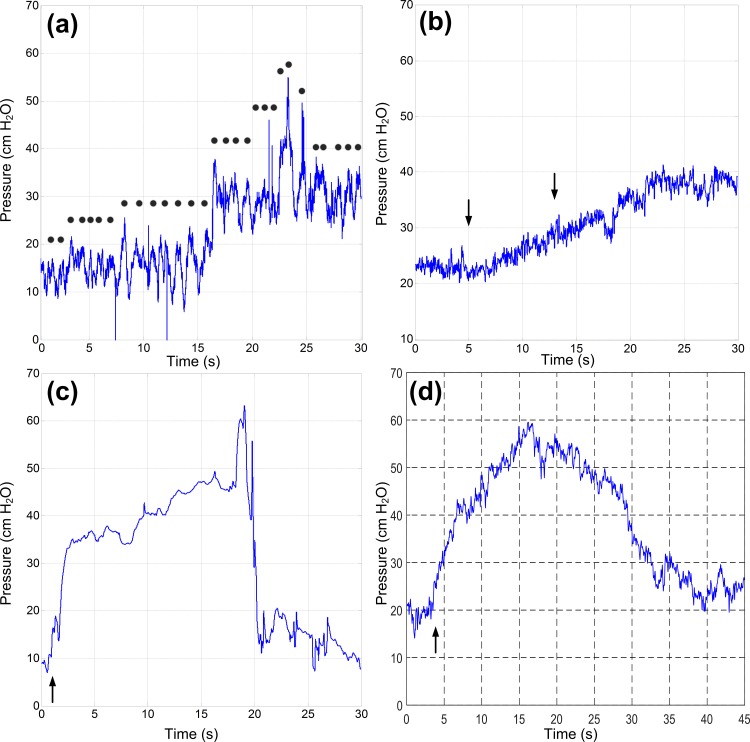
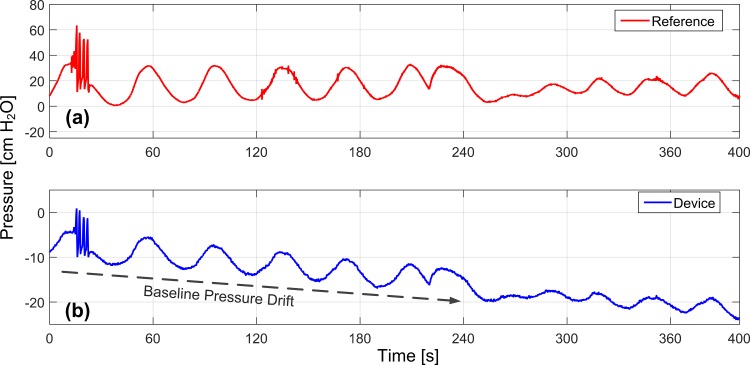
Wired prototypes of the pressure monitor were implanted into 2 nonsurvival (feline and canine) and one 13-day survival (canine) animal. Vesical pressures were obtained from the device in both suburothelial and intraluminal locations and simultaneously from a pressure sensing catheter in the bladder. Intravesical pressure was monitored in the survival animal over 10 days from the suburothelial location and necropsy was performed to assess migration and erosion.
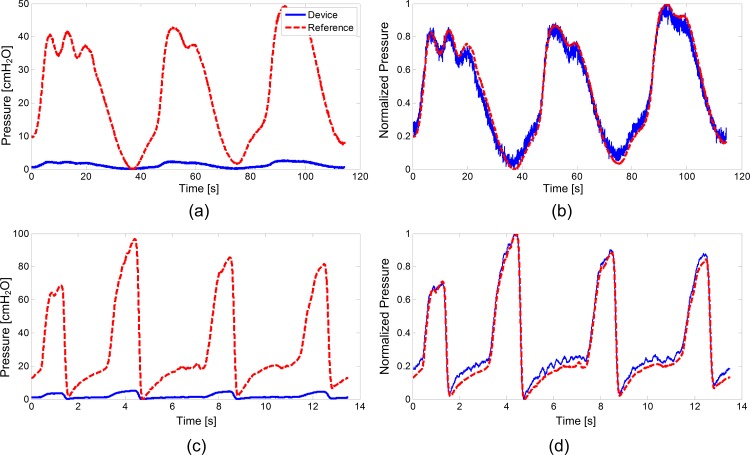
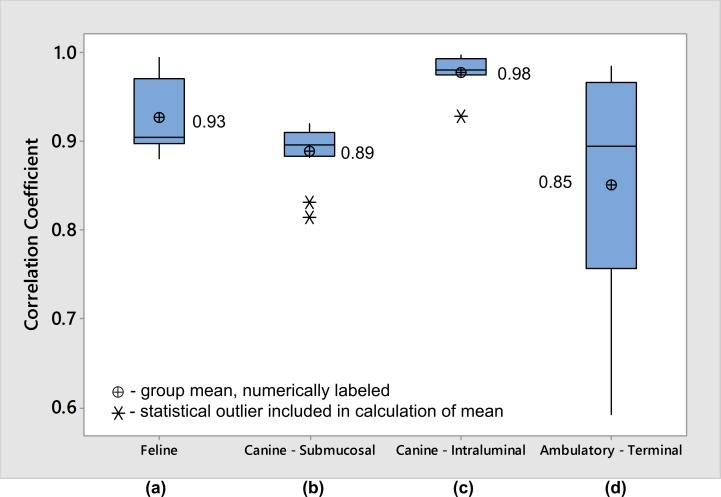
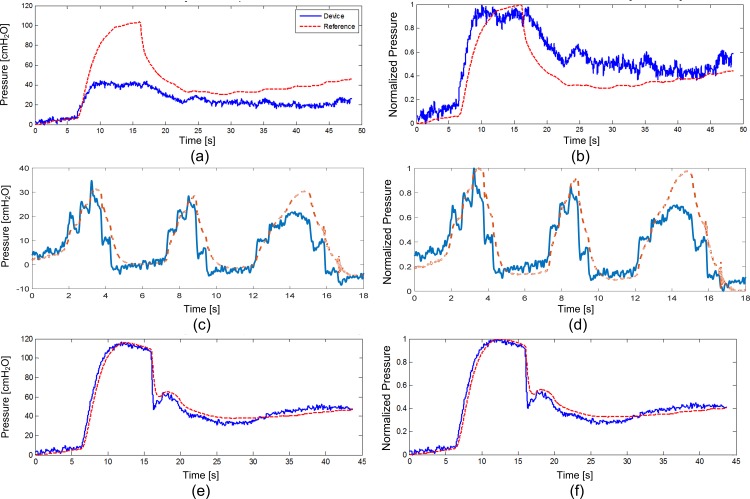
In the nonsurvival animals, the average correlation between device and reference catheter data was high during both electrically stimulated bladder contractions and manual compressions (r = 0.93±0.03, r = 0.89±0.03). Measured pressures correlated strongly (r = 0.98±0.02) when the device was placed in the bladder lumen. The survival animal initially recorded physiologic data, but later this deteriorated. However, endstage intraluminal device recordings correlated (r = 0.85±0.13) with the pressure catheter. Significant erosion of the implant through the detrusor was found.
This study confirms correlation between suburothelial pressure readings and intravesical bladder pressures. Due to device erosion during ambulatory studies, a wireless implant is recommended for clinical rehabilitation applications.
控制神经源性膀胱患者的膀胱压力对于改善康复选择、避免上尿路损伤、尿失禁及其相关合并症和死亡率是必要的。目前确定膀胱收缩的方法不适用于慢性或动态监测环境。在本研究中,我们评估了使用一种新型的无压电导管压力传感器检测动物膀胱黏膜下位置的膀胱收缩情况。
将压力监测器的有线原型植入2只非存活动物(猫和狗)和1只存活13天的动物(狗)体内。从膀胱黏膜下和腔内位置的装置获取膀胱压力,并同时从膀胱内的压力传感导管获取压力。在存活动物中,从膀胱黏膜下位置监测膀胱内压力10天,并进行尸检以评估移位和侵蚀情况。
在非存活动物中,在电刺激膀胱收缩和手动按压期间,装置与参考导管数据之间的平均相关性都很高(r = 0.93±0.03,r = 0.89±0.03)。当装置置于膀胱腔内时,测量的压力相关性很强(r = 0.98±0.02)。存活动物最初记录了生理数据,但后来数据恶化。然而,末期腔内装置记录与压力导管相关(r = 0.85±0.13)。发现植入物通过逼尿肌有明显侵蚀。
本研究证实了膀胱黏膜下压力读数与膀胱内压力之间的相关性。由于动态研究期间装置出现侵蚀,建议用于临床康复应用的无线植入物。