An Junhui, Zheng Yu, Dann Christina Tenenhaus
Department of Chemistry, Indiana University, Chemistry A025, 800 E. Kirkwood Avenue, Bloomington, IN 47405-7102, USA.
Department of Chemistry, Indiana University, Chemistry A025, 800 E. Kirkwood Avenue, Bloomington, IN 47405-7102, USA.
Stem Cell Reports. 2017 Feb 14;8(2):446-459. doi: 10.1016/j.stemcr.2016.12.006. Epub 2017 Jan 5.
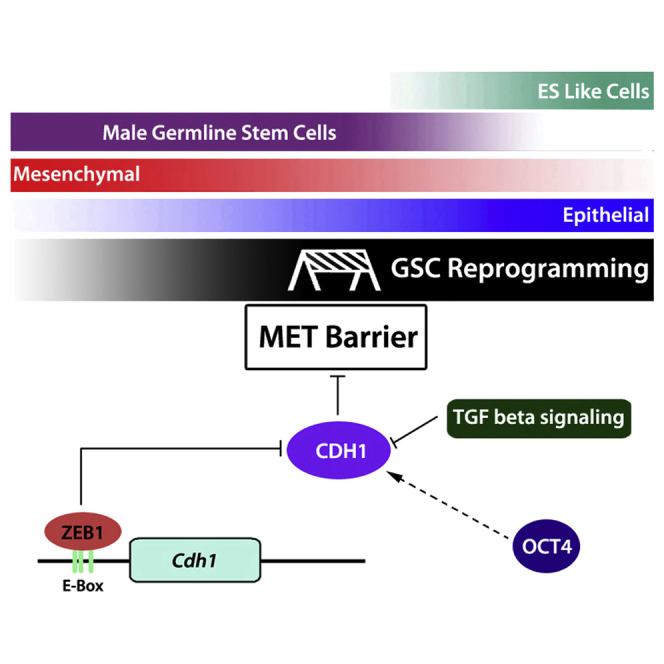
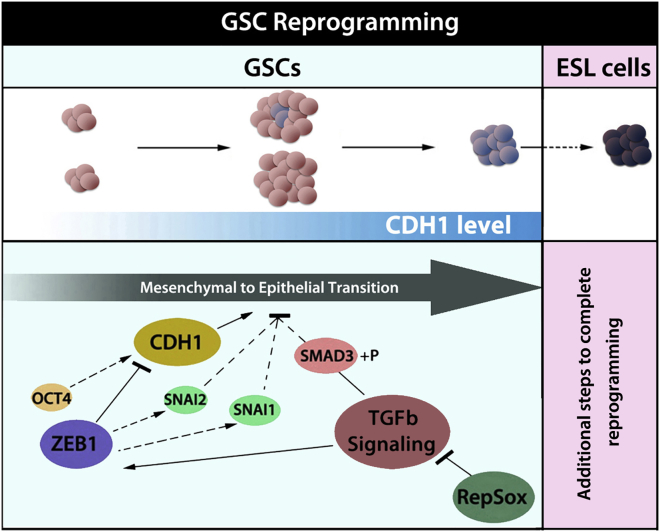
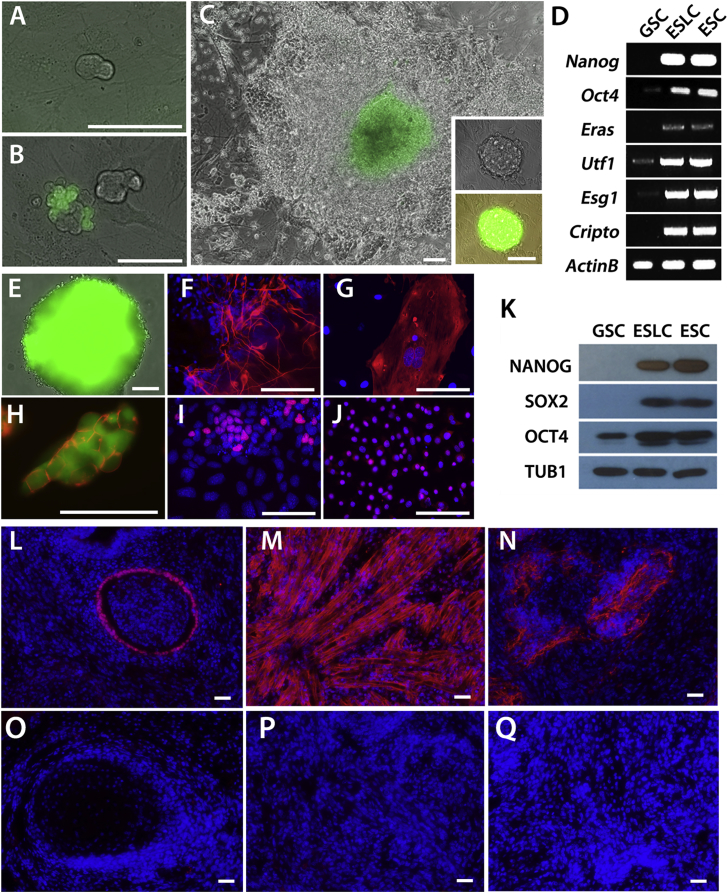
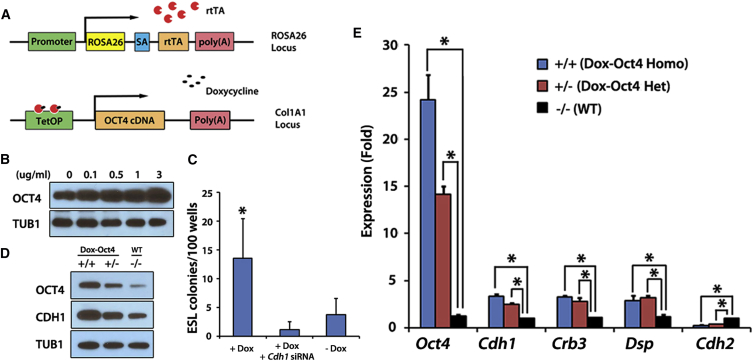
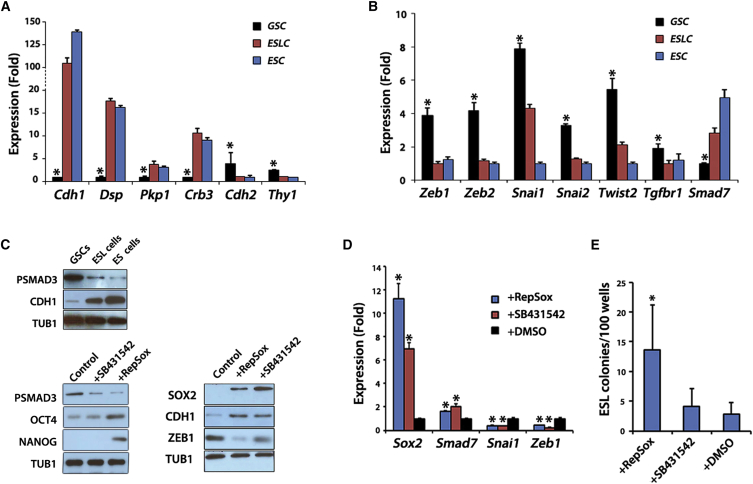
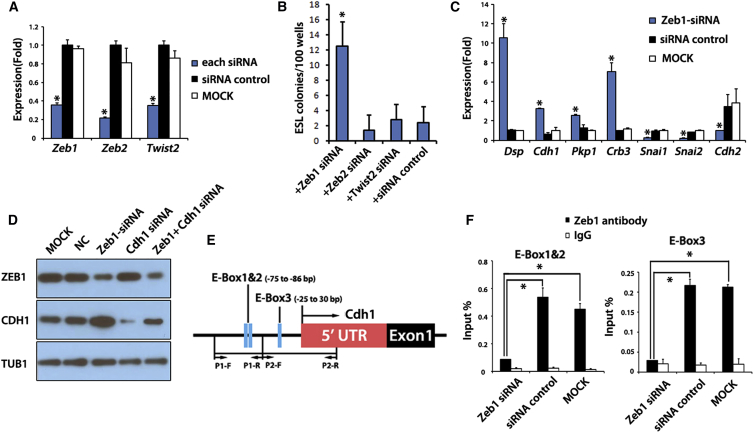
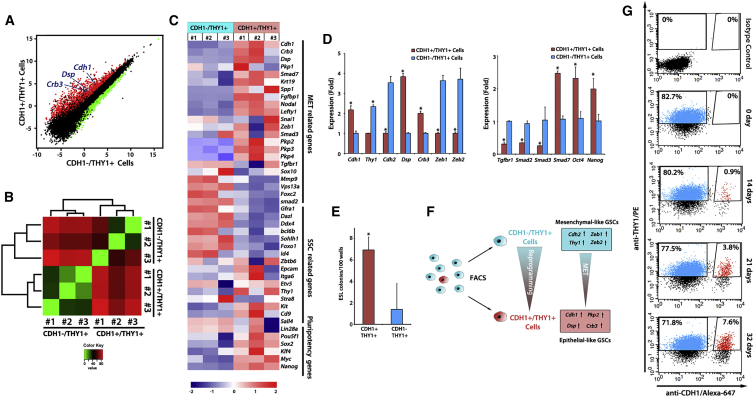
Cultured spermatogonial stem cells (GSCs) can spontaneously form pluripotent cells in certain culture conditions. However, GSC reprogramming is a rare event that is largely unexplained. We show GSCs have high expression of mesenchymal to epithelial transition (MET) suppressors resulting in a developmental barrier inhibiting GSC reprogramming. Either increasing OCT4 or repressing transforming growth factor β (TGF-β) signaling promotes GSC reprogramming by upregulating CDH1 and boosting MET. Reducing ZEB1 also enhances GSC reprogramming through its direct effect on CDH1. RNA sequencing shows that rare GSCs, identified as CDH1 after trypsin digestion, are epithelial-like cells. CDH1 GSCs exhibit enhanced reprogramming and become more prevalent during the course of reprogramming. Our results provide a mechanistic explanation for the spontaneous emergence of pluripotent cells from GSC cultures; namely, rare GSCs upregulate CDH1 and initiate MET, processes normally kept in check by ZEB1 and TGF-β signaling, thereby ensuring germ cells are protected from aberrant acquisition of pluripotency.
培养的精原干细胞(GSCs)在特定培养条件下可自发形成多能细胞。然而,GSC重编程是一种罕见事件,其机制在很大程度上尚不清楚。我们发现GSCs中上皮-间质转化(MET)抑制因子高表达,导致发育障碍,抑制GSC重编程。增加OCT4或抑制转化生长因子β(TGF-β)信号传导,通过上调CDH1和促进MET来促进GSC重编程。降低ZEB1也通过其对CDH1的直接作用增强GSC重编程。RNA测序表明,经胰蛋白酶消化后鉴定为CDH1的罕见GSCs是上皮样细胞。CDH1 GSCs表现出增强的重编程能力,并且在重编程过程中变得更为普遍。我们的结果为从GSC培养物中自发产生多能细胞提供了一种机制解释;即,罕见的GSCs上调CDH1并启动MET,这些过程通常受ZEB1和TGF-β信号传导的控制,从而确保生殖细胞免受多能性的异常获得。