D'Argenio Valeria, Torino Marielva, Precone Vincenza, Casaburi Giorgio, Esposito Maria Valeria, Iaffaldano Laura, Malapelle Umberto, Troncone Giancarlo, Coto Iolanda, Cavalcanti Paolina, De Rosa Gaetano, Salvatore Francesco, Sacchetti Lucia
CEINGE-Biotecnologie Avanzate, via G. Salvatore 486, 80145 Naples, Italy.
Department of Molecular Medicine and Medical Biotechnologies, University of Naples Federico II, via Pansini 5, 80131 Naples, Italy.
Int J Mol Sci. 2017 Jan 6;18(1):109. doi: 10.3390/ijms18010109.
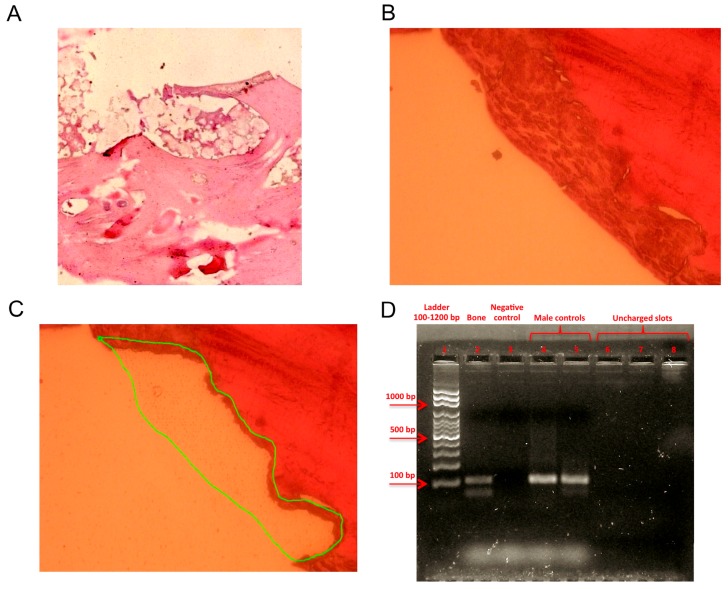
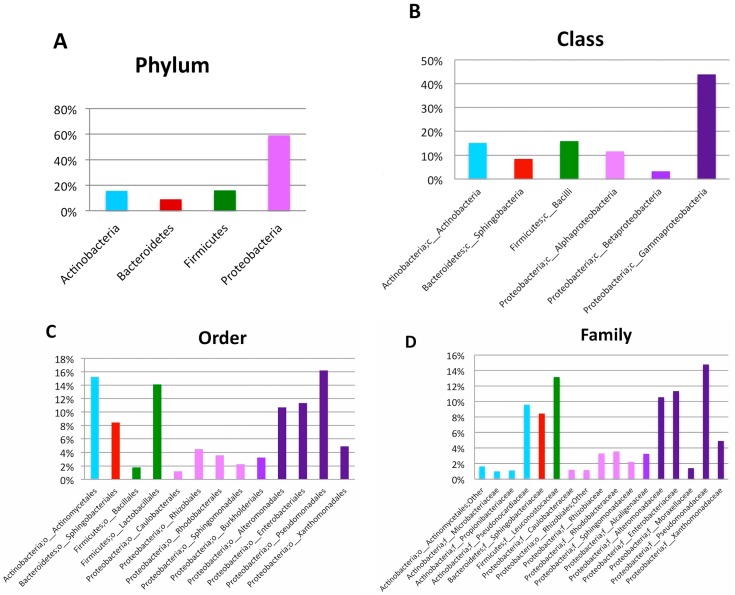
The history of medicine abounds in cases of mysterious deaths, especially by infectious diseases, which were probably unresolved because of the lack of knowledge and of appropriate technology. The aim of this study was to exploit contemporary technologies to try to identify the cause of death of a young boy who died from a putative "infection" at the end of the 18th century, and for whom an extraordinarily well-preserved minute bone fragment was available. After confirming the nature of the sample, we used laser microdissection to select the most "informative" area to be examined. Tissue genotyping indicated male gender, thereby confirming the notary's report. 16S ribosomal RNA sequencing showed that and were more abundant than and , and that was the most abundant bacterial genus in the family. These data suggest that the patient most likely died from Pseudomonas osteomyelitis. This case is an example of how new technological approaches, like laser microdissection and next-generation sequencing, can resolve ancient cases of uncertain etiopathology. Lastly, medical samples may contain a wealth of information that may not be accessible until more sophisticated technology becomes available. Therefore, one may envisage the possibility of systematically storing medical samples for evaluation by future generations.
医学史上神秘死亡的案例比比皆是,尤其是死于传染病的案例,这些案例很可能因缺乏知识和适当技术而未得到解决。本研究的目的是利用当代技术,试图确定一名18世纪末因疑似“感染”而死亡的小男孩的死因,并且有一块保存异常完好的微小骨碎片可供研究。在确认样本性质后,我们使用激光显微切割技术选择最“有信息量”的区域进行检测。组织基因分型表明为男性,从而证实了公证人的报告。16S核糖体RNA测序显示,[此处原文缺失具体菌种信息]比[此处原文缺失具体菌种信息]更丰富,并且[此处原文缺失具体菌种信息]是[此处原文缺失具体菌科信息]菌科中最丰富的细菌属。这些数据表明,该患者很可能死于假单胞菌骨髓炎。这个案例说明了像激光显微切割和新一代测序这样的新技术方法如何能够解决病因不明的古老病例。最后,医学样本可能包含大量信息,直到有更先进的技术可用时才可能获取这些信息。因此,可以设想有系统地存储医学样本以供后代评估的可能性。