Prasad Vidya Mangala, Miller Andrew S, Klose Thomas, Sirohi Devika, Buda Geeta, Jiang Wen, Kuhn Richard J, Rossmann Michael G
Department of Biological Sciences, Purdue University, West Lafayette, Indiana, USA.
Nat Struct Mol Biol. 2017 Feb;24(2):184-186. doi: 10.1038/nsmb.3352. Epub 2017 Jan 9.
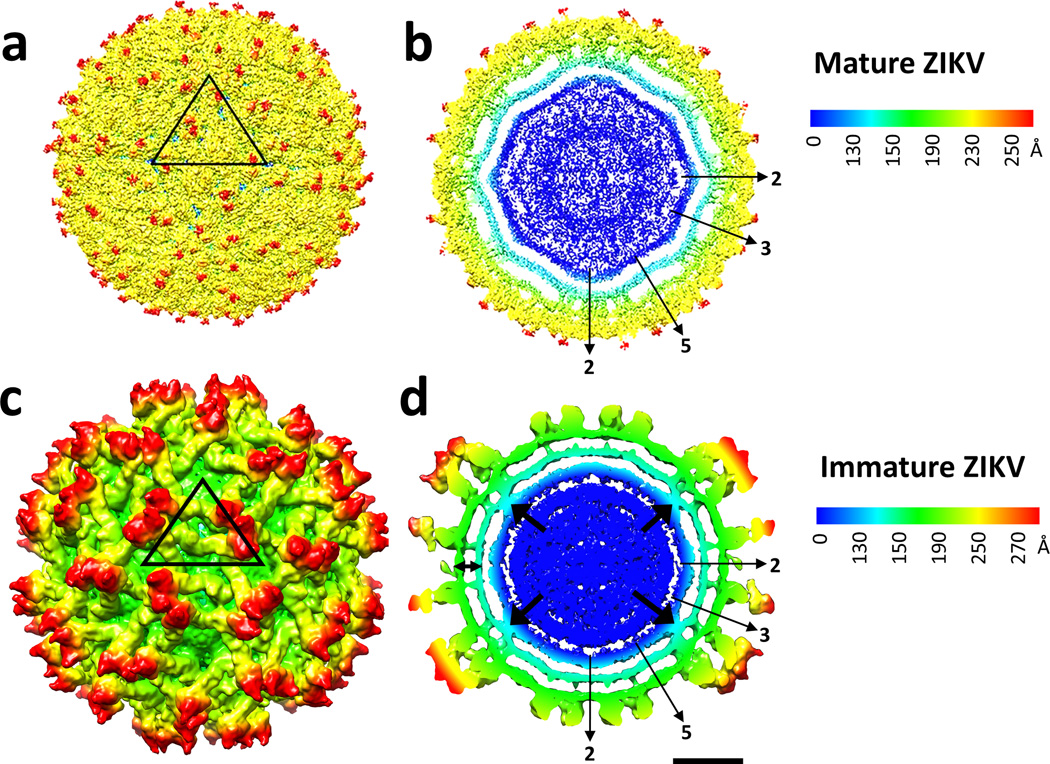
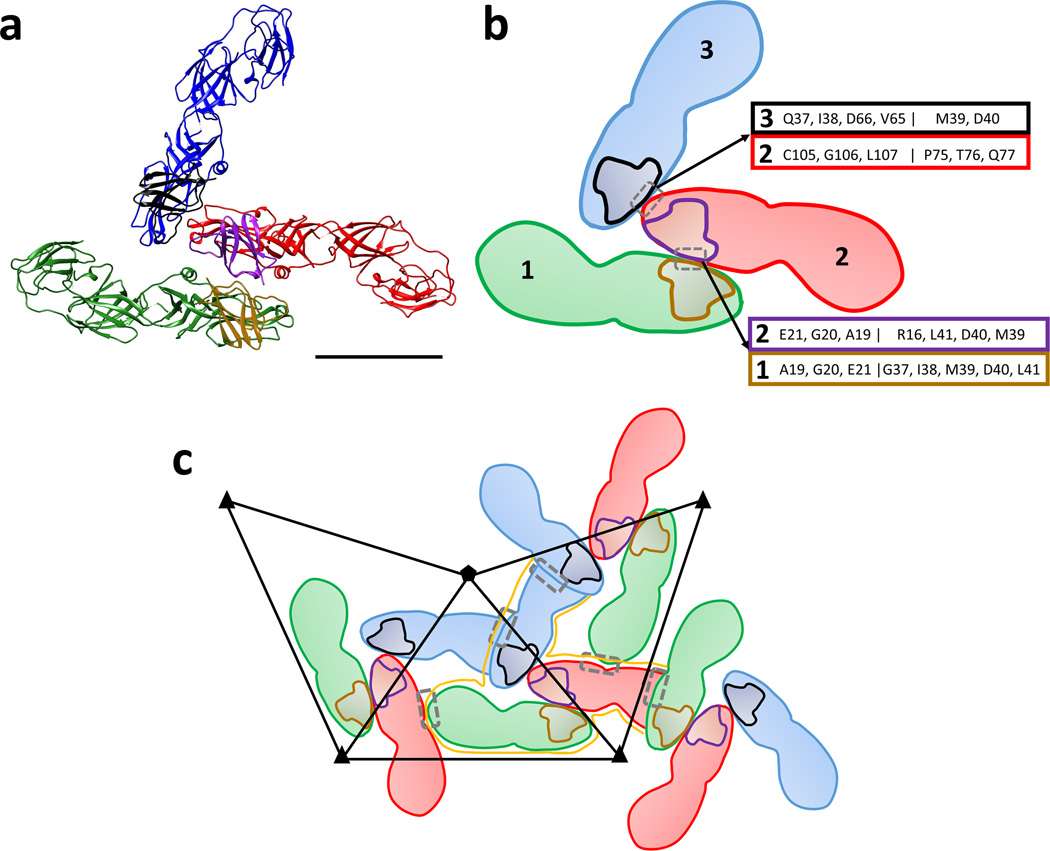
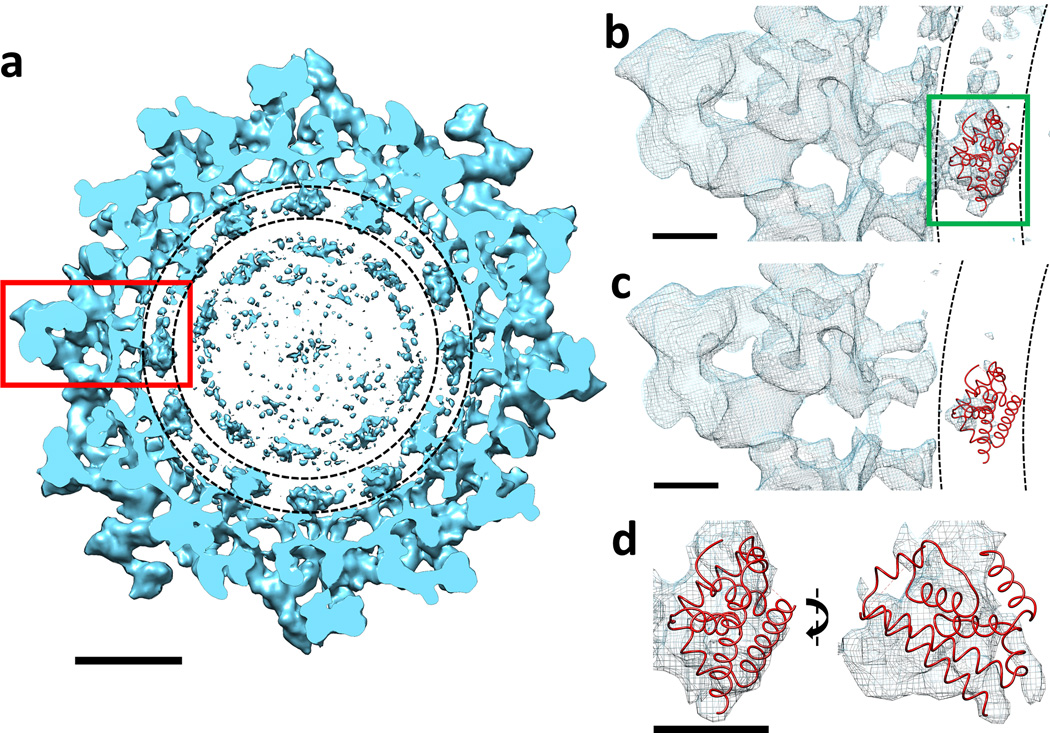
The current Zika virus (ZIKV) epidemic is characterized by severe pathogenicity in both children and adults. Sequence changes in ZIKV since its first isolation are apparent when pre-epidemic strains are compared with those causing the current epidemic. However, the residues that are responsible for ZIKV pathogenicity are largely unknown. Here we report the cryo-electron microscopy (cryo-EM) structure of the immature ZIKV at 9-Å resolution. The cryo-EM map was fitted with the crystal structures of the precursor membrane and envelope glycoproteins and was shown to be similar to the structures of other known immature flaviviruses. However, the immature ZIKV contains a partially ordered capsid protein shell that is less prominent in other immature flaviviruses. Furthermore, six amino acids near the interface between pr domains at the top of the spikes were found to be different between the pre-epidemic and epidemic ZIKV, possibly influencing the composition and structure of the resulting viruses.
当前的寨卡病毒(ZIKV)疫情的特点是在儿童和成人中都具有严重的致病性。将疫情前的毒株与引发当前疫情的毒株进行比较时,自首次分离以来寨卡病毒的序列变化很明显。然而,导致寨卡病毒致病性的残基在很大程度上尚不清楚。在此,我们报告了未成熟寨卡病毒在9埃分辨率下的冷冻电子显微镜(cryo-EM)结构。冷冻电子显微镜图谱与前体膜和包膜糖蛋白的晶体结构进行了拟合,结果显示其与其他已知未成熟黄病毒的结构相似。然而,未成熟寨卡病毒含有一个部分有序的衣壳蛋白壳,这在其他未成熟黄病毒中不太明显。此外,在疫情前和疫情期间的寨卡病毒中,发现刺突顶部pr结构域之间界面附近的六个氨基酸不同,这可能影响所产生病毒的组成和结构。