Rivas Costa Carlos, Fernández Iglesias Manuel José, Anido Rifón Luis Eulogio, Gómez Carballa Miguel, Valladares Rodríguez Sonia
Ingeniería Telemática, University of Vigo , Vigo , Spain.
PeerJ. 2017 Jan 3;5:e2845. doi: 10.7717/peerj.2845. eCollection 2017.
The computing capabilities of state-of-the-art television sets and media centres may facilitate the introduction of computer-assisted evaluation at home. This approach would help to overcome the drawbacks of traditional pen-and-paper evaluations administered in clinical facilities, as they could be performed in a more comfortable environment, the subject's home, and they would be more flexible for designing complex environments for the evaluation of neuropsychological constructs that are difficult to assess through traditional testing. The objective of this work was to obtain some initial evidence about the technical acceptance by senior adults of serious games played at home on the TV set and therefore about the convenience of further investigating such an approach to cognitive assesment.
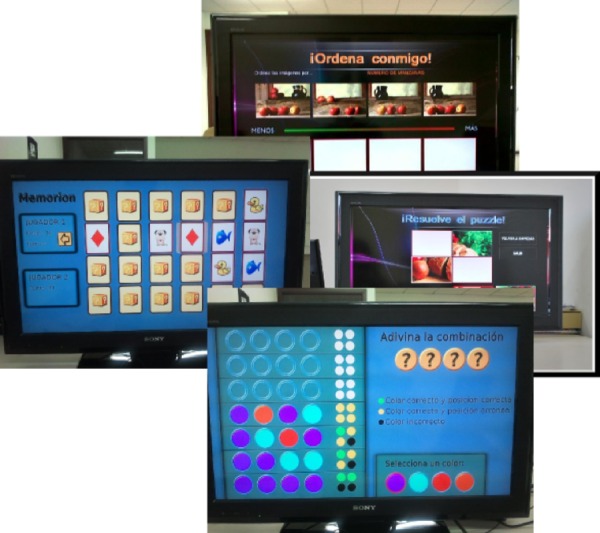
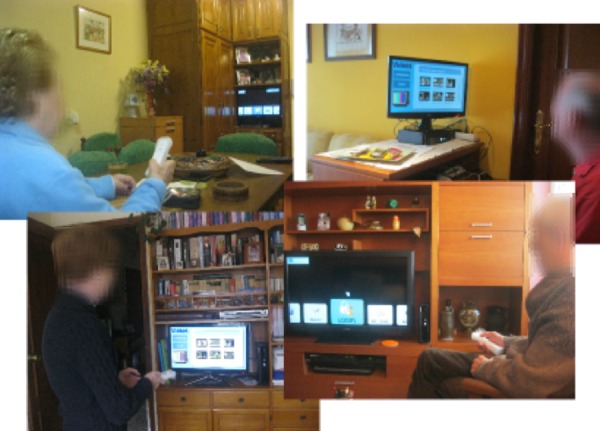
We developed a collection of games to be deployed on a TV environment. These games were tried by a group of senior adults at their homes. The Technology Acceptance Model (TAM) was used to validate this approach. Surveys were performed to study the perceived usefulness and perceived ease of use of such technical setting as an instrument for their cognitive evaluation; that is, its technical acceptance. Subjective information collected from participants was correlated with actual interaction data captured. An additional survey was performed 36 months after pilot testing to have an indication about the long-term perceptions about usefulness and ease of use.
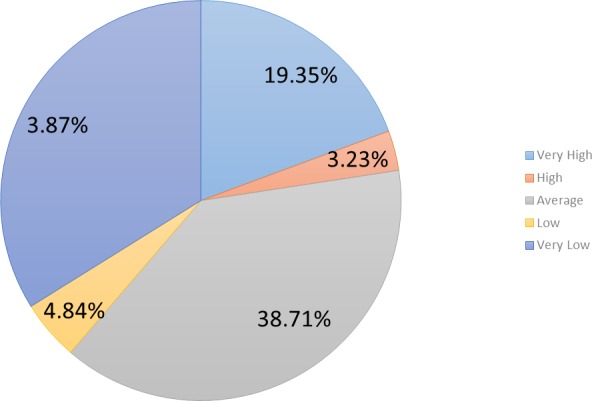
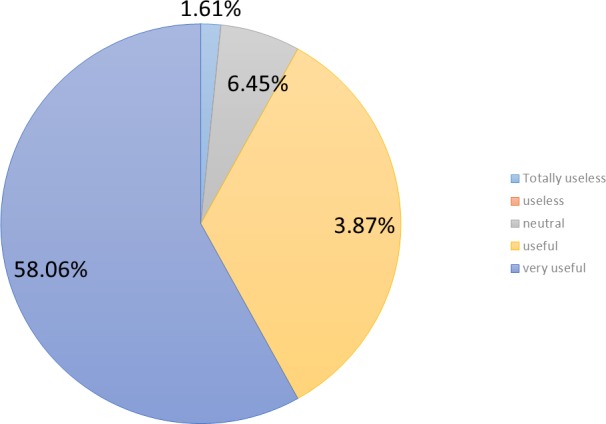
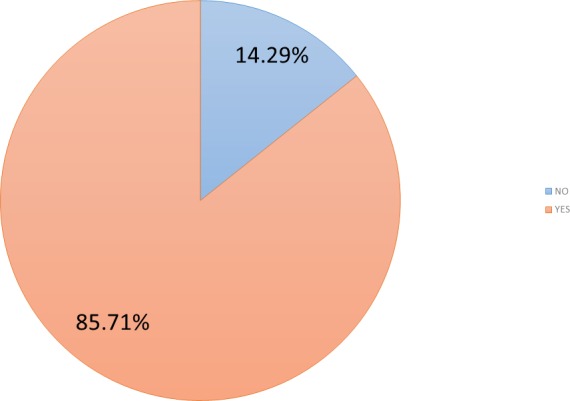
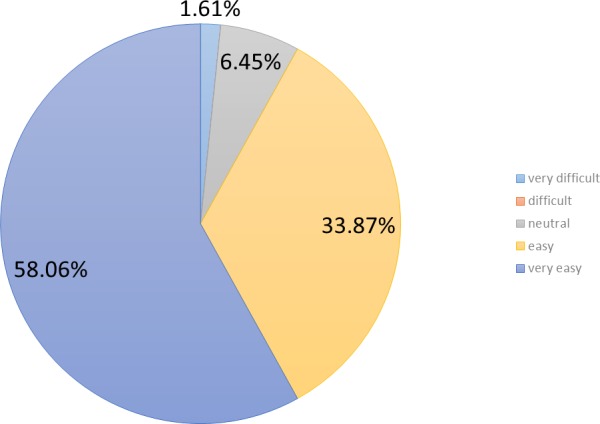
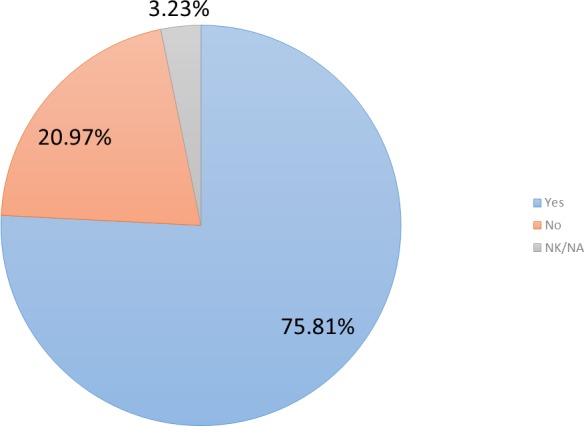
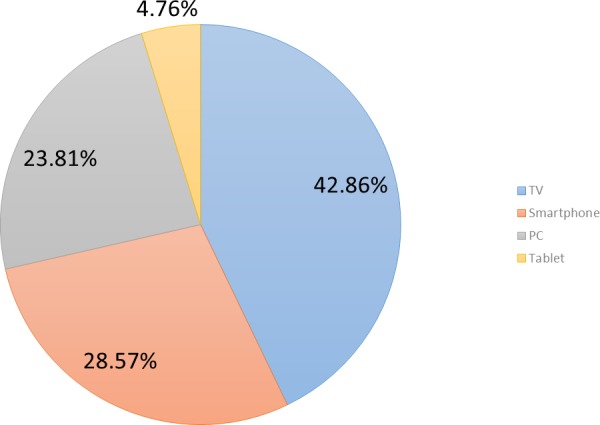
More than 90% of participating subjects perceived cognitive games on TV as useful or very useful. The majority of participants selected the TV set as their preferred option to interact with serious games at home, when compared to other devices such as smartphones, tablets or PCs. This result correlates with the number of participants perceiving them as easily usable or very easy to use, and also with automatically captured interaction data. Three out of four seniors expressed their interest in keeping the system at home after the pilot. Besides, these perceptions are fairly stable in time as shown by the survey performed 36 months after pilot testing.
Although participating users are a representative sample of the Galician population, which in turn is comparable to the population of most rural areas in Europe, a larger and more diverse user sample would be needed to obtain significant results for a wider population profile.
The study confirmed the technical acceptance, that is, the perceived usefulness and perceived ease of use, of the TV-based home technical setting introduced as a means of cognitive evaluation. This study provides initial evidence on the viability of a TV-based serious games approach for cognitive longitudinal screening at home with little intervention of clinical professionals, thus contributing to the early detection of cognitive impairments in the senior population.
最先进的电视机和媒体中心的计算能力可能有助于在家中引入计算机辅助评估。这种方法将有助于克服在临床机构中进行传统纸笔评估的缺点,因为评估可以在更舒适的环境(受试者家中)中进行,并且在设计用于评估难以通过传统测试进行评估的神经心理学结构的复杂环境时更加灵活。这项工作的目的是获得一些初步证据,证明老年人对在家中通过电视机玩的严肃游戏的技术接受程度,从而证明进一步研究这种认知评估方法的便利性。
我们开发了一系列可在电视环境中部署的游戏。一组老年人在他们家中试用了这些游戏。使用技术接受模型(TAM)来验证这种方法。进行了调查,以研究作为认知评估工具的这种技术设置的感知有用性和感知易用性;即其技术接受程度。从参与者收集的主观信息与捕获的实际交互数据相关联。在试点测试36个月后进行了另一项调查,以了解对有用性和易用性的长期看法。
超过90%的参与受试者认为电视上的认知游戏有用或非常有用。与智能手机、平板电脑或个人电脑等其他设备相比,大多数参与者选择电视机作为在家中与严肃游戏交互的首选选项。这一结果与认为这些游戏易于使用或非常易于使用的参与者数量相关,也与自动捕获的交互数据相关。四分之三的老年人表示有兴趣在试点后将该系统保留在家中。此外,如试点测试36个月后进行的调查所示,这些看法在时间上相当稳定。
尽管参与用户是加利西亚人口的代表性样本,而加利西亚人口又与欧洲大多数农村地区的人口相当,但需要更大、更多样化的用户样本才能为更广泛的人口概况获得显著结果。
该研究证实了作为认知评估手段引入的基于电视的家庭技术设置的技术接受程度,即感知有用性和感知易用性。这项研究为在家中进行认知纵向筛查且临床专业人员干预较少的基于电视的严肃游戏方法的可行性提供了初步证据,从而有助于早期发现老年人群中的认知障碍。