Devault Alison M, Mortimer Tatum D, Kitchen Andrew, Kiesewetter Henrike, Enk Jacob M, Golding G Brian, Southon John, Kuch Melanie, Duggan Ana T, Aylward William, Gardner Shea N, Allen Jonathan E, King Andrew M, Wright Gerard, Kuroda Makoto, Kato Kengo, Briggs Derek Eg, Fornaciari Gino, Holmes Edward C, Poinar Hendrik N, Pepperell Caitlin S
McMaster Ancient DNA Centre, Department of Anthropology, McMaster University, Hamilton, Canada.
MYcroarray, Ann Arbor, United States.
Elife. 2017 Jan 10;6:e20983. doi: 10.7554/eLife.20983.
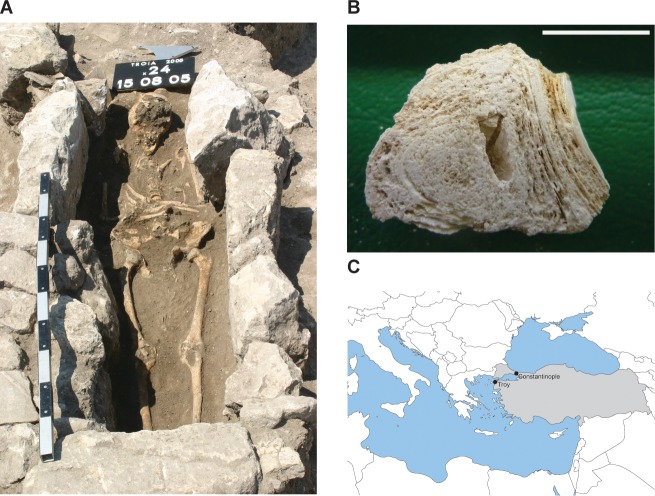
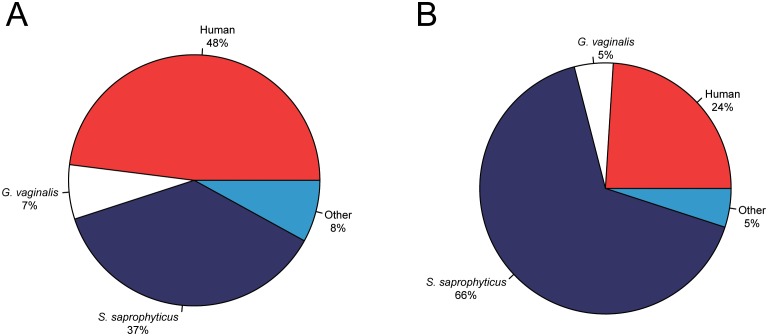
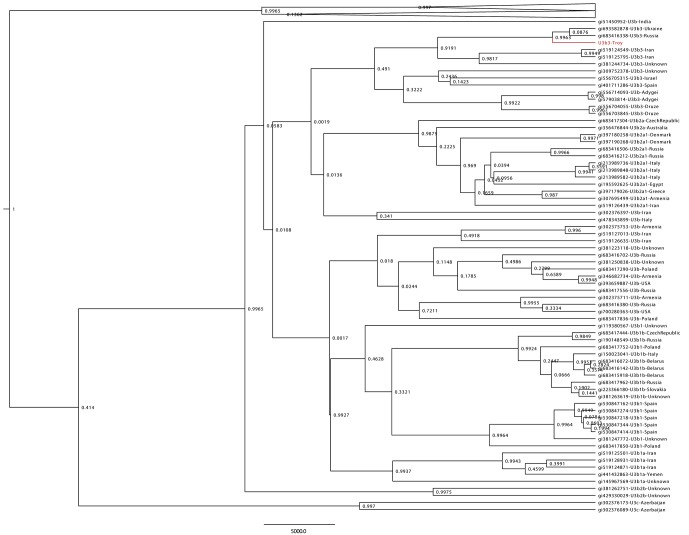
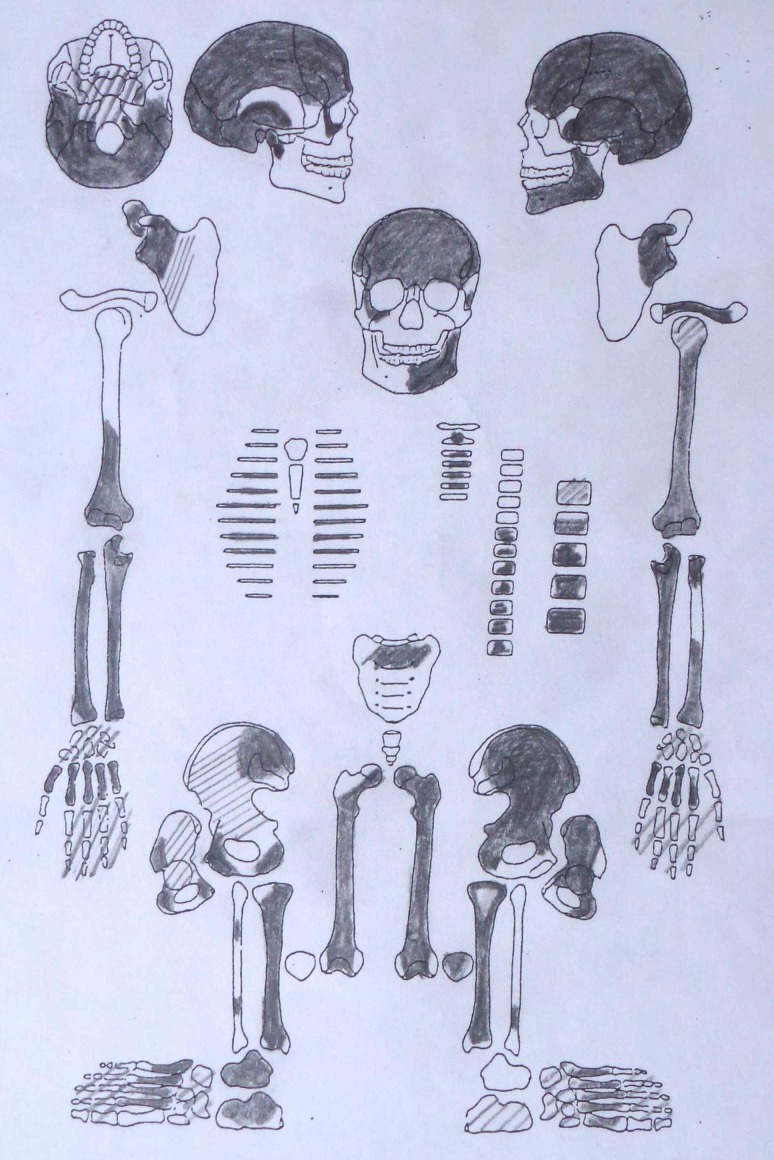
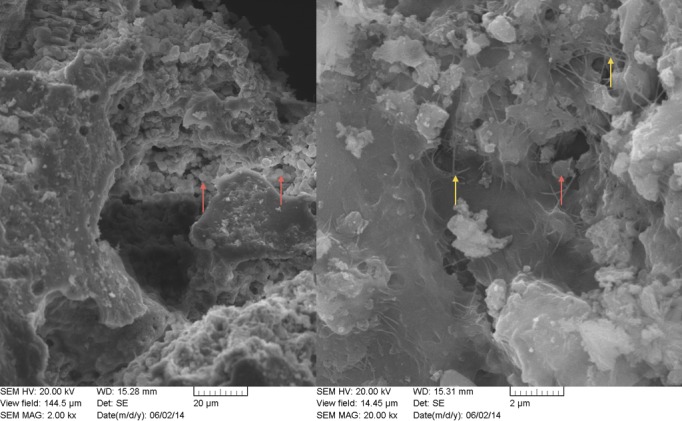
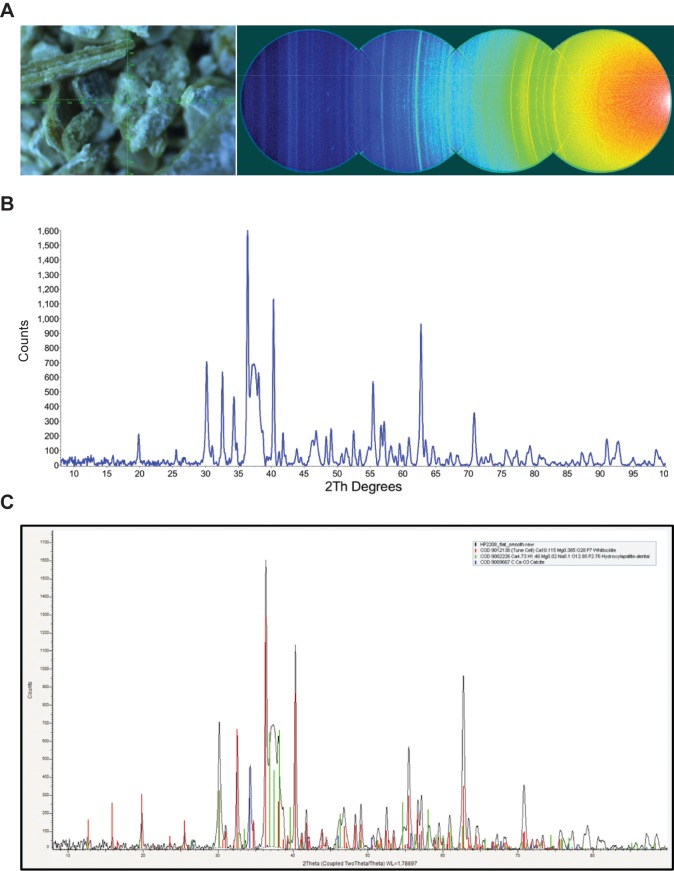
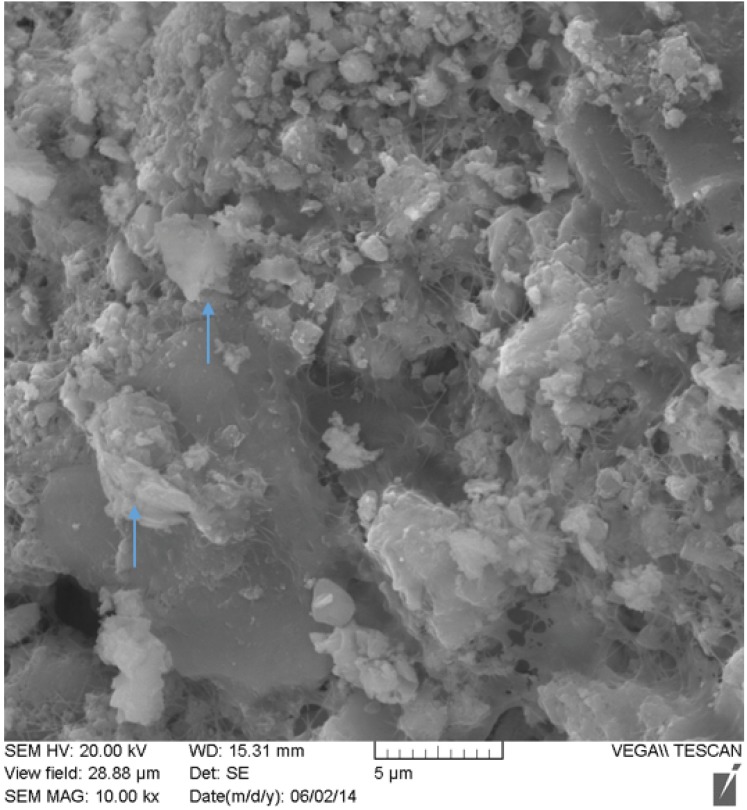
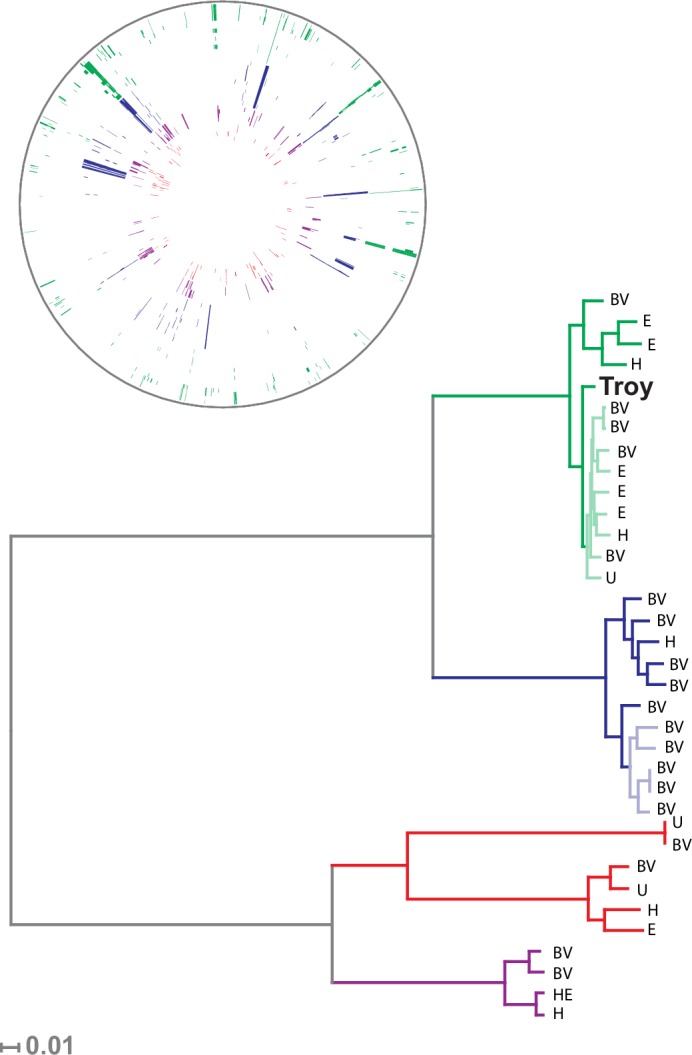
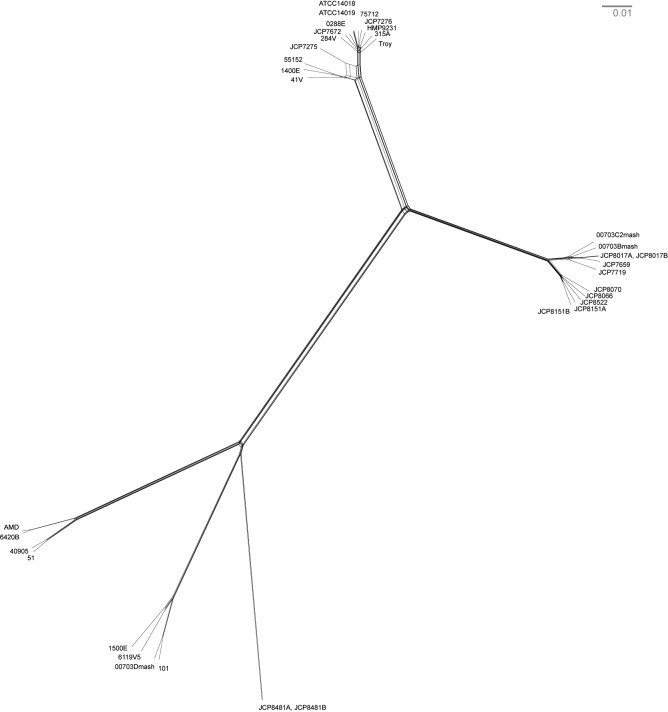
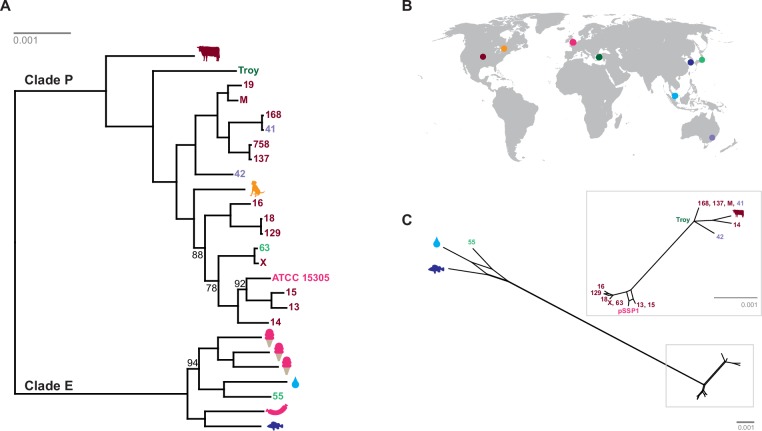
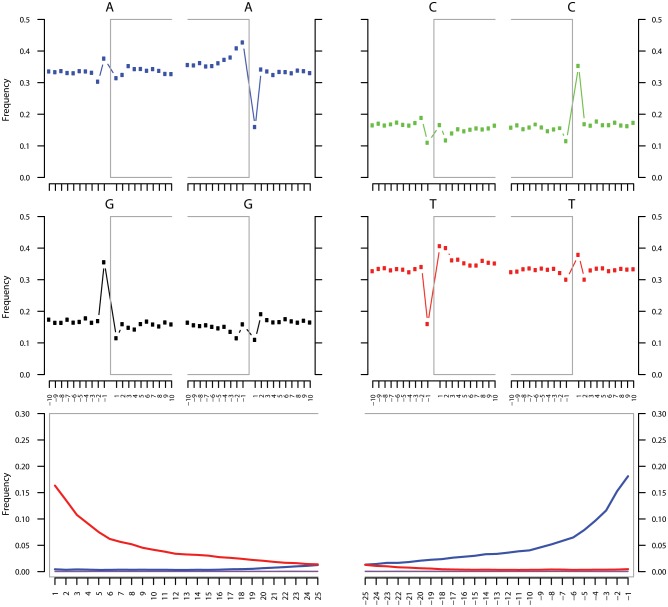
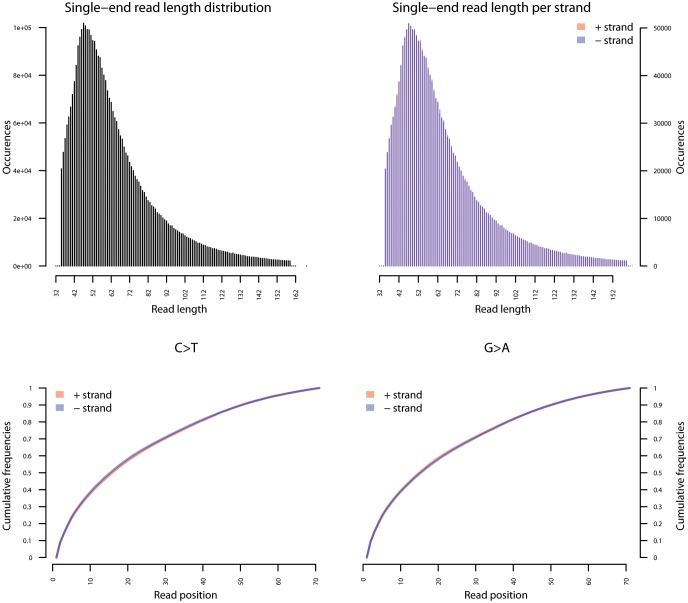
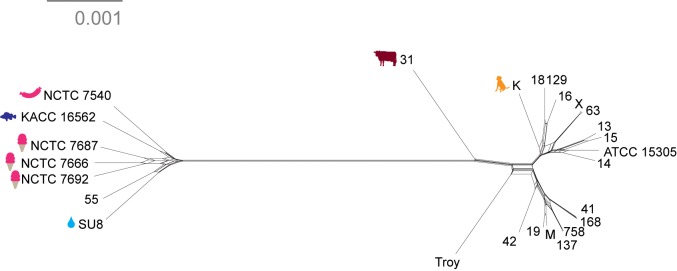
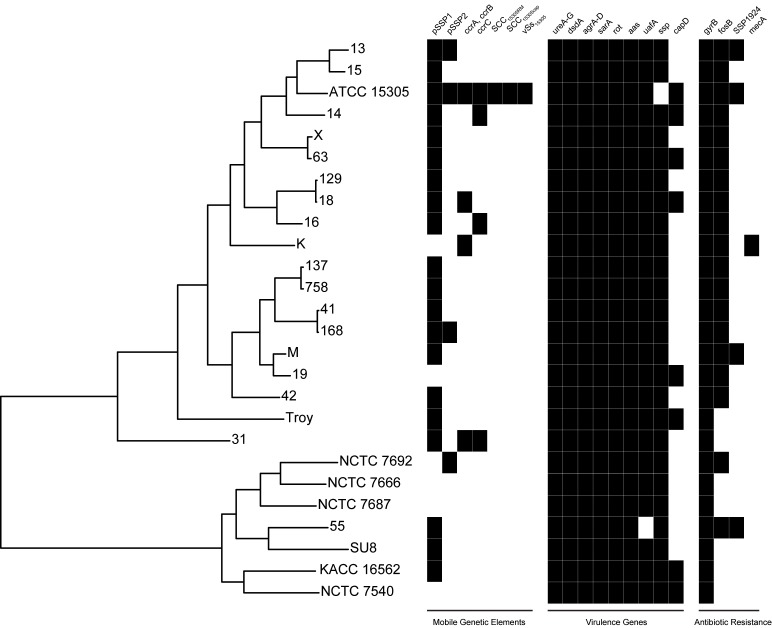
Pregnancy complications are poorly represented in the archeological record, despite their importance in contemporary and ancient societies. While excavating a Byzantine cemetery in Troy, we discovered calcified abscesses among a woman's remains. Scanning electron microscopy of the tissue revealed 'ghost cells', resulting from dystrophic calcification, which preserved ancient maternal, fetal and bacterial DNA of a severe infection, likely chorioamnionitis. and dominated the abscesses. Phylogenomic analyses of ancient, historical, and contemporary data showed that Troy fell within contemporary genetic diversity, whereas Troy belongs to a lineage that does not appear to be commonly associated with human disease today. We speculate that the ecology of infection may have differed in the ancient world as a result of close contacts between humans and domesticated animals. These results highlight the complex and dynamic interactions with our microbial milieu that underlie severe maternal infections.
尽管妊娠并发症在当代和古代社会都很重要,但在考古记录中却鲜有体现。在挖掘特洛伊的一座拜占庭墓地时,我们在一名女性遗骸中发现了钙化脓肿。对该组织进行扫描电子显微镜检查发现了“幽灵细胞”,这是营养不良性钙化的结果,保存了严重感染(可能是绒毛膜羊膜炎)的古代母体、胎儿和细菌DNA。 并在脓肿中占主导地位。对古代、历史和当代数据的系统基因组分析表明,特洛伊的 属于当代遗传多样性范围,而特洛伊的 属于一个如今似乎与人类疾病通常无关的谱系。我们推测,由于人类与家畜的密切接触,古代世界 感染的生态可能有所不同。这些结果凸显了与构成严重孕产妇感染基础的微生物环境的复杂动态相互作用。