Bleiziffer Isabelle, Eikmeier Julian, Pohlentz Gottfried, McAulay Kathryn, Xia Guoqing, Hussain Muzaffar, Peschel Andreas, Foster Simon, Peters Georg, Heilmann Christine
Institute of Medical Microbiology, University of Münster, Münster, Germany.
Interdisciplinary Center for Clinical Research (IZKF), University of Münster, Münster, Germany.
PLoS Pathog. 2017 Jan 12;13(1):e1006110. doi: 10.1371/journal.ppat.1006110. eCollection 2017 Jan.
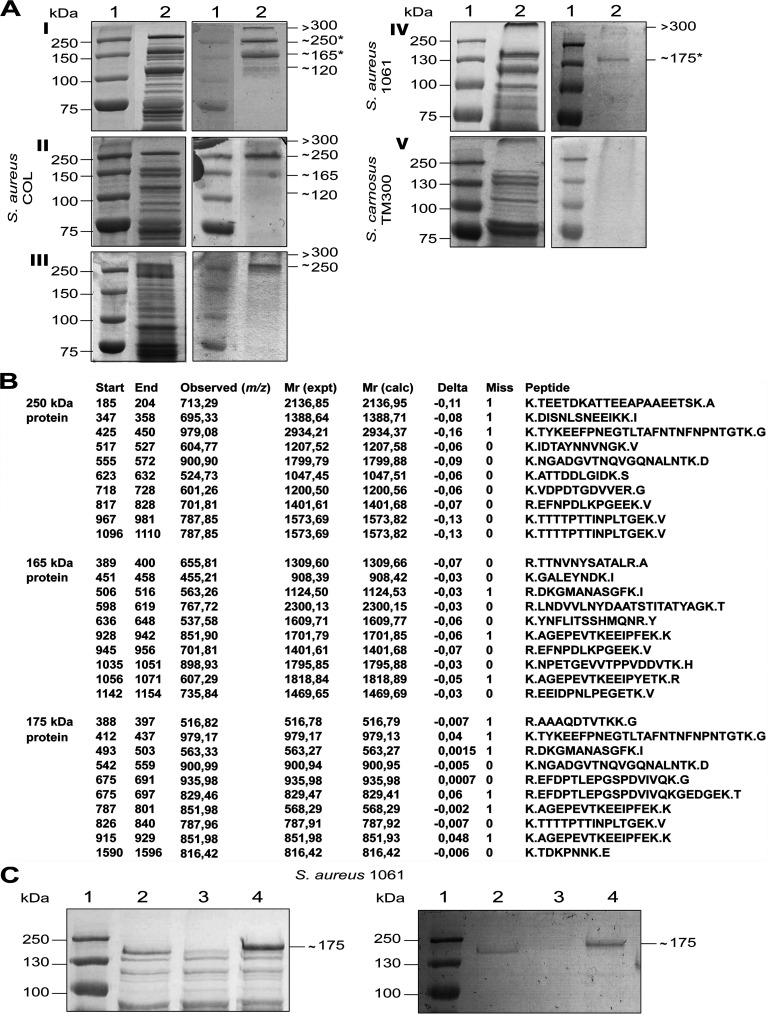
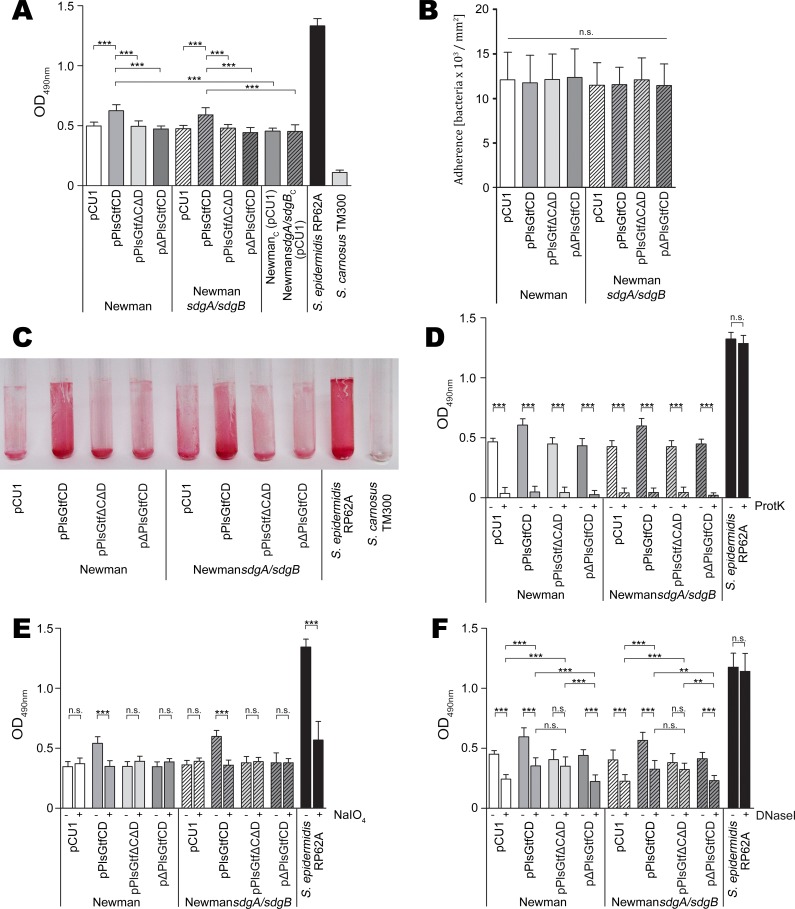
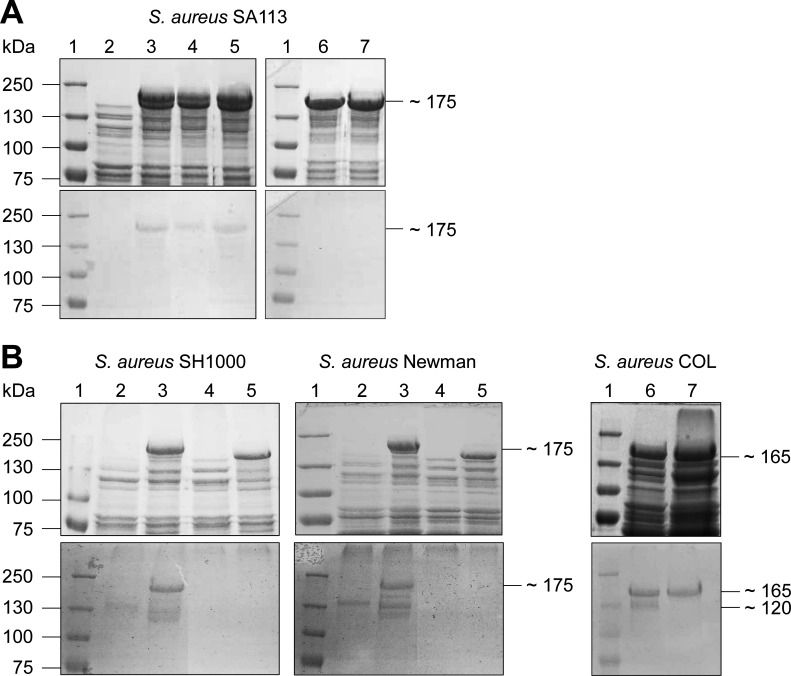
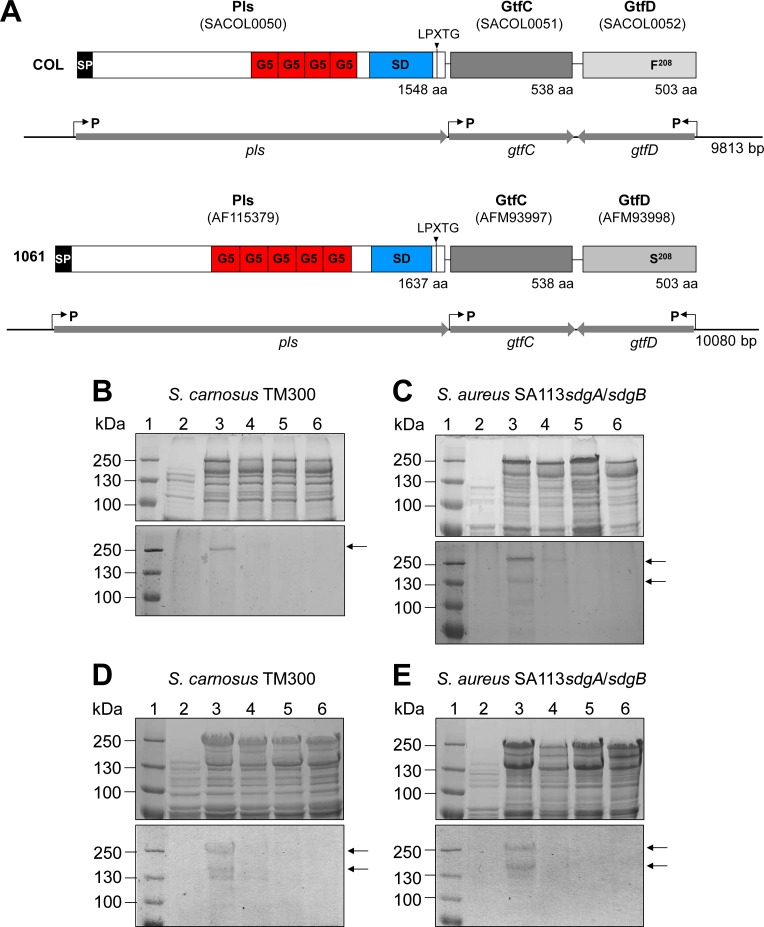
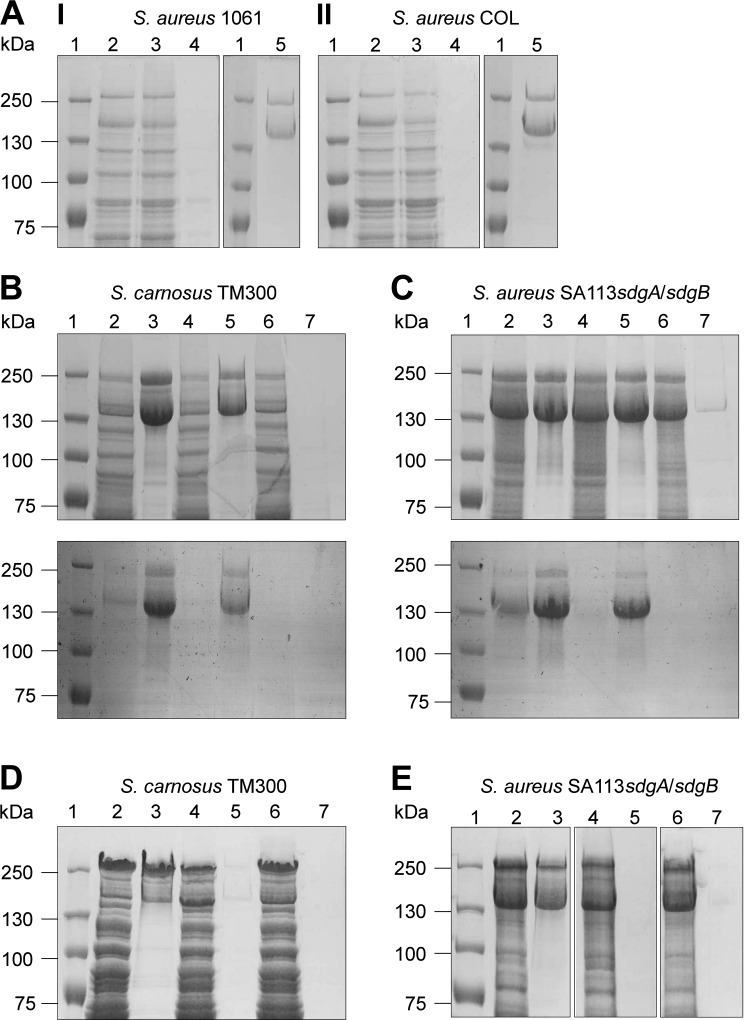
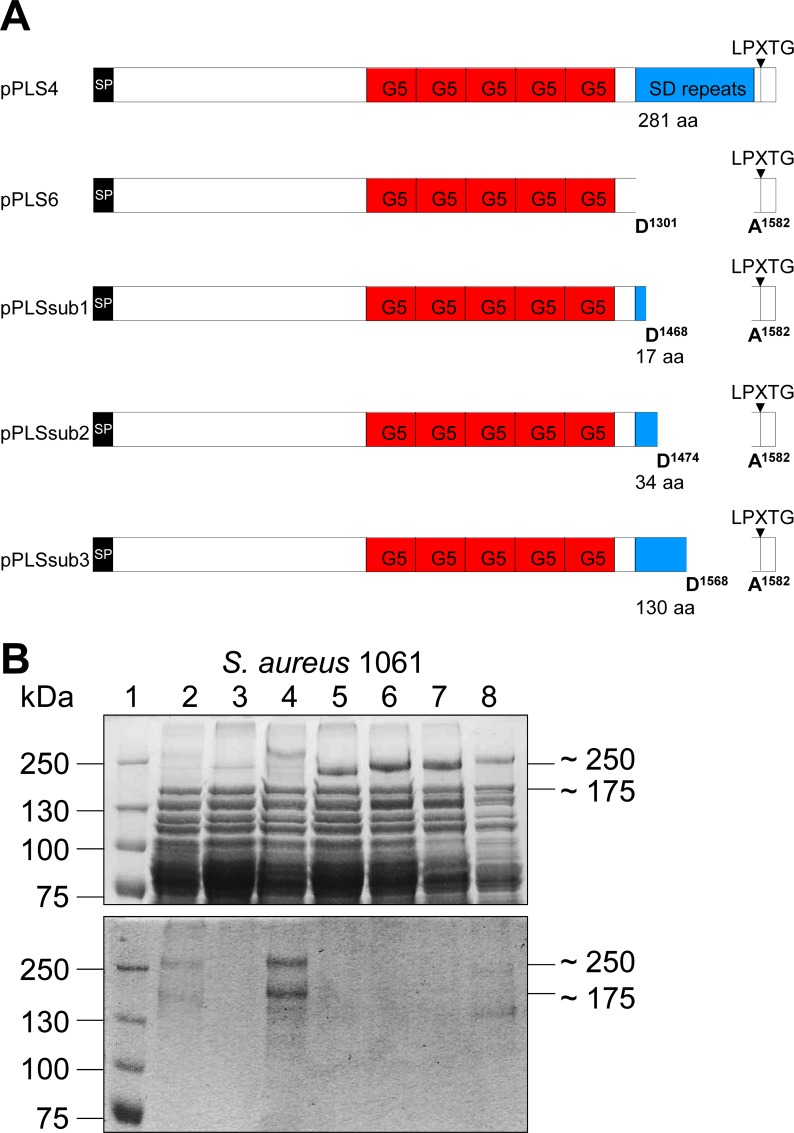
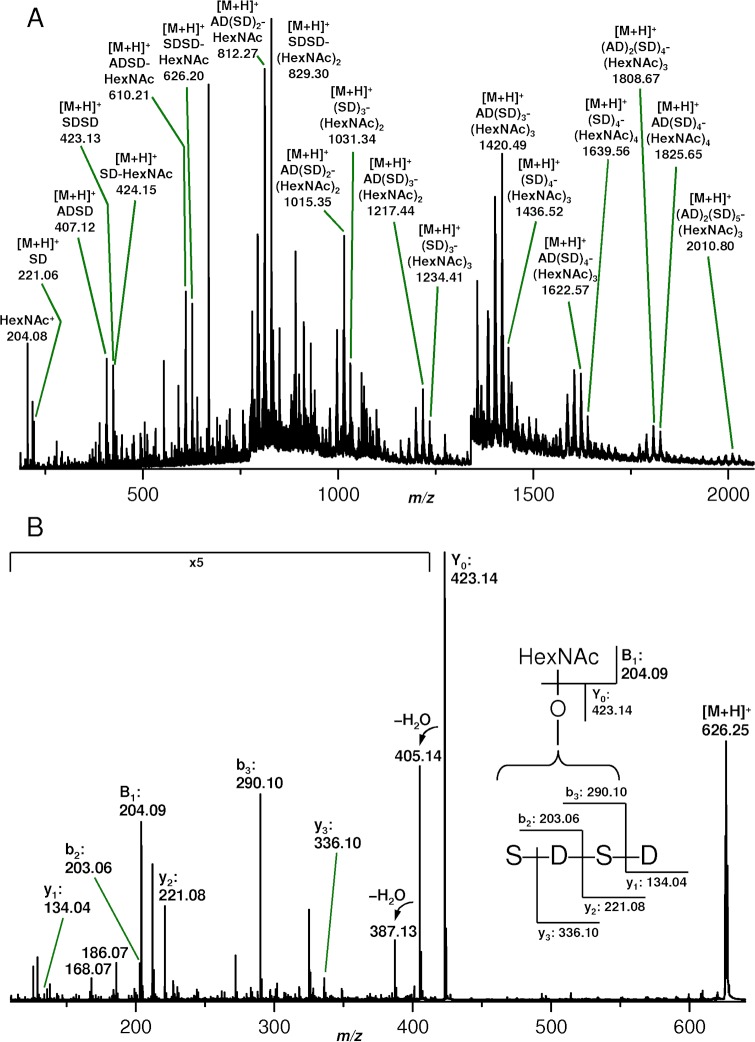
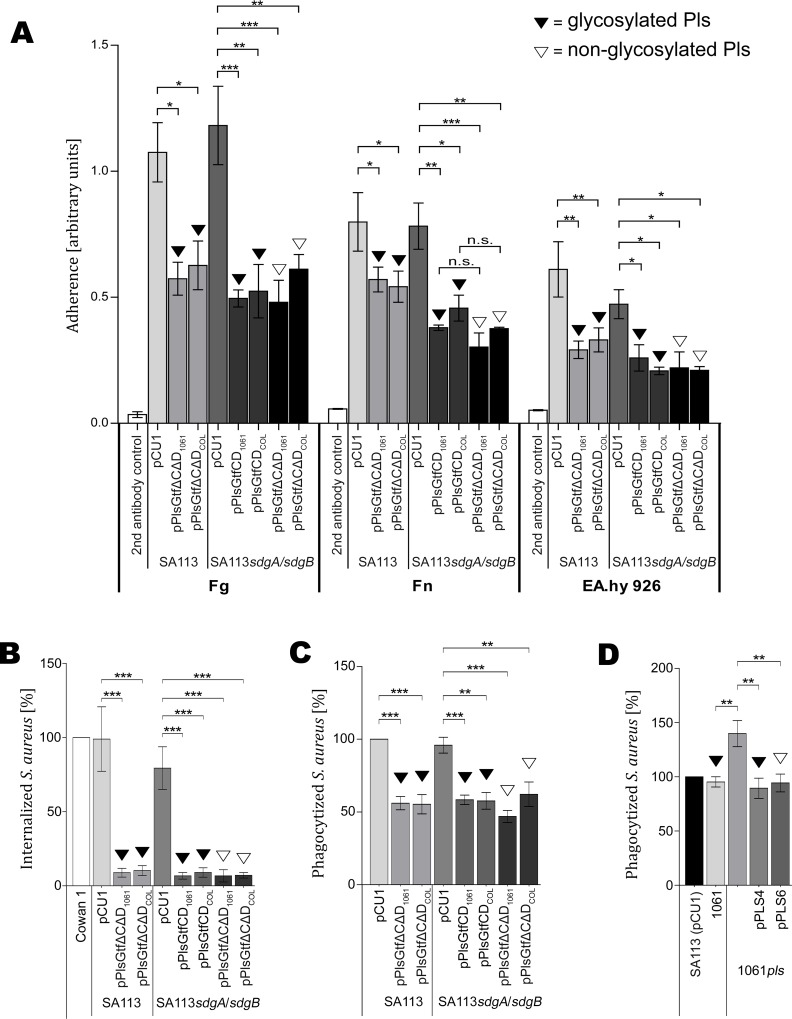
Most bacterial glycoproteins identified to date are virulence factors of pathogenic bacteria, i.e. adhesins and invasins. However, the impact of protein glycosylation on the major human pathogen Staphylococcus aureus remains incompletely understood. To study protein glycosylation in staphylococci, we analyzed lysostaphin lysates of methicillin-resistant Staphylococcus aureus (MRSA) strains by SDS-PAGE and subsequent periodic acid-Schiff's staining. We detected four (>300, ∼250, ∼165, and ∼120 kDa) and two (>300 and ∼175 kDa) glycosylated surface proteins with strain COL and strain 1061, respectively. The ∼250, ∼165, and ∼175 kDa proteins were identified as plasmin-sensitive protein (Pls) by mass spectrometry. Previously, Pls has been demonstrated to be a virulence factor in a mouse septic arthritis model. The pls gene is encoded by the staphylococcal cassette chromosome (SCC)mec type I in MRSA that also encodes the methicillin resistance-conferring mecA and further genes. In a search for glycosyltransferases, we identified two open reading frames encoded downstream of pls on the SCCmec element, which we termed gtfC and gtfD. Expression and deletion analysis revealed that both gtfC and gtfD mediate glycosylation of Pls. Additionally, the recently reported glycosyltransferases SdgA and SdgB are involved in Pls glycosylation. Glycosylation occurs at serine residues in the Pls SD-repeat region and modifying carbohydrates are N-acetylhexosaminyl residues. Functional characterization revealed that Pls can confer increased biofilm formation, which seems to involve two distinct mechanisms. The first mechanism depends on glycosylation of the SD-repeat region by GtfC/GtfD and probably also involves eDNA, while the second seems to be independent of glycosylation as well as eDNA and may involve the centrally located G5 domains. Other previously known Pls properties are not related to the sugar modifications. In conclusion, Pls is a glycoprotein and Pls glycosyl residues can stimulate biofilm formation. Thus, sugar modifications may represent promising new targets for novel therapeutic or prophylactic measures against life-threatening S. aureus infections.
迄今鉴定出的大多数细菌糖蛋白都是病原菌的毒力因子,即黏附素和侵袭素。然而,蛋白质糖基化对主要人类病原菌金黄色葡萄球菌的影响仍未完全了解。为了研究葡萄球菌中的蛋白质糖基化,我们通过SDS-PAGE和随后的过碘酸-希夫氏染色分析了耐甲氧西林金黄色葡萄球菌(MRSA)菌株的溶葡萄球菌素裂解物。我们分别在菌株COL和菌株1061中检测到四种(>300、250、165和120 kDa)和两种(>300和175 kDa)糖基化表面蛋白。通过质谱鉴定,250、165和~175 kDa的蛋白被确定为纤溶酶敏感蛋白(Pls)。此前,在小鼠败血症性关节炎模型中已证明Pls是一种毒力因子。pls基因由MRSA中的葡萄球菌盒式染色体(SCC)mec I型编码,该型还编码赋予甲氧西林抗性的mecA和其他基因。在寻找糖基转移酶的过程中,我们在SCCmec元件上pls下游鉴定出两个开放阅读框,我们将其命名为gtfC和gtfD。表达和缺失分析表明,gtfC和gtfD都介导Pls的糖基化。此外,最近报道的糖基转移酶SdgA和SdgB也参与Pls的糖基化。糖基化发生在Pls SD重复区域的丝氨酸残基上,修饰糖类为N-乙酰己糖胺残基。功能表征表明,Pls可促进生物膜形成增加,这似乎涉及两种不同机制。第一种机制依赖于GtfC/GtfD对SD重复区域的糖基化,可能还涉及细胞外DNA(eDNA),而第二种机制似乎独立于糖基化以及eDNA,可能涉及位于中央的G5结构域。其他先前已知的Pls特性与糖修饰无关。总之,Pls是一种糖蛋白,Pls糖基残基可刺激生物膜形成。因此,糖修饰可能是针对危及生命的金黄色葡萄球菌感染的新型治疗或预防措施的有前景的新靶点。