Instituto de Química, Universidade de São Paulo, São Paulo, Brazil.
Département de Médecine Nucléaire et de Radiobiologie, Université de Sherbrooke, Sherbrooke, QC, Canada.
Photochem Photobiol. 2017 Jul;93(4):912-919. doi: 10.1111/php.12716. Epub 2017 Mar 27.
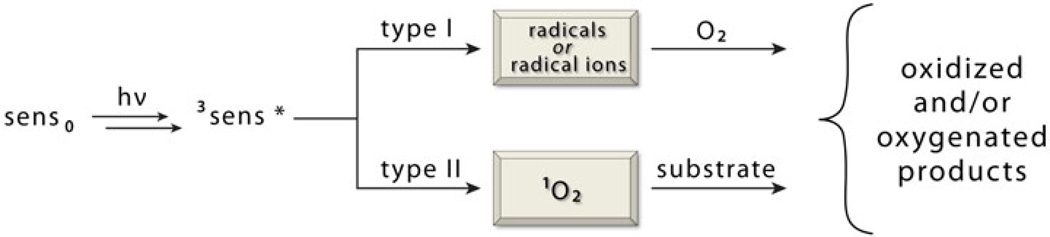
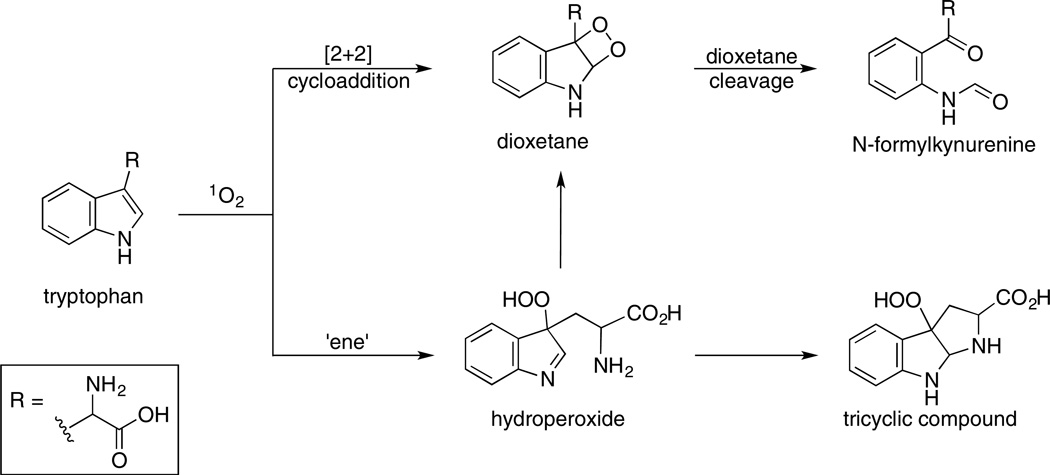
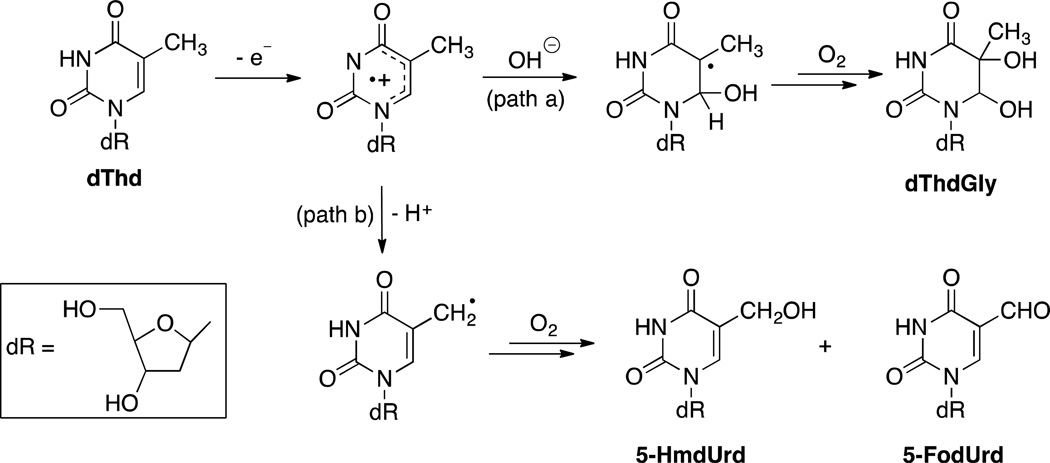
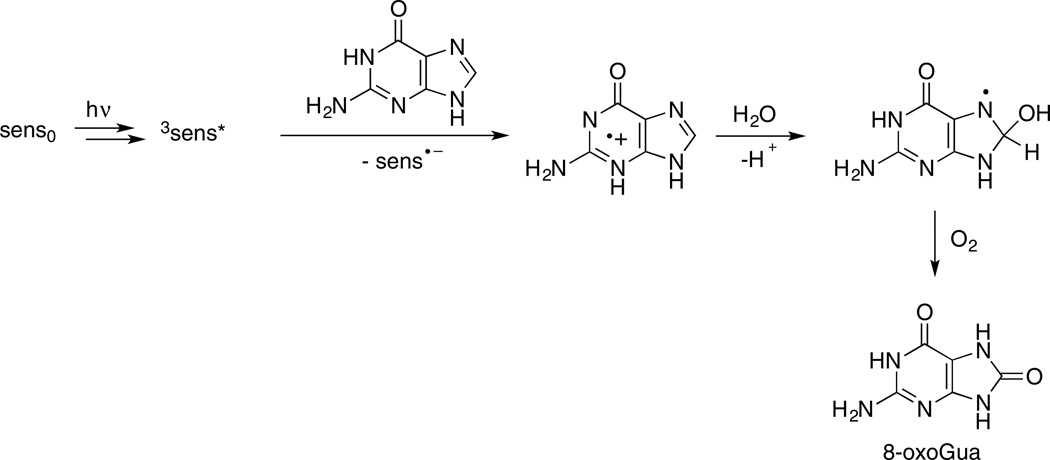
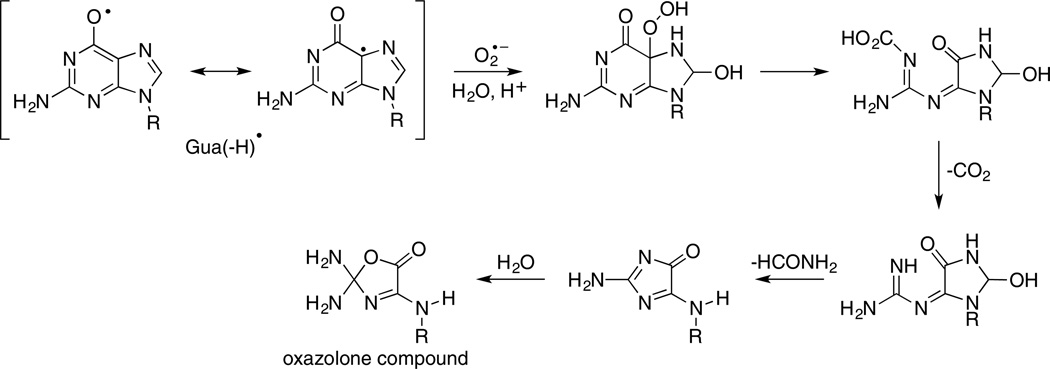
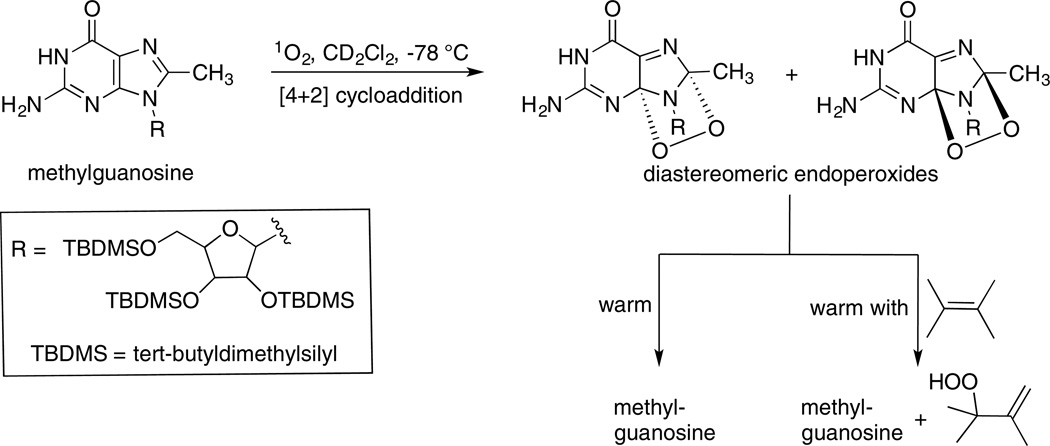
Here, 10 guidelines are presented for a standardized definition of type I and type II photosensitized oxidation reactions. Because of varied notions of reactions mediated by photosensitizers, a checklist of recommendations is provided for their definitions. Type I and type II photoreactions are oxygen-dependent and involve unstable species such as the initial formation of radical cation or neutral radicals from the substrates and/or singlet oxygen ( O ∆ ) by energy transfer to molecular oxygen. In addition, superoxide anion radical (O2·-) can be generated by a charge-transfer reaction involving O or more likely indirectly as the result of O -mediated oxidation of the radical anion of type I photosensitizers. In subsequent reactions, O2·- may add and/or reduce a few highly oxidizing radicals that arise from the deprotonation of the radical cations of key biological targets. O2·- can also undergo dismutation into H O , the precursor of the highly reactive hydroxyl radical (·OH) that may induce delayed oxidation reactions in cells. In the second part, several examples of type I and type II photosensitized oxidation reactions are provided to illustrate the complexity and the diversity of the degradation pathways of mostly relevant biomolecules upon one-electron oxidation and singlet oxygen reactions.
这里提出了 10 条用于标准化定义 I 型和 II 型光氧化反应的指南。由于人们对光敏剂介导的反应有不同的理解,因此为它们的定义提供了一份建议清单。I 型和 II 型光反应是依赖于氧气的,涉及不稳定的物质,如底物和/或通过能量转移到分子氧中形成的自由基阳离子或中性自由基,以及单线态氧(O ∆ )。此外,超氧阴离子自由基(O2·-)可以通过涉及 O 的电荷转移反应产生,或者更可能是作为 I 型光敏剂的自由基阴离子的 O 介导氧化的间接结果产生。在随后的反应中,O2·-可以添加和/或还原几个来自关键生物靶标自由基阳离子去质子化的高度氧化的自由基。O2·-也可以歧化为 H2O,这是高度反应性羟基自由基(·OH)的前体,它可能会在细胞中引起延迟的氧化反应。在第二部分,提供了几个 I 型和 II 型光氧化反应的例子,以说明在单电子氧化和单线态氧反应中,大多数相关生物分子的降解途径的复杂性和多样性。