Department of Pharmacology, Meiji Pharmaceutical University, Tokyo, Japan.
Department of Functional Bioanalysis, Meiji Pharmaceutical University, Tokyo, Japan.
Sci Rep. 2017 Jan 13;7:40518. doi: 10.1038/srep40518.
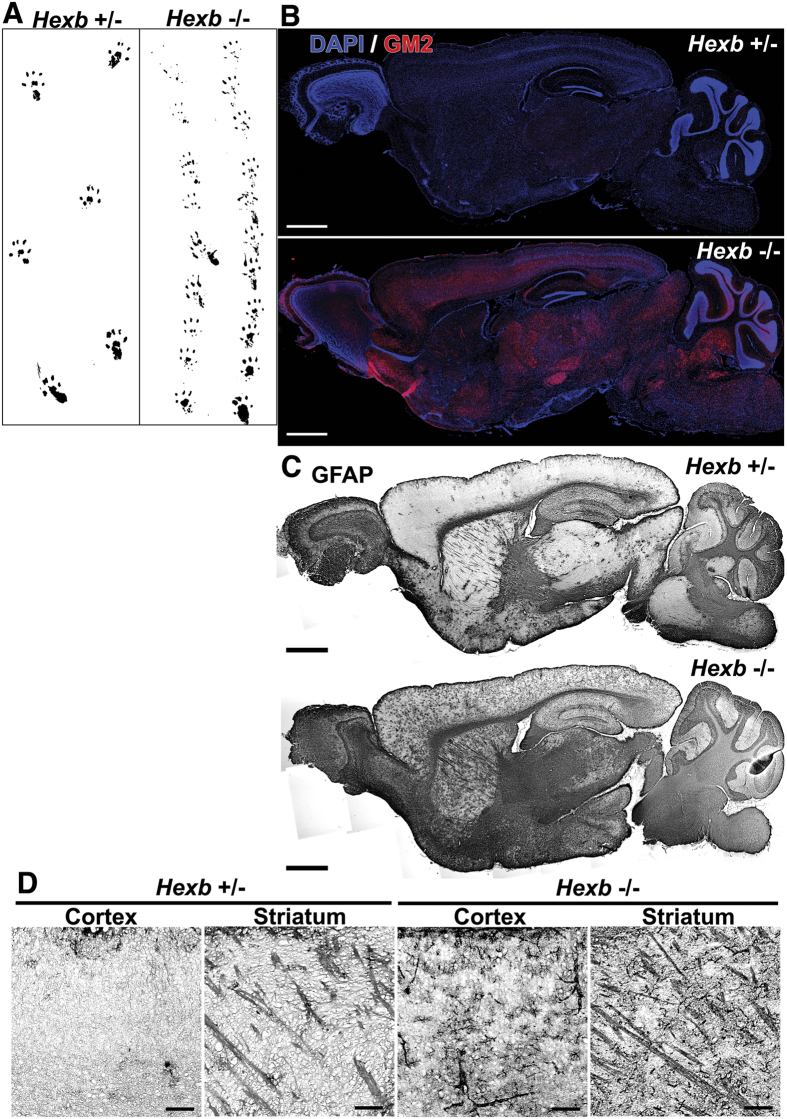
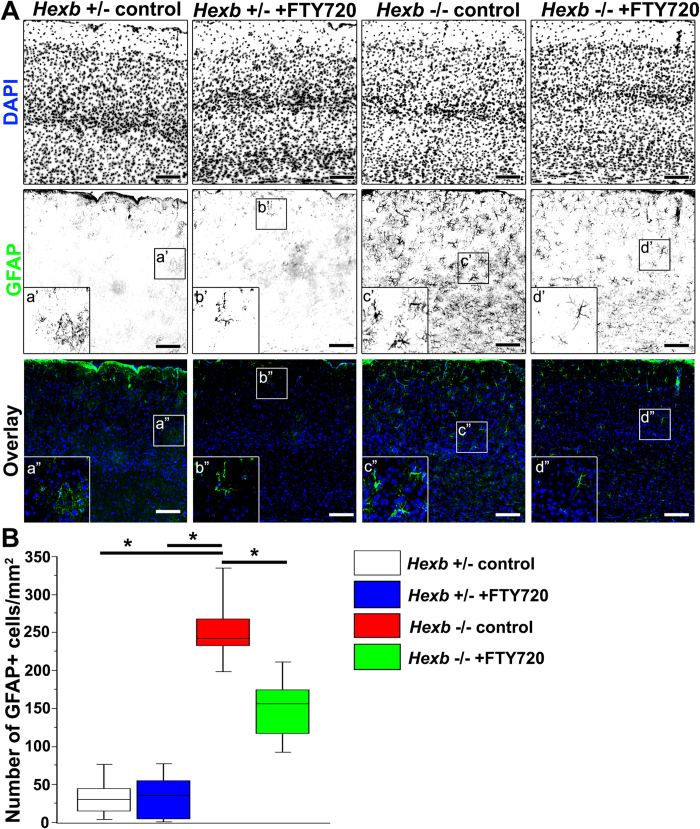
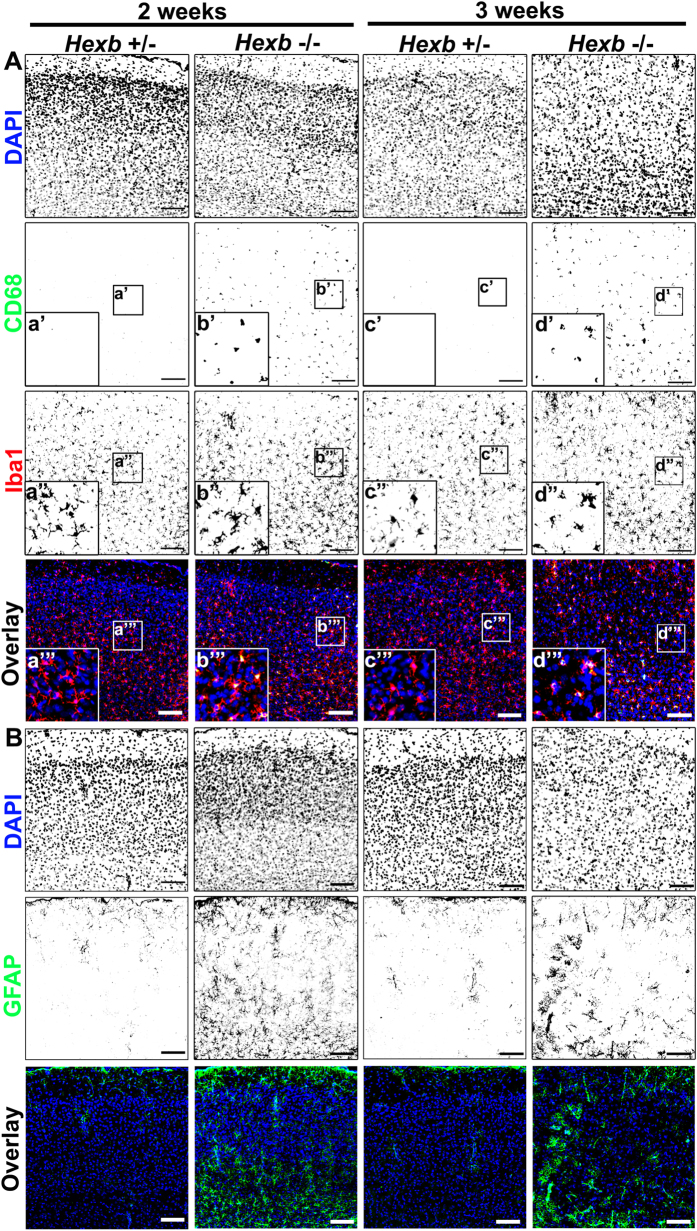
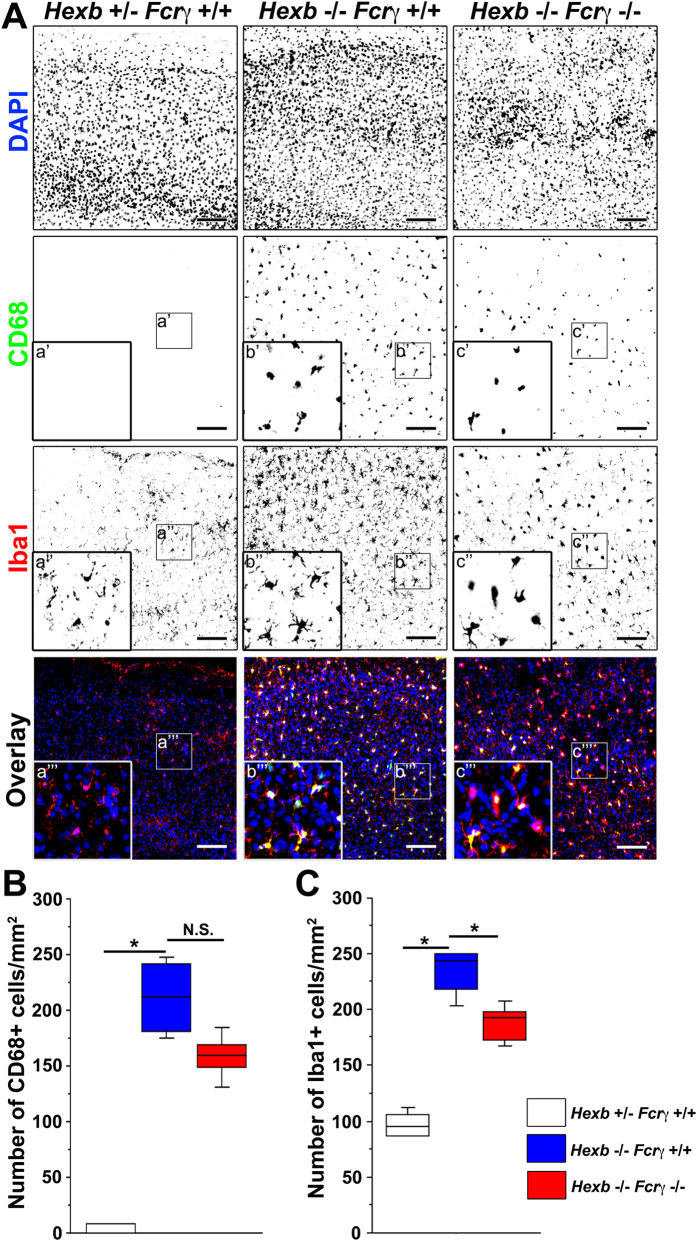
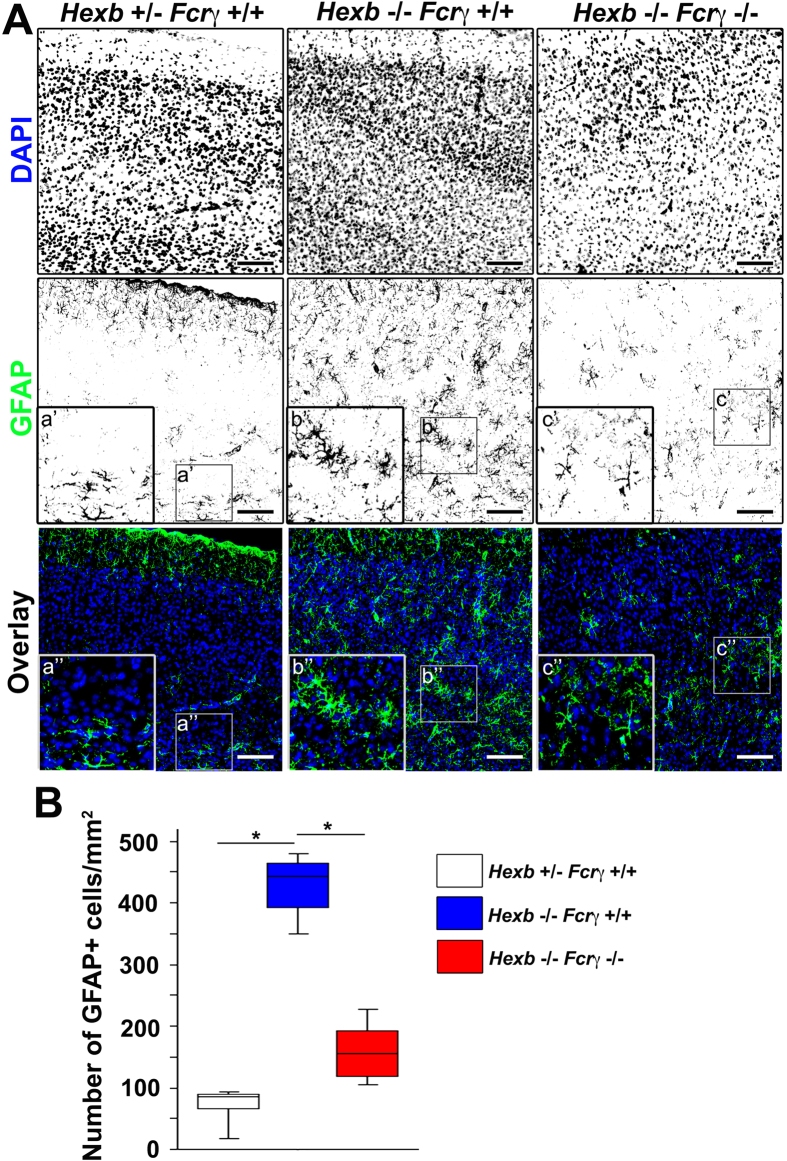
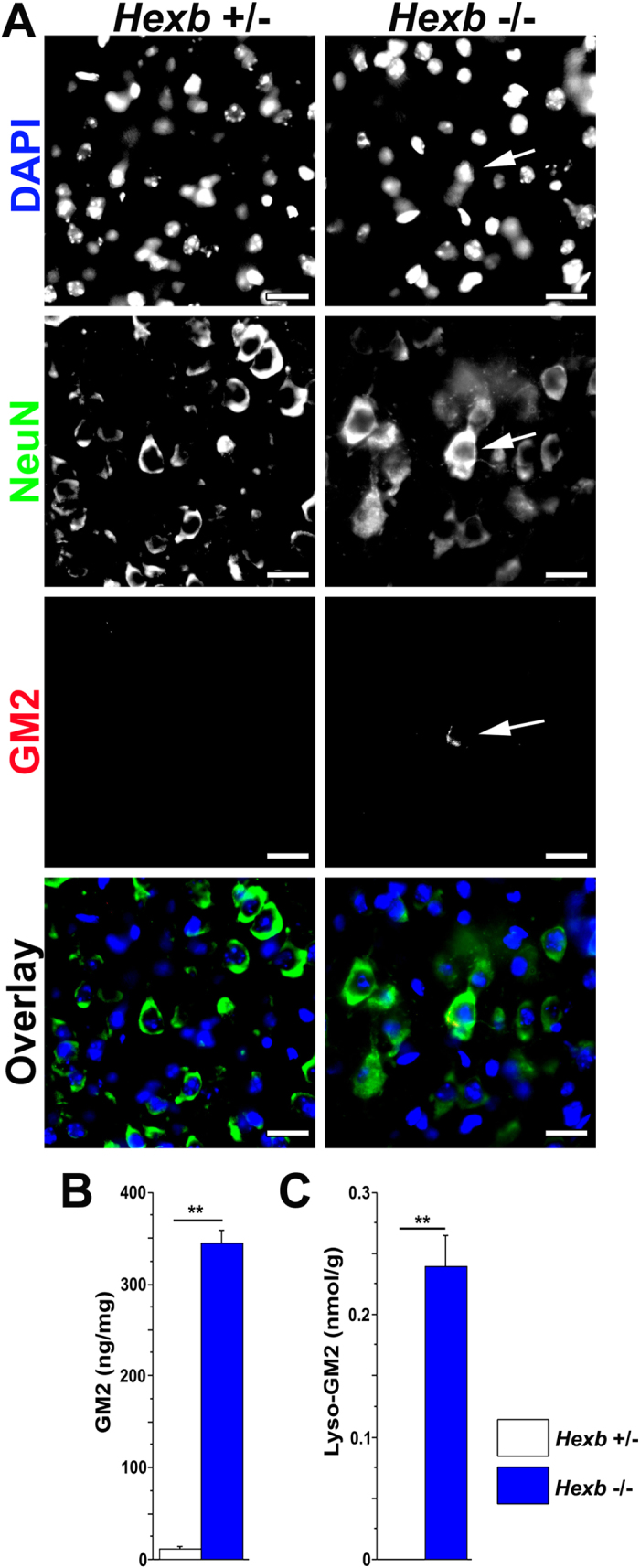
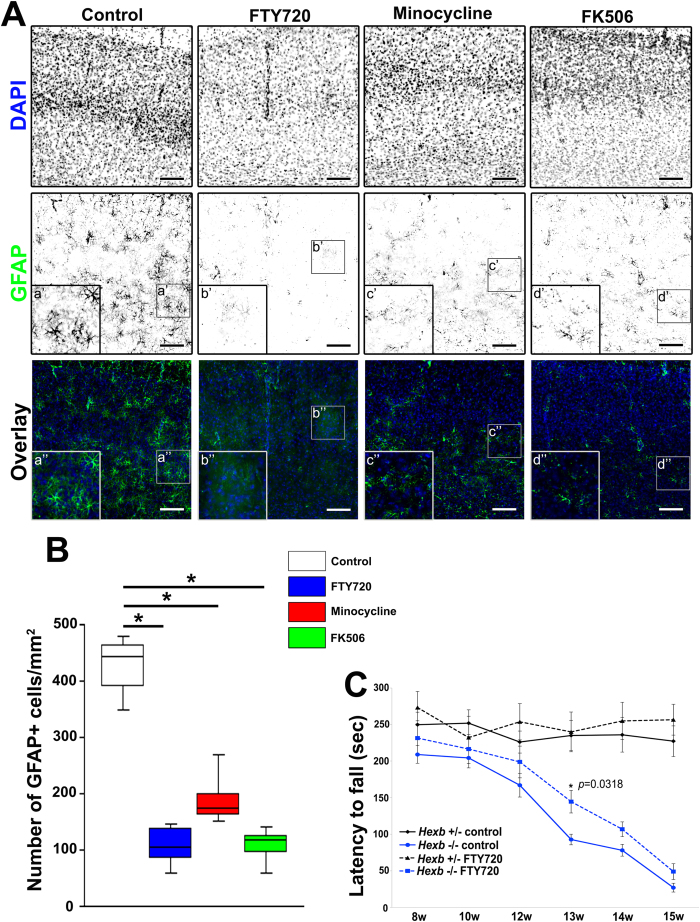
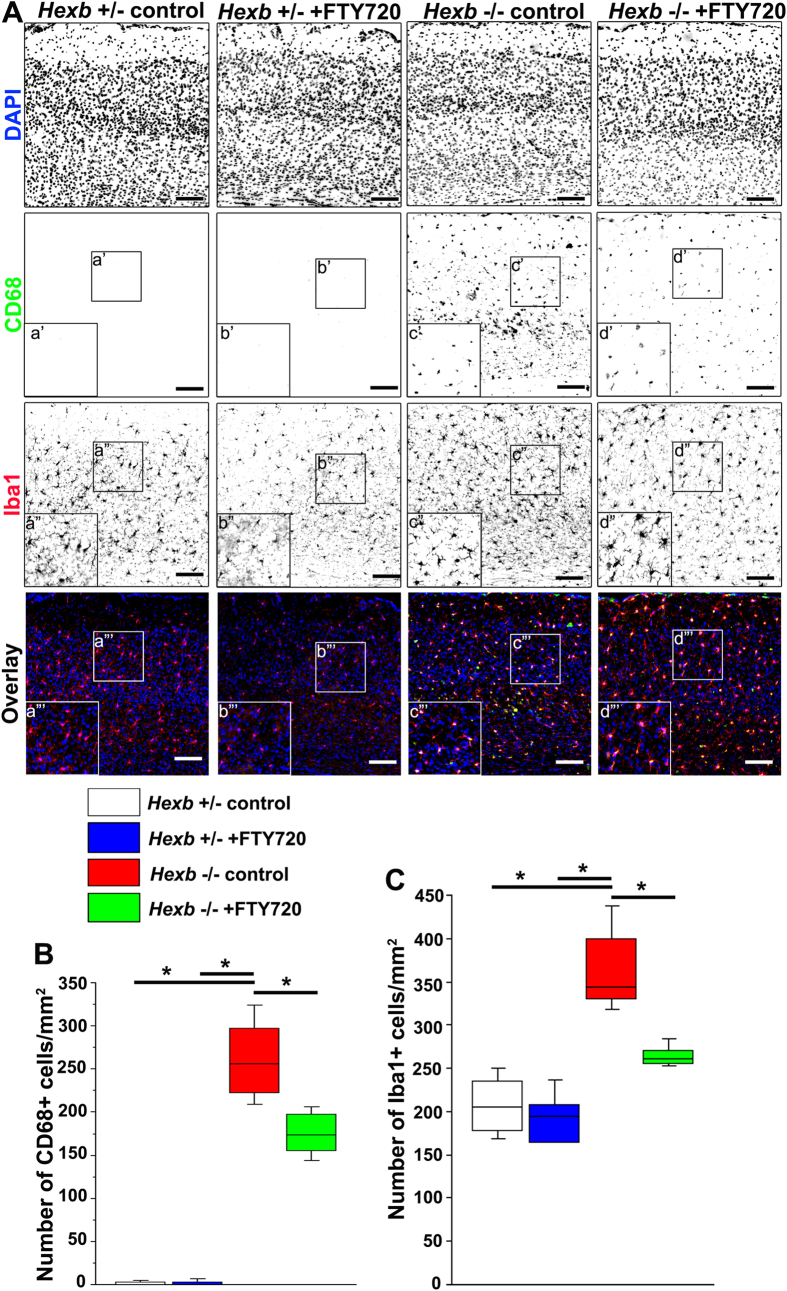
Sandhoff disease (SD) is caused by the loss of β-hexosaminidase (Hex) enzymatic activity in lysosomes resulting from Hexb mutations. In SD patients, the Hex substrate GM2 ganglioside accumulates abnormally in neuronal cells, resulting in neuronal loss, microglial activation, and astrogliosis. Hexb mice, which manifest a phenotype similar to SD, serve as animal models for examining the pathophysiology of SD. Hexb mice reach ~8 weeks without obvious neurological defects; however, trembling begins at 12 weeks and is accompanied by startle reactions and increased limb tone. These symptoms gradually become severe by 16-18 weeks. Immune reactions caused by autoantibodies have been recently associated with the pathology of SD. The inhibition of immune activation may represent a novel therapeutic target for SD. Herein, SD mice (Hexb) were crossed to mice lacking an activating immune receptor (FcRγ) to elucidate the potential relationship between immune responses activated through SD autoantibodies and astrogliosis. Microglial activation and astrogliosis were observed in cortices of Hexb mice during the asymptomatic phase, and were inhibited in Hexb FcRγ mice. Moreover, early astrogliosis and impaired motor coordination in Hexb mice could be ameliorated by immunosuppressants, such as FTY720. Our findings demonstrate the importance of early treatment and the therapeutic effectiveness of immunosuppression in SD.
桑德霍夫病(SD)是由于溶酶体中β-己糖胺酶(Hex)酶活性丧失,导致 Hexb 突变引起的。在 SD 患者中,Hex 底物 GM2 神经节苷脂异常积累在神经元细胞中,导致神经元丢失、小胶质细胞激活和星形胶质细胞增生。表现出与 SD 相似表型的 Hexb 小鼠可作为研究 SD 病理生理学的动物模型。Hexb 小鼠在没有明显神经缺陷的情况下可以存活约 8 周;然而,从 12 周开始出现颤抖,并伴有惊跳反应和四肢张力增加。这些症状在 16-18 周时逐渐加重。最近,自身抗体引起的免疫反应与 SD 的病理学有关。抑制免疫激活可能代表 SD 的一种新的治疗靶点。在此,将缺乏激活免疫受体(FcRγ)的小鼠与 SD 小鼠(Hexb)杂交,以阐明通过 SD 自身抗体激活的免疫反应与星形胶质细胞增生之间的潜在关系。在无症状期,Hexb 小鼠的皮质中观察到小胶质细胞激活和星形胶质细胞增生,而在 Hexb FcRγ 小鼠中则受到抑制。此外,免疫抑制剂如 FTY720 可改善 Hexb 小鼠的早期星形胶质细胞增生和运动协调障碍。我们的研究结果表明早期治疗的重要性和免疫抑制在 SD 中的治疗效果。