Giannuzzi Viviana, Devlieger Hugo, Margari Lucia, Odlind Viveca Lena, Ragab Lamis, Bellettato Cinzia Maria, D'Avanzo Francesca, Lampe Christina, Cassis Linda, Cortès-Saladelafont Elisenda, Cazorla Ángels Garcia, Barić Ivo, Cvitanović-Šojat Ljerka, Fumić Ksenija, Dali Christine I, Bartoloni Franco, Bonifazi Fedele, Scarpa Maurizio, Ceci Adriana
Fondazione Per la Ricerca Farmacologica Gianni Benzi Onlus, Via Abate Eustasio 30, 70010, Valenzano, BA, Italy.
Department of Development and Regeneration, University of Leuven, O&N IV Herestraat 49-box 805, 3000, Leuven, Belgium.
Eur J Pediatr. 2017 Mar;176(3):395-405. doi: 10.1007/s00431-017-2852-9. Epub 2017 Jan 16.
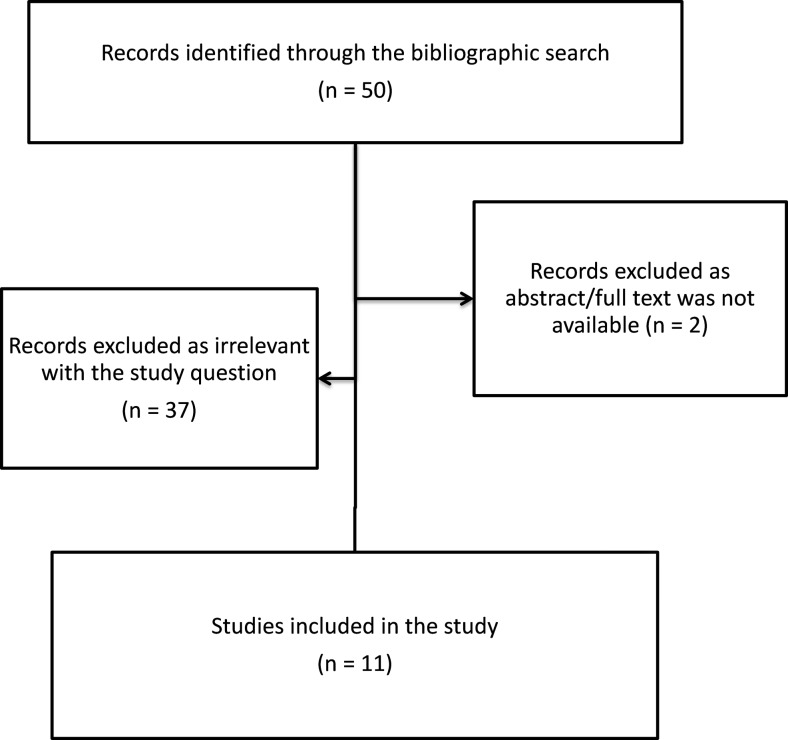
The need for performing clinical trials to develop well-studied and appropriate medicines for inherited neurometabolic disease patients faces ethical concerns mainly raising from four aspects: the diseases are rare; include young and very young patients; the neurological impairment may compromise the capability to provide 'consent'; and the genetic nature of the disease leads to further ethical implications. This work is intended to identify the ethical provisions applicable to clinical research involving these patients and to evaluate if these cover the ethical issues. Three searches have been performed on the European regulatory/legal framework, the literature and European Union-funded projects. The European legal framework offers a number of ethical provisions ruling the clinical research on paediatric, rare, inherited diseases with neurological symptoms. In the literature, relevant publications deal with informed consent, newborn genetic screenings, gene therapy and rights/interests of research participants. Additional information raised from European projects on sharing patients' data from different countries, the need to fill the gap of the regulatory framework and to improve information to stakeholders and patients/families.
Several recommendations and guidelines on ethical aspects are applicable to the inherited neurometabolic disease research in Europe, even though they suffer from the lack of a common ethical approach. What is Known: • When planning and conducting clinical trials, sponsors and researchers know that clinical trials are to be performed according to well-established ethical rules, and patients should be aware about their rights. • In the cases of paediatric patients, vulnerable patients unable to provide consent, genetic diseases' further rules apply. What is New: • This work discusses which ethical rules apply to ensure protection of patient's rights if all the above-mentioned features coexist. • This work shows available data and information on how these rules have been applied.
为遗传性神经代谢疾病患者研发经过充分研究且合适的药物而进行临床试验面临着主要源于四个方面的伦理问题:疾病罕见;包括儿童及低龄儿童患者;神经功能损害可能会影响提供“知情同意”的能力;疾病的遗传本质引发了进一步的伦理问题。这项工作旨在确定适用于涉及这些患者的临床研究的伦理规定,并评估这些规定是否涵盖了伦理问题。已对欧洲监管/法律框架、文献以及欧盟资助项目进行了三项检索。欧洲法律框架提供了一些伦理规定,用于规范对患有神经系统症状的儿科、罕见、遗传性疾病的临床研究。在文献中,相关出版物涉及知情同意、新生儿基因筛查、基因治疗以及研究参与者的权利/利益。从欧洲项目中获取的其他信息包括来自不同国家的患者数据共享、填补监管框架空白的必要性以及改善对利益相关者和患者/家庭的信息提供。
尽管缺乏统一的伦理方法,但欧洲有几项关于伦理方面的建议和指南适用于遗传性神经代谢疾病研究。已知信息:• 在规划和开展临床试验时,申办者和研究人员知道临床试验应按照既定的伦理规则进行,患者应了解自己的权利。• 对于儿科患者、无法提供同意的弱势患者,适用关于遗传疾病的进一步规则。新内容:• 这项工作讨论了如果上述所有特征同时存在,哪些伦理规则适用于确保保护患者权利。• 这项工作展示了关于这些规则如何应用的现有数据和信息。