Barkhori Mahni Maryam, Rezaeian Mostafa, Kia Eshrat Beigom, Raeisi Ahmad, Khanaliha Khadijeh, Tarighi Fatemeh, Kamranrashani Bahare
Dept. of Medical Parasitology, School of Public Health, Tehran University of Medical Sciences, Tehran, Iran.
Dept. of Medical Parasitology, School of Public Health, Tehran University of Medical Sciences, Tehran, Iran; Center for Research of Endemic Parasites of Iran (CREPI), Tehran University of Medical Sciences, Tehran, Iran.
Iran J Parasitol. 2016 Apr-Jun;11(2):232-238.
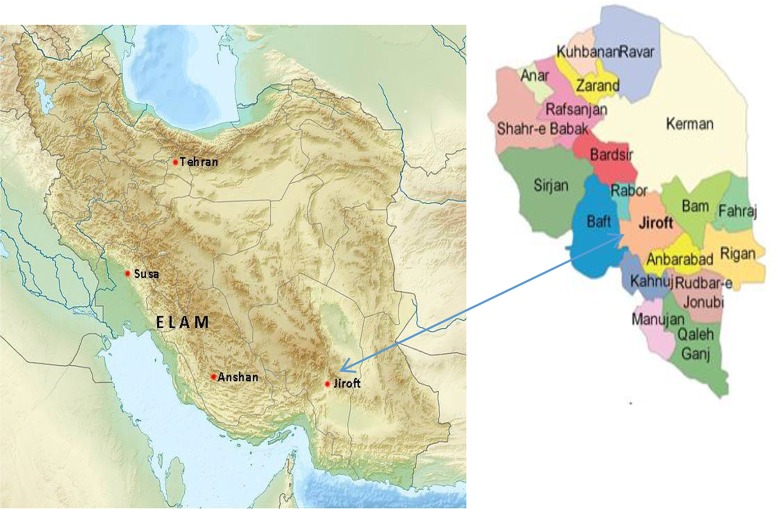
Intestinal parasitic infections have a worldwide distribution. High prevalence of intestinal parasitic infections in individuals with low socioeconomic status and environmental conditions was found. No study has ever been conducted on the prevalence of these infections in Jiroft. Therefore, in this study prevalence of intestinal parasitic infections was evaluated in Jiroft, Kerman Province, Iran.
A total of 1060 individuals from rural and urban areas of Jiroft were sampled accidentally, during 2013-2014. Fresh stool samples were collected from all individuals and examined by formalin ether concentration and agar plate culture. Direct examination was performed on watery samples.
Out of 1060 individuals, 563 (53.1%) and 497 (46.9%) people were from rural and urban areas, respectively. In general, 297 individuals (28%) were infected with intestinal parasites. The prevalence of infection for protozoa and helminthes infections were 27.4% and 1.8%, respectively. The most prevalent protozoans were (13.7%) and (7.8%), and that of helminth was (1.1%).
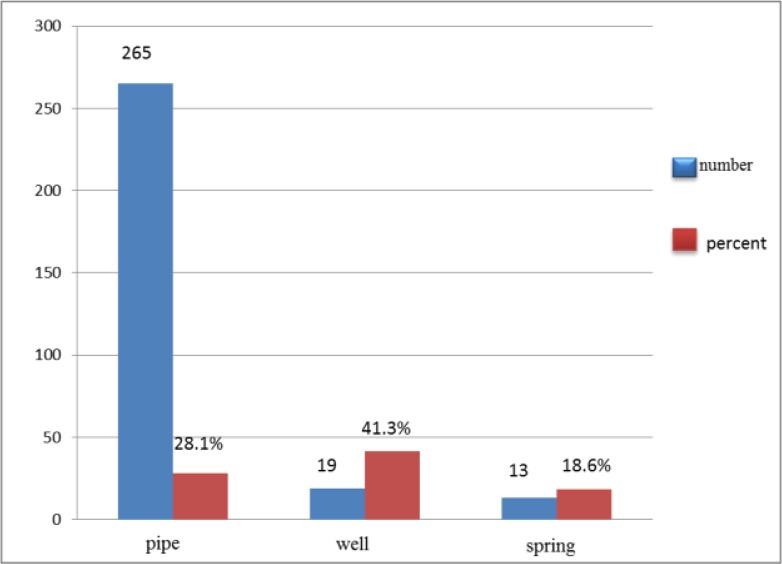
Intestinal protozoan parasites were more prevalent than helminth parasites. Source of water supply and personal hygiene were important factors in the distribution of parasites in the study area.
肠道寄生虫感染在全球范围内均有分布。研究发现,社会经济地位较低的人群以及处于特定环境条件下的个体中,肠道寄生虫感染的患病率较高。此前从未有过关于伊朗克尔曼省吉罗夫特地区这些感染患病率的研究。因此,本研究对伊朗克尔曼省吉罗夫特地区肠道寄生虫感染的患病率进行了评估。
2013年至2014年期间,从吉罗夫特农村和城市地区共随机抽取了1060名个体。采集所有个体的新鲜粪便样本,采用甲醛乙醚浓缩法和琼脂平板培养法进行检测。对水样进行直接检查。
在1060名个体中,分别有563人(53.1%)来自农村地区,497人(46.9%)来自城市地区。总体而言,297名个体(28%)感染了肠道寄生虫。原生动物感染和蠕虫感染的患病率分别为27.4%和1.8%。最常见的原生动物是(13.7%)和(7.8%),蠕虫则是(1.1%)。
肠道原生动物寄生虫比蠕虫寄生虫更为普遍。供水来源和个人卫生是研究区域内寄生虫分布的重要因素。