Hildebrandt Jakob, Bezama Alberto, Thrän Daniela
1 Helmholtz-Centre for Environmental Research, Germany.
2 Deutsches Biomasseforschungszentrum (DBFZ), Germany.
Waste Manag Res. 2017 Apr;35(4):367-378. doi: 10.1177/0734242X16683445. Epub 2017 Jan 18.
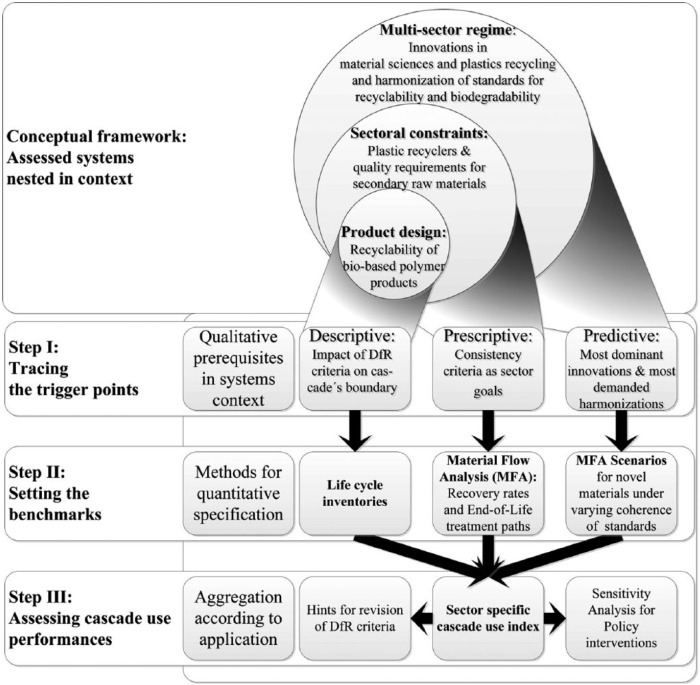
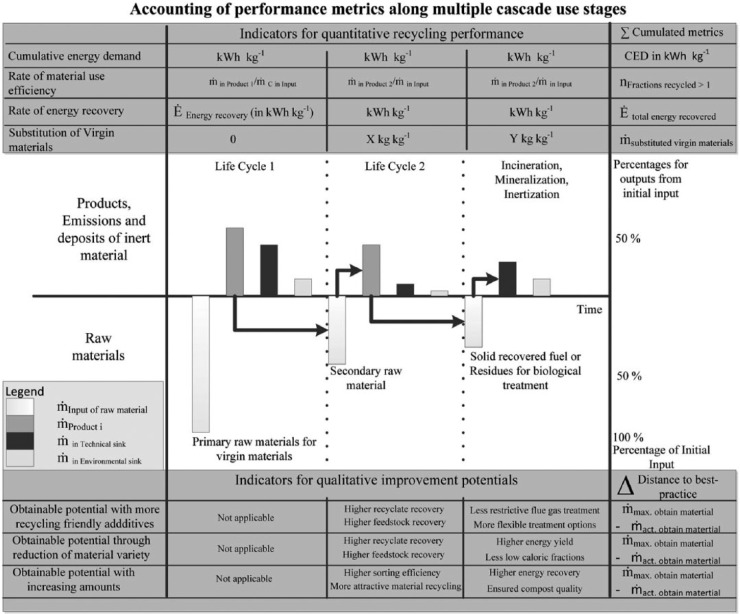
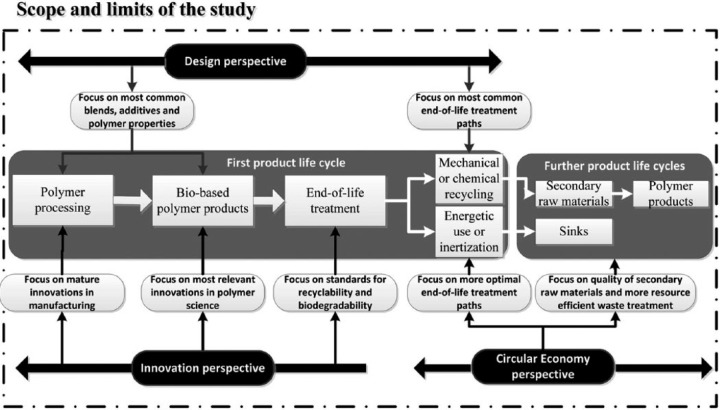
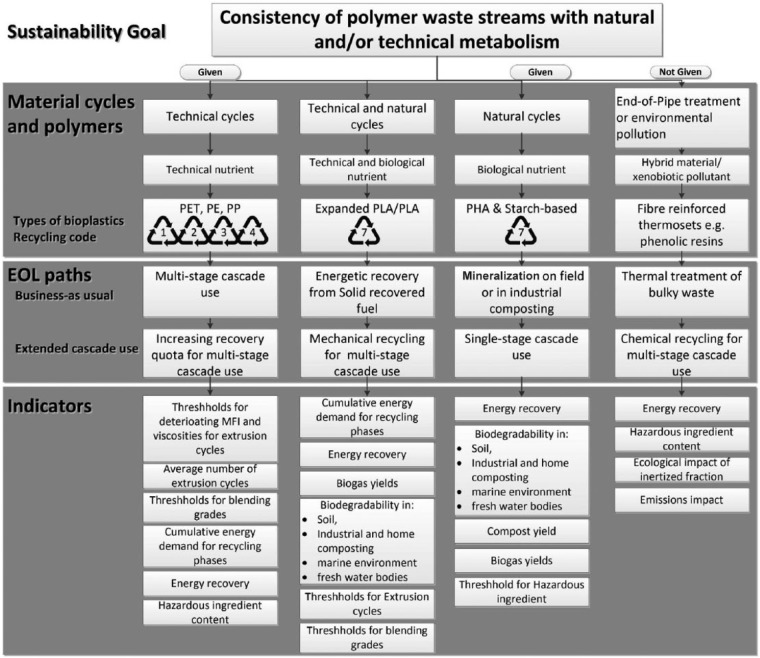
When surveying the trends and criteria for the design for recycling (DfR) of bio-based polymers, priorities appear to lie in energy recovery at the end of the product life of durable products, such as bio-based thermosets. Non-durable products made of thermoplastic polymers exhibit good properties for material recycling. The latter commonly enjoy growing material recycling quotas in countries that enforce a landfill ban. Quantitative and qualitative indicators are needed for characterizing progress in the development towards more recycling friendly bio-based polymers. This would enable the deficits in recycling bio-based plastics to be tracked and improved. The aim of this paper is to analyse the trends in the DfR of bio-based polymers and the constraints posed by the recycling infrastructure on plastic polymers from a systems perspective. This analysis produces recommendations on how life cycle assessment indicators can be introduced into the dialogue between designers and recyclers in order to promote DfR principles to enhance the cascading use of bio-based polymers within the bioeconomy, and to meet circular economy goals.
在调研生物基聚合物回收设计(DfR)的趋势和标准时,重点似乎在于耐用产品(如生物基热固性塑料)在产品生命周期结束时的能量回收。由热塑性聚合物制成的非耐用产品具有良好的材料回收性能。在实施垃圾填埋禁令的国家,后者的材料回收配额通常不断增加。需要定量和定性指标来表征向更有利于回收的生物基聚合物发展的进展情况。这将有助于跟踪和改善生物基塑料回收方面的不足。本文旨在从系统角度分析生物基聚合物回收设计的趋势以及回收基础设施对塑料聚合物构成的限制。该分析就如何将生命周期评估指标引入设计师和回收商之间的对话提出了建议,以推广回收设计原则,加强生物基聚合物在生物经济中的级联利用,并实现循环经济目标。