Sherwood James, Clark James H, Farmer Thomas J, Herrero-Davila Lorenzo, Moity Laurianne
Green Chemistry Centre of Excellence, Department of Chemistry, University of York, York YO10 5DD, UK.
Molecules. 2016 Dec 29;22(1):48. doi: 10.3390/molecules22010048.
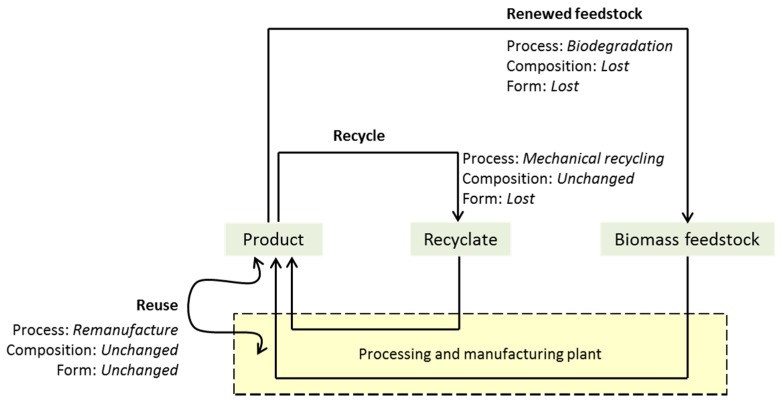
Bio-based products are made from renewable materials, offering a promising basis for the production of sustainable chemicals, materials, and more complex articles. However, biomass is not a limitless resource or one without environmental and social impacts. Therefore, while it is important to use biomass and grow a bio-based economy, displacing the unsustainable petroleum basis of energy and chemical production, any resource must be used effectively to reduce waste. Standards have been developed to support the bio-based product market in order to achieve this aim. However, the design of bio-based products has not received the same level of attention. Reported here are the first steps towards the development of a framework of understanding which connects product design to resource efficiency. Research and development scientists and engineers are encouraged to think beyond simple functionality and associate value to the potential of materials in their primary use and beyond.
生物基产品由可再生材料制成,为可持续化学品、材料及更复杂制品的生产提供了一个有前景的基础。然而,生物质并非无限资源,也不是没有环境和社会影响的资源。因此,虽然利用生物质并发展生物基经济很重要,以取代能源和化学品生产中不可持续的石油基础,但任何资源都必须有效利用以减少浪费。为实现这一目标,已制定标准来支持生物基产品市场。然而,生物基产品的设计尚未受到同等程度的关注。本文报道了朝着建立一个将产品设计与资源效率联系起来的理解框架迈出的第一步。鼓励研发科学家和工程师超越简单的功能,将价值与材料在其初次使用及之后的潜力联系起来。