Division of Stem Cell Therapy, Center for Stem Cell and Regenerative Medicine, The Institute of Medical Science, The University of Tokyo, Minato-ku, Tokyo, Japan.
Institute for Stem Cell Biology and Regenerative Medicine, Stanford University School of Medicine, 265 Campus Drive, Stanford, California 94305, USA.
Sci Rep. 2017 Jan 18;7:40684. doi: 10.1038/srep40684.
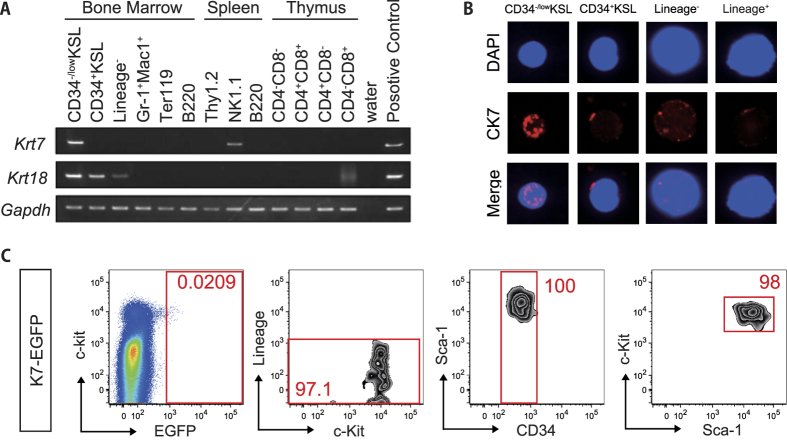
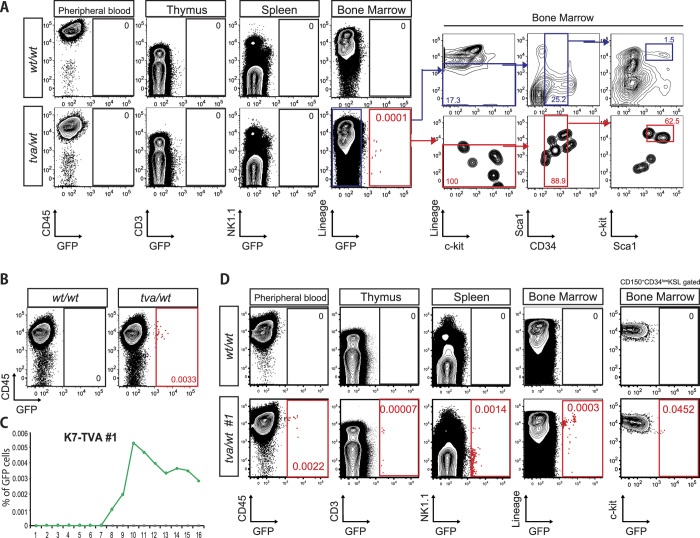
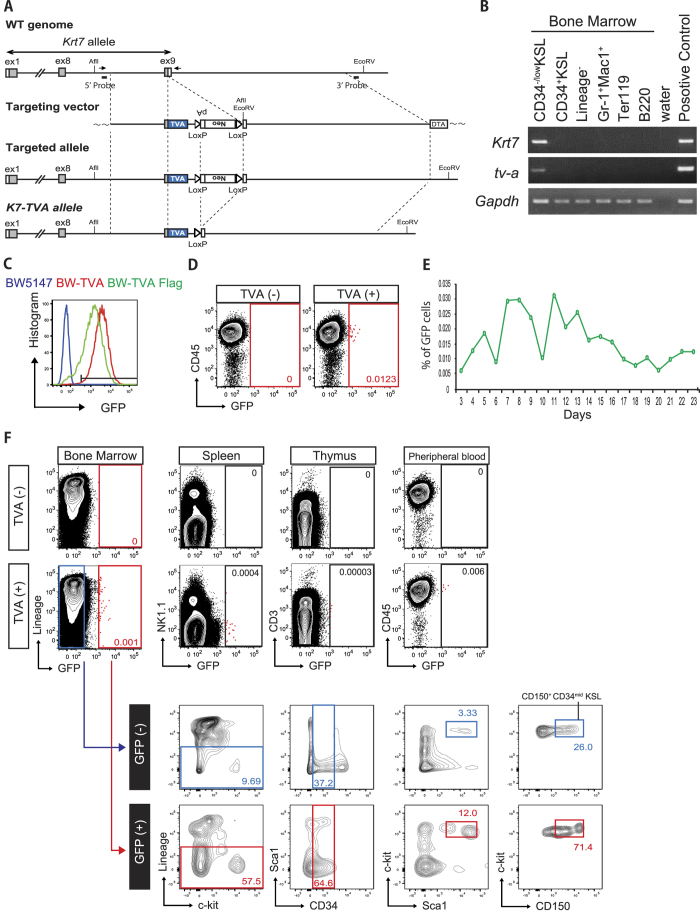
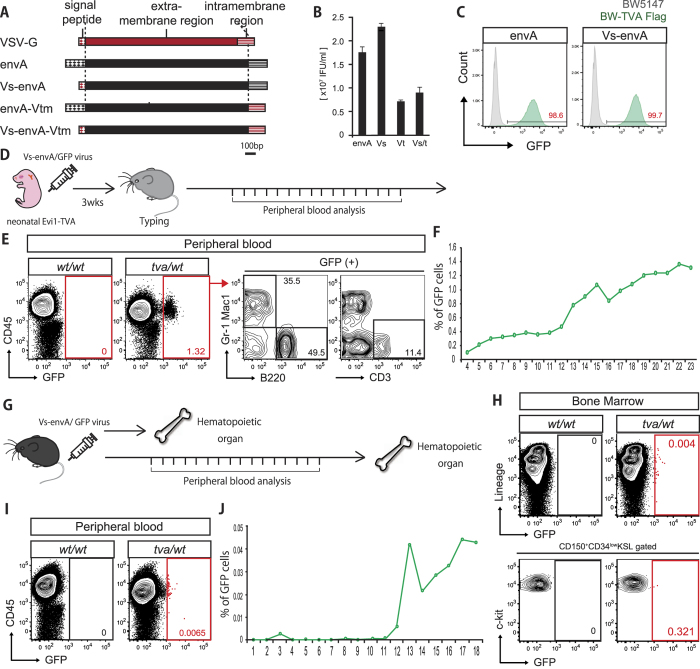
The nature of hematopoietic stem cells under normal hematopoiesis remained largely unknown due to the limited assays available to monitor their behavior in situ. Here, we develop a new mouse model to transfer genes specifically into the primitive hematopoietic stem cell compartment through the utilization of a modified Rcas/TVA system. We succeeded in transferring a GFP reporter gene into adult hematopoietic stem cells in vivo, which are predominantly quiescent, by generating pseudotyped-lentivirus. Furthermore, we demonstrate the utility of this system to study neonatal hematopoiesis, a developmental stage that has been difficult to analyze to date. Using the system developed in this study, we observed continuous multi-lineage hematopoietic cell supply in peripheral blood from Krt7-positive hematopoietic stem cells during unperturbed homeostatic condition. This powerful experimental system could provide a new standard tool to analyze hematopoiesis under physiological condition without transplantation.
由于可用的检测方法有限,难以原位监测其行为,因此正常造血过程中造血干细胞的性质在很大程度上仍是未知的。在这里,我们开发了一种新的小鼠模型,通过利用改良的 Rcas/TVA 系统将基因特异性转移到原始造血干细胞区室中。我们成功地通过生成假型慢病毒将 GFP 报告基因转移到体内主要处于静止状态的成年造血干细胞中。此外,我们证明了该系统在研究新生儿造血方面的实用性,这是一个迄今为止难以分析的发育阶段。使用本研究中开发的系统,我们在未受干扰的稳态条件下观察到外周血中 Krt7 阳性造血干细胞的多谱系造血细胞的持续供应。该强大的实验系统可以提供一种新的标准工具,在无需移植的情况下分析生理条件下的造血。