Arikkatt Jaisy, Ullah Md Ashik, Short Kirsty Renfree, Zhang Vivan, Gan Wan Jun, Loh Zhixuan, Werder Rhiannon B, Simpson Jennifer, Sly Peter D, Mazzone Stuart B, Spann Kirsten M, Ferreira Manuel Ar, Upham John W, Sukkar Maria B, Phipps Simon
School of Biomedical Science, University of Queensland, Brisbane, Australia.
Woolcock Institute of Medical Research, Sydney Medical School, University of Sydney, New South Wales, Australia.
Elife. 2017 Jan 18;6:e21199. doi: 10.7554/eLife.21199.
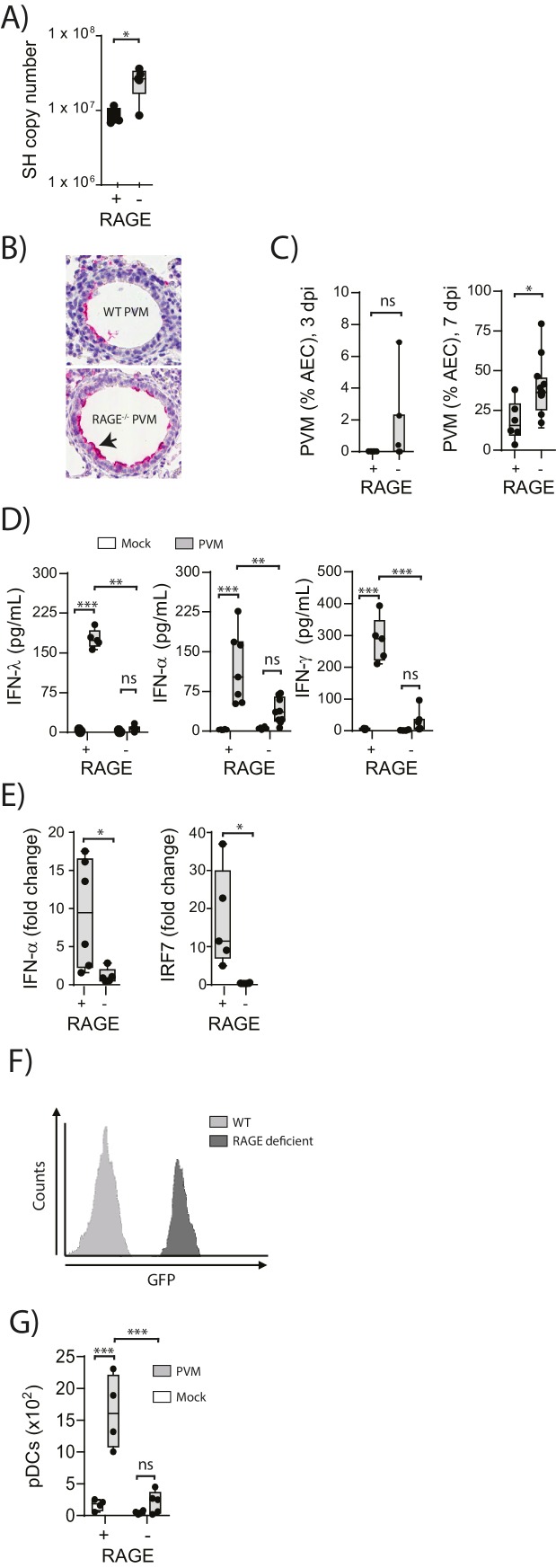
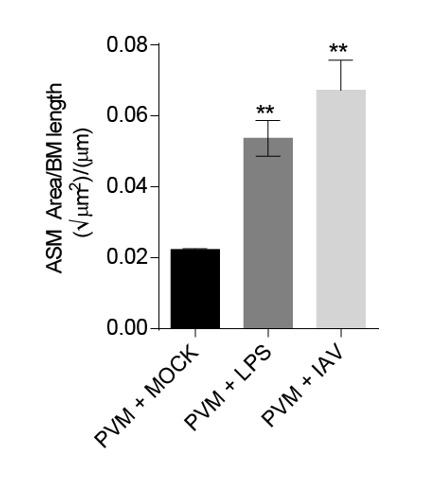
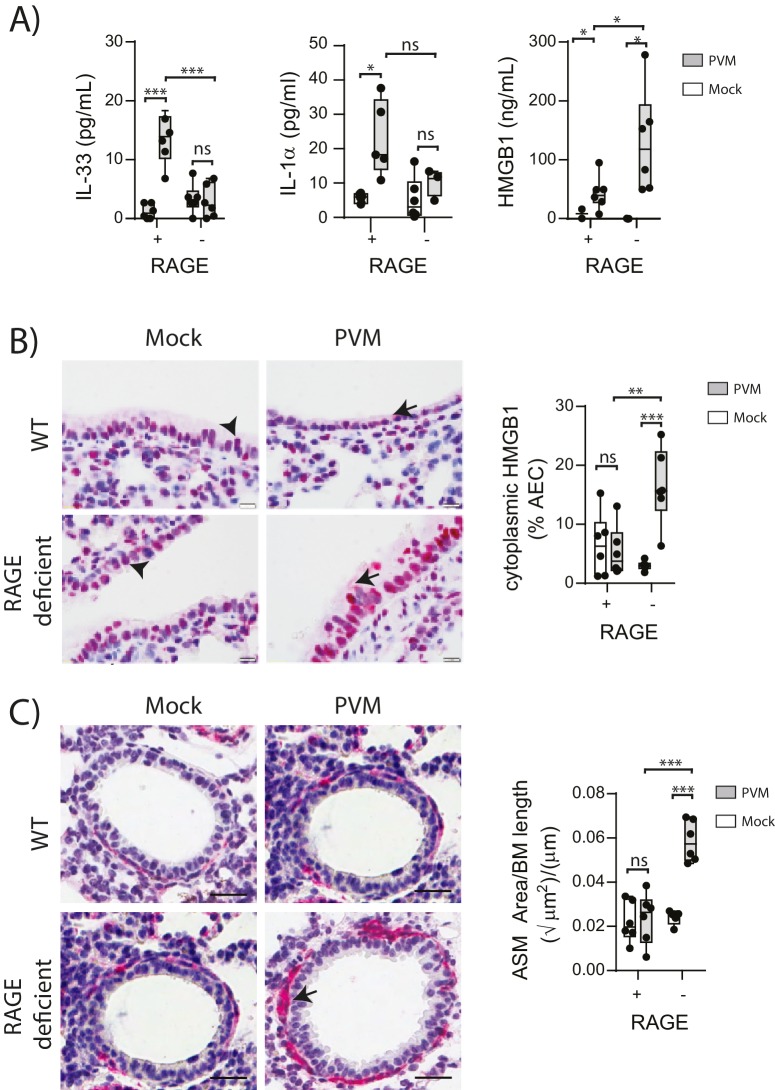
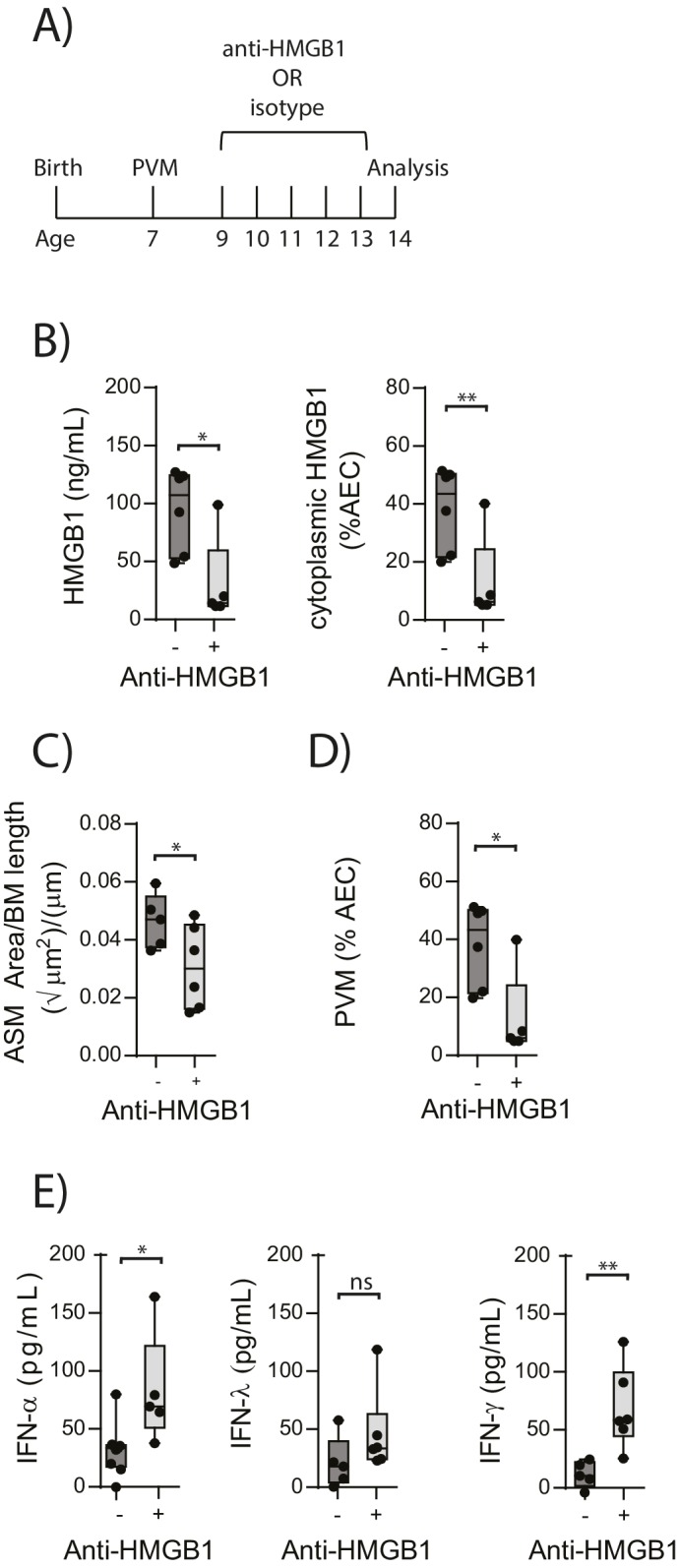
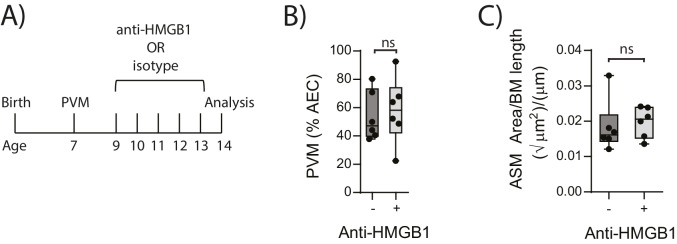
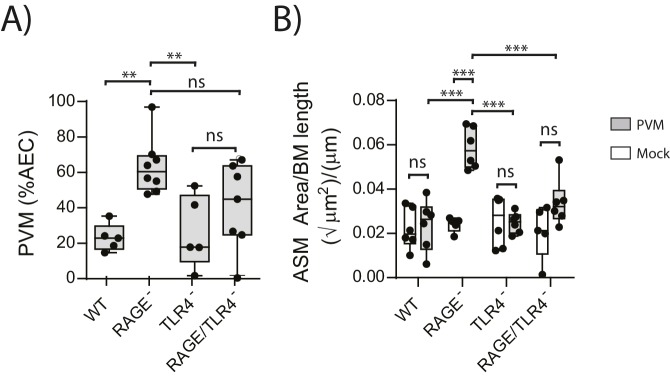
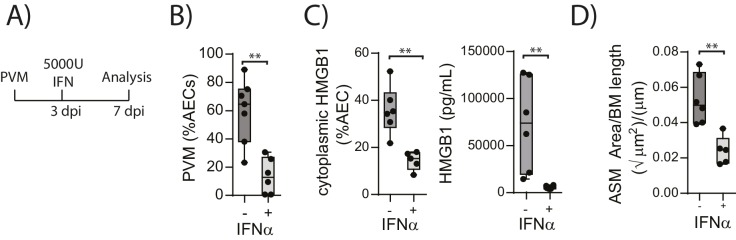
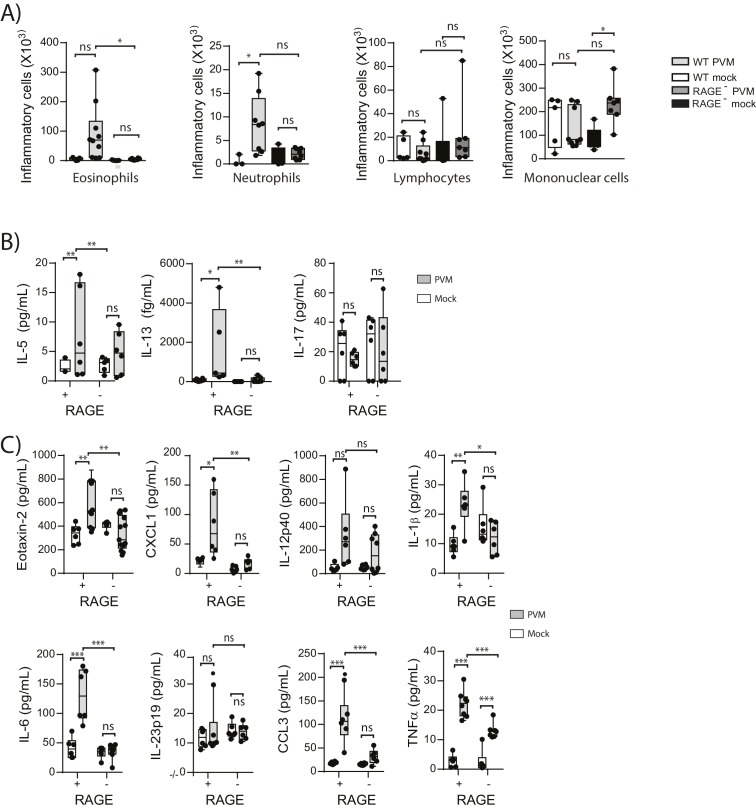
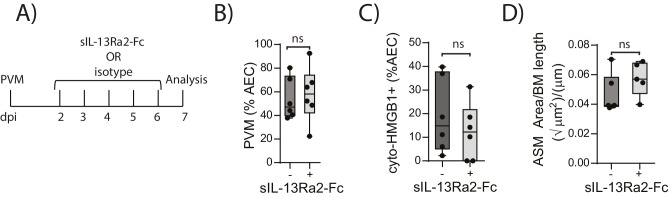
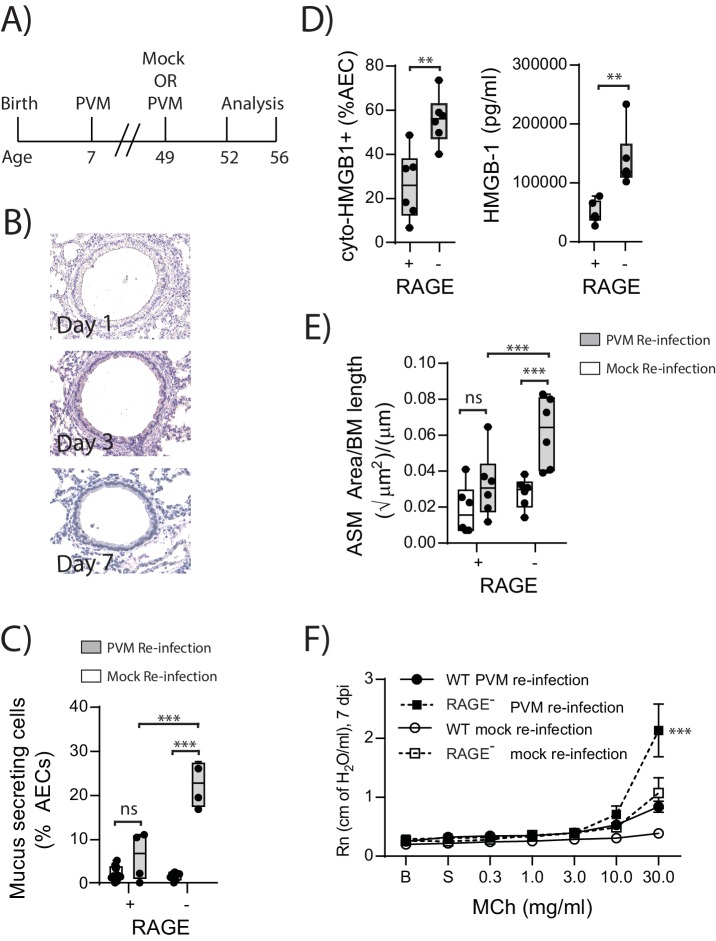
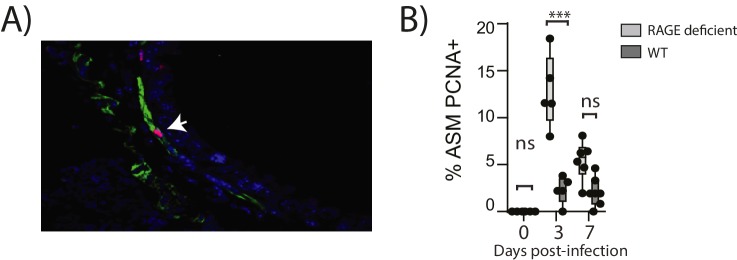
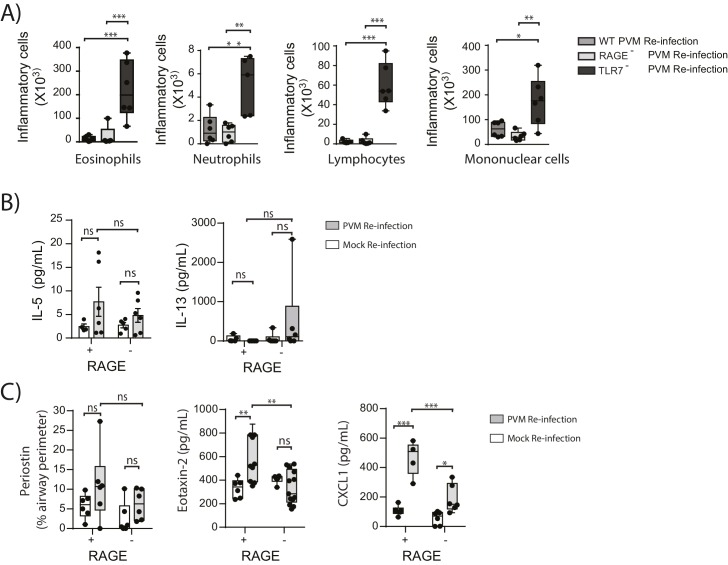
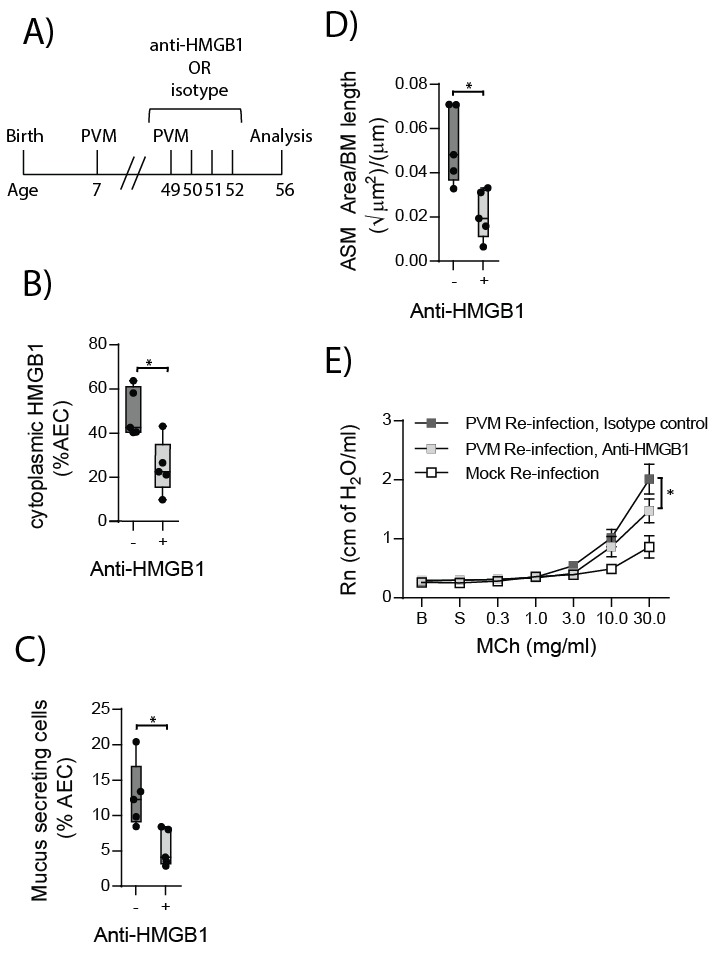
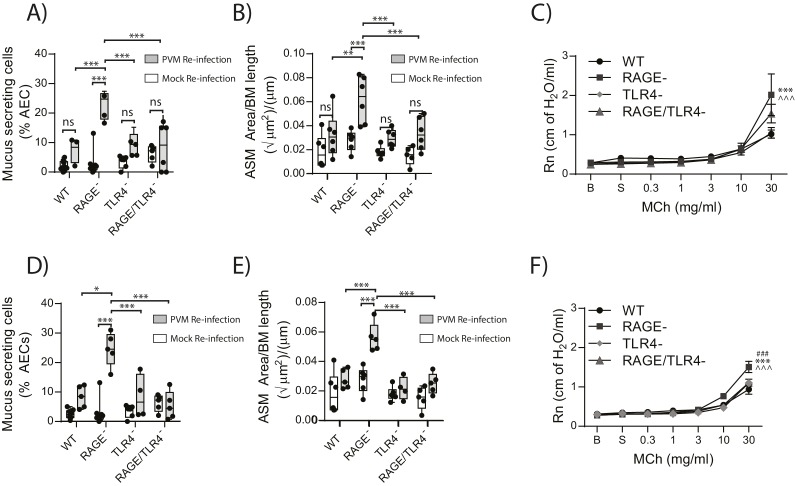
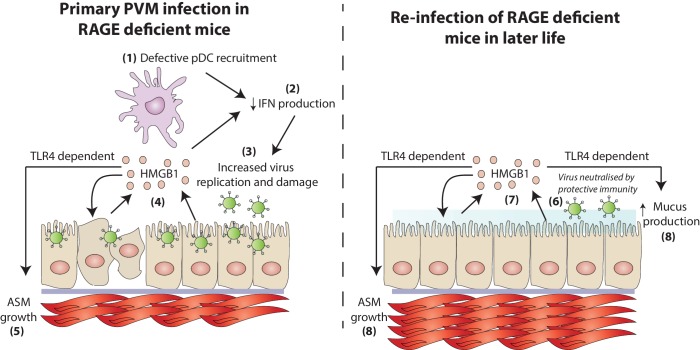
Asthma is a chronic inflammatory disease. Although many patients with asthma develop type-2 dominated eosinophilic inflammation, a number of individuals develop paucigranulocytic asthma, which occurs in the absence of eosinophilia or neutrophilia. The aetiology of paucigranulocytic asthma is unknown. However, both respiratory syncytial virus (RSV) infection and mutations in the receptor for advanced glycation endproducts () are risk factors for asthma development. Here, we show that RAGE deficiency impairs anti-viral immunity during an early-life infection with pneumonia virus of mice (PVM; a murine analogue of RSV). The elevated viral load was associated with the release of high mobility group box-1 (HMGB1) which triggered airway smooth muscle remodelling in early-life. Re-infection with PVM in later-life induced many of the cardinal features of asthma in the absence of eosinophilic or neutrophilic inflammation. Anti-HMGB1 mitigated both early-life viral disease and asthma-like features, highlighting HMGB1 as a possible novel therapeutic target.
哮喘是一种慢性炎症性疾病。尽管许多哮喘患者会出现以2型为主的嗜酸性粒细胞炎症,但也有一些个体发展为少粒细胞性哮喘,这种哮喘在没有嗜酸性粒细胞增多或中性粒细胞增多的情况下发生。少粒细胞性哮喘的病因尚不清楚。然而,呼吸道合胞病毒(RSV)感染和晚期糖基化终产物受体(RAGE)的突变都是哮喘发生的危险因素。在此,我们表明RAGE缺陷会损害小鼠肺炎病毒(PVM;RSV的鼠类类似物)早期感染期间的抗病毒免疫。病毒载量升高与高迁移率族蛋白B1(HMGB1)的释放有关,HMGB1在早期触发气道平滑肌重塑。在后期再次感染PVM会诱发许多哮喘的主要特征,且不存在嗜酸性粒细胞或中性粒细胞炎症。抗HMGB1减轻了早期病毒疾病和哮喘样特征,突出了HMGB1作为一种可能的新型治疗靶点。