Ghezzi Chiara E, Marelli Benedetto, Omenetto Fiorenzo G, Funderburgh James L, Kaplan David L
Department of Biomedical Engineering, Tufts University, Medford, Massachusetts, United States of America.
Department of Ophthalmology, University of Pittsburgh School of Medicine, Pittsburgh, Pennsylvania, United States of America.
PLoS One. 2017 Jan 18;12(1):e0169504. doi: 10.1371/journal.pone.0169504. eCollection 2017.
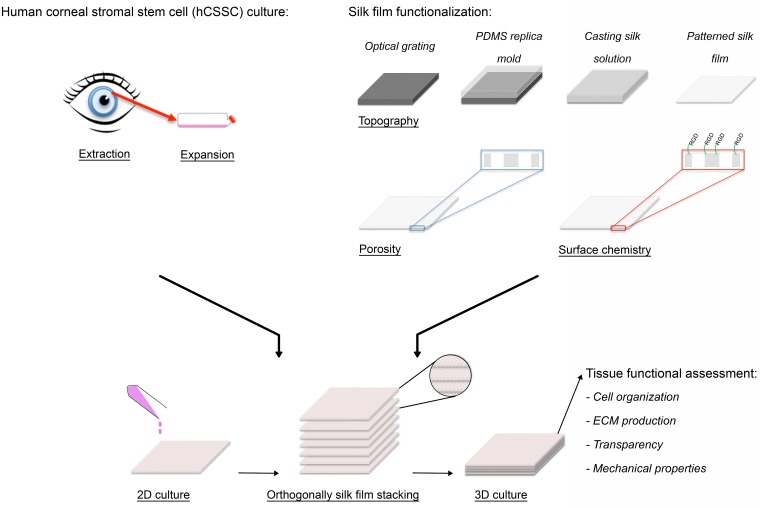
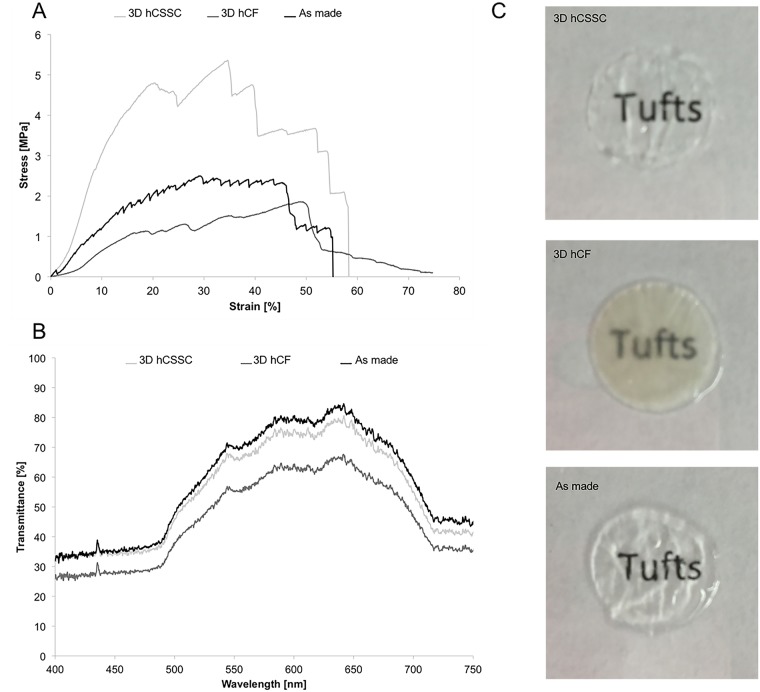
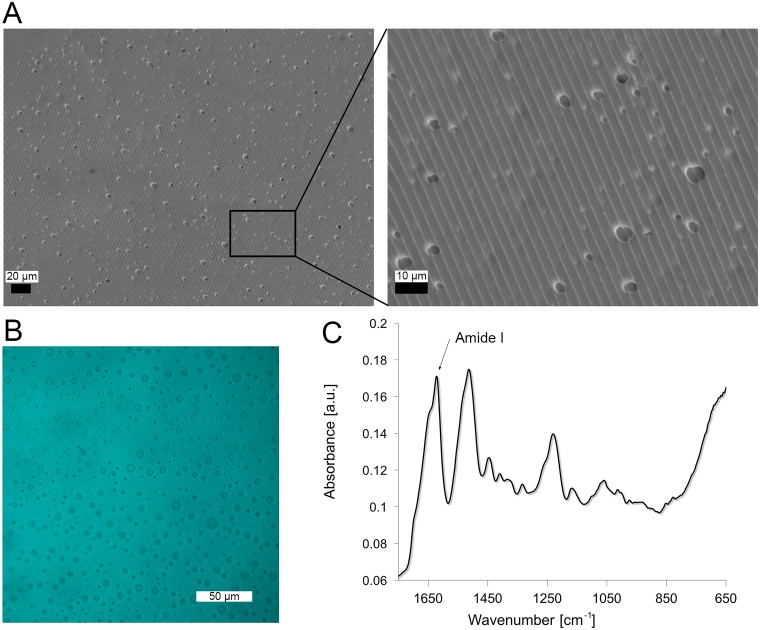
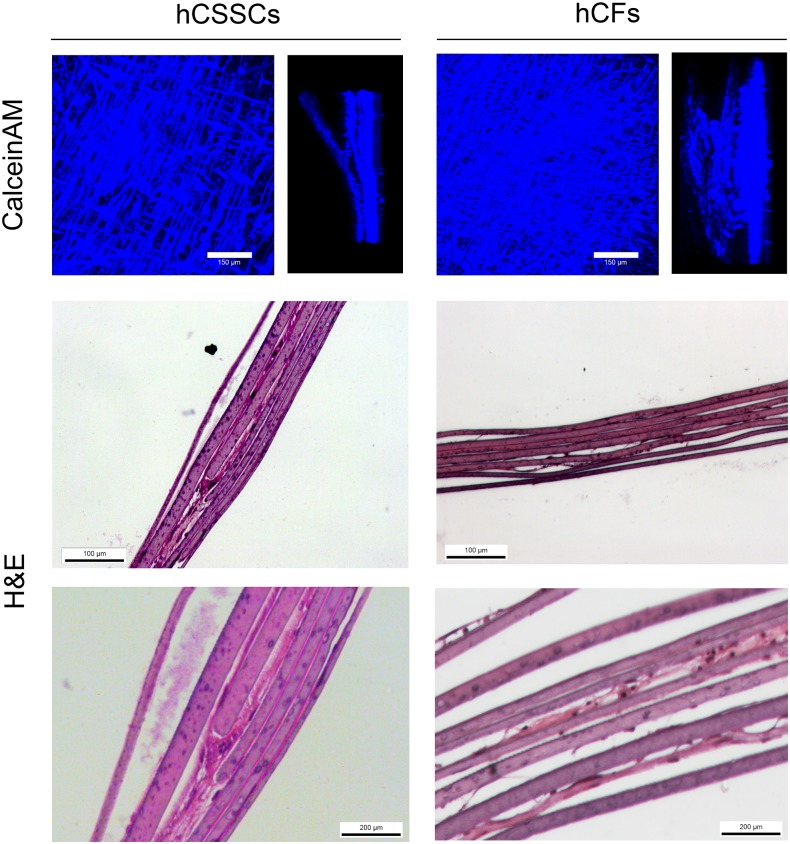
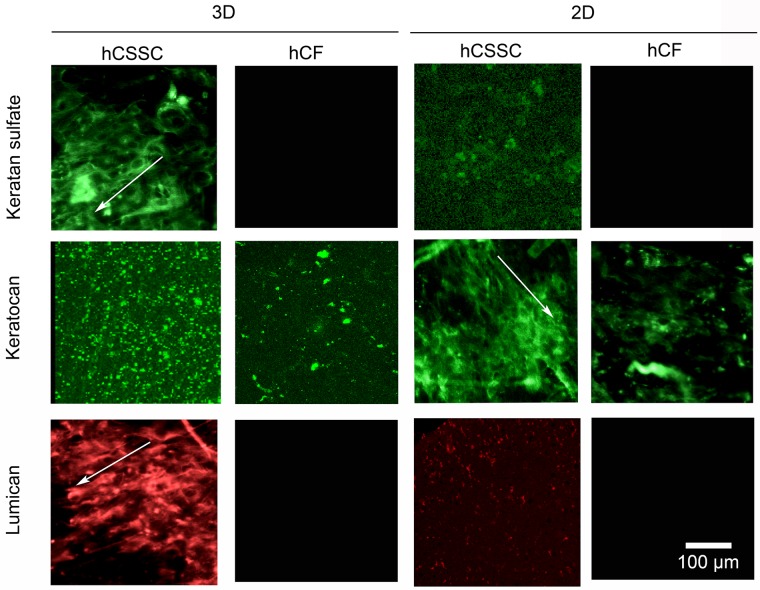
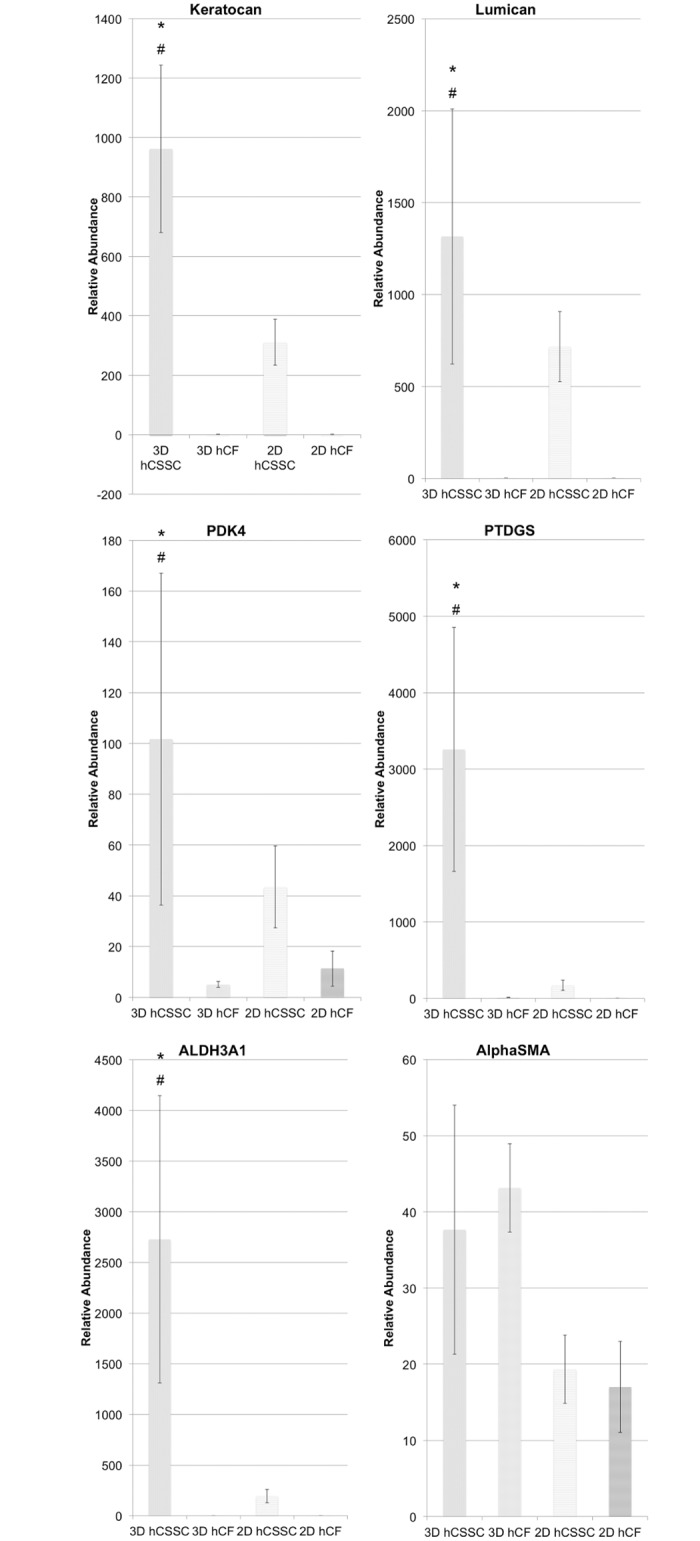
The worldwide need for human cornea equivalents continues to grow. Few clinical options are limited to allogenic and synthetic material replacements. We hypothesized that tissue engineered human cornea systems based on mechanically robust, patterned, porous, thin, optically clear silk protein films, in combination with human corneal stromal stem cells (hCSSCs), would generate 3D functional corneal stroma tissue equivalents, in comparison to previously developed 2D approaches. Silk film contact guidance was used to control the alignment and distribution of hCSSCs on RGD-treated single porous silk films, which were then stacked in an orthogonally, multi-layered architecture and cultured for 9 weeks. These systems were compared similar systems generated with human corneal fibroblasts (hCFs). Both cell types were viable and preferentially aligned along the biomaterial patterns for up to 9 weeks in culture. H&E histological sections showed that the systems seeded with the hCSSCs displayed ECM production throughout the entire thickness of the constructs. In addition, the ECM proteins tested positive for keratocyte-specific tissue markers, including keratan sulfate, lumican, and keratocan. The quantification of hCSSC gene expression of keratocyte-tissue markers, including keratocan, lumican, human aldehyde dehydrogenase 3A1 (ALDH3A1), prostaglandin D2 synthase (PTDGS), and pyruvate dehydrogenase kinase, isozyme 4 (PDK4), within the 3D tissue systems demonstrated upregulation when compared to 2D single silk films and to the systems generated with the hCFs. Furthermore, the production of ECM from the hCSSC seeded systems and subsequent remodeling of the initial matrix significantly improved cohesiveness and mechanical performance of the constructs, while maintaining transparency after 9 weeks.
全球对人角膜替代物的需求持续增长。临床选择很少,仅限于同种异体和合成材料替代物。我们假设,基于机械坚固、有图案、多孔、薄且光学透明的丝蛋白膜,并结合人角膜基质干细胞(hCSSCs)构建的组织工程化人角膜系统,与先前开发的二维方法相比,将生成三维功能性角膜基质组织替代物。利用丝膜接触导向来控制hCSSCs在经RGD处理的单孔丝膜上的排列和分布,然后将这些丝膜以正交多层结构堆叠并培养9周。将这些系统与用人角膜成纤维细胞(hCFs)生成的类似系统进行比较。两种细胞类型在培养长达9周的时间内均存活,并优先沿着生物材料图案排列。苏木精-伊红(H&E)组织学切片显示,接种hCSSCs的系统在构建体的整个厚度上均显示出细胞外基质(ECM)的产生。此外,这些ECM蛋白对角膜细胞特异性组织标志物呈阳性,包括硫酸角质素、核心蛋白聚糖和角蛋白聚糖。在三维组织系统中,对角膜细胞组织标志物(包括角蛋白聚糖、核心蛋白聚糖、人醛脱氢酶3A1(ALDH3A1)、前列腺素D2合酶(PTDGS)和丙酮酸脱氢酶激酶同工酶4(PDK4))的hCSSC基因表达进行定量分析,结果表明,与二维单丝膜以及用hCFs生成的系统相比,其表达上调。此外,接种hCSSCs的系统产生的ECM以及初始基质的后续重塑显著改善了构建体的内聚性和机械性能,同时在9周后仍保持透明。