Jacobson Jerry O, Cueto Carmen, Smith Jennifer L, Hwang Jimee, Gosling Roly, Bennett Adam
Malaria Elimination Initiative, Global Health Group, University of California, San Francisco, 550 16th Street, San Francisco, CA, 94158, USA.
US President's Malaria Initiative, Malaria Branch, Division of Parasitic Diseases and Malaria, US Centers for Disease Control and Prevention, 1600 Clifton Rd, Atlanta, GA, 30333, USA.
Malar J. 2017 Jan 18;16(1):33. doi: 10.1186/s12936-017-1679-1.
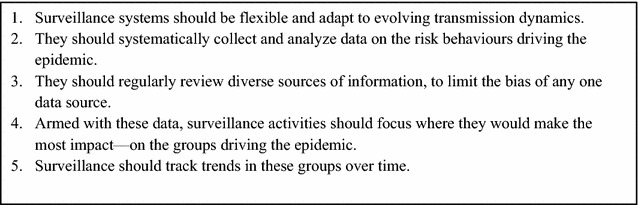
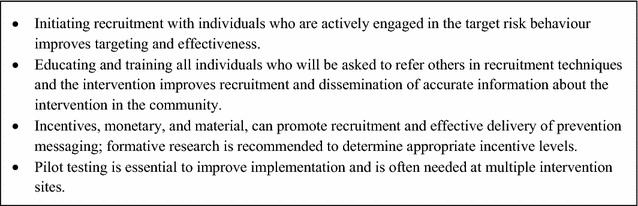
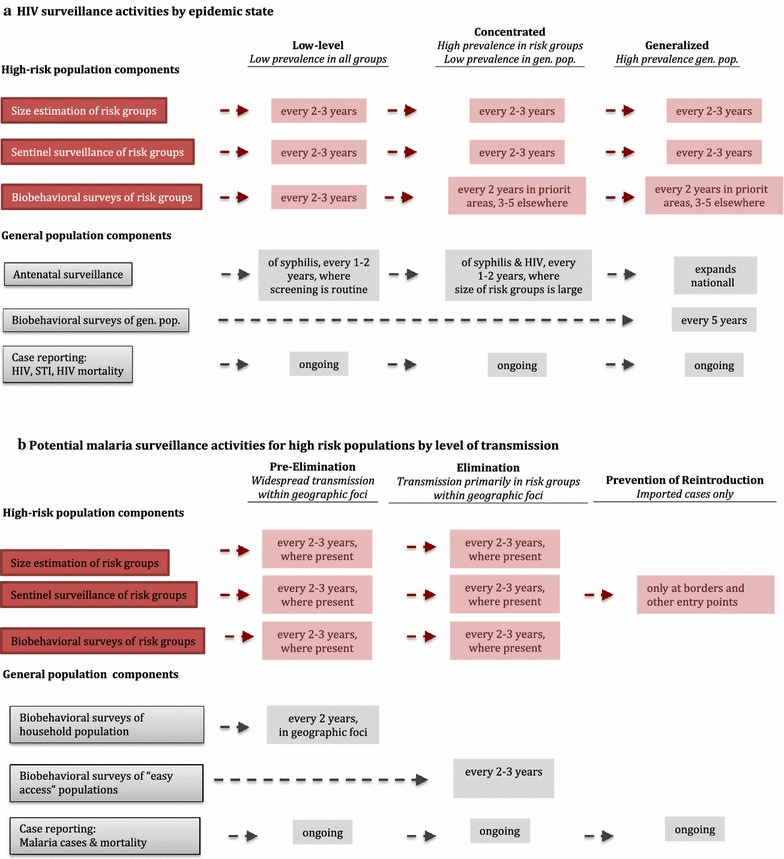
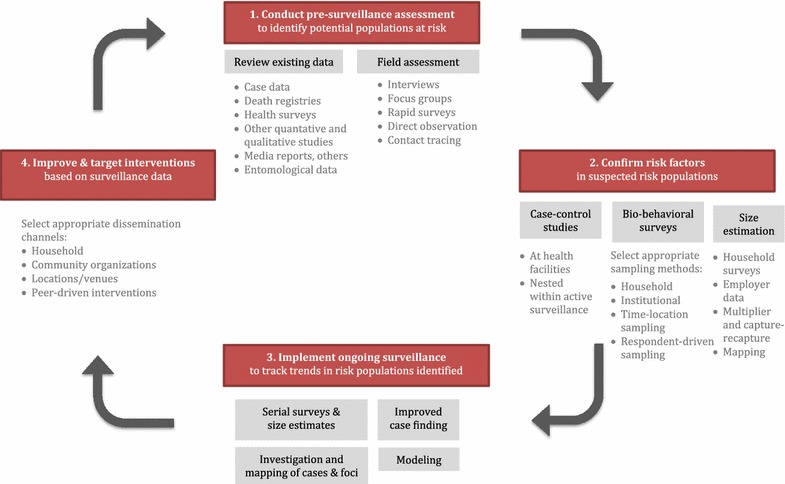
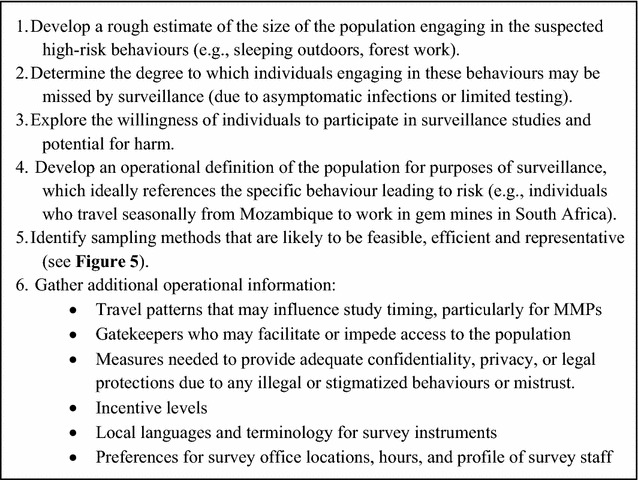
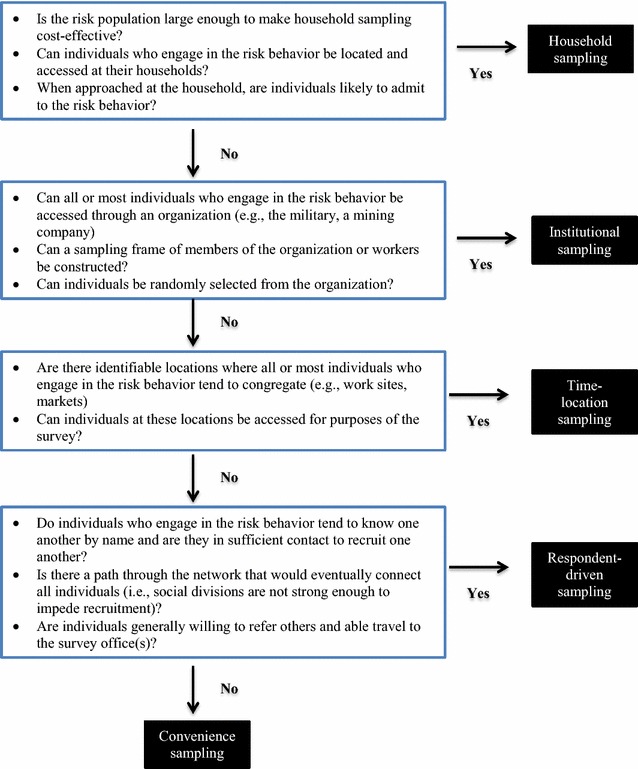
To eliminate malaria, malaria programmes need to develop new strategies for surveillance and response appropriate for the changing epidemiology that accompanies transmission decline, in which transmission is increasingly driven by population subgroups whose behaviours place them at increased exposure. Conventional tools of malaria surveillance and response are likely not sufficient in many elimination settings for accessing high-risk population subgroups, such as mobile and migrant populations (MMPs), given their greater likelihood of asymptomatic infections, illegal risk behaviours, limited access to public health facilities, and high mobility including extended periods travelling away from home. More adaptive, targeted strategies are needed to monitor transmission and intervention coverage effectively in these groups. Much can be learned from HIV programmes' experience with "second generation surveillance", including how to rapidly adapt surveillance and response strategies to changing transmission patterns, biological and behavioural surveys that utilize targeted sampling methods for specific behavioural subgroups, and methods for population size estimation. This paper reviews the strategies employed effectively for HIV programmes and offers considerations and recommendations for adapting them to the malaria elimination context.
为了消除疟疾,疟疾防治项目需要制定新的监测和应对策略,以适应随着传播率下降而变化的流行病学情况,在这种情况下,传播越来越多地由行为使其暴露风险增加的人群亚组驱动。鉴于流动和移民人群(MMPs)等高危人群亚组无症状感染的可能性更大、存在非法风险行为、获得公共卫生设施的机会有限以及流动性高(包括长时间离家出行),在许多消除疟疾的环境中,传统的疟疾监测和应对工具可能不足以覆盖这些人群亚组。需要更具适应性、针对性的策略来有效监测这些人群的传播情况和干预措施覆盖范围。可以从艾滋病项目在“第二代监测”方面的经验中学到很多东西,包括如何迅速使监测和应对策略适应不断变化的传播模式、利用针对特定行为亚组的抽样方法进行的生物学和行为调查,以及人口规模估计方法。本文回顾了艾滋病项目有效采用的策略,并就如何将这些策略应用于疟疾消除背景提供了思考和建议。