Blokhina Olga, Valerio Concetta, Sokołowska Katarzyna, Zhao Lei, Kärkönen Anna, Niittylä Totte, Fagerstedt Kurt
Viikki Plant Science Centre, Department of Biosciences, University of Helsinki Helsinki, Finland.
Plant Stress Signaling, Instituto Gulbenkian de CiênciaOeiras, Portugal; Umeå Plant Science Centre, Department of Forest Genetics and Plant Physiology, Swedish University of Agricultural SciencesUmeå, Sweden.
Front Plant Sci. 2017 Jan 4;7:1965. doi: 10.3389/fpls.2016.01965. eCollection 2016.
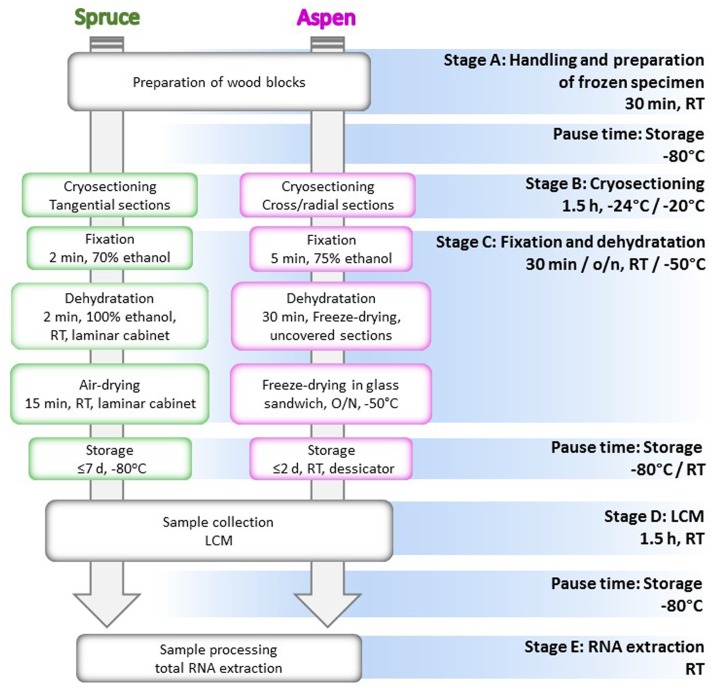
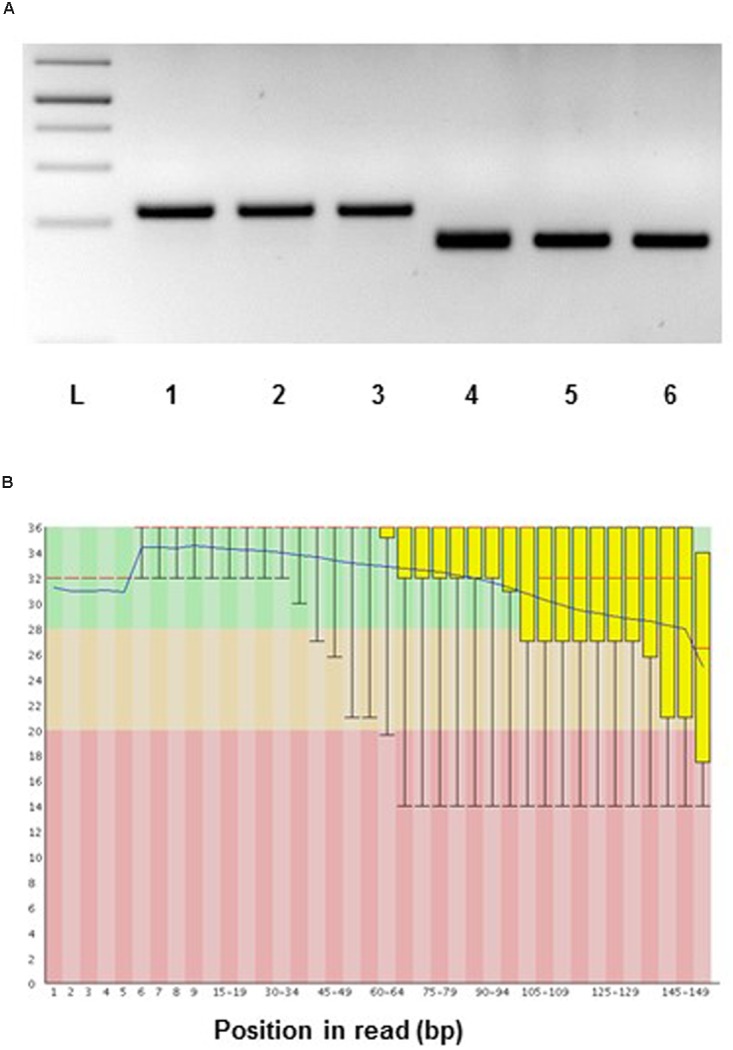
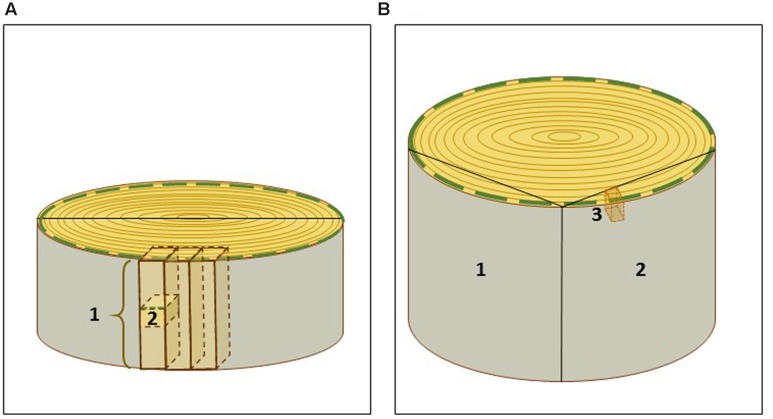
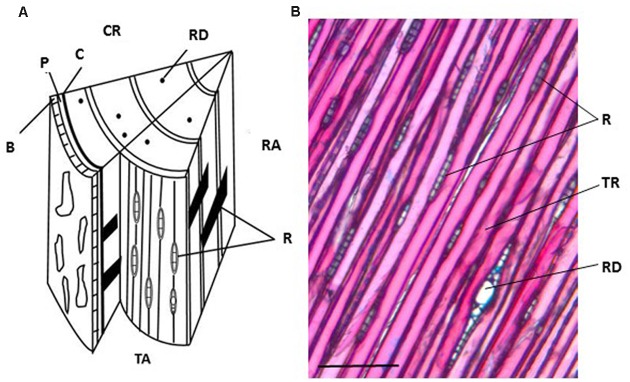
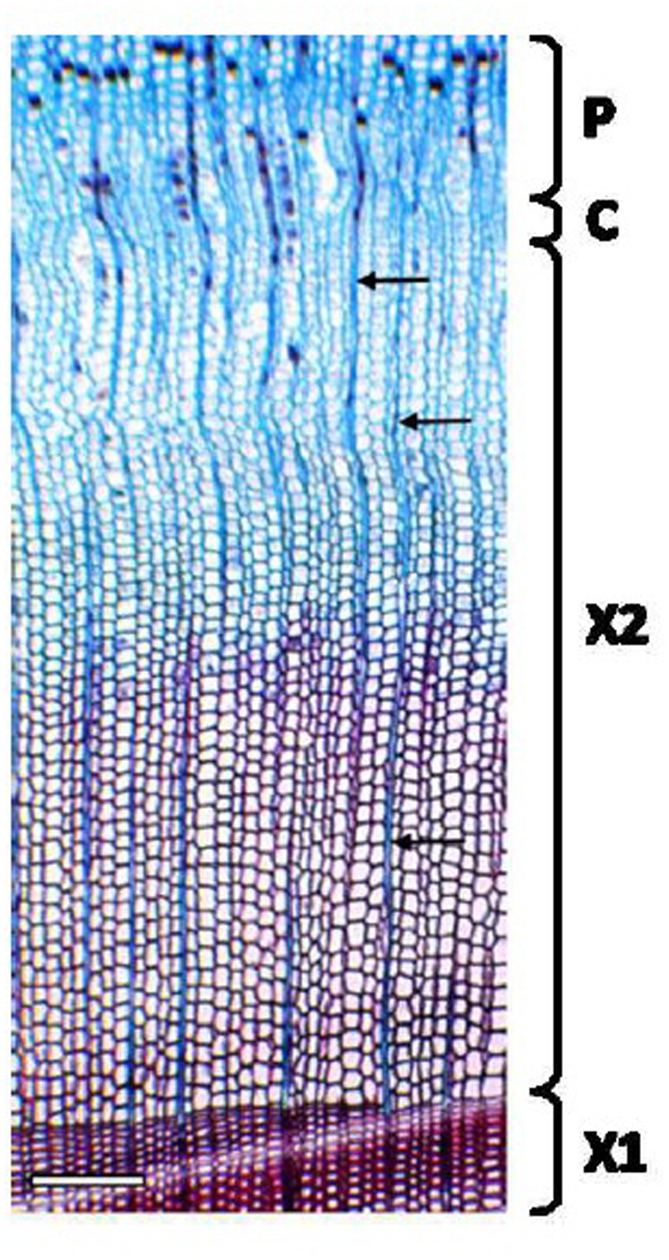
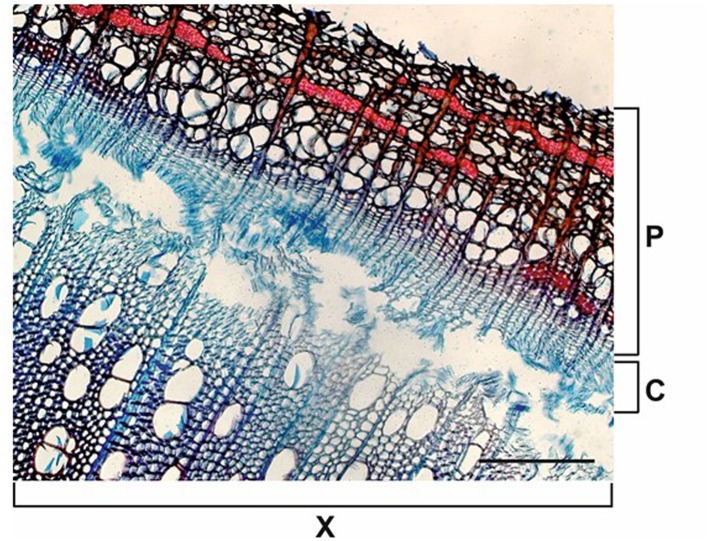
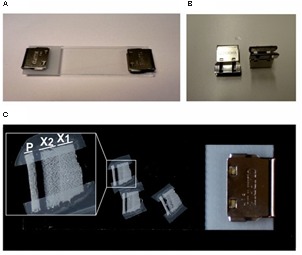
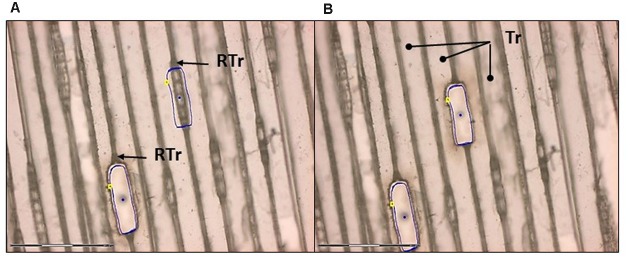
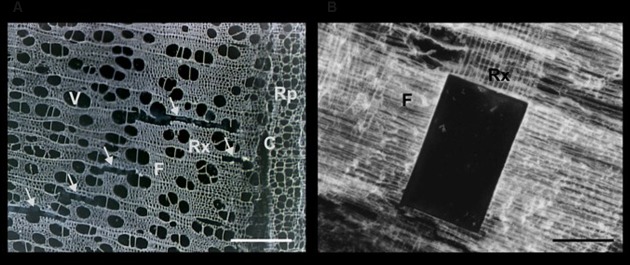
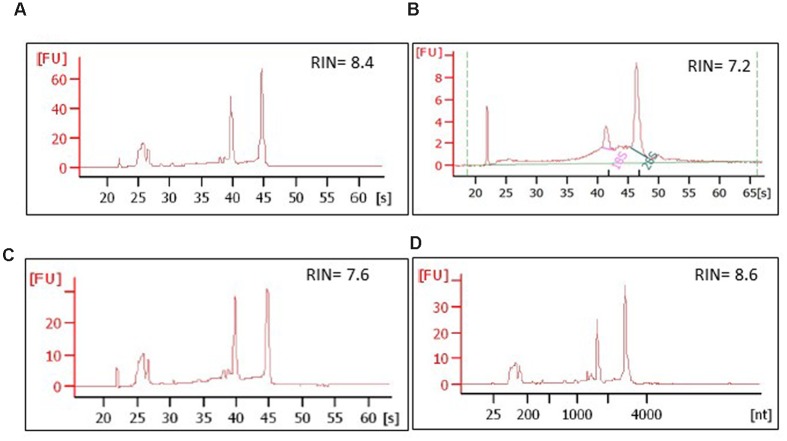
Laser capture microdissection (LCM) enables precise dissection and collection of individual cell types from complex tissues. When applied to plant cells, and especially to woody tissues, LCM requires extensive optimization to overcome such factors as rigid cell walls, large central vacuoles, intercellular spaces, and technical issues with thickness and flatness of the sections. Here we present an optimized protocol for the laser-assisted microdissection of developing xylem from mature trees: a gymnosperm (Norway spruce, ) and an angiosperm (aspen, ) tree. Different cell types of spruce and aspen wood (i.e., ray cells, tracheary elements, and fibers) were successfully microdissected from tangential, cross and radial cryosections of the current year's growth ring. Two approaches were applied to achieve satisfactory flatness and anatomical integrity of the spruce and aspen specimens. The commonly used membrane slides were ineffective as a mounting surface for the wood cryosections. Instead, in the present protocol we use glass slides, and introduce a glass slide sandwich assembly for the preparation of aspen sections. To ascertain that not only the anatomical integrity of the plant tissue, but also the molecular features were not compromised during the whole LCM procedure, good quality total RNA could be extracted from the microdissected cells. This showed the efficiency of the protocol and established that our methodology can be integrated in transcriptome analyses to elucidate cell-specific molecular events regulating wood formation in trees.
激光捕获显微切割(LCM)能够从复杂组织中精确切割并收集单个细胞类型。当应用于植物细胞,尤其是木质组织时,LCM需要进行大量优化,以克服诸如坚硬的细胞壁、大的中央液泡、细胞间隙以及切片厚度和平整度等技术问题。在此,我们展示了一种针对从成熟树木(裸子植物挪威云杉和被子植物白杨)发育中的木质部进行激光辅助显微切割的优化方案。从当年生长轮的切向、横向和径向冷冻切片中成功显微切割出了云杉和白杨木材的不同细胞类型(即射线细胞、管状分子和纤维)。应用了两种方法来实现云杉和白杨标本令人满意的平整度和解剖完整性。常用的膜载玻片作为木材冷冻切片的载玻片效果不佳。相反,在本方案中我们使用玻璃载玻片,并引入了一种用于制备白杨切片的玻璃载玻片三明治组件。为了确定在整个LCM过程中不仅植物组织的解剖完整性,而且分子特征也未受到损害,能够从显微切割的细胞中提取高质量的总RNA。这表明了该方案的有效性,并确定我们的方法可整合到转录组分析中,以阐明调节树木木材形成的细胞特异性分子事件。