Olsen Stian, Krause Kirsten
Department of Arctic and Marine Biology, Faculty of Biosciences, Fisheries and Economics, UiT The Arctic University of Norway, Framstredet 39, 9019 Tromsø, Norway.
Plant Methods. 2019 Aug 2;15:88. doi: 10.1186/s13007-019-0471-3. eCollection 2019.
Gene expression changes that govern essential biological processes can occur at the cell-specific level. To gain insight into such events, laser microdissection is applied to cut out specific cells or tissues from which RNA for gene expression analysis is isolated. However, the preparation of plant tissue sections for laser microdissection and subsequent RNA isolation usually involves fixation and embedding, processes that are often time-consuming and can lower the yield and quality of isolated RNA.
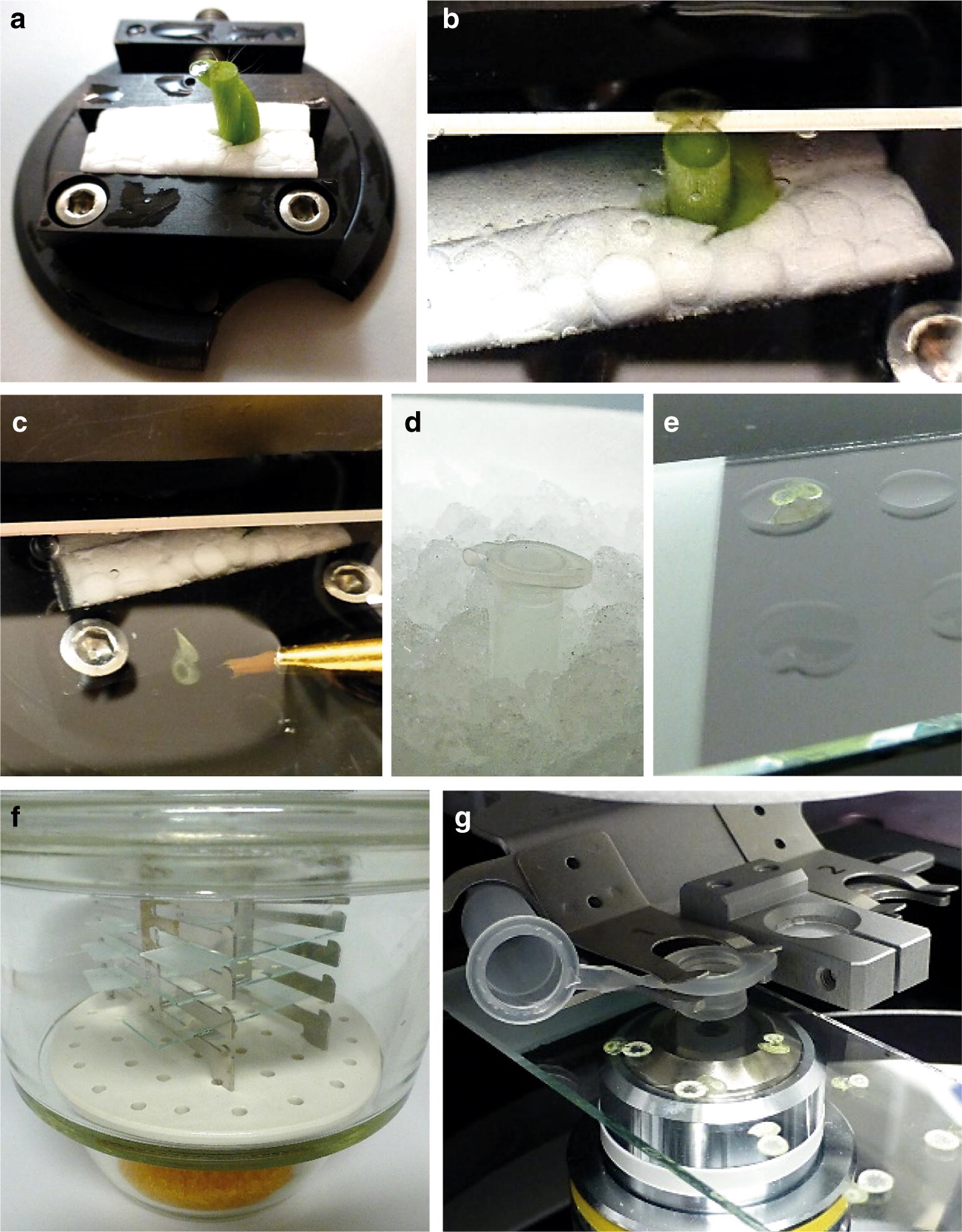
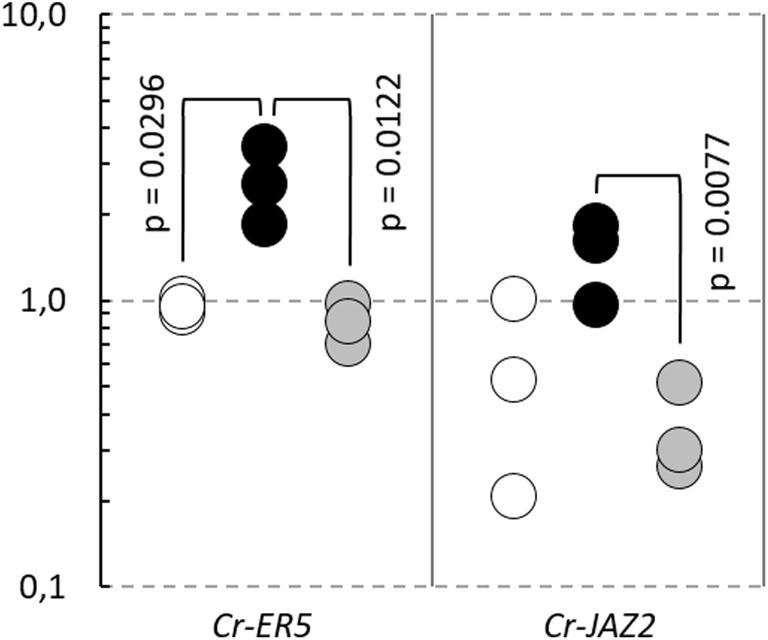
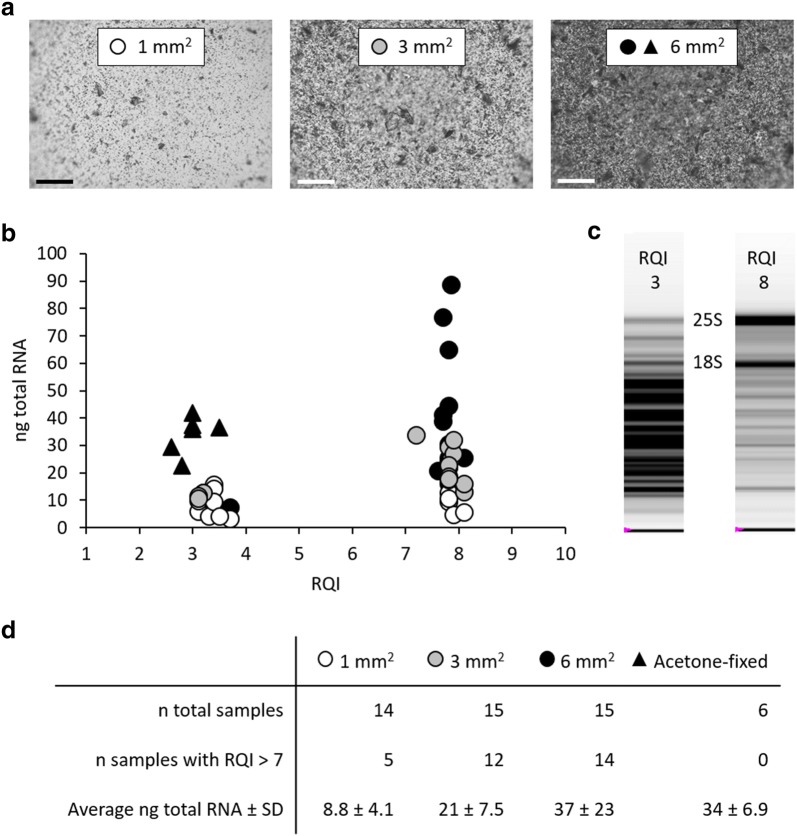
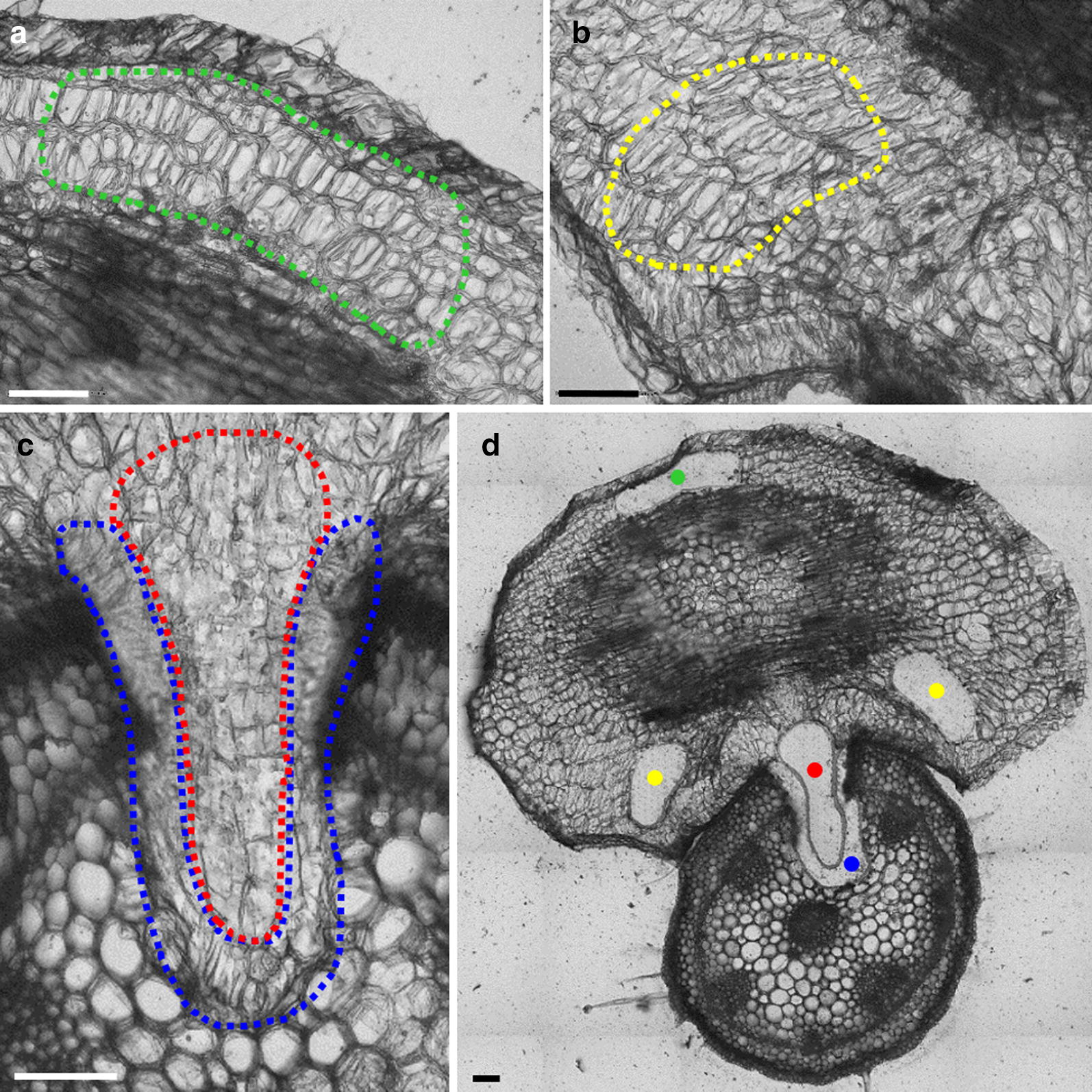
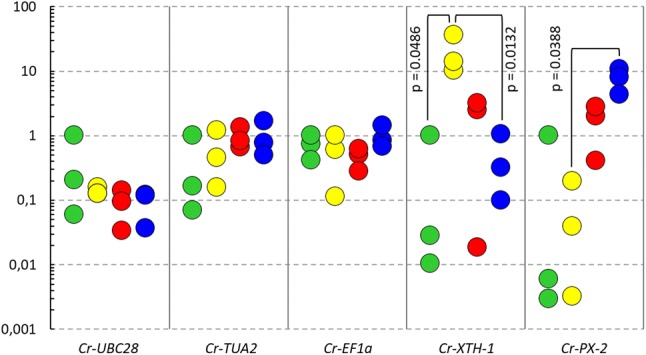
Infection sites of the parasitic plant growing on its compatible host plant were sectioned using a vibratome and dried on glass slides at 4 °C before laser microdissection. High quality RNA (RQI > 7) was isolated from 1 mm, 3 mm and 6 mm total surface areas of laser microdissection-harvested tissue, with the yield of RNA correlating to the amount of collected material (on average 7 ng total RNA/mm). The expression levels of two parasite genes previously found to be highly expressed during host plant infection were shown to differ individually between specific regions of the infection site. By drying plant sections under low pressure to reduce the dehydration time, the induced expression of two wound-related genes during preparation was avoided.
Plants can be prepared quickly and easily for laser microdissection by direct sectioning of fresh tissue followed by dehydration on glass slides. We show that RNA isolated from material treated in this manner maintains high quality and enables the investigation of differential gene expression at a high morphological resolution.
控制基本生物学过程的基因表达变化可能发生在细胞特异性水平。为深入了解此类事件,应用激光显微切割技术从特定细胞或组织中切取用于基因表达分析的RNA。然而,用于激光显微切割的植物组织切片制备及后续RNA分离通常涉及固定和包埋,这些过程往往耗时且会降低分离RNA的产量和质量。
在其亲和寄主植物上生长的寄生植物的感染部位用振动切片机切片,并在4℃下于载玻片上干燥,然后进行激光显微切割。从激光显微切割收获的组织的1mm、3mm和6mm总表面积中分离出高质量RNA(RQI>7),RNA产量与收集材料的量相关(平均每毫米总RNA 7ng)。先前发现的在寄主植物感染期间高表达的两个寄生基因的表达水平在感染部位的特定区域之间存在个体差异。通过在低压下干燥植物切片以减少脱水时间,避免了制备过程中两个伤口相关基因的诱导表达。
通过直接切割新鲜组织然后在载玻片上脱水,可以快速简便地制备用于激光显微切割的植物。我们表明,以这种方式处理的材料分离出的RNA保持高质量,并能够在高形态分辨率下研究差异基因表达。