Zhou Jingjiao, Qu Zhaoxia, Sun Fan, Han Lei, Li Liwen, Yan Shapei, Stabile Laura P, Chen Lin-Feng, Siegfried Jill M, Xiao Gutian
University of Pittsburgh Cancer Institute, Pittsburgh, Pennsylvania.
Department of Microbiology and Molecular Genetics, University of Pittsburgh School of Medicine, Pittsburgh, Pennsylvania.
Cancer Immunol Res. 2017 Mar;5(3):257-268. doi: 10.1158/2326-6066.CIR-16-0073. Epub 2017 Jan 20.
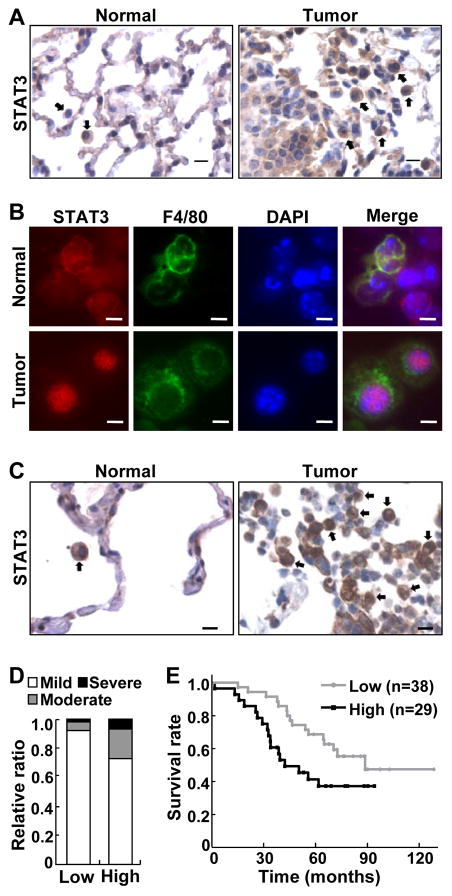
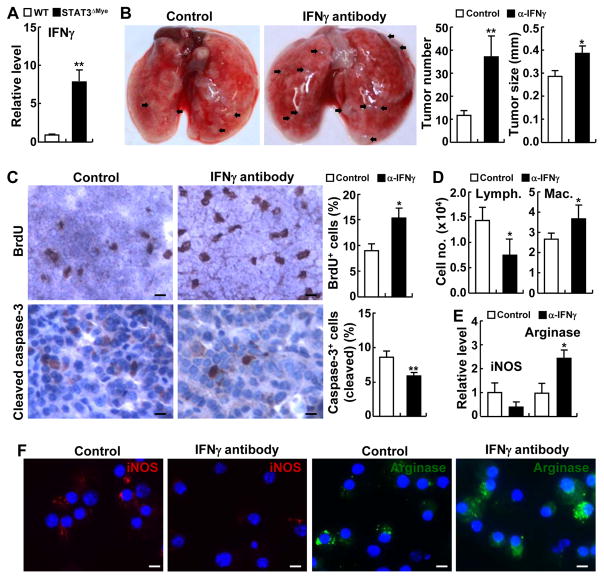
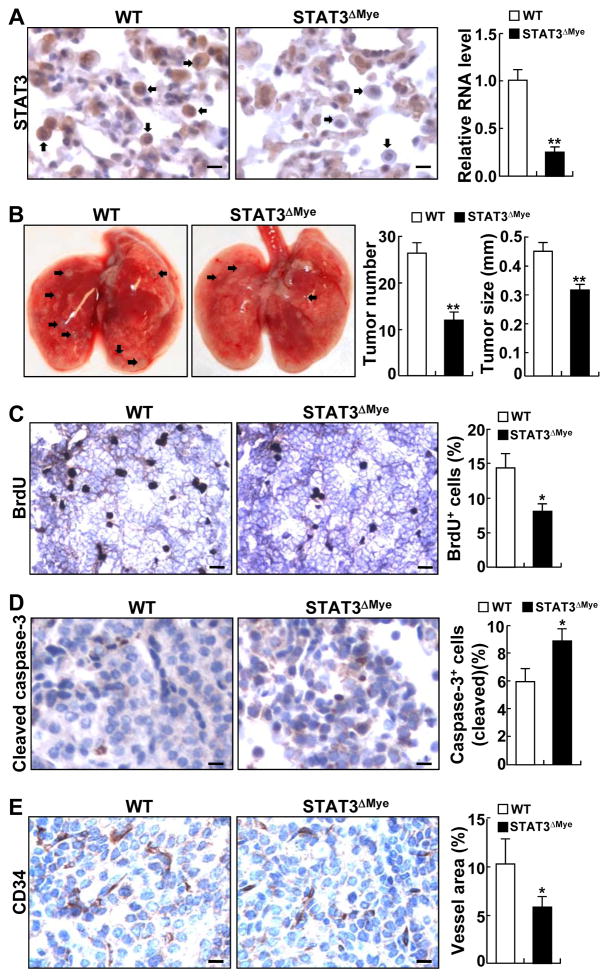
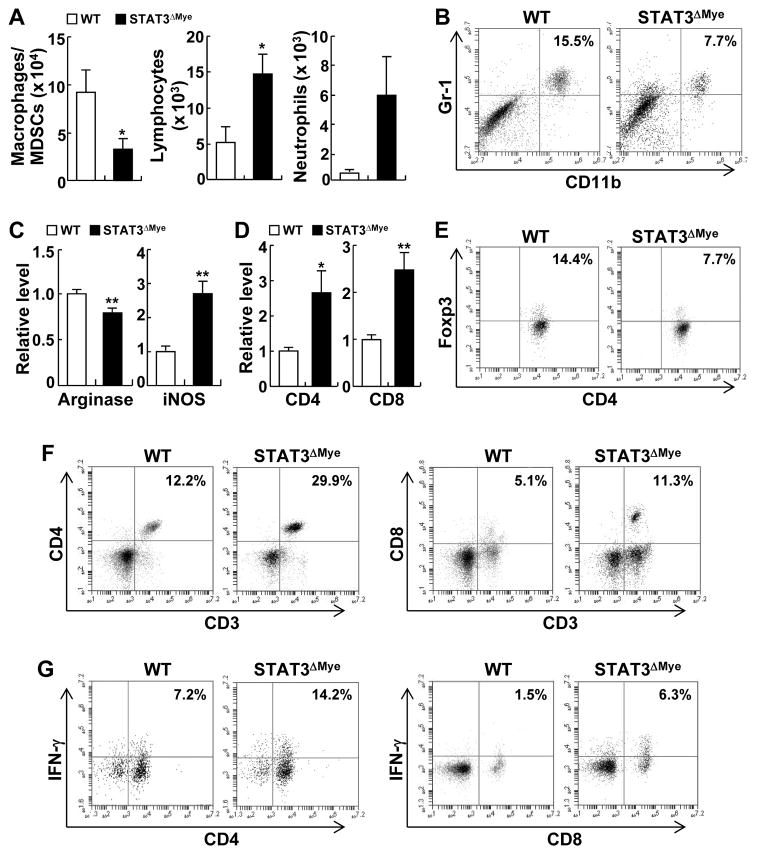
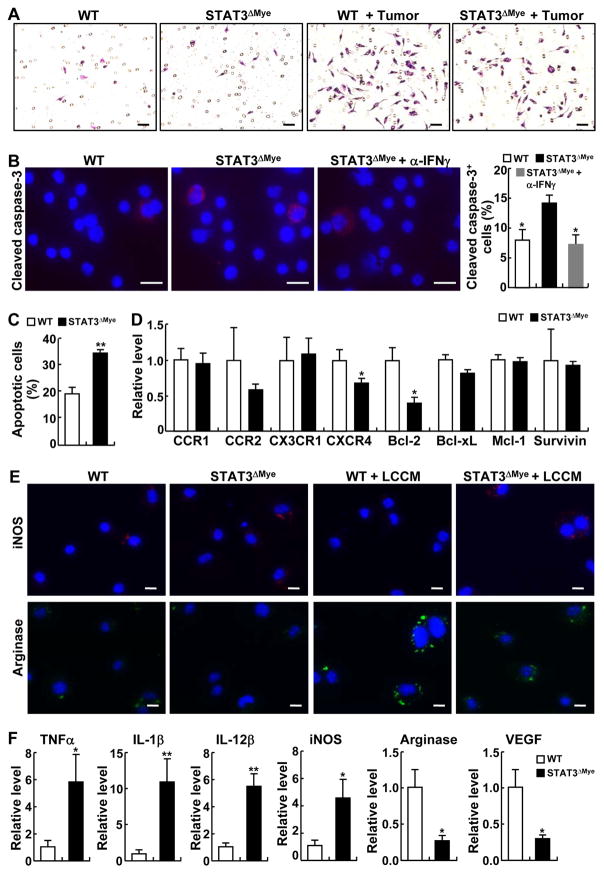
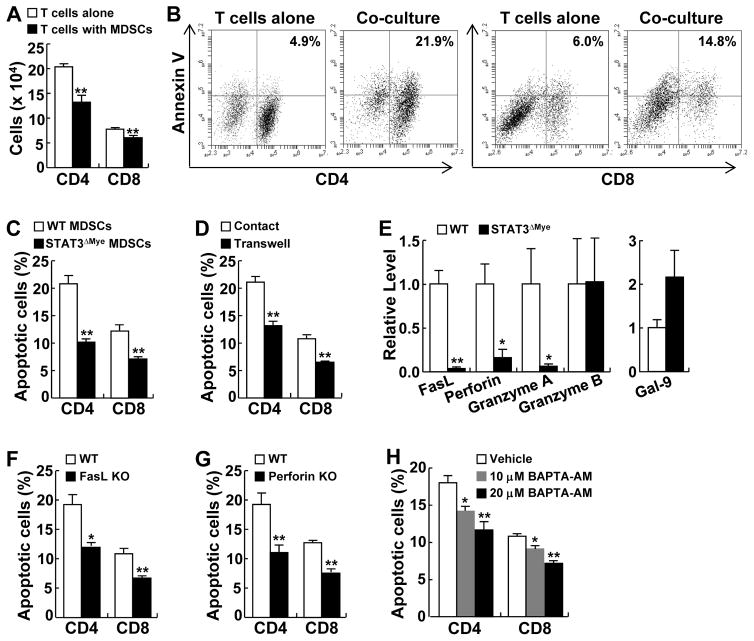
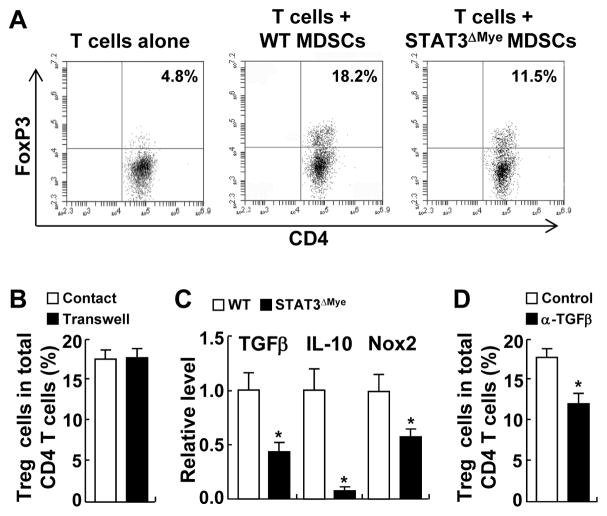
One of the most fundamental and challenging questions in the cancer field is how immunity in patients with cancer is transformed from tumor immunosurveillance to tumor-promoting inflammation. Here, we identify the transcription factor STAT3 as the culprit responsible for this pathogenic event in lung cancer development. We found that antitumor type 1 CD4 T-helper (Th1) cells and CD8 T cells were directly counter balanced in lung cancer development with tumor-promoting myeloid-derived suppressor cells (MDSCs) and suppressive macrophages, and that activation of STAT3 in MDSCs and macrophages promoted tumorigenesis through pulmonary recruitment and increased resistance of suppressive cells to CD8 T cells, enhancement of cytotoxicity toward CD4 and CD8 T cells, induction of regulatory T cell (Treg), inhibition of dendritic cells (DC), and polarization of macrophages toward the M2 phenotype. The deletion of myeloid STAT3 boosted antitumor immunity and suppressed lung tumorigenesis. These findings increase our understanding of immune programming in lung tumorigenesis and provide a mechanistic basis for developing STAT3-based immunotherapy against this and other solid tumors. .
癌症领域最基本且具挑战性的问题之一是,癌症患者的免疫如何从肿瘤免疫监视转变为促进肿瘤的炎症反应。在此,我们确定转录因子信号转导与转录激活因子3(STAT3)是肺癌发生过程中这一致病事件的罪魁祸首。我们发现,在肺癌发生过程中,抗肿瘤1型辅助性CD4 T细胞(Th1)和CD8 T细胞与促进肿瘤的髓源性抑制细胞(MDSC)和抑制性巨噬细胞直接抗衡,并且MDSC和巨噬细胞中STAT3的激活通过肺部募集以及增强抑制性细胞对CD8 T细胞的抗性、增强对CD4和CD8 T细胞的细胞毒性、诱导调节性T细胞(Treg)、抑制树突状细胞(DC)以及使巨噬细胞向M2表型极化来促进肿瘤发生。髓系STAT3的缺失增强了抗肿瘤免疫力并抑制了肺癌发生。这些发现增进了我们对肺癌发生中免疫编程的理解,并为开发针对这种及其他实体瘤的基于STAT3的免疫疗法提供了机制基础。