Sun Fan, Yan Pengrong, Xiao Yadong, Zhang Hongqiao, Shapiro Steven D, Xiao Gutian, Qu Zhaoxia
UPMC Hillman Cancer Center, Department of Microbiology and Molecular Genetics, University of Pittsburgh School of Medicine, Pittsburgh, United States.
Division of Pulmonary, Allergy, and Critical Care Medicine, Department of Medicine, University of Pittsburgh School of Medicine, Pittsburgh, United States.
Elife. 2024 Dec 24;12:RP89638. doi: 10.7554/eLife.89638.
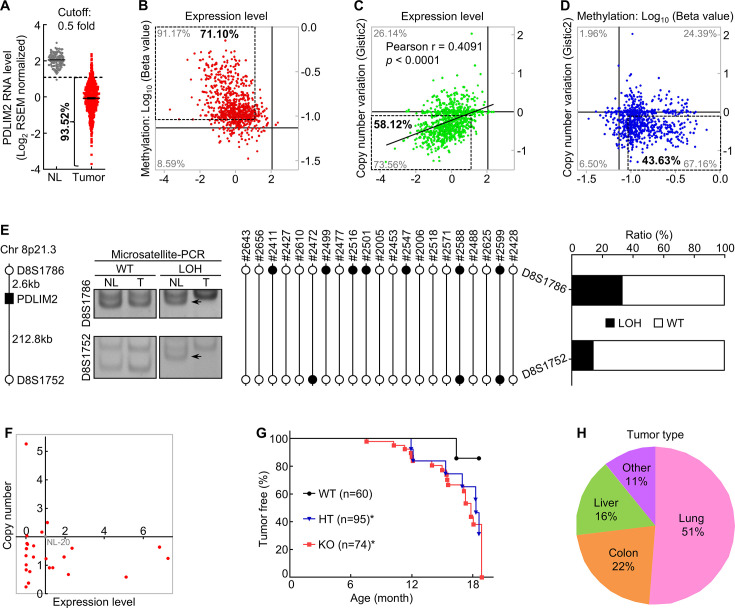
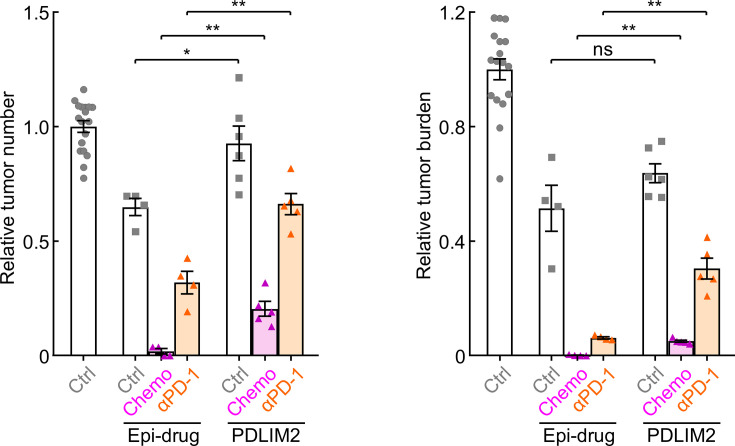
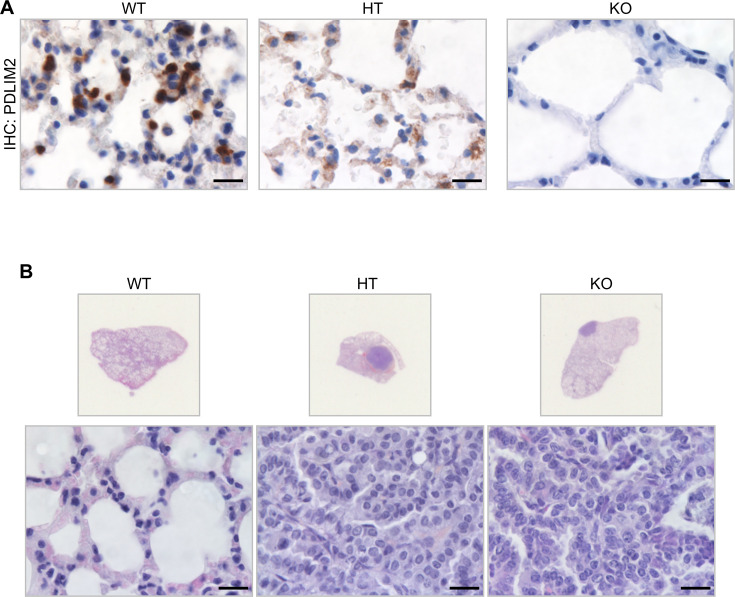
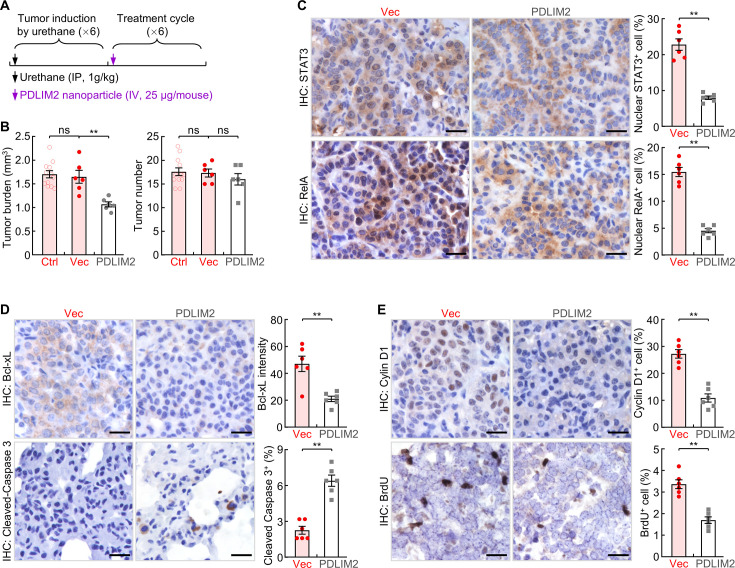
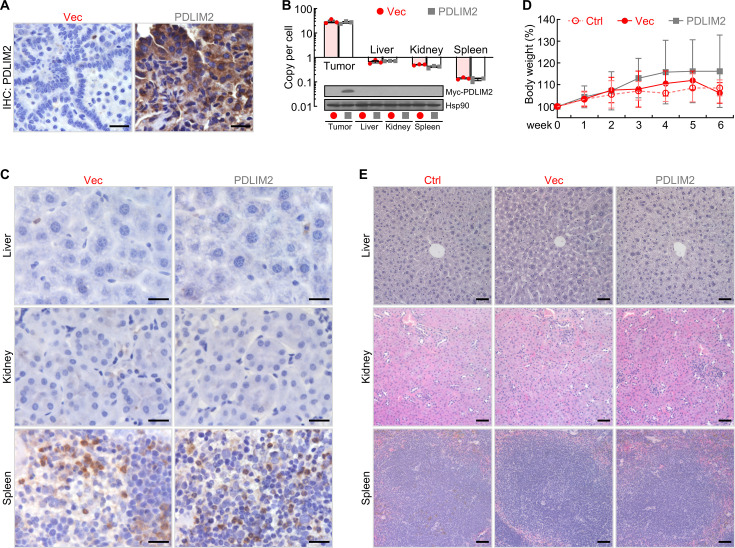
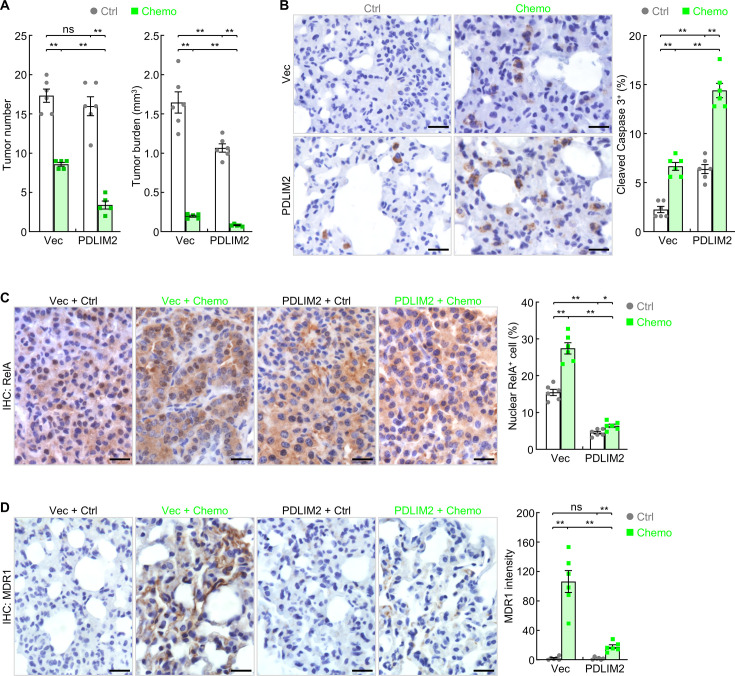
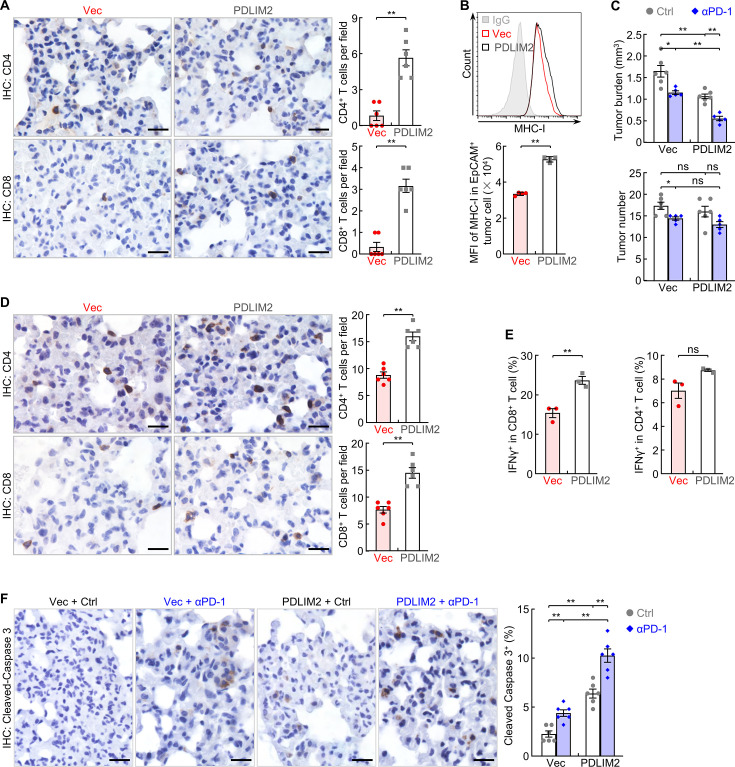
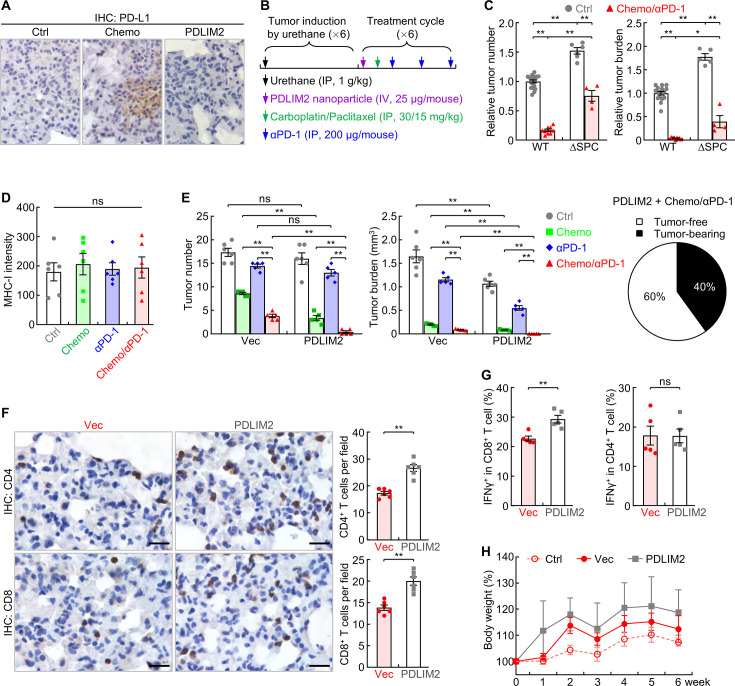
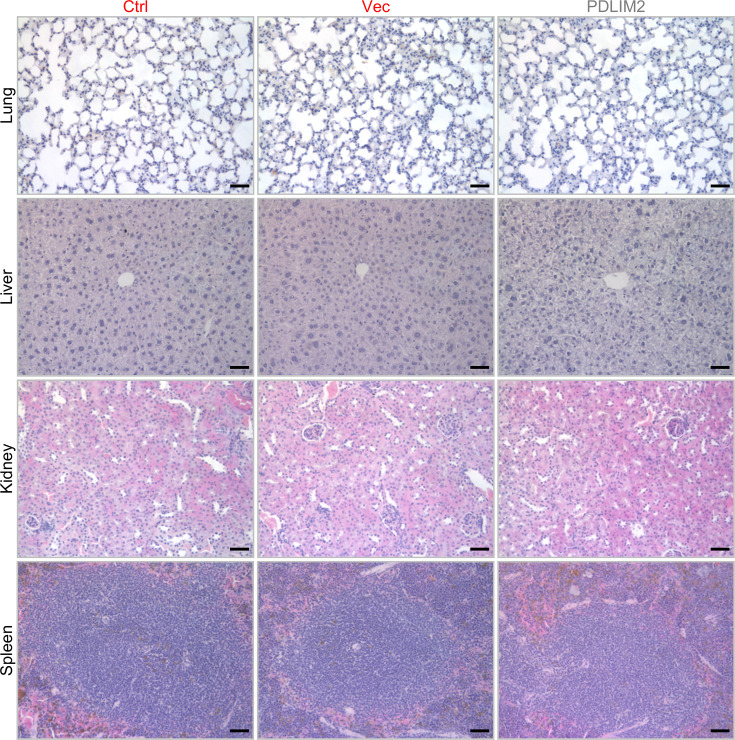
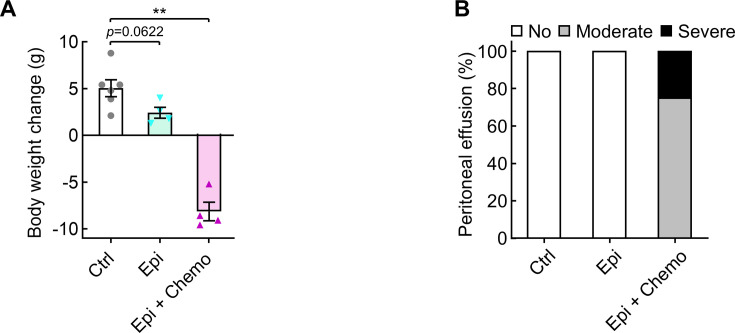
Immune checkpoint inhibitors (ICIs) and their combination with other therapies such as chemotherapy, fail in most cancer patients. We previously identified the PDZ-LIM domain-containing protein 2 (PDLIM2) as a bona fide tumor suppressor that is repressed in lung cancer to drive cancer and its chemo and immunotherapy resistance, suggesting a new target for lung cancer therapy improvement. In this study, human clinical samples and data were used to investigate genetic and epigenetic changes in lung cancer. Using an endogenous mouse lung cancer model faithfully recapitulating refractory human lung cancer and a clinically feasible nano-delivery system, we investigated the therapeutic efficacy, action mechanism, and safety of systemically administrated PDLIM2 expression plasmids encapsulated in nanoparticles (nanoPDLIM2) and its combination with PD-1 antibody and chemotherapeutic drugs. Our analysis indicate that PDLIM2 repression in human lung cancer involves both genetic deletion and epigenetic alteration. NanoPDLIM2 showed low toxicity, high tumor specificity, antitumor activity, and greatly improved the efficacy of anti-PD-1 and chemotherapeutic drugs, with complete tumor remission in most mice and substantial tumor reduction in the remaining mice by their triple combination. Mechanistically, nanoPDLIM2 increased major histocompatibility complex class I (MHC-I) expression, suppressed multi-drug resistance 1 (MDR1) induction and survival genes and other tumor-related genes expression in tumor cells, and enhanced lymphocyte tumor infiltration, turning the cold tumors hot and sensitive to ICIs and rendering them vulnerable to chemotherapeutic drugs and activated tumor-infiltrating lymphocytes (TILs) including those unleashed by ICIs. These studies established a clinically applicable PDLIM2-based combination therapy with great efficacy for lung cancer and possibly other cold cancers.
免疫检查点抑制剂(ICIs)及其与化疗等其他疗法的联合应用,在大多数癌症患者中均告失败。我们之前已确定含PDZ-LIM结构域蛋白2(PDLIM2)是一种真正的肿瘤抑制因子,其在肺癌中受到抑制,从而推动癌症发展及其对化疗和免疫疗法产生抗性,这提示了改善肺癌治疗的一个新靶点。在本研究中,我们利用人类临床样本和数据来研究肺癌中的基因和表观遗传变化。通过一个能够忠实地重现难治性人类肺癌的内源性小鼠肺癌模型以及一个临床可行的纳米递送系统,我们研究了包裹在纳米颗粒中的PDLIM2表达质粒(纳米PDLIM2)全身给药的治疗效果、作用机制和安全性,以及它与PD-1抗体和化疗药物联合使用的情况。我们的分析表明,人类肺癌中PDLIM2的抑制涉及基因缺失和表观遗传改变。纳米PDLIM2显示出低毒性、高肿瘤特异性、抗肿瘤活性,并极大地提高了抗PD-1和化疗药物的疗效,三联组合使大多数小鼠肿瘤完全缓解,其余小鼠肿瘤也大幅缩小。从机制上讲,纳米PDLIM2增加了肿瘤细胞中主要组织相容性复合体I类(MHC-I)的表达,抑制了多药耐药1(MDR1)诱导以及存活基因和其他肿瘤相关基因的表达,并增强了淋巴细胞向肿瘤的浸润,将冷肿瘤转变为对ICIs敏感的热肿瘤,使其易受化疗药物和活化的肿瘤浸润淋巴细胞(TILs,包括那些由ICIs释放的TILs)的攻击。这些研究建立了一种基于PDLIM2的临床适用联合疗法,对肺癌以及可能的其他冷肿瘤具有显著疗效。