Zeybel Müjdat, Luli Saimir, Sabater Laura, Hardy Timothy, Oakley Fiona, Leslie Jack, Page Agata, Moran Salvador Eva, Sharkey Victoria, Tsukamoto Hidekazu, Chu David C K, Singh Uma Sharan, Ponzoni Mirco, Perri Patrizia, Di Paolo Daniela, Mendivil Edgar J, Mann Jelena, Mann Derek A
Institute of Cellular Medicine, Faculty of Medical Sciences, 4(th) Floor, William Leech Building, Newcastle University, Framlington Place, Newcastle upon Tyne, NE2 4HH, UK; School of Medicine, Koc University, 34450 Istanbul, Turkey.
Institute of Cellular Medicine, Faculty of Medical Sciences, 4(th) Floor, William Leech Building, Newcastle University, Framlington Place, Newcastle upon Tyne, NE2 4HH, UK.
Mol Ther. 2017 Jan 4;25(1):218-231. doi: 10.1016/j.ymthe.2016.10.004.
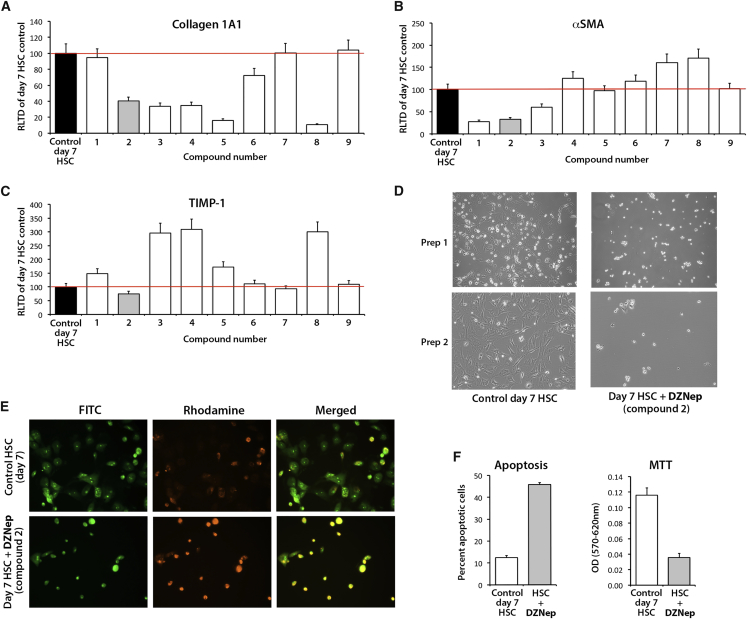
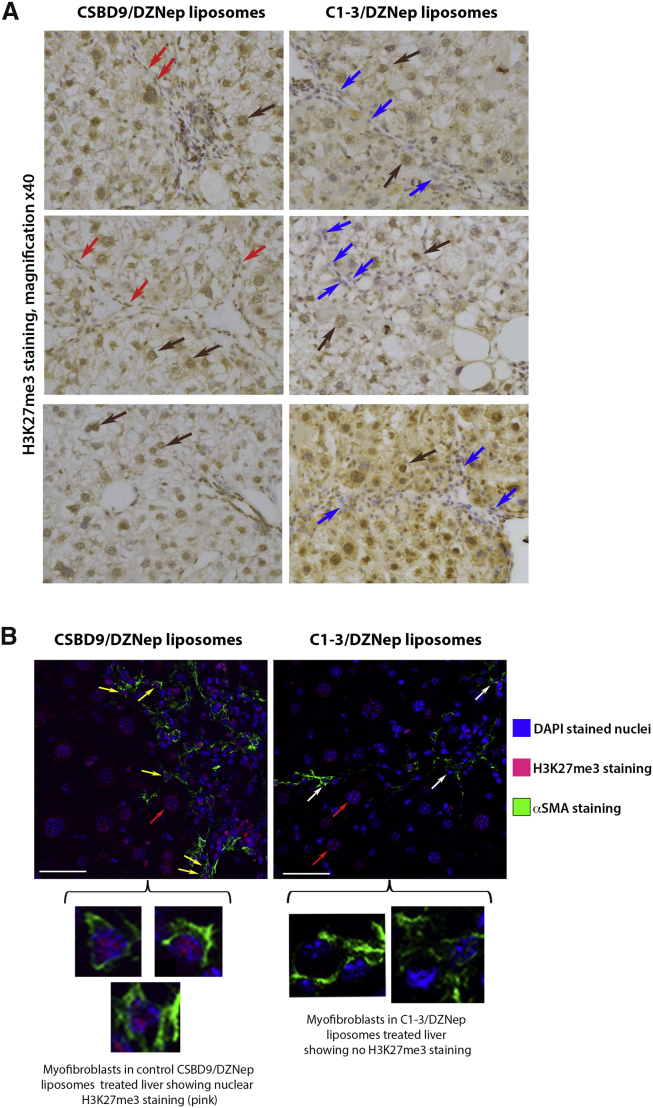
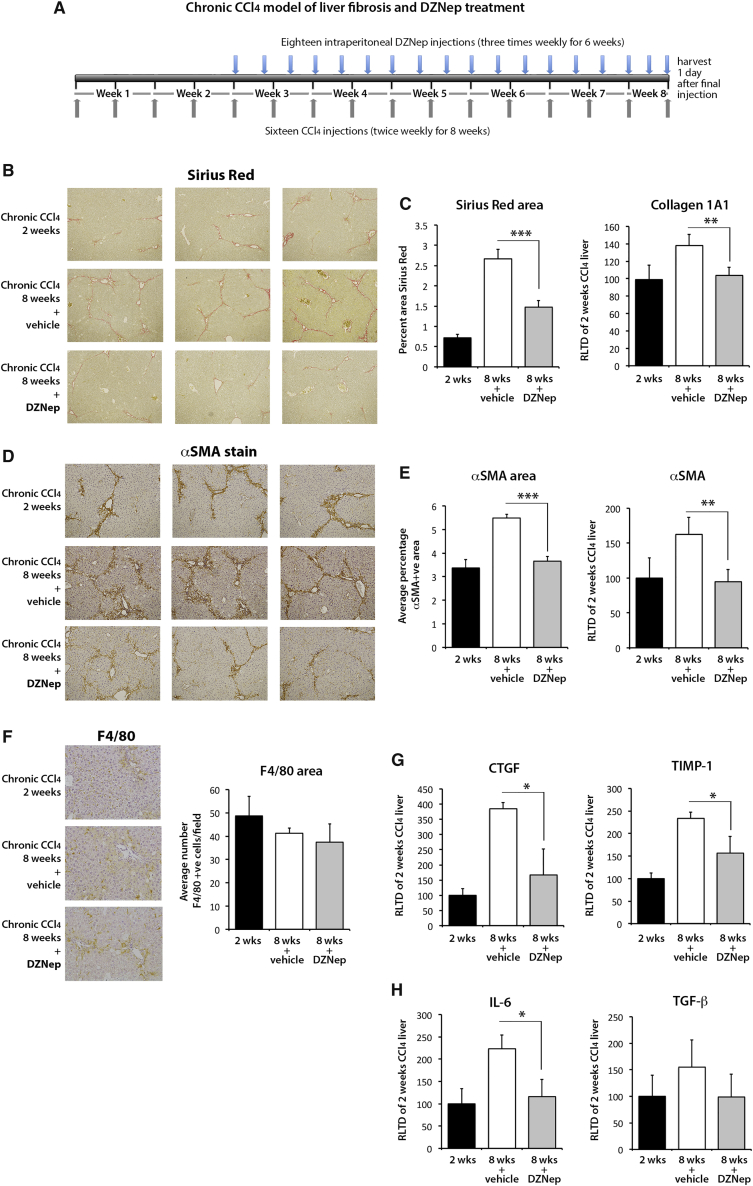
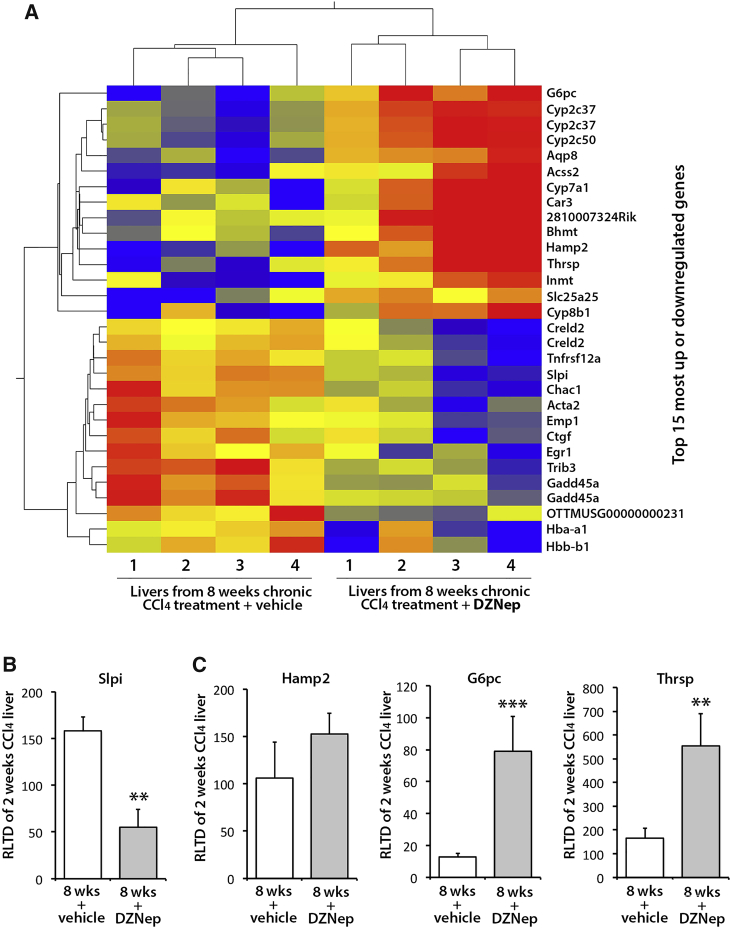
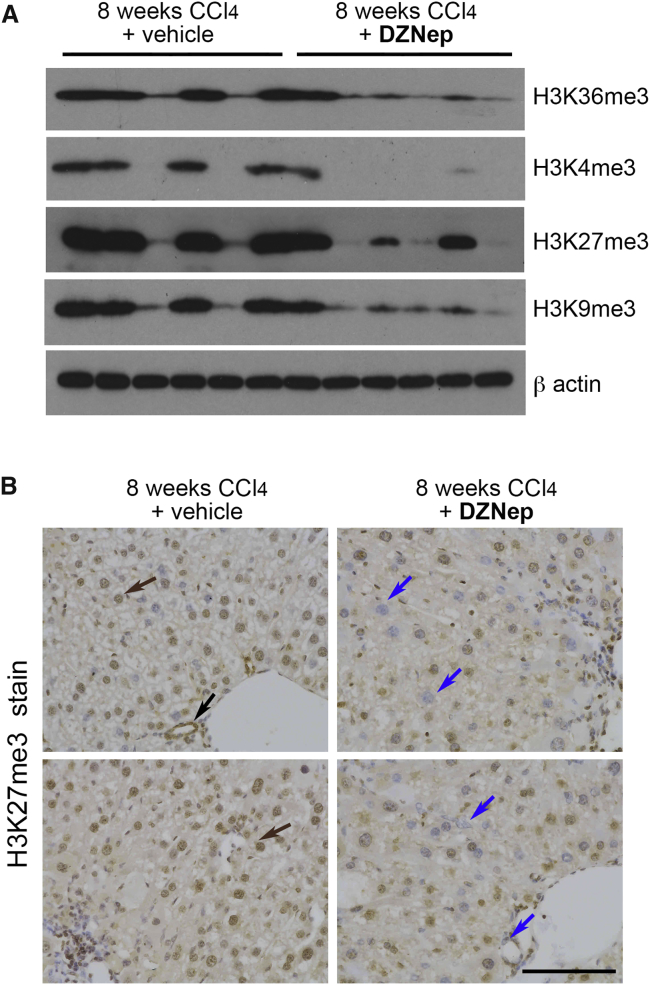
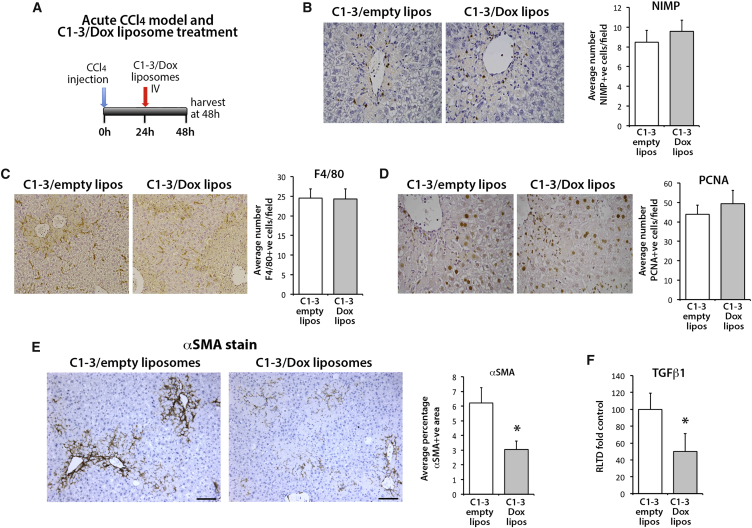
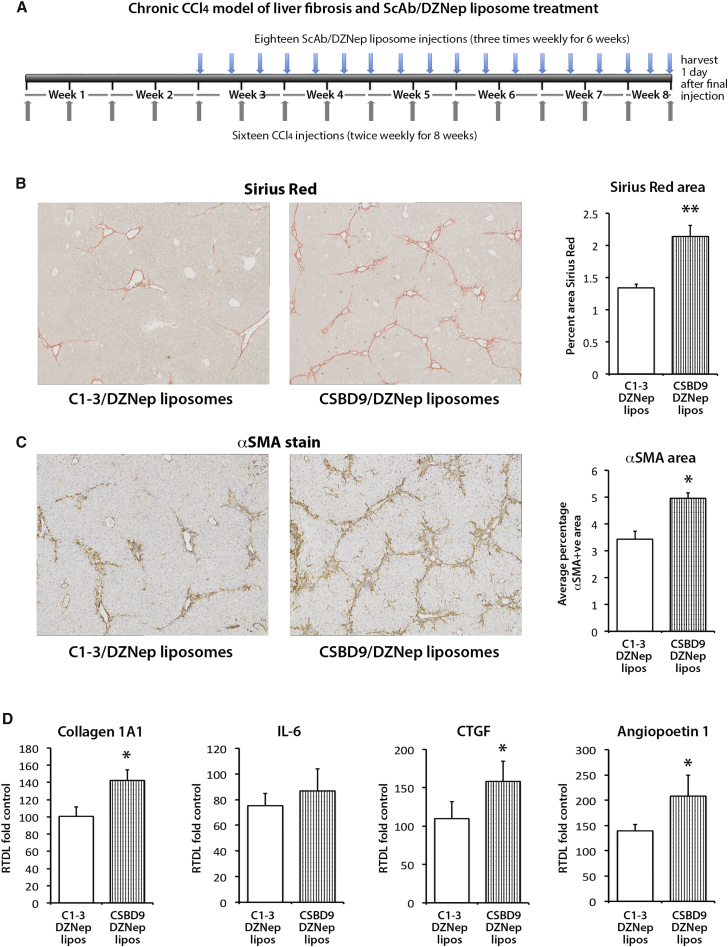
The progression of fibrosis in chronic liver disease is dependent upon hepatic stellate cells (HSCs) transdifferentiating to a myofibroblast-like phenotype. This pivotal process is controlled by enzymes that regulate histone methylation and chromatin structure, which may be targets for developing anti-fibrotics. There is limited pre-clinical experimental support for the potential to therapeutically manipulate epigenetic regulators in fibrosis. In order to learn if epigenetic treatment can halt the progression of pre-established liver fibrosis, we treated mice with the histone methyltransferase inhibitor 3-deazaneplanocin A (DZNep) in a naked form or by selectively targeting HSC-derived myofibroblasts via an antibody-liposome-DZNep targeting vehicle. We discovered that DZNep treatment inhibited multiple histone methylation modifications, indicative of a broader specificity than previously reported. This broad epigenetic repression was associated with the suppression of fibrosis progression as assessed both histologically and biochemically. The anti-fibrotic effect of DZNep was reproduced when the drug was selectively targeted to HSC-derived myofibroblasts. Therefore, the in vivo modulation of HSC histone methylation is sufficient to halt progression of fibrosis in the context of continuous liver damage. This discovery and our novel HSC-targeting vehicle, which avoids the unwanted effects of epigenetic drugs on parenchymal liver cells, represents an important proof-of-concept for epigenetic treatment of liver fibrosis.
慢性肝病中纤维化的进展取决于肝星状细胞(HSCs)向肌成纤维细胞样表型的转分化。这一关键过程由调节组蛋白甲基化和染色质结构的酶控制,这些酶可能是开发抗纤维化药物的靶点。关于在纤维化中治疗性操纵表观遗传调节因子的潜力,临床前实验支持有限。为了了解表观遗传治疗是否能阻止已建立的肝纤维化进展,我们用组蛋白甲基转移酶抑制剂3-去氮杂氮胞苷A(DZNep)以裸药形式或通过抗体-脂质体-DZNep靶向载体选择性靶向HSC衍生的肌成纤维细胞来治疗小鼠。我们发现DZNep治疗抑制了多种组蛋白甲基化修饰,表明其特异性比先前报道的更广泛。这种广泛的表观遗传抑制与组织学和生化评估的纤维化进展抑制相关。当药物选择性靶向HSC衍生的肌成纤维细胞时,DZNep的抗纤维化作用得以重现。因此,在持续肝损伤的情况下,体内调节HSC组蛋白甲基化足以阻止纤维化进展。这一发现以及我们新型的HSC靶向载体,避免了表观遗传药物对肝实质细胞的不良影响,代表了肝纤维化表观遗传治疗的一个重要概念验证。