Day Alison M, Smith Deborah A, Ikeh Mélanie A C, Haider Mohammed, Herrero-de-Dios Carmen M, Brown Alistair J P, Morgan Brian A, Erwig Lars P, MacCallum Donna M, Quinn Janet
Institute for Cell and Molecular Biosciences, Faculty of Medical Sciences, Newcastle University, Newcastle upon Tyne, United Kingdom.
Aberdeen Fungal Group, Institute of Medical Sciences, University of Aberdeen, Aberdeen, United Kingdom.
PLoS Pathog. 2017 Jan 30;13(1):e1006131. doi: 10.1371/journal.ppat.1006131. eCollection 2017 Jan.
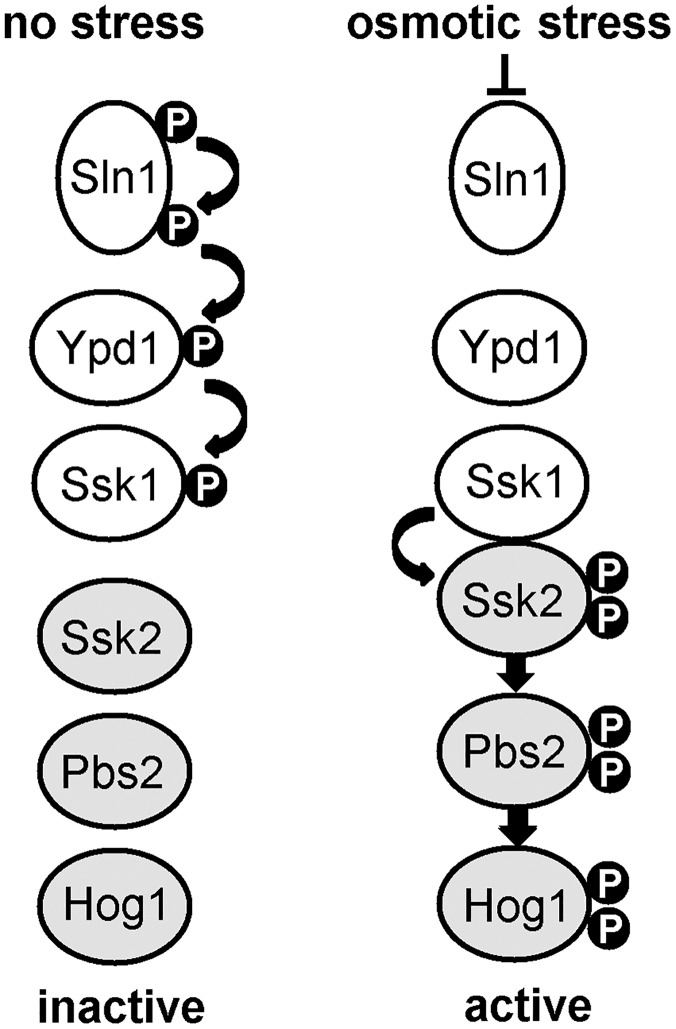
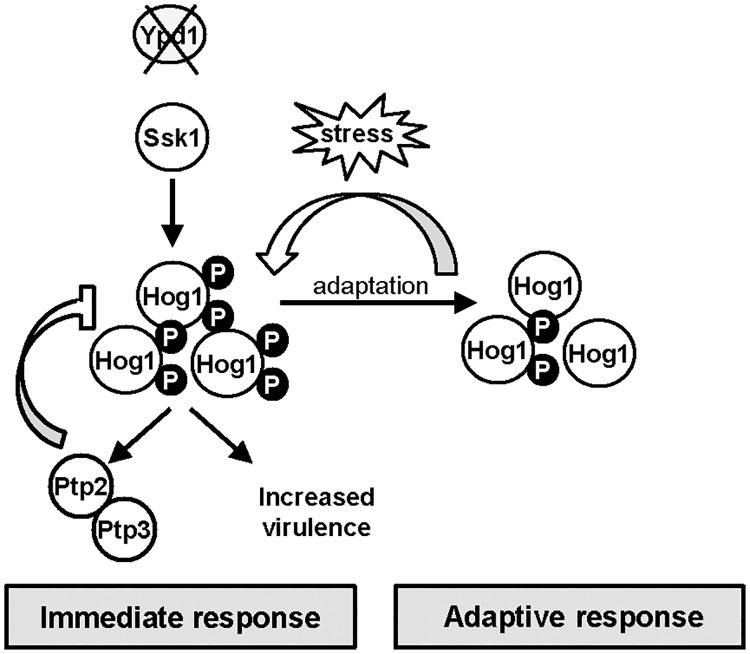
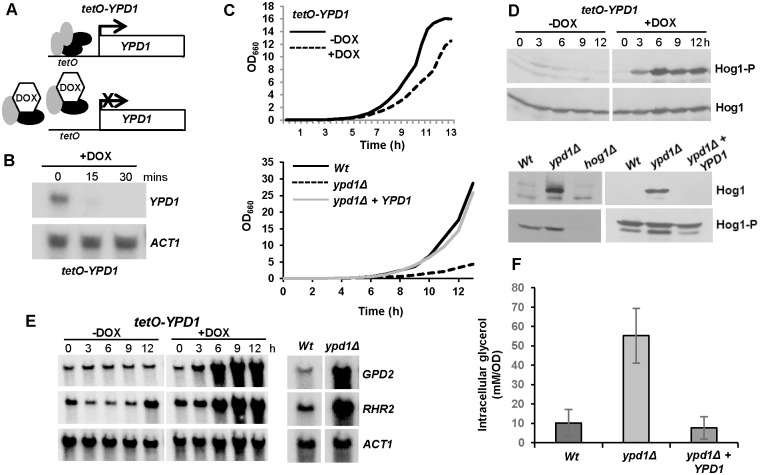
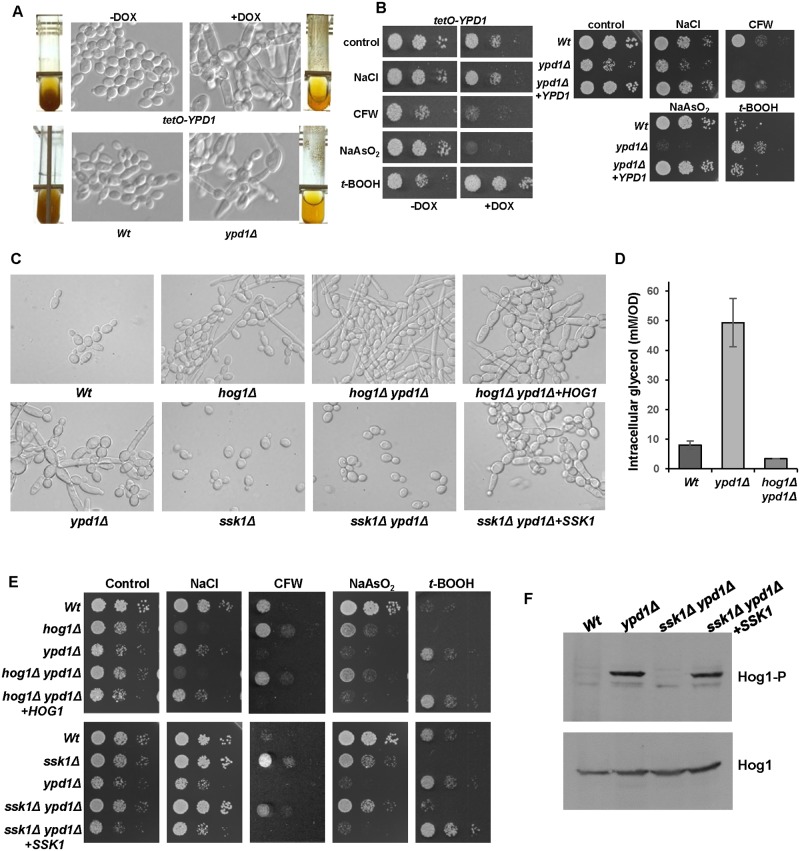
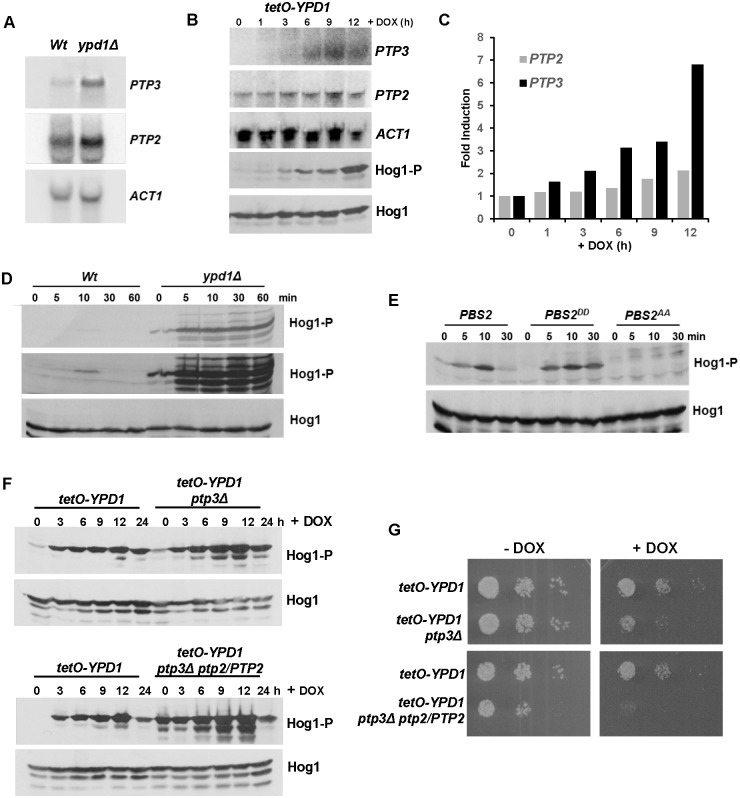
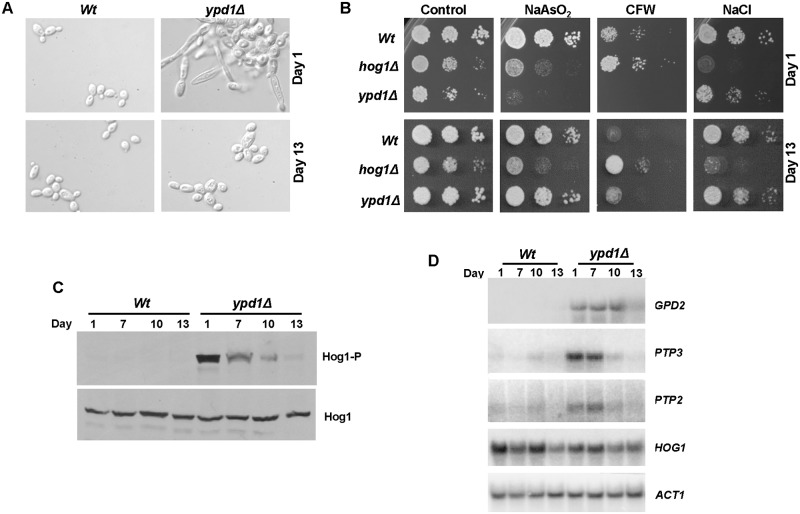
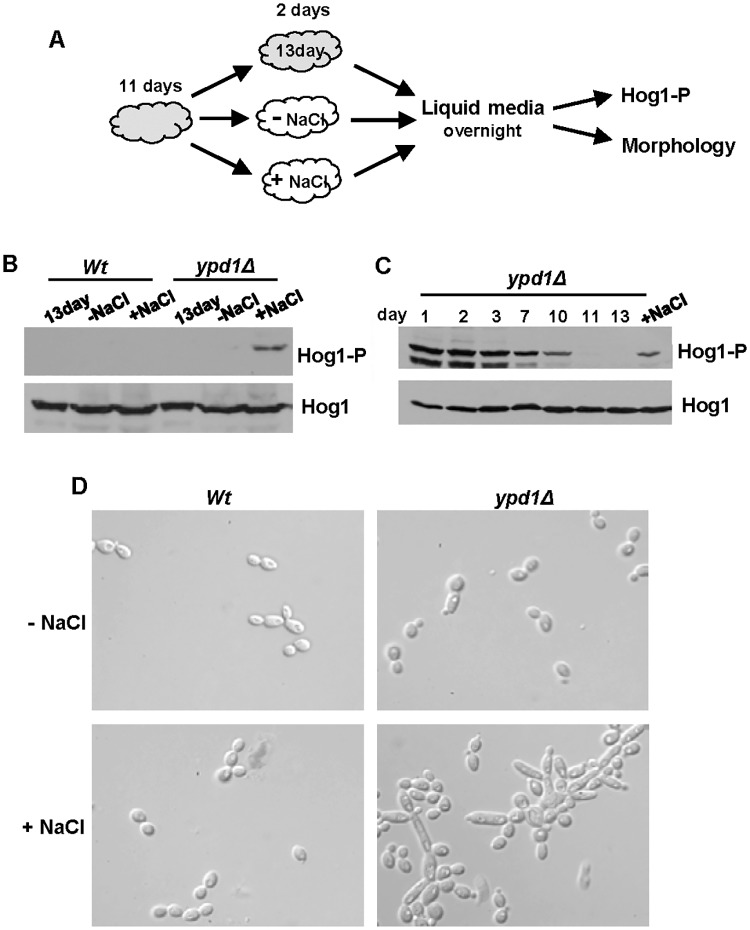
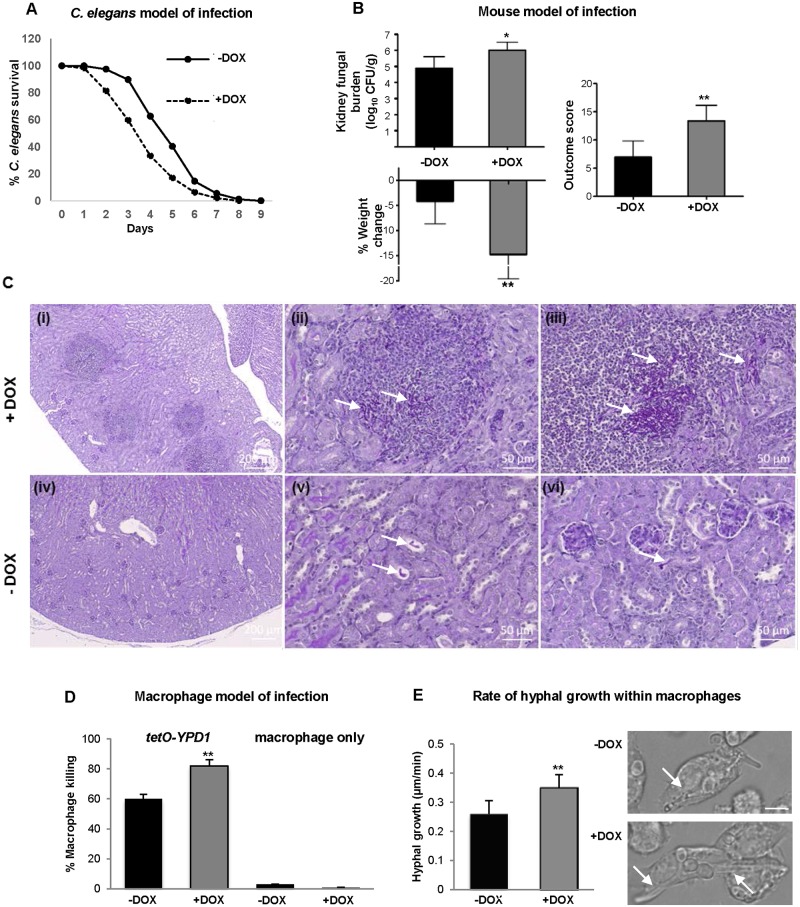
The Ypd1 phosphorelay protein is a central constituent of fungal two-component signal transduction pathways. Inhibition of Ypd1 in Saccharomyces cerevisiae and Cryptococcus neoformans is lethal due to the sustained activation of the 'p38-related' Hog1 stress-activated protein kinase (SAPK). As two-component signalling proteins are not found in animals, Ypd1 is considered to be a prime antifungal target. However, a major fungal pathogen of humans, Candida albicans, can survive the concomitant sustained activation of Hog1 that occurs in cells lacking YPD1. Here we show that the sustained activation of Hog1 upon Ypd1 loss is mediated through the Ssk1 response regulator. Moreover, we present evidence that C. albicans survives SAPK activation in the short-term, following Ypd1 loss, by triggering the induction of protein tyrosine phosphatase-encoding genes which prevent the accumulation of lethal levels of phosphorylated Hog1. In addition, our studies reveal an unpredicted, reversible, mechanism that acts to substantially reduce the levels of phosphorylated Hog1 in ypd1Δ cells following long-term sustained SAPK activation. Indeed, over time, ypd1Δ cells become phenotypically indistinguishable from wild-type cells. Importantly, we also find that drug-induced down-regulation of YPD1 expression actually enhances the virulence of C. albicans in two distinct animal infection models. Investigating the underlying causes of this increased virulence, revealed that drug-mediated repression of YPD1 expression promotes hyphal growth both within murine kidneys, and following phagocytosis, thus increasing the efficacy by which C. albicans kills macrophages. Taken together, these findings challenge the targeting of Ypd1 proteins as a general antifungal strategy and reveal novel cellular adaptation mechanisms to sustained SAPK activation.
Ypd1磷酸化信号转导蛋白是真菌双组分信号转导途径的核心组成部分。在酿酒酵母和新型隐球菌中,抑制Ypd1是致命的,因为“p38相关”的Hog1应激激活蛋白激酶(SAPK)会持续激活。由于动物中不存在双组分信号蛋白,Ypd1被认为是主要的抗真菌靶点。然而,人类主要真菌病原体白色念珠菌在缺乏YPD1的细胞中发生的Hog1持续激活的情况下能够存活。在这里,我们表明Ypd1缺失后Hog1的持续激活是通过Ssk1应答调节因子介导的。此外,我们提供的证据表明,白色念珠菌在Ypd1缺失后短期内通过触发蛋白酪氨酸磷酸酶编码基因的诱导来存活SAPK激活,这些基因可防止磷酸化Hog1积累到致死水平。此外,我们的研究揭示了一种意想不到的、可逆的机制,该机制在长期持续的SAPK激活后可显著降低ypd1Δ细胞中磷酸化Hog1的水平。事实上,随着时间的推移,ypd1Δ细胞在表型上与野生型细胞无法区分。重要的是,我们还发现药物诱导的YPD1表达下调实际上增强了白色念珠菌在两种不同动物感染模型中的毒力。研究这种毒力增加的潜在原因发现,药物介导抑制YPD1表达会促进白色念珠菌在小鼠肾脏内以及吞噬后形成菌丝,从而提高白色念珠菌杀死巨噬细胞的效率。综上所述,这些发现挑战了将Ypd1蛋白作为一般抗真菌策略的靶向作用,并揭示了细胞对持续SAPK激活的新型适应机制。