State Key Laboratory of Oral Diseases & National Clinical Research Center for Oral Diseases& West China School of Stomatology, Sichuan University, Chengdu, China.
Department of Operative Dentistry and Endodontics, West China Hospital of Stomatology, Sichuan University, Chengdu, China.
Virulence. 2021 Dec;12(1):1884-1899. doi: 10.1080/21505594.2021.1949883.
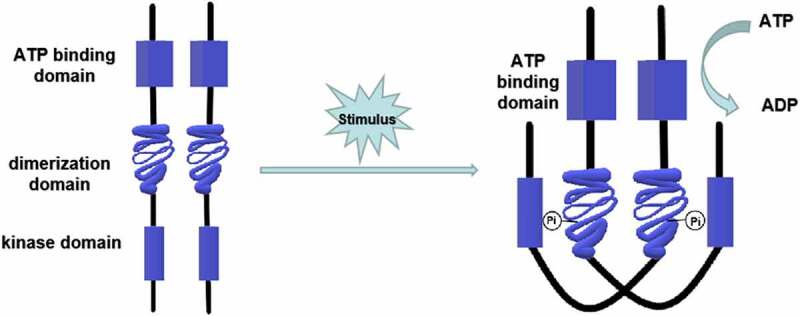
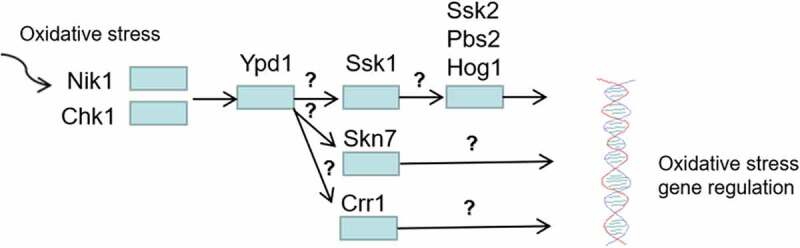
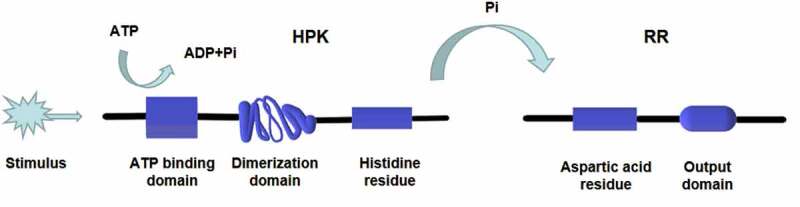
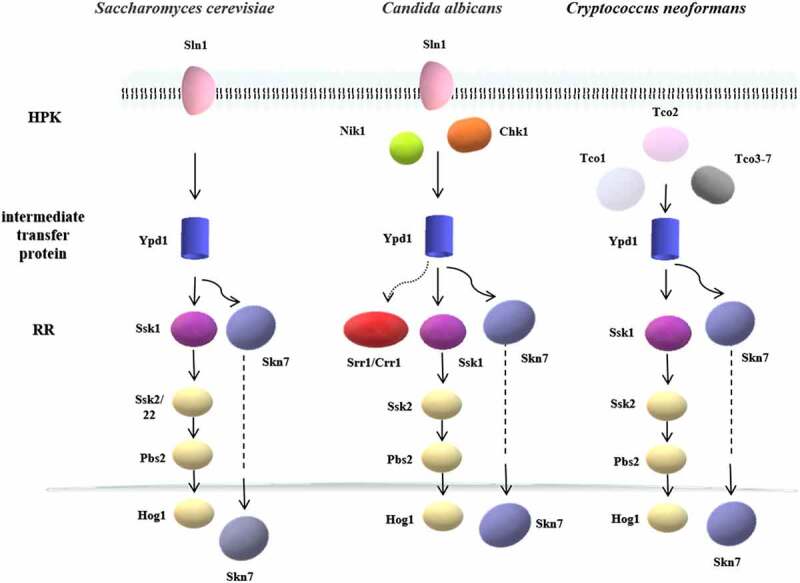
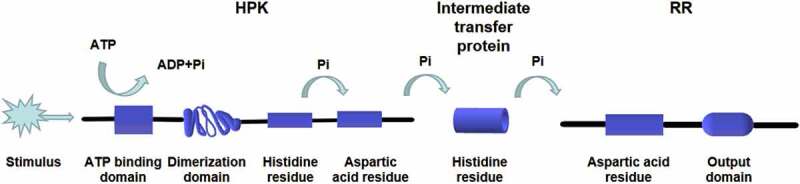
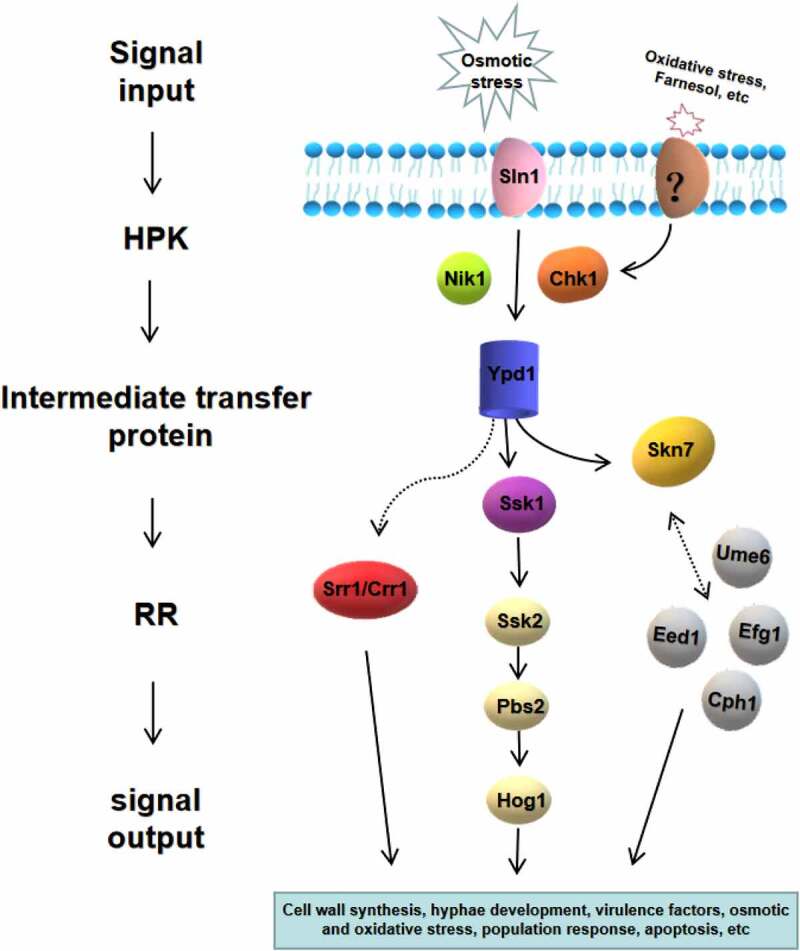
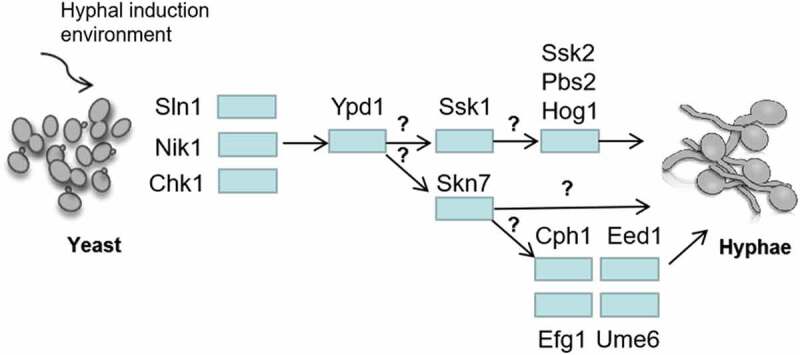
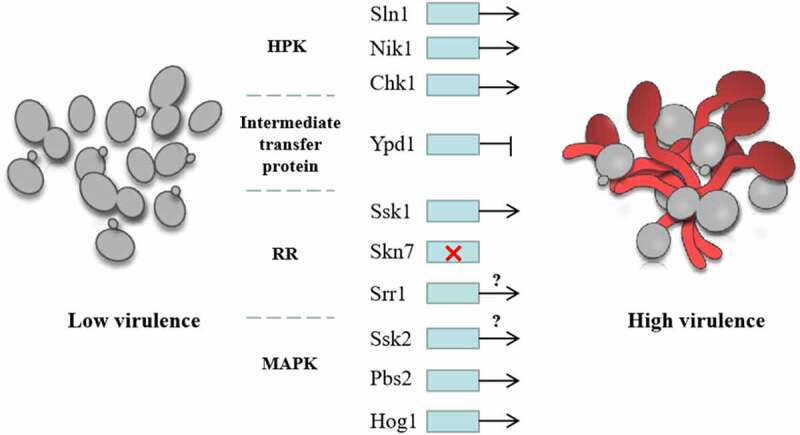
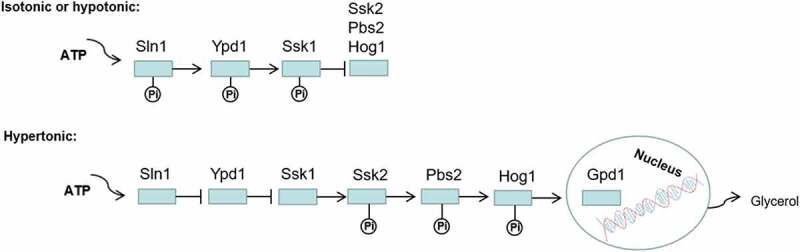
, which can cause superficial and life-threatening systemic infections, is the most common opportunistic fungal pathogen in the human microbiome. The two-component system is one of the most important signal transduction pathways, regulating the response to oxidative and osmotic stresses, adhesion, morphogenesis, cell wall synthesis, virulence, drug resistance, and the host-pathogen interactions. Notably, some components of this signaling pathway have not been found in the human genome, indicating that the two-component system of can be a potential target for new antifungal agents. Here, we summarize the composition, signal transduction, and regulation of the two-component system of to emphasize its essential roles in the pathogenesis of and the new therapeutic target for antifungal drugs.
,这是人类微生物组中最常见的机会性真菌病原体,可导致浅表性和危及生命的全身感染。双组分系统是最重要的信号转导途径之一,可调节对氧化和渗透胁迫、黏附、形态发生、细胞壁合成、毒力、耐药性和宿主-病原体相互作用的反应。值得注意的是,该信号通路的一些组分未在人类基因组中发现,表明 双组分系统可能是新型抗真菌药物的潜在靶标。在这里,我们总结了 的双组分系统的组成、信号转导和调控,以强调其在 的发病机制中的重要作用和新型抗真菌药物的治疗靶标。