Xavier Luiz Eduardo De Freitas, Bernardes-Souza Breno, Lisboa Oscar Campos, Seeger Werner, Groneberg David Alexander, Tran Thien-An, Fries Fabian Norbert, Corrêa Paulo César Rodrigues Pinto, Brinker Titus Josef
School of Medicine, Federal University of Ouro Preto, Ouro Preto, Brazil.
Universities of Giessen and Marburg Lung Center, Member of the German Center for Lung Research, Department of Internal Medicine, University of Giessen, Giessen, Germany.
JMIR Res Protoc. 2017 Jan 30;6(1):e16. doi: 10.2196/resprot.7134.
Smoking is the largest preventable cause of morbidity and mortality in Brazil. Education Against Tobacco (EAT) is a large network of medical students in 13 countries who volunteer for school-based prevention in the classroom setting. A recent quasi-experimental EAT study conducted in Germany showed significant short-term smoking cessation effects on 11- to 15-year-old adolescents.
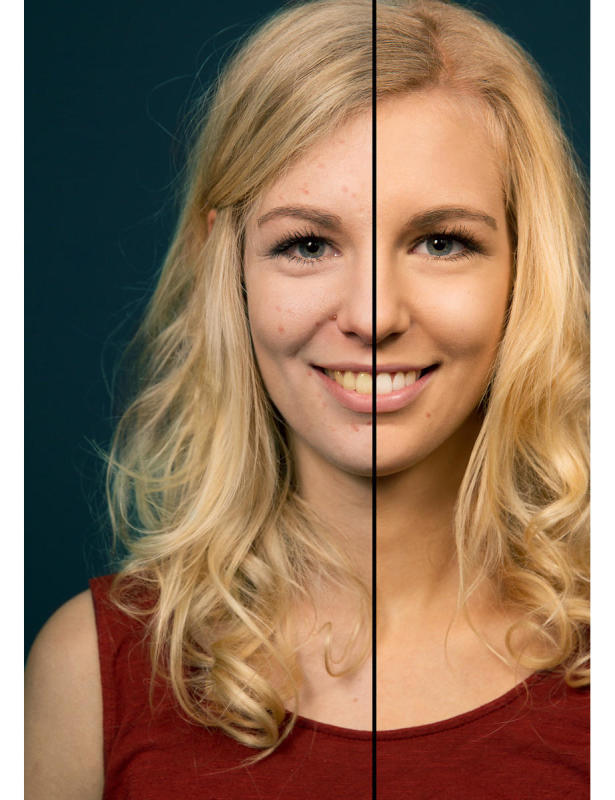
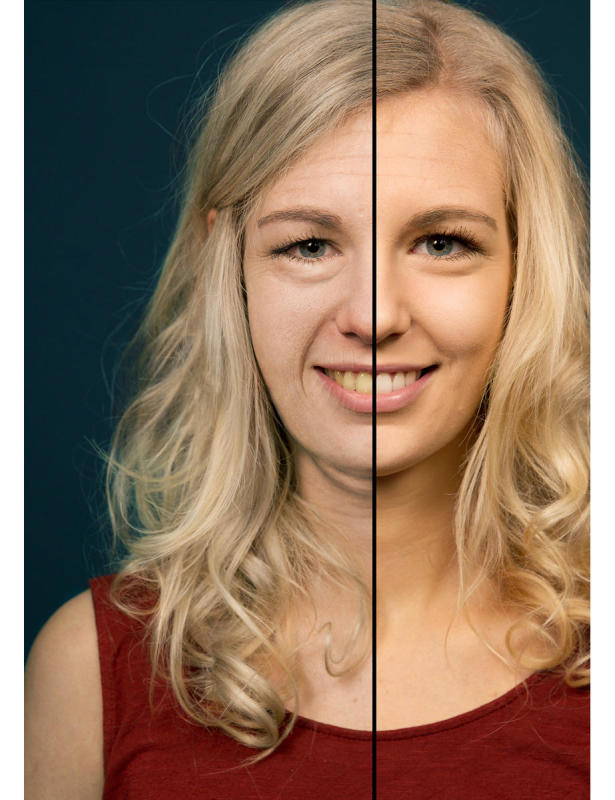
The aim of this study is both to describe and to provide the first randomized long-term evaluation of the EAT intervention involving a photoaging app for its effectiveness to reduce the smoking prevalence among 12- to 17-year-old pupils in Brazilian public schools.
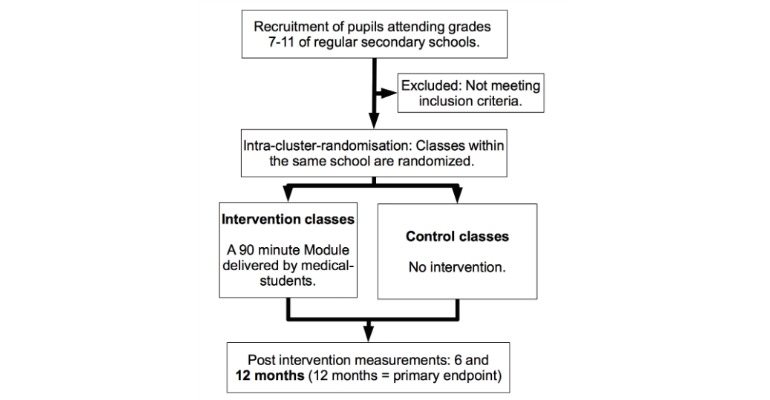
A randomized controlled trial will be conducted among approximately 1500 adolescents aged 12 to 17 years in grades 7-11 of public secondary schools in Brazil. The prospective experimental study design includes measurements at baseline and at 6 and 12 months postintervention. The study groups will consist of randomized classes receiving the standardized EAT intervention (90 minutes of mentoring in a classroom setting) and control classes within the same schools (no intervention). The questionnaire measures smoking status, gender, social, and cultural aspects as well as predictors of smoking. Biochemical validation of smoking status is conducted via random carbon monoxide measurements. The primary end point is the difference of the change in smoking prevalence in the intervention group versus the difference in the control group at 12 months of follow-up. The differences in smoking behavior (smoking onset, quitting) between the 2 groups as well as effects on the different genders will be studied as secondary outcomes.
The recruitment of schools, participating adolescents, and medical students was conducted from August 2016 until January 2017. The planned period of data collection is February 2017 until June 2018. Data analysis will follow in July 2018 and data presentation/publication will follow shortly thereafter.
This is the first evaluative study of a medical student-delivered tobacco prevention program in Brazil and the first randomized trial on the long-term effectiveness of a school-based medical student-delivered tobacco prevention program in general.
ClinicalTrials.gov NCT02725021; https://clinicaltrials.gov/ct2/show/NCT02725021 (archived by WebCite at http://www.webcitation.org/6njy3nNml).
吸烟是巴西可预防的发病和死亡的最大原因。“抵制烟草教育”(EAT)是一个由13个国家的医学生组成的大型网络,他们自愿在课堂环境中开展基于学校的预防活动。最近在德国进行的一项EAT准实验研究表明,该活动对11至15岁的青少年有显著的短期戒烟效果。
本研究的目的是描述并首次对EAT干预措施进行随机长期评估,该干预措施使用一款光老化应用程序,以评估其在巴西公立学校中降低12至17岁学生吸烟率的有效性。
将在巴西公立中学7至11年级的约1500名12至17岁青少年中进行一项随机对照试验。前瞻性实验研究设计包括在基线以及干预后6个月和12个月进行测量。研究组将由接受标准化EAT干预(在课堂环境中进行90分钟指导)的随机班级和同一学校内的对照班级(无干预)组成。问卷测量吸烟状况、性别、社会和文化方面以及吸烟的预测因素。通过随机测量一氧化碳对吸烟状况进行生化验证。主要终点是干预组在随访12个月时吸烟率变化的差异与对照组的差异。两组之间吸烟行为(开始吸烟、戒烟)的差异以及对不同性别的影响将作为次要结果进行研究。
学校、参与的青少年和医学生的招募工作于2016年8月至2017年1月进行。计划的数据收集期为2017年2月至2018年6月。数据分析将于2018年7月进行,之后不久将进行数据展示/发表。
这是巴西第一项关于医学生实施的烟草预防计划的评估研究,也是一般情况下第一项关于基于学校的医学生实施的烟草预防计划长期有效性的随机试验。
ClinicalTrials.gov NCT02725021;https://clinicaltrials.gov/ct2/show/NCT02725 (由WebCite存档于http://www.webcitation.org/6njy3nNml) 。