Moosavian Mojtaba, Ahmadkhosravy Nazanin
Health Research Institute, Infectious and Tropical Diseases Research Center, Ahvaz Jundishapur University of Medical Sciences, Ahvaz, IR Iran; Department of Microbiology, School of Medicine, Ahvaz Jundishapur University of Medical Sciences, Ahvaz, IR Iran.
Department of Microbiology, School of Medicine, Ahvaz Jundishapur University of Medical Sciences, Ahvaz, IR Iran.
Jundishapur J Microbiol. 2016 Sep 26;9(11):e40423. doi: 10.5812/jjm.40423. eCollection 2016 Nov.
A common mechanism of resistance to beta-lactam antibiotics is the production of beta-lactamase by Gram-negative bacteria. Recently, nonderivative extended-spectrum beta-lactamases (ESBLs) from the TEM and SHV enzymes, such as CTX-M, that were related to different geographical regions have been recognized.
The aim of this study was to determine the frequency of the gene in ESBL-producing isolates in hospitalized patients in the teaching hospitals of Ahvaz, Iran.
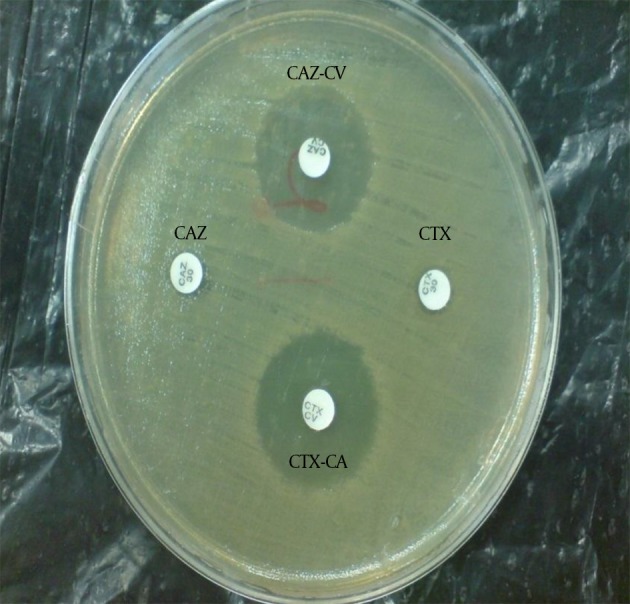
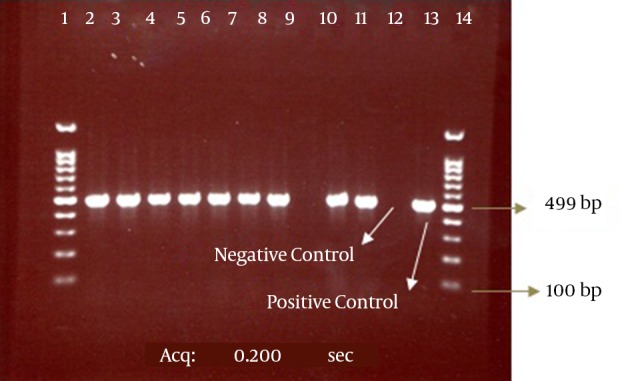
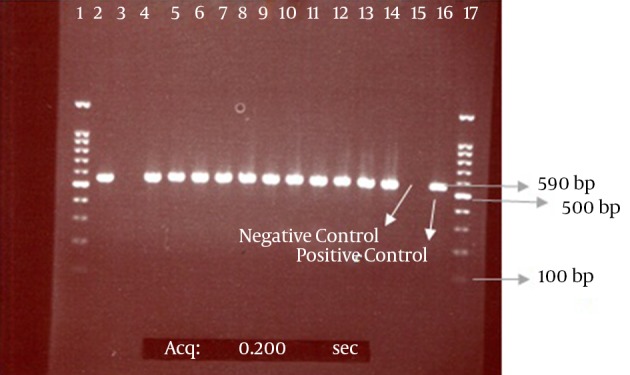
isolates from clinical specimens (other than stool), such as wounds, blood, urine, trachea, discharge, and abscess, were collected and examined. All the isolates were identified using standard biochemical tests. The combination test was carried out based on CLSI criteria for the phenotypic detection of ESBL-producing isolates. After DNA extraction, the and genes were amplified using PCR among phenotypically positive ESBL isolates.
Among 240 isolates, and were the most common isolates with 171 (71.3%) and 65 (27.1%), respectively. The combination test results also showed that 108 (45%) isolates were phenotypic ESBL producers, but 104 (96%) isolates were positive for the gene and 99 (92%) were positive for the gene according to the PCR method.
The results of this study phenotypically and genotypically confirmed the high frequency of ESBL-producing strains, such as the and genes, among isolates in our region. Therefore, use of antibiotic susceptibility testing for the detection of ESBL isolates prior to the prescription of beta-lactam antibiotics is recommended. This could help prevent the spread of bacteria strains that are resistant to beta-lactam antibiotics.
革兰氏阴性菌产生β-内酰胺酶是对β-内酰胺类抗生素耐药的常见机制。最近,已识别出与不同地理区域相关的来自TEM和SHV酶的非衍生型超广谱β-内酰胺酶(ESBLs),如CTX-M。
本研究的目的是确定伊朗阿瓦士教学医院住院患者中产ESBL分离株中该基因的频率。
收集并检查来自伤口、血液、尿液、气管、分泌物和脓肿等临床标本(粪便除外)的分离株。所有分离株均采用标准生化试验进行鉴定。根据CLSI标准进行联合试验,以表型检测产ESBL分离株。DNA提取后,在表型阳性的产ESBL分离株中使用PCR扩增该基因。
在240株分离株中,大肠杆菌和肺炎克雷伯菌是最常见的分离株,分别为171株(71.3%)和65株(27.1%)。联合试验结果还显示,108株(45%)大肠杆菌分离株是表型ESBL生产者,但根据PCR方法,104株(96%)分离株该基因呈阳性,99株(92%)该基因呈阳性。
本研究结果从表型和基因型上证实了我们地区分离株中产ESBL菌株(如该基因)的高频率。因此,建议在使用β-内酰胺类抗生素之前进行抗生素敏感性试验以检测产ESBL分离株。这有助于防止对β-内酰胺类抗生素耐药的细菌菌株传播。