Lauretti E, Li J-G, Di Meco A, Praticò D
Department of Pharmacology and Center for Translational Medicine, Lewis Katz School of Medicine, Temple University, Philadelphia, PA, USA.
Transl Psychiatry. 2017 Jan 31;7(1):e1020. doi: 10.1038/tp.2016.296.
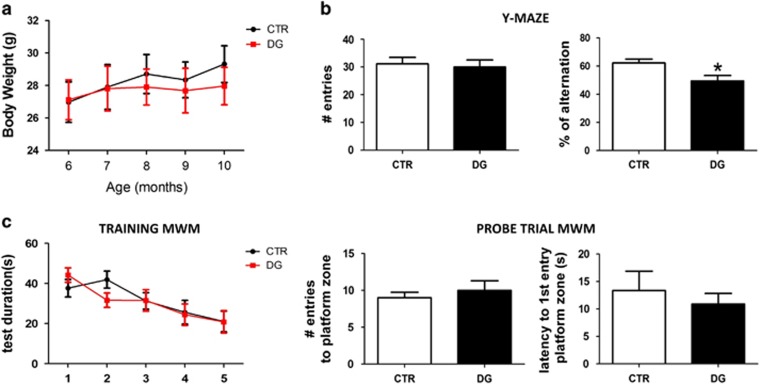
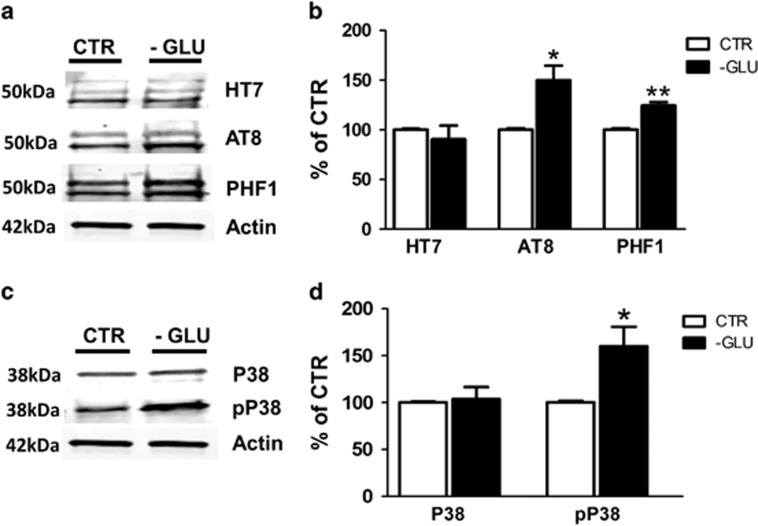
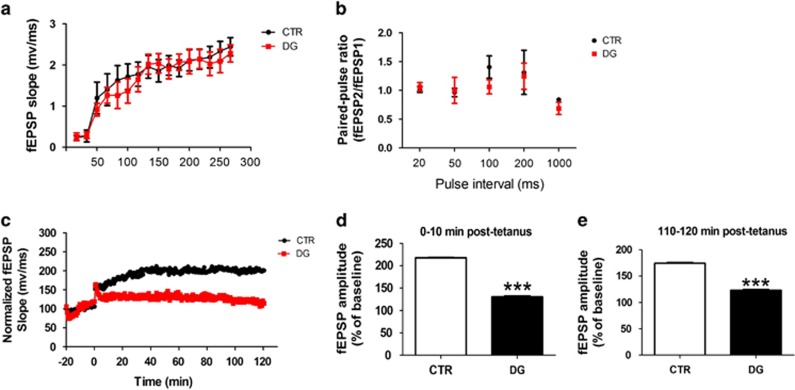
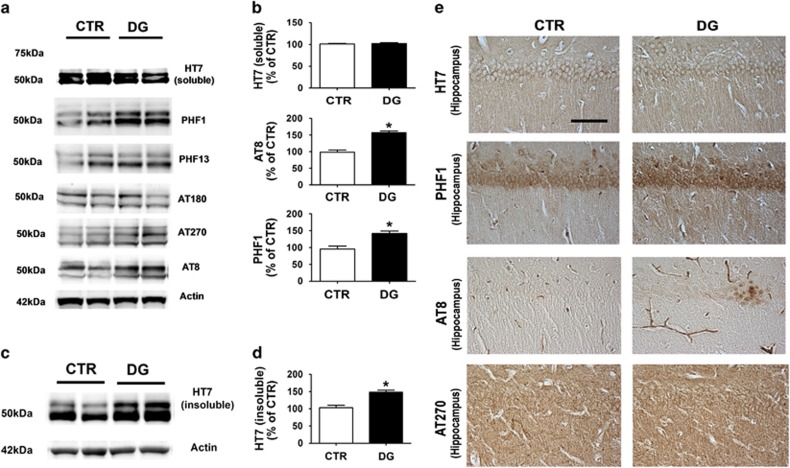
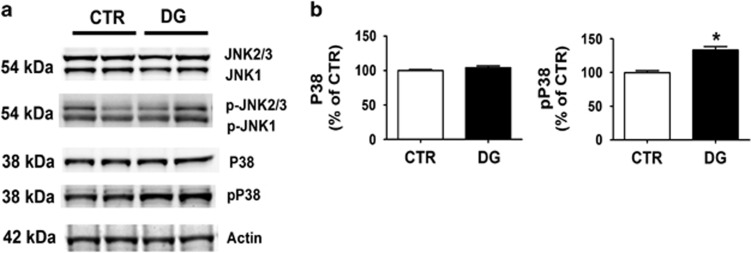
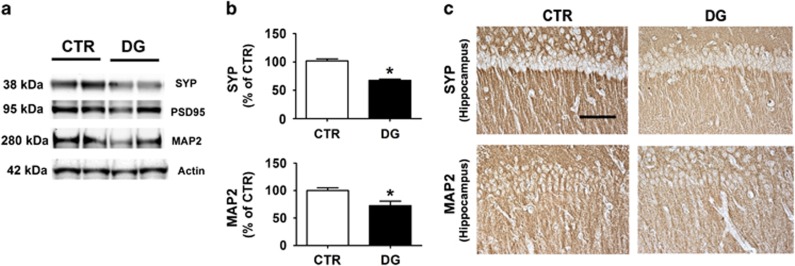
Clinical investigations have highlighted a biological link between reduced brain glucose metabolism and Alzheimer's disease (AD). Previous studies showed that glucose deprivation may influence amyloid beta formation in vivo but no data are available on the effect that this condition might have on tau protein metabolism. In the current paper, we investigated the effect of glucose deficit on tau phosphorylation, memory and learning, and synaptic function in a transgenic mouse model of tauopathy, the h-tau mice. Compared with controls, h-tau mice with brain glucose deficit showed significant memory impairments, reduction of synaptic long-term potentiation, increased tau phosphorylation, which was mediated by the activation of P38 MAPK Kinase pathway. We believe our studies demonstrate for the first time that reduced glucose availability in the central nervous system directly triggers behavioral deficits by promoting the development of tau neuropathology and synaptic dysfunction. Since restoring brain glucose levels and metabolism could afford the opportunity to positively influence the entire AD phenotype, this approach should be considered as a novel and viable therapy for preventing and/or halting the disease progression.
临床研究突出了脑葡萄糖代谢降低与阿尔茨海默病(AD)之间的生物学联系。先前的研究表明,葡萄糖剥夺可能会在体内影响β淀粉样蛋白的形成,但目前尚无关于这种情况可能对tau蛋白代谢产生何种影响的数据。在当前的论文中,我们研究了葡萄糖缺乏对tau蛋白磷酸化、记忆和学习以及tau蛋白病转基因小鼠模型(h-tau小鼠)突触功能的影响。与对照组相比,脑葡萄糖缺乏的h-tau小鼠表现出明显的记忆障碍、突触长时程增强减弱、tau蛋白磷酸化增加,这是由P38丝裂原活化蛋白激酶(MAPK)途径的激活介导的。我们相信我们的研究首次证明,中枢神经系统中葡萄糖可用性的降低通过促进tau神经病理学和突触功能障碍的发展直接引发行为缺陷。由于恢复脑葡萄糖水平和代谢可能有机会对整个AD表型产生积极影响,因此这种方法应被视为预防和/或阻止疾病进展的一种新的可行疗法。